This content was published on
June 16, 2026 - 04:19
5 minutes
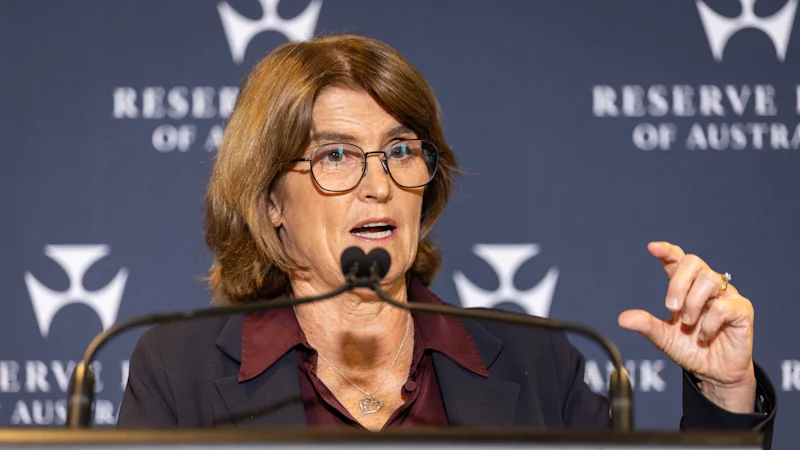
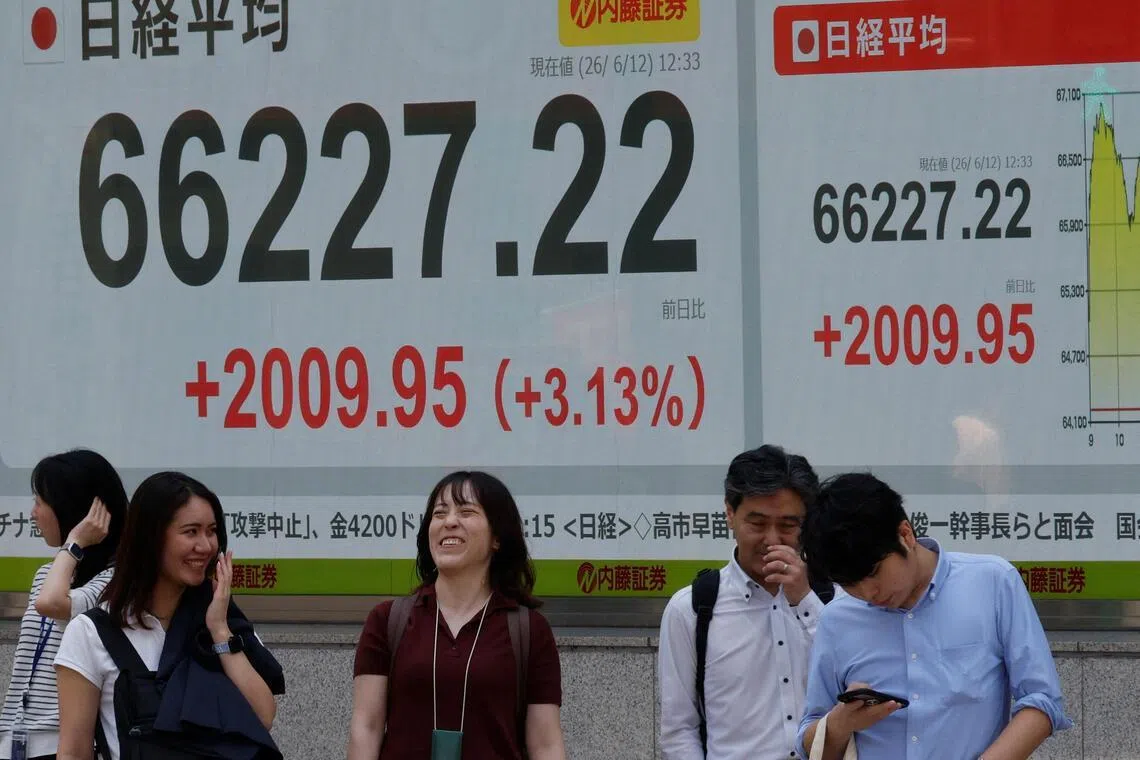
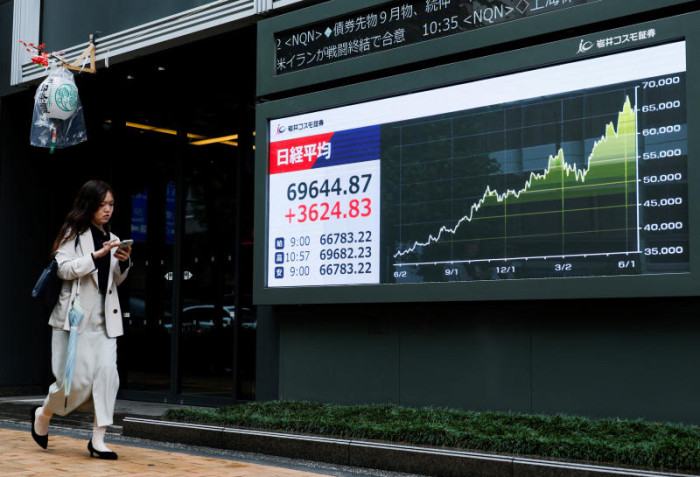
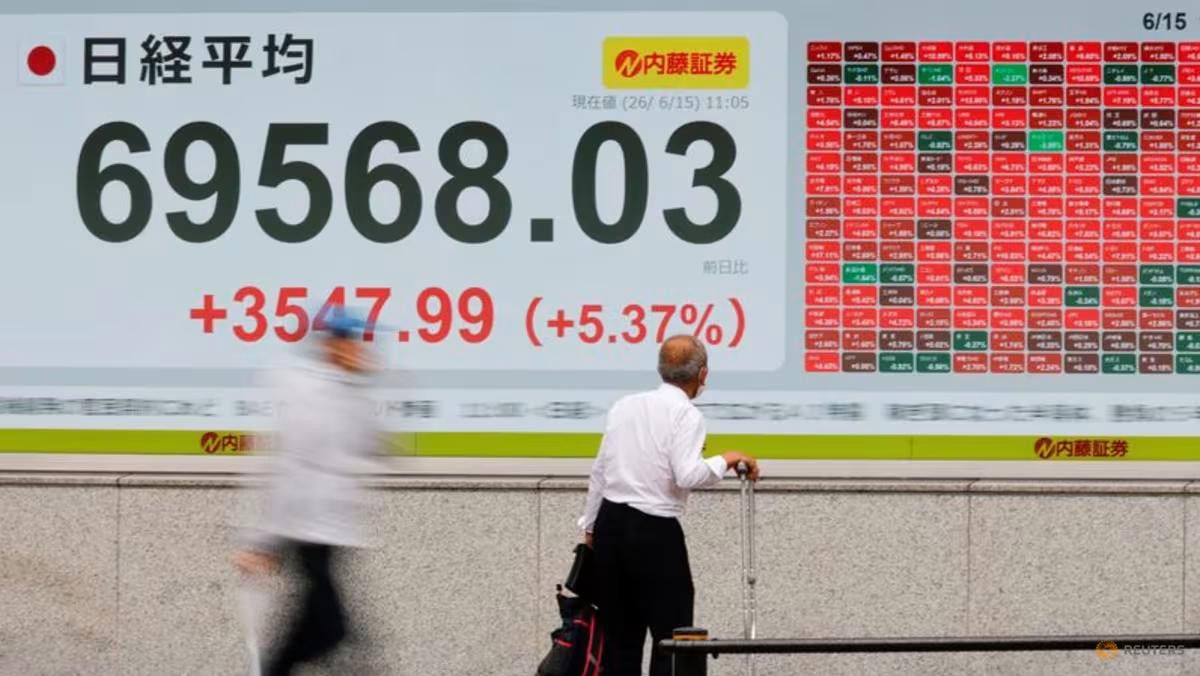
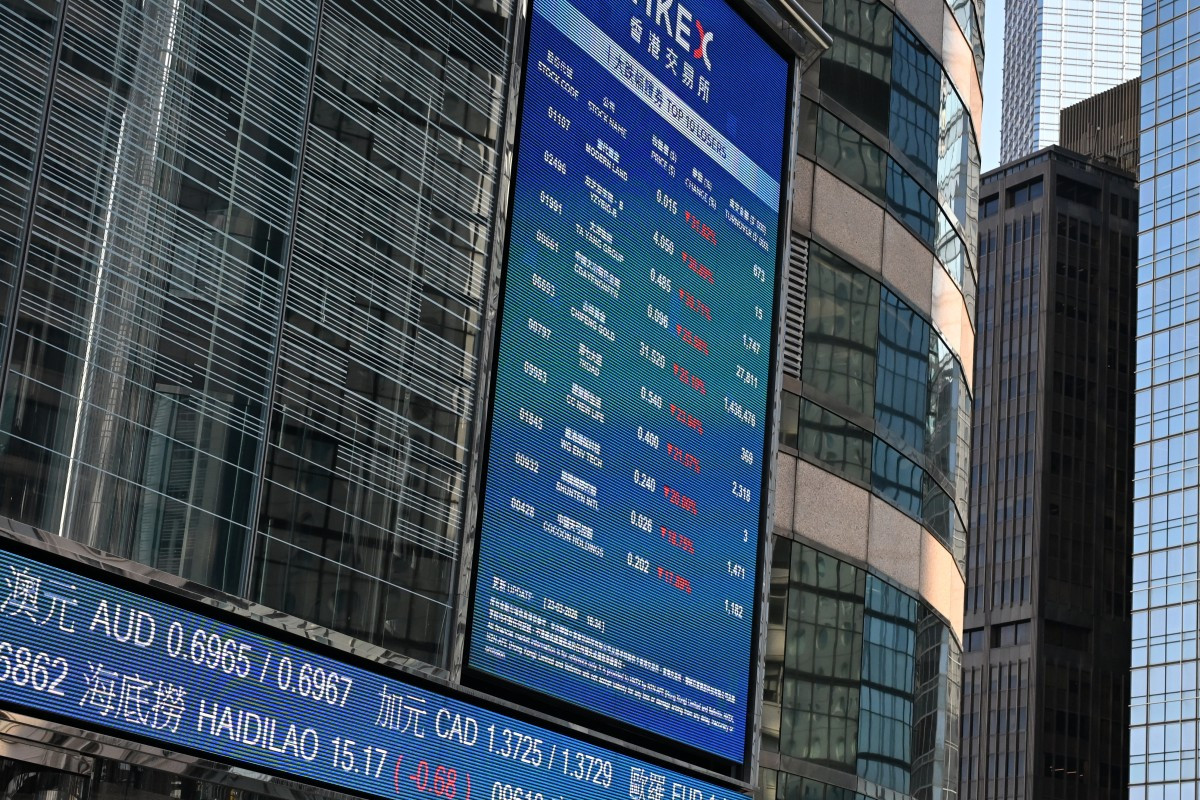
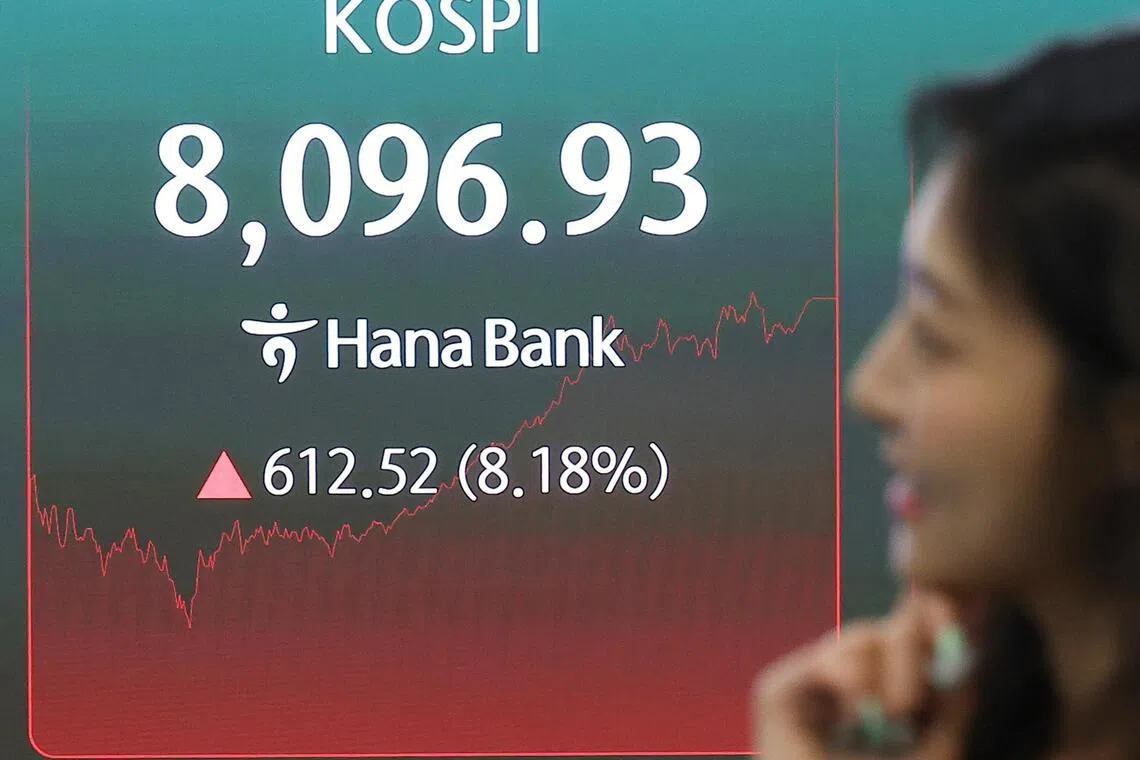
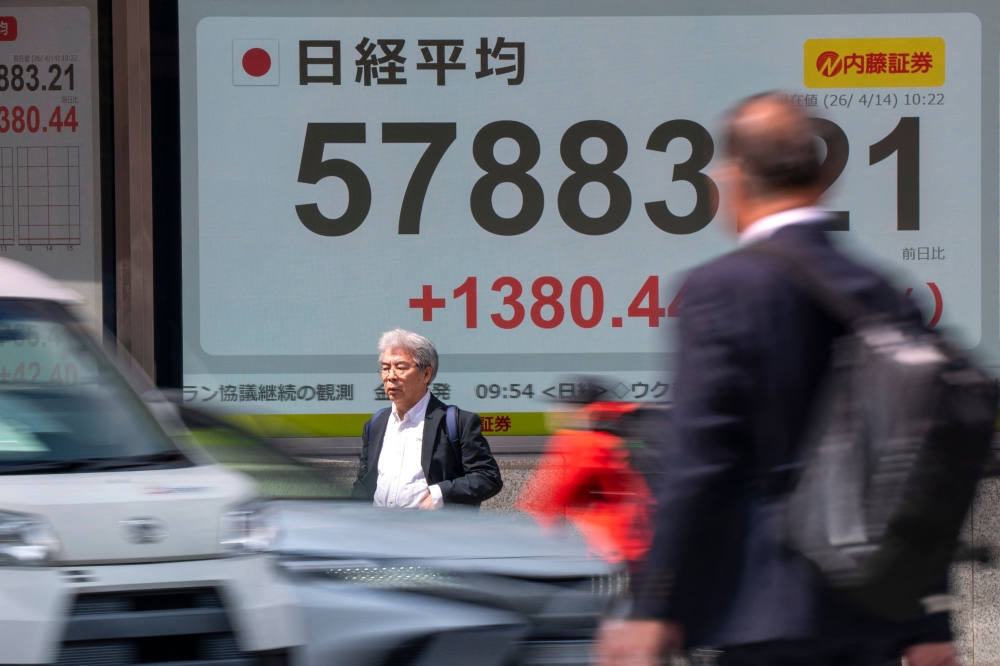
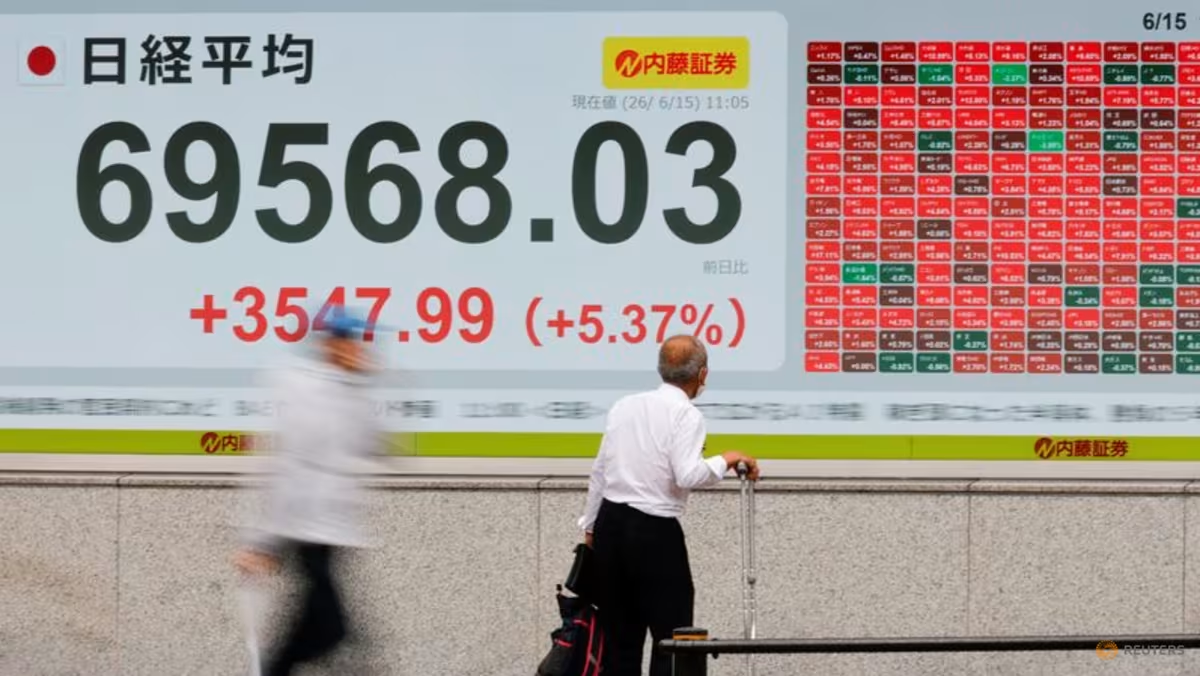
(Bloomberg) — Asian stocks wavered as investors paused to assess the durability of the relief rally fueled by the US-Iran deal to reopen the Strait of Hormuz, while awaiting rate decisions in Australia and Japan.MSCI Inc.’s gauge of regional shares was down 0.1% after climbing the most since early April on Monday. US equity futures also slipped after the S&P 500 added 1.7% and the tech-heavy Nasdaq 100 rallied 3.1%. Brent crude edged higher to trade around $83.20 a barrel following the biggest drop in more than two weeks.The Reserve Bank of Australia is expected to keep its key interest rate unchanged for the first time this year amid signs the economy is beginning to soften, while the Bank of Japan is widely seen raising the benchmark rate to the highest level since 1995. The decisions begin a packed week for global central banks, with the Federal Reserve also set to announce a policy verdict on Wednesday.“Markets will take time to settle, Hormuz flows will take time to normalize, and inventories will need to be replenished,” ANZ Bank economists including Matthew Galt wrote in a note. “We therefore see few immediate implications for central banks’ reaction functions. At the margin, a deal, if successful, may reduce pressure to tighten policy, but developments over the coming months will be closely monitored.”US President Donald Trump and Vice President JD Vance signed an electronic copy of a memorandum of understanding with Iran, a senior US official said in a call with reporters. Hormuz “is already partially opened,” and “it’ll be completely opened” Friday, Trump said during a meeting with French President Emmanuel Macron.Global stocks and bonds climbed on Monday as the US-Iran deal spurred a decline in oil prices and raised hopes that the war that has jolted markets since the end of February may be close to an end. Investors continue to monitor developments in the Middle East, seeking clarity on how the planned reopening of the waterway —which carried about a fifth of all oil supply before the war — is progressing.“The easy part of the rally has already happened,” said Charu Chanana, chief investment strategist at Saxo Markets in Singapore. “The US–Iran peace framework allowed investors to quickly price out some oil and inflation risk, but the next leg needs confirmation — not just on whether the ceasefire holds, but whether oil flows through Hormuz can actually normalize smoothly.”An index of global equities edged lower on Tuesday after rallying more than 1% in each of the last three sessions. The dollar and 10-year Treasuries held steady.Economists expect the Fed to keep its benchmark rate in a range of 3.5% to 3.75% as it meets under new Chairman Kevin Warsh for the first time. Swaps traders are pricing in less than an 80% chance of a quarter-point hike by December.Meanwhile, the Bank of England and Swiss National Bank are widely anticipated to stand pat this week. Their decisions come after the European Central Bank last week raised rates for the first time in almost three years, with President Christine Lagarde warning inflation triggered by the Iran war is widening beyond just energy.“We expect the BOJ to hike rates and the RBA to keep rates on hold, but the key for markets will be tone of the press conference for both,” said Michael Wan, senior currency analyst at MUFG Bank Ltd. “Markets seem to be trying to trade towards mean reversion with the announcement of the US-Iran deal, even as uncertainty remains around the details of the negotiations and the path around reopening.”Meanwhile, data on Tuesday showed China’s consumer spending contracted for the first time since the pandemic while investment deteriorated, exposing risks still facing the economy even as it benefits from booming exports and a deescalation in tensions around Iran. The nation’s home prices also fell at a quicker pace in May.Some of the main moves in markets:StocksS&P 500 futures fell 0.2% as of 11:13 a.m. Tokyo time Japan’s Topix fell 0.3% Australia’s S&P/ASX 200 fell 0.5% Hong Kong’s Hang Seng fell 1.2% The Shanghai Composite was little changed Euro Stoxx 50 futures fell 0.1% CurrenciesThe Bloomberg Dollar Spot Index was little changed The euro was little changed at $1.1586 The Japanese yen was little changed at 160.18 per dollar The offshore yuan was little changed at 6.7616 per dollar CryptocurrenciesBitcoin fell 0.6% to $66,069.45 Ether fell 1.7% to $1,784.39 BondsThe yield on 10-year Treasuries was little changed at 4.47% Japan’s 10-year yield advanced 3.5 basis points to 2.610% Australia’s 10-year yield advanced three basis points to 4.84% CommoditiesWest Texas Intermediate crude was little changed Spot gold was little changed This story was produced with the assistance of Bloomberg Automation.–With assistance from Rob Verdonck, Matthew Burgess, Ruth Carson and Bing Hong Lok.©2026 Bloomberg L.P.