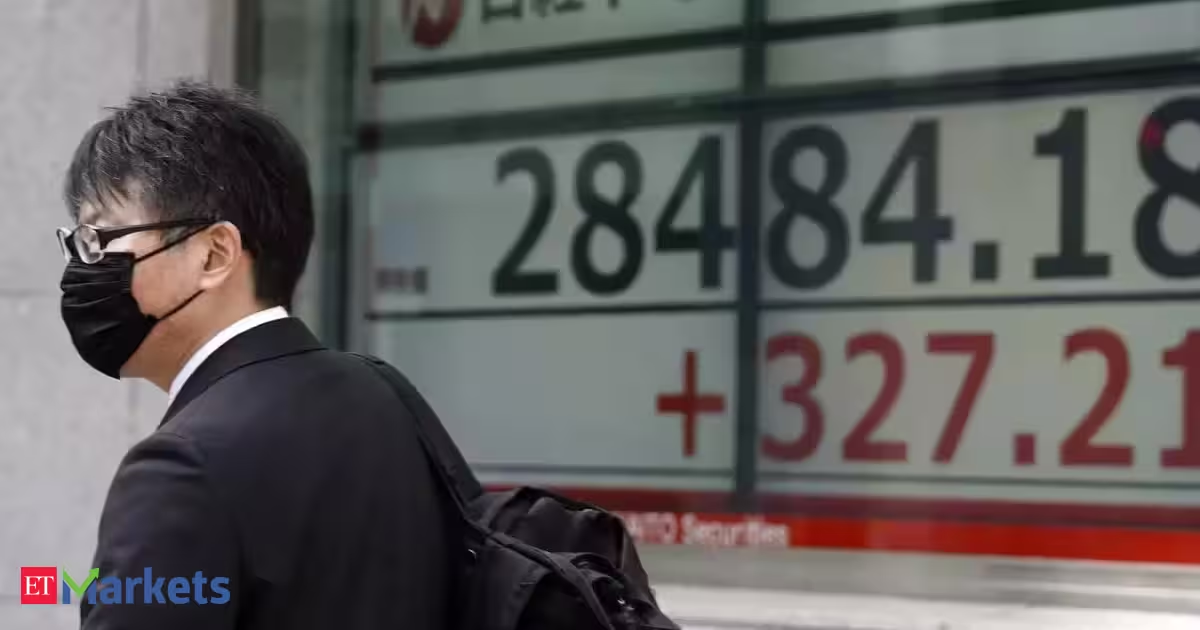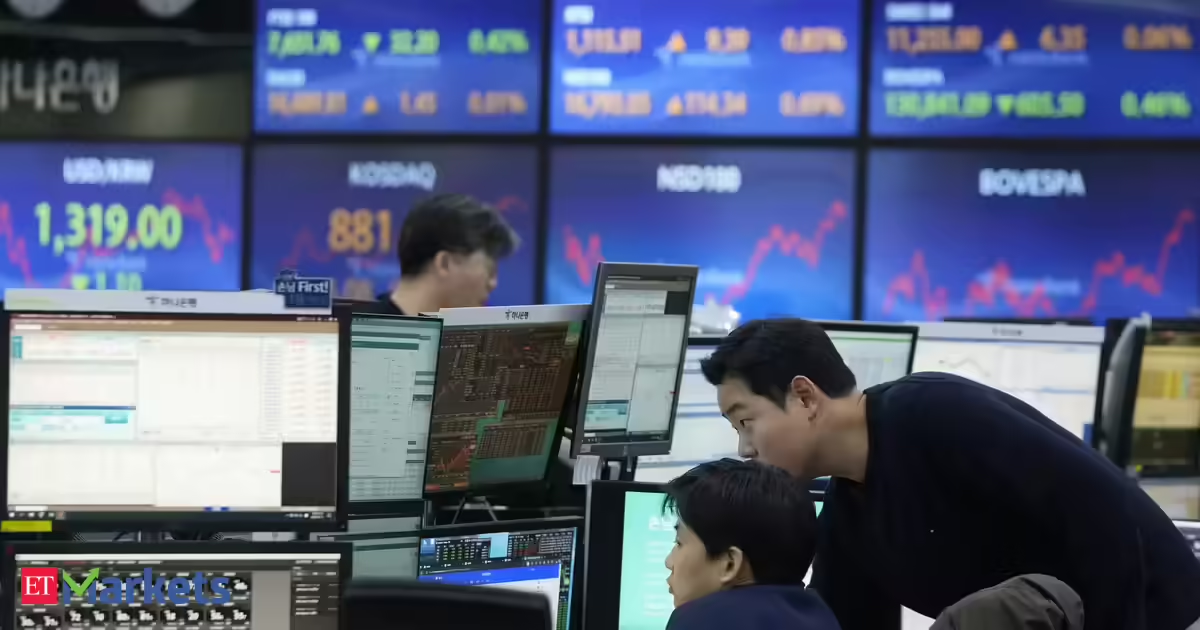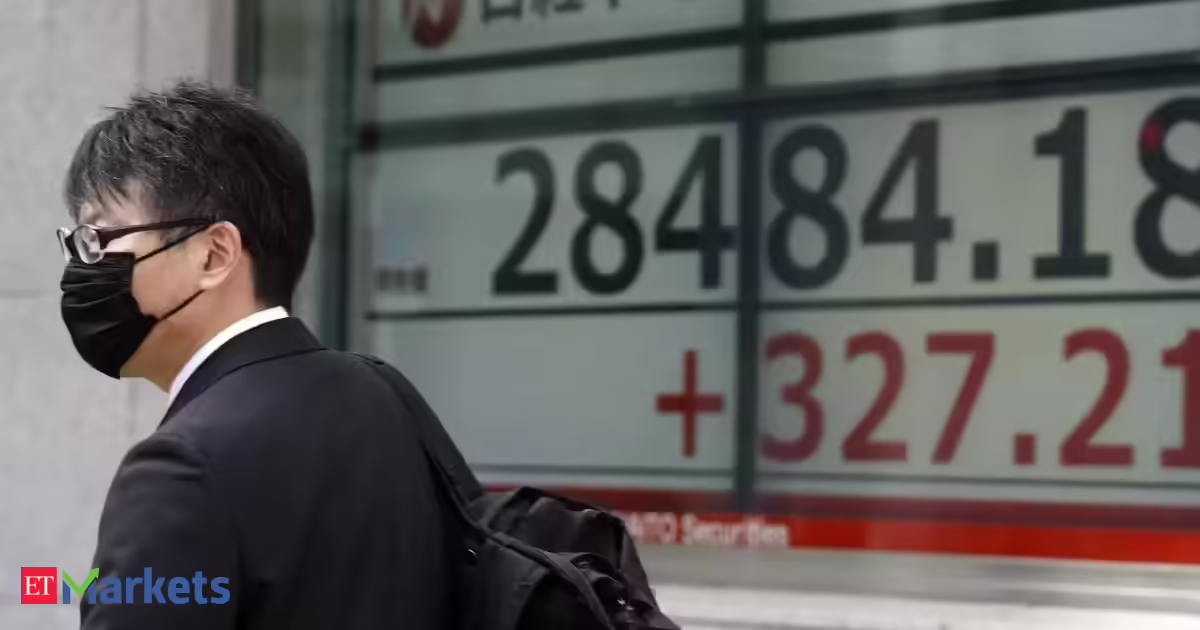
Stocks in Asia climbed to a record high as optimism that the reopening of the Strait of Hormuz will restore oil flows and curb inflation pressures buoyed risk appetite.The MSCI Asia Pacific Index rose 0.1%, heading for a sixth day of gains. The Kospi jumped more than 2.5%. US equity futures edged lower after the S&P 500 climbed 1.1% and the Nasdaq 100 gained 2.5% Thursday. A gauge of chip stocks surged more than 6% to an all-time high, led by Intel Corp., after President Donald Trump said the company would work with Apple Inc. to design and manufacture semiconductors in the US.Markets in the US, China, Hong Kong and Taiwan are shut for holidays on Friday.Brent fell toward $79 a barrel. Prices have tumbled by more than 9% this week as the US-Iran interim peace deal saw shipping through the Strait of Hormuz start to return to normal, easing the global crude market’s biggest ever supply shock. Attention now shifts to talks over Tehran’s nuclear program and the durability of the ceasefire.“The progress toward releasing oil supply from the Persian Gulf has supported equity prices,” said Ian Lyngen at BMO Capital Markets. “Lower energy costs have also eased forward inflationary concerns and led to meaningful declines in longer-dated Treasury yields.”Earlier Thursday, Trump posted on Truth Social that “oil is flowing.” US Vice President JD Vance downplayed concerns Iran could eventually impose tolls on traffic through the vital energy waterway.Two-year Treasury yields steadied at around 4.18% on Thursday, after hitting the highest in over a year Wednesday when traders ramped up bets on future interest-rate hikes following after the Federal Reserve’s hawkish hold.Meanwhile, 30-year US notes rallied in a sign the market believes inflation will be contained over the longer term, with yields declining three basis points to 4.9%. There is no cash trading in Treasuries during Asian hours due to the US holiday.Should lower energy costs continue to filter through to inflation data, policymakers may ultimately find sufficient justification to keep rates unchanged for an extended period rather than hiking, according to Fawad Razaqzada at Forex.com.“My view remains that inflation should moderate gradually over the coming months, and this might allow the Fed to maintain current policy settings rather than implement fresh tightening,” he said.Meantime, the Bank of England held rates at 3.75%, saying the recent drop in oil prices was “encouraging,” even as two of the nine policymakers voted for an immediate quarter-point hike over concerns of persistent inflation.
Global Market Today: Asian stocks hit record highs, oil heads for weekly loss
Asian stocks reached a record high, fueled by optimism that the reopening of the Strait of Hormuz will normalize oil flows and ease inflation. This development, coupled with positive semiconductor news, boosted investor confidence. Lower energy costs are also easing concerns about future interest rate hikes.
411 words~2 min read