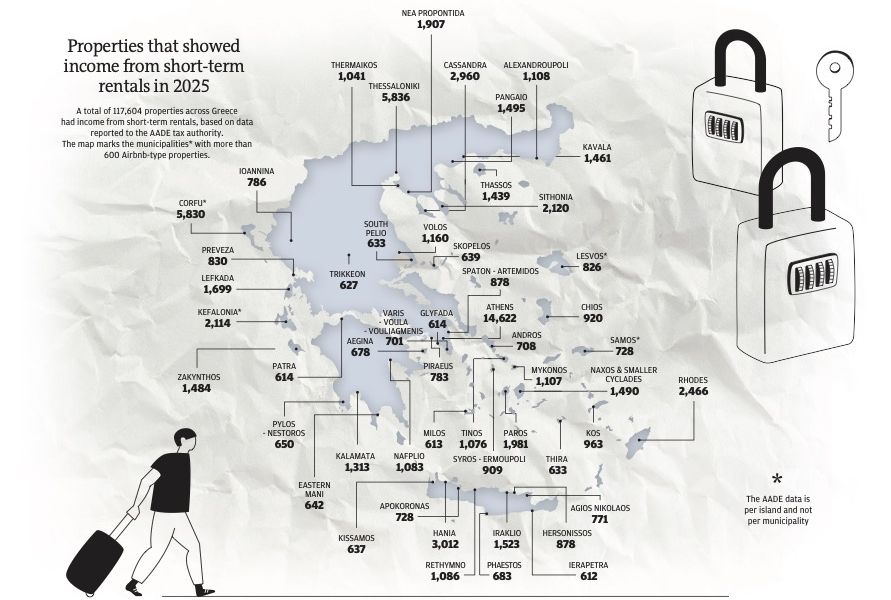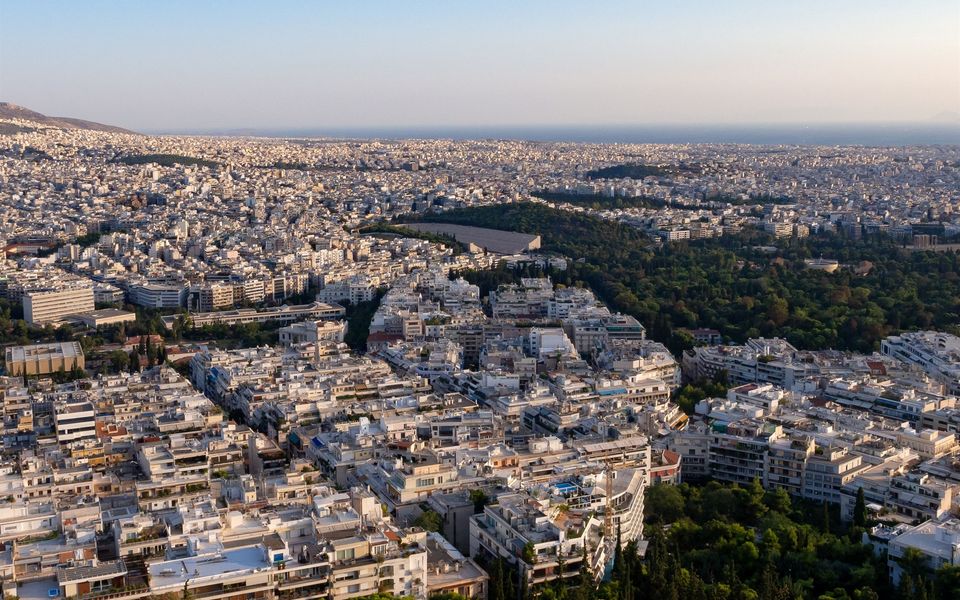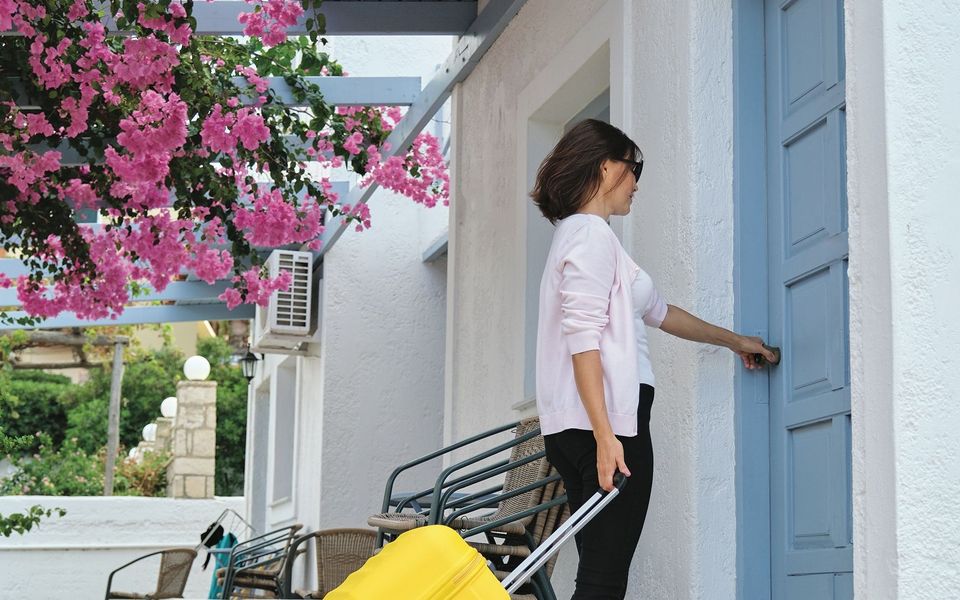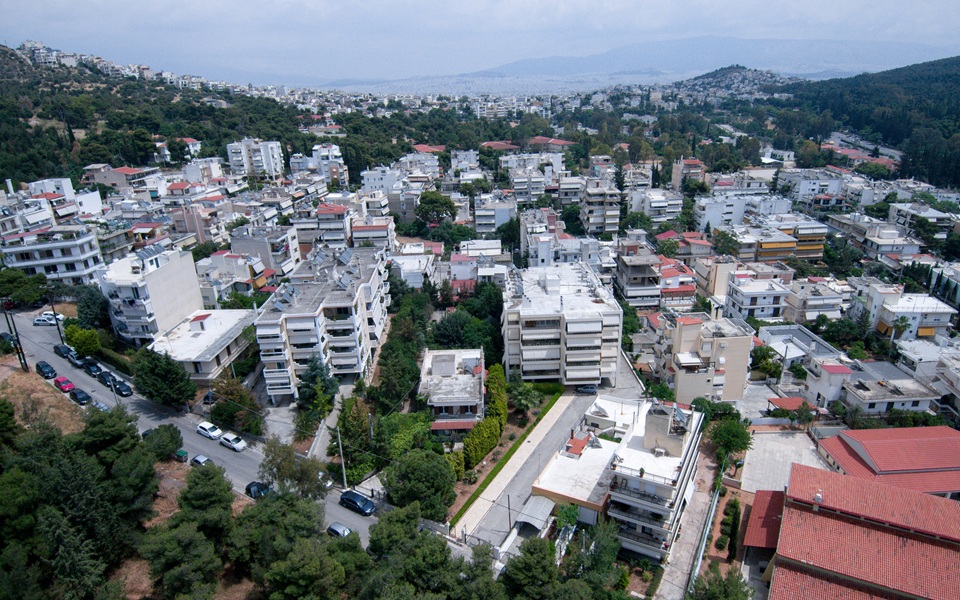
Bookings for short-term rental accommodation in Greece’s island regions for July, August and September are currently down by 30% compared with last year, according to Andreas Chiou, President of the Hellenic Association of Property Managers, speaking to Naftemporiki.In contrast, Athens and Thessaloniki are recording a clear upward trend this year. The short-term rental market is also growing in Halkidiki, while Kavala and the broader coastal areas of Eastern Macedonia are showing even stronger growth. The Peloponnese is also performing very well, according to official data.However, in the islands — including the Cyclades, Dodecanese, Crete and the Ionian Islands — demand is weaker than expected. Chiou attributed the slowdown to geopolitical uncertainty linked to the Middle East conflict, as well as a significant increase in airline ticket costs, which is making European travellers more hesitant. As a result, bookings for the summer season are currently down by around 30% compared with last year, when occupancy rates in these destinations had exceeded 90%.By contrast, Halkidiki is benefiting from overland tourist flows from the Balkans and Central Europe, while Eastern Macedonia — particularly Kavala and the coastal zone, as well as Thassos — is recording strong growth, alongside an increase in available Airbnb-type properties and rising international demand.The Peloponnese, as well as the coastal areas of Magnesia and Pelion, are also performing strongly, driven largely by domestic tourism and an expansion in short-term rental supply.Athens – ThessalonikiThessaloniki is growing by at least 10%–15% this year, according to Chiou, with occupancy rates reaching 60%–70% and an upward trend. The city has now established itself as a short-break destination.Athens is also recording growth of over 20%, with occupancy rates exceeding 80% even during the winter period and surpassing 90% in the summer season.At the same time, Thessaloniki is seeing a rising number of short-term rental properties in areas such as Kalamaria and the eastern part of the city, driven by new residential developments and investment properties targeting short-term leasing. This trend is attributed both to restrictions imposed on central districts and to major projects such as the 4th-generation technology park “ThessINTEC”.Overall, Chiou expressed hope that the sector could match last year’s performance nationwide, although he noted that this outcome now appears challenging.
Short-term rental market shifts: Islands down, cities up
In contrast, Athens and Thessaloniki are recording a clear upward trend this year. The short-term rental market is also growing in Halkidiki, while Kavala and
399 words~2 min read