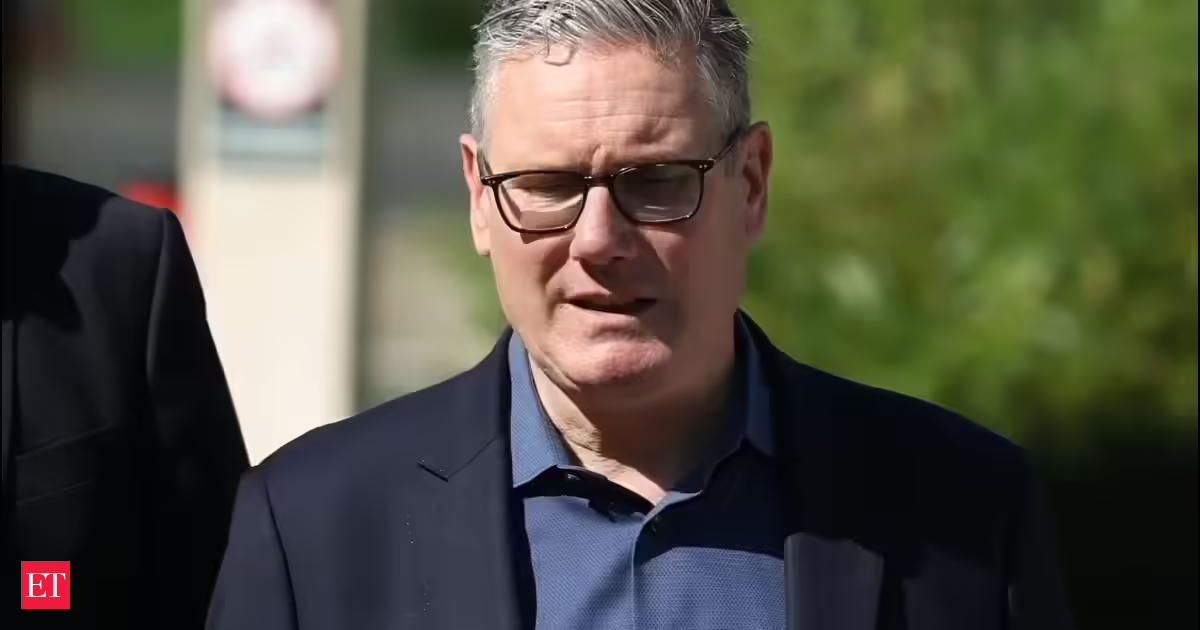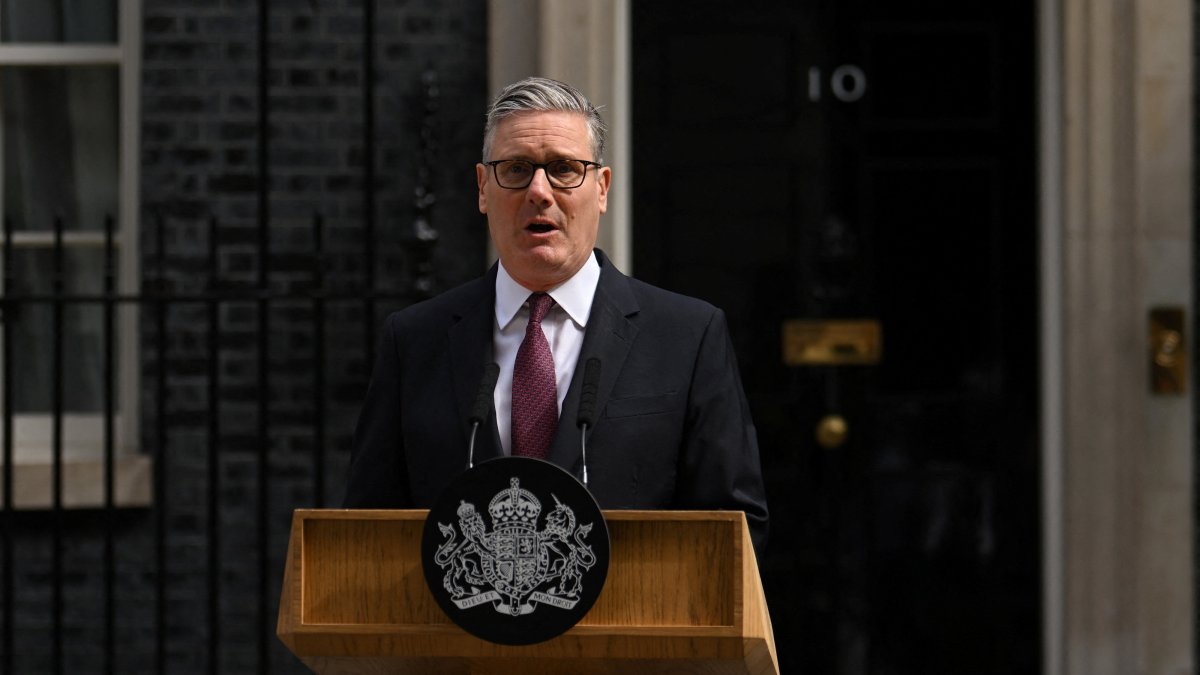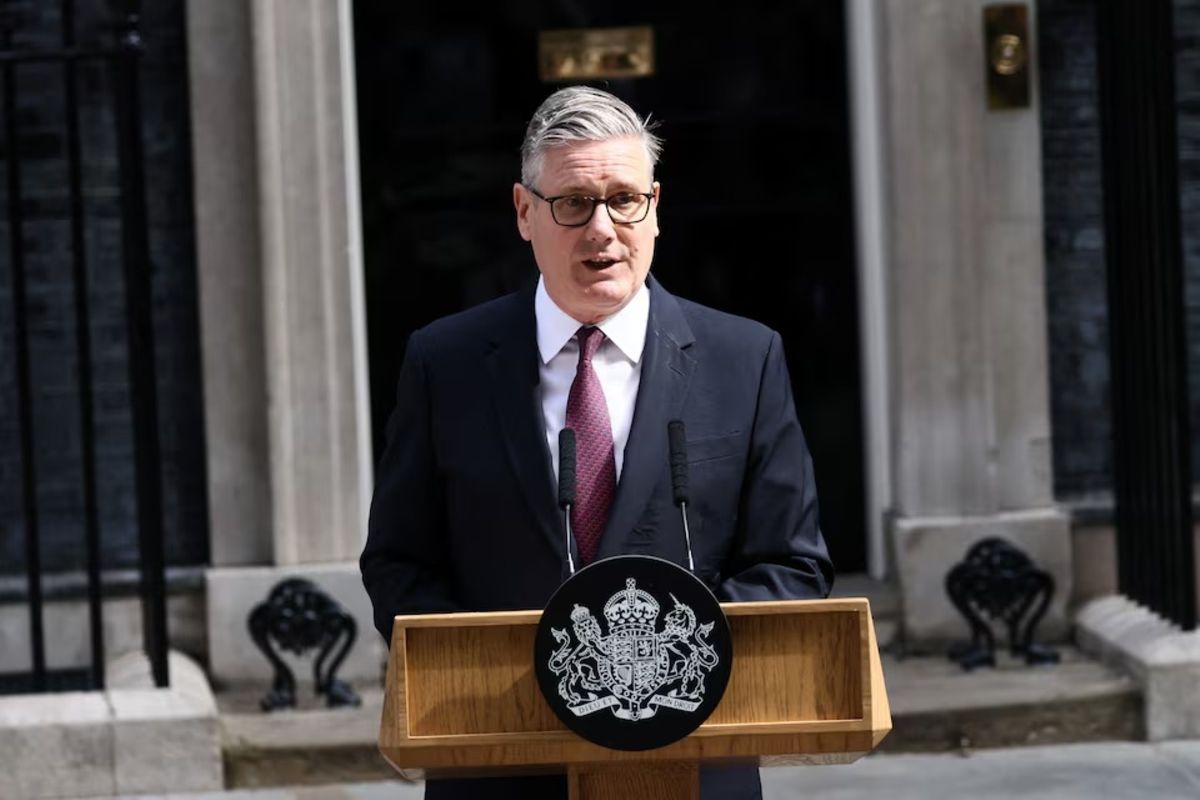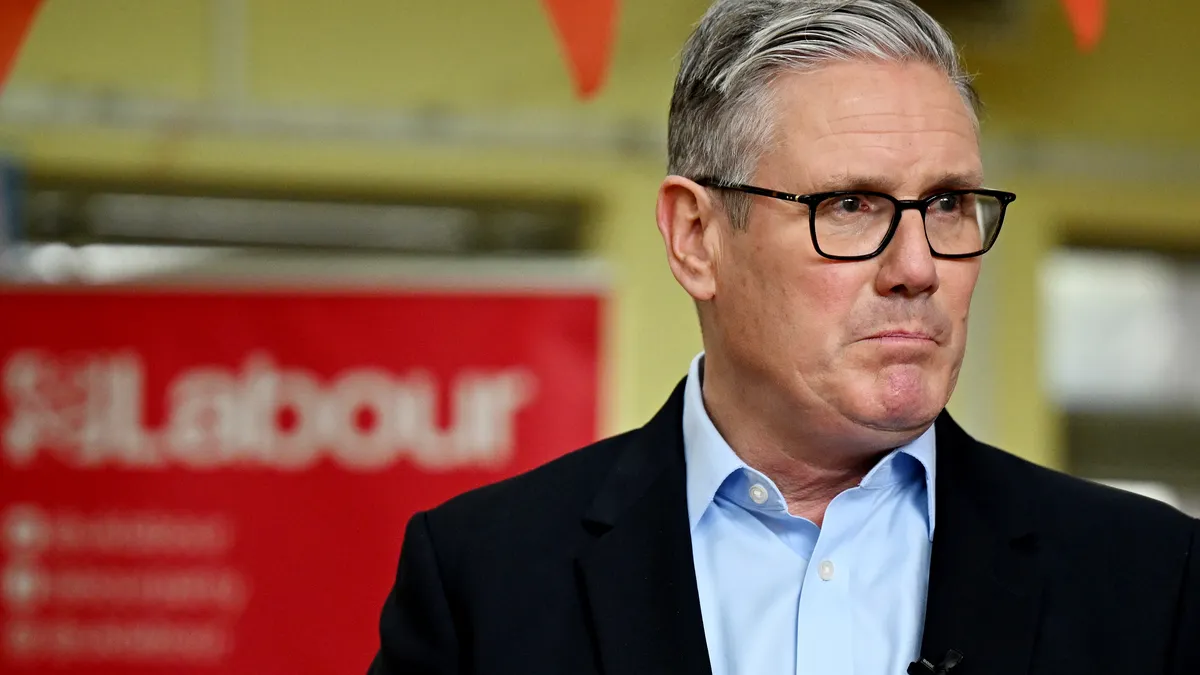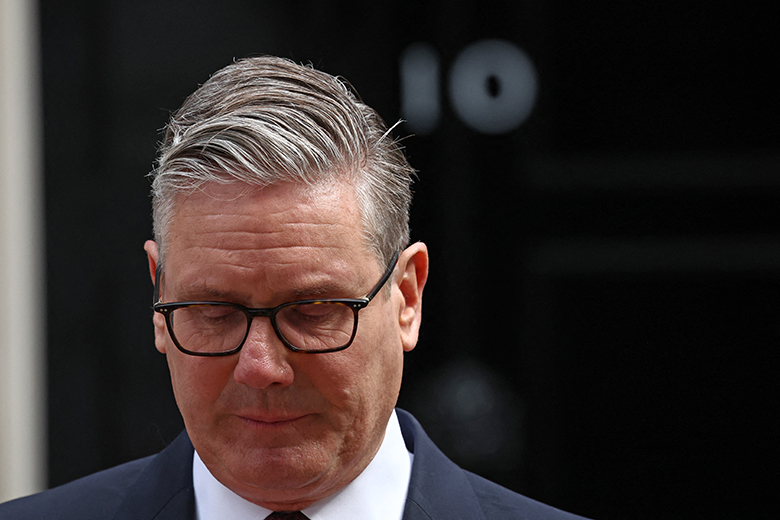
The departure of Keir Starmer is unlikely to bring much change for cash-strapped universities, with commentators suggesting the prime minister’s legacy will be marked by a lack of ambition for the higher education sector, despite his government’s bold rhetoric.
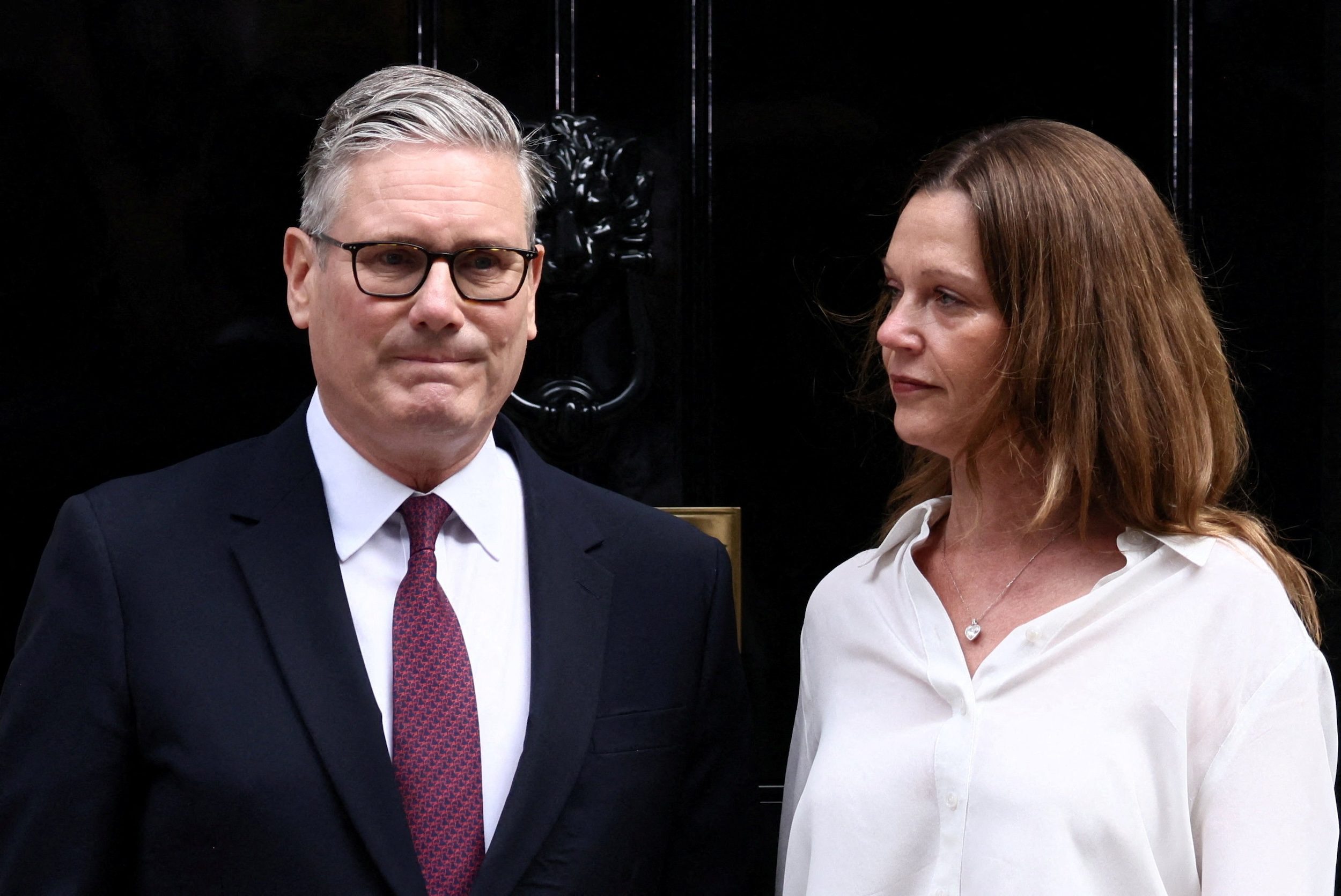
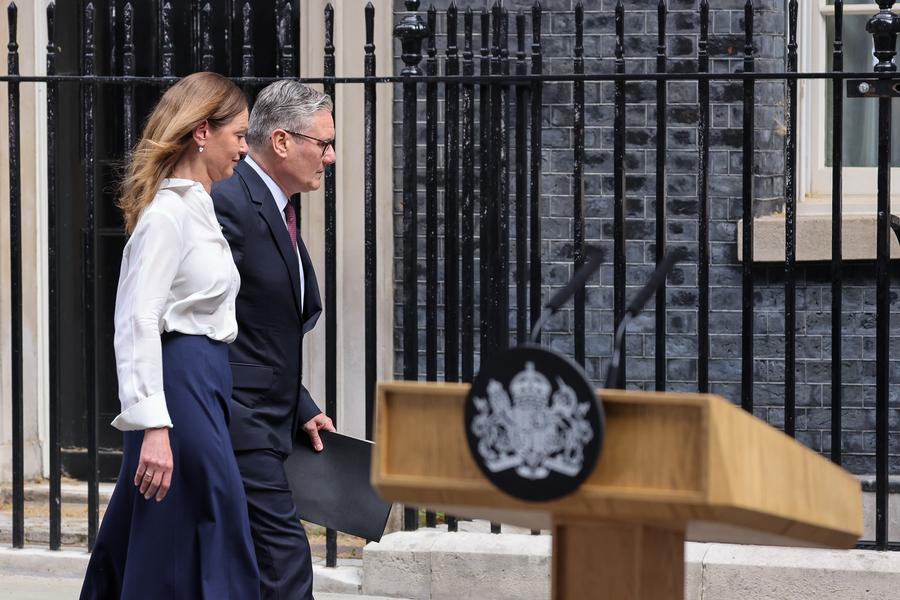
The UK prime minister announced his resignation on 22 June, laying the groundwork for a leadership contest that will see a new leader in place by September. Former Manchester mayor Andy Burnham is the current frontrunner, with ex-health secretary Wes Streeting having formally stepped aside.
Prior to his electoral victory in 2024, Starmer promised to create a “secure future” for the UK’s higher education sector as financial problems mounted.
But two years on, his government is widely seen as having prioritised other areas, including vocational education and youth unemployment, leaving universities to fend for themselves while adding to the sector’s financial problems through increases in national insurance, the creation of a new international student levy and cuts to direct funding for teaching.
“In many ways, for a Labour government whose base is incredibly graduate heavy and a lot of whose MPs represent university seats, it’s sort of almost the antithesis of what you’d expect them to do,” said Jonathan Simons, head of education at Public First, noting this was perhaps due to the party’s strategy of chasing non-graduate, right-wing-leaning voters.