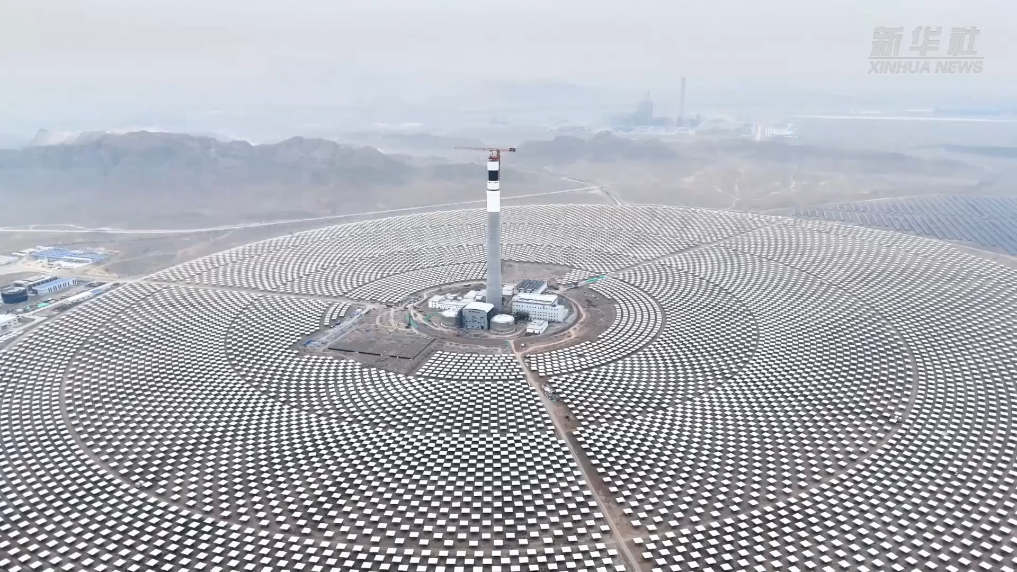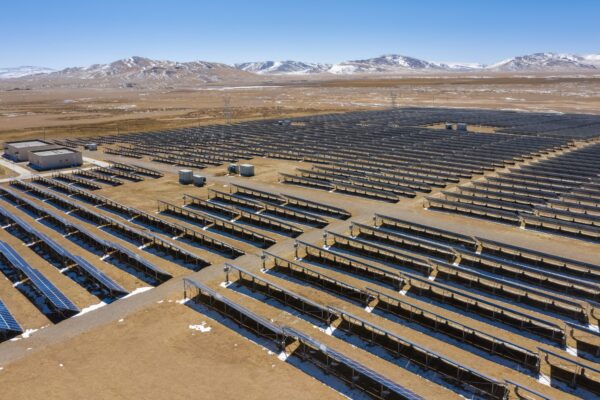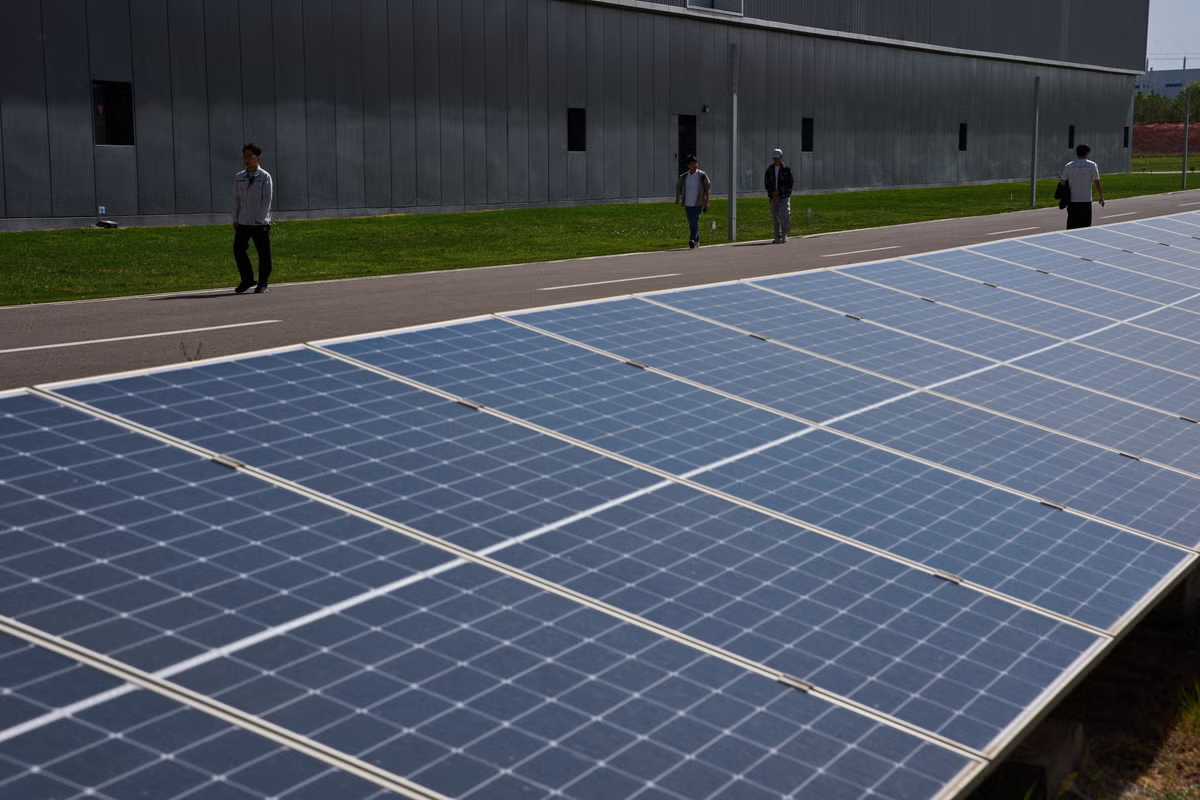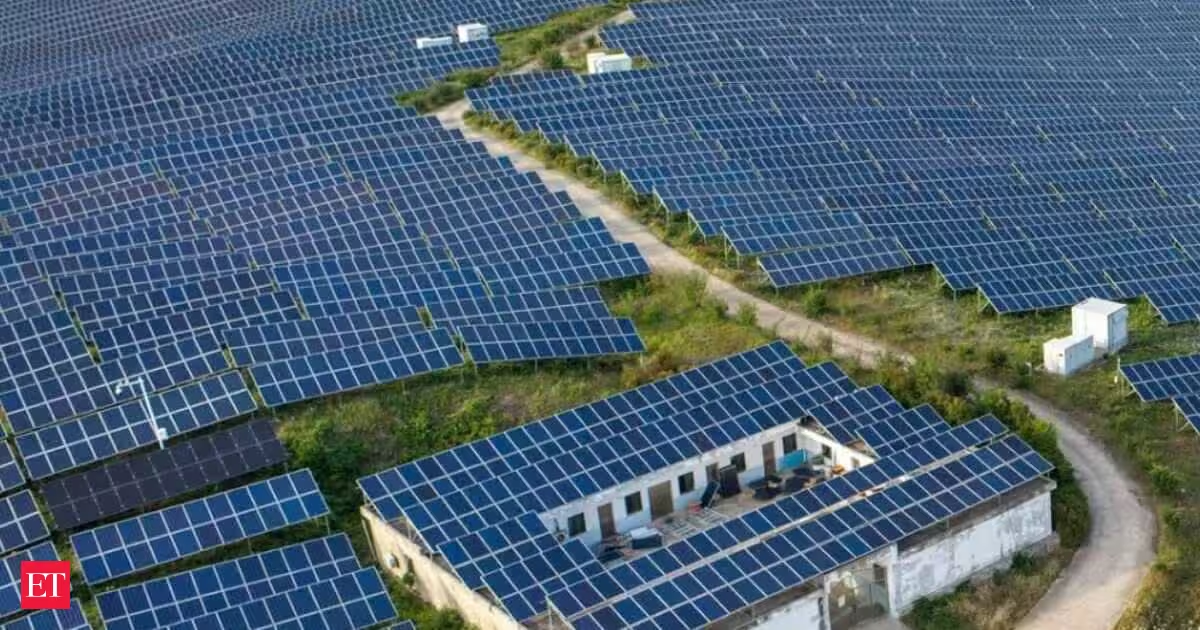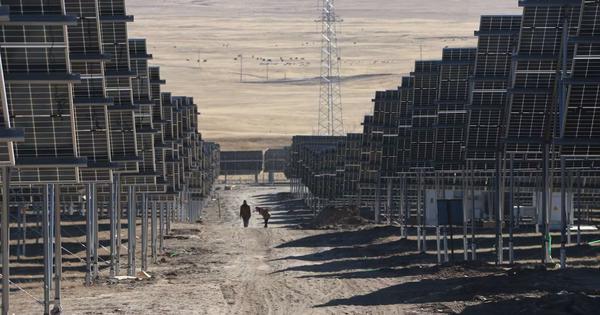
China is building some of the world’s largest solar farms on the Tibetan Plateau, where nomadic people have grazed herds of animals for millennia.It’s not the first time Tibetan regions have become a major source of renewable energy in China. Since the mid-1990s, many Tibetan communities have lived alongside hydropower stations.Now, with vast open landscapes and high elevations that provide ideal conditions for harnessing solar and wind energy, many pastoral lands have become key sites for large-scale renewable energy projects.As part of my ethnographic research, I spoke to number of people in this area, offering a rare look at how large-scale energy development is affecting nomadic communities.
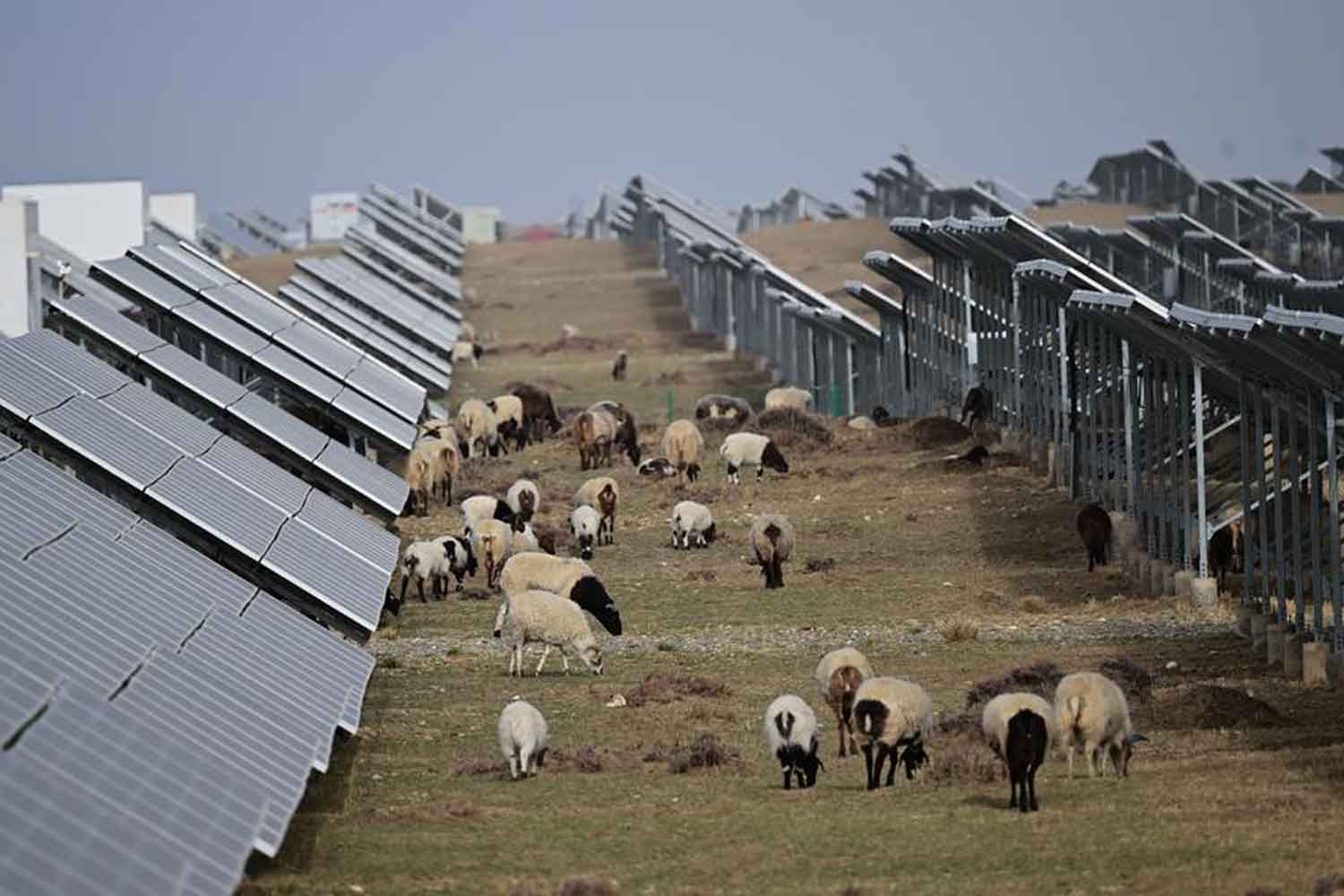
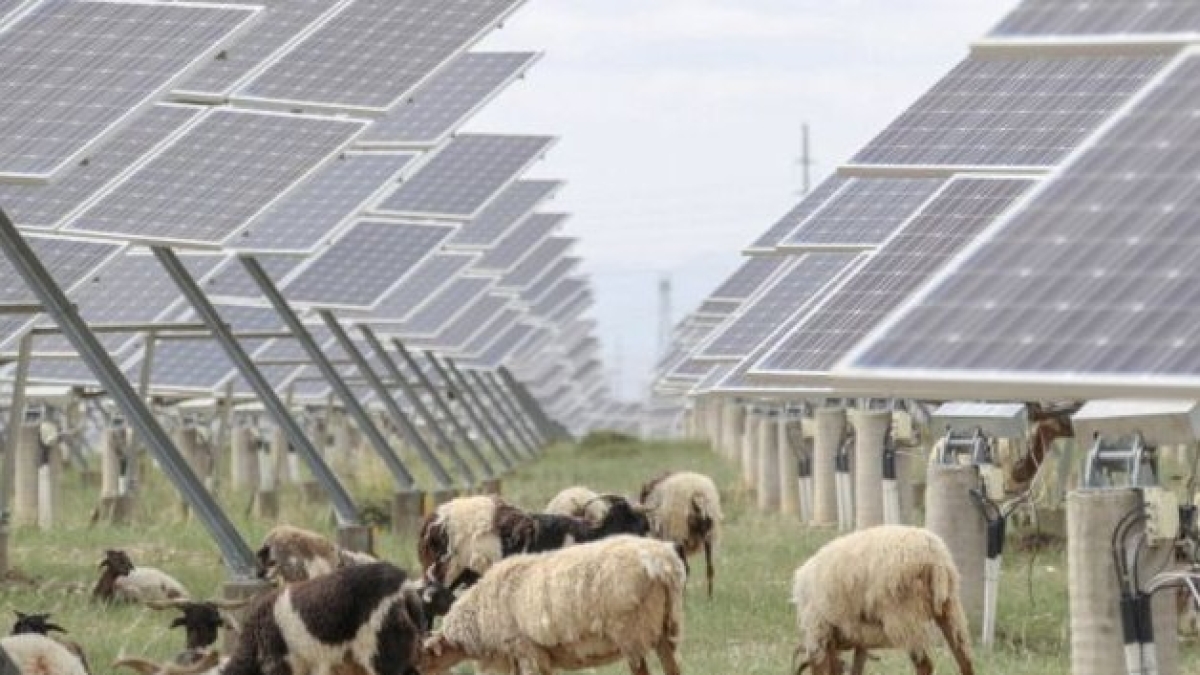
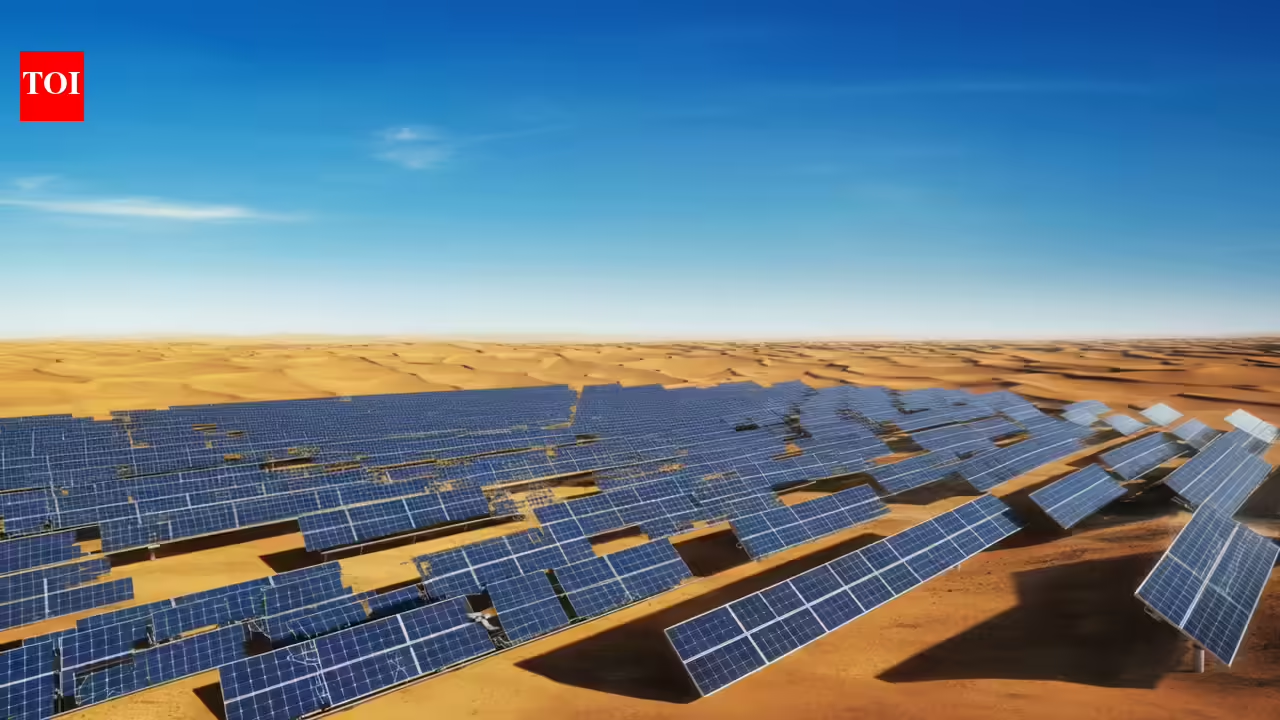
Yaks graze underneath the panels of a solar farm. Credit: Sanggay Tashi, CC BY-ND, via The Conversation.Herding yaks on solar farmsI spent time in a nomadic community located about 161 km southeast of Xining city, the capital of Qinghai province.Beginning in 2017 and accelerating more recently, regional subsidiaries of energy companies such as PowerChina have built three solar panel power plants – enough to generate about 1 gigawatt of power – and a dozen wind turbines on the area’s open grasslands.Sandy, desert-type land is well known to be suitable for solar and wind farms. Yet the grasslands and many other pastoral areas turned into solar farms are not sandy deserts. They are productive grazing land where Tibetans have herded yaks and sheep for generations.Parts of what was once open fine alpine grassland, which Tibetans call pangtang where herders moved freely and gazed across the boundless horizon, are now covered by dense rows of solar panels. It remains unclear how these sites comply with China’s grassland conservation regulations. Other solar projects elsewhere in China have reportedly been investigated for environmental violations.Walking through the sites feels like moving through a dense forest of iron pillars rising into the air. “It is easy to get lost in this jungle of solar panels,” Tsering, a local observer, told me as we walked between long rows of panels on a windy winter day in 2023.That day, I also met Dolma, a local Dokpa, or nomad, herding yaks under solar panels. As we talked, she told me the solar farm had changed the experience of herding. She said, “I am used to herding on open grassland. So, herding under these glass panels feels like something is wrapping around my head. It feels very depressing.”The topsoil and grasses are disturbed by the construction of the posts and digging for underground cables. Credit: Sanggay Tashi, CC BY-ND, via The Conversation.Individual and collective tensionsThese energy projects in nomadic communities are presented as part of of national efforts to modernize rural areas, bring capital to local communities and promote renewable energy development as part of China’s clean energy and carbon reduction agenda.But their implementation brings tensions and contradictions in the communities where they are located.Based on my conversations with more than 20 people in the community, some view them as good economic opportunities and are envious of those whose grazing lands were selected for lease. Others oppose them, saying they “open the gate” for outsiders to appropriate local land for short-term financial gain by a few.As more outsiders move in and the landscape changes with these energy projects, the overall concern that I observed from talking to different people is that the land that generations have lived on and protected may not retain the same sense of home in the future.Tsering, who guided me through the solar farms, is very critical of those who agreed to lease land to solar farms, saying, “I may sound pretentious, but these days people are like grass growing on a wall – easily swayed by the slightest breeze of money.”Since the 1950s, all land in China has been either government-owned or collectively owned; private land ownership is not allowed. Individuals may hold fixed-term “land-use rights” that can be transferred, sold or leased. In the 2000s, the government allocated land to individual families in nomadic areas of Qinghai and granted them 50-year “grassland use certificates."This enables the locals to raise livestock on the land and lease it to others. Most certificates are set to expire in 2050.Some holders of grassland use certificates have leased their land to energy farms. In the area I studied, those leases typically are for around 25 years, to align with the remaining term of local grassland use rights. What will happen when these land use rights expire remains unknown.