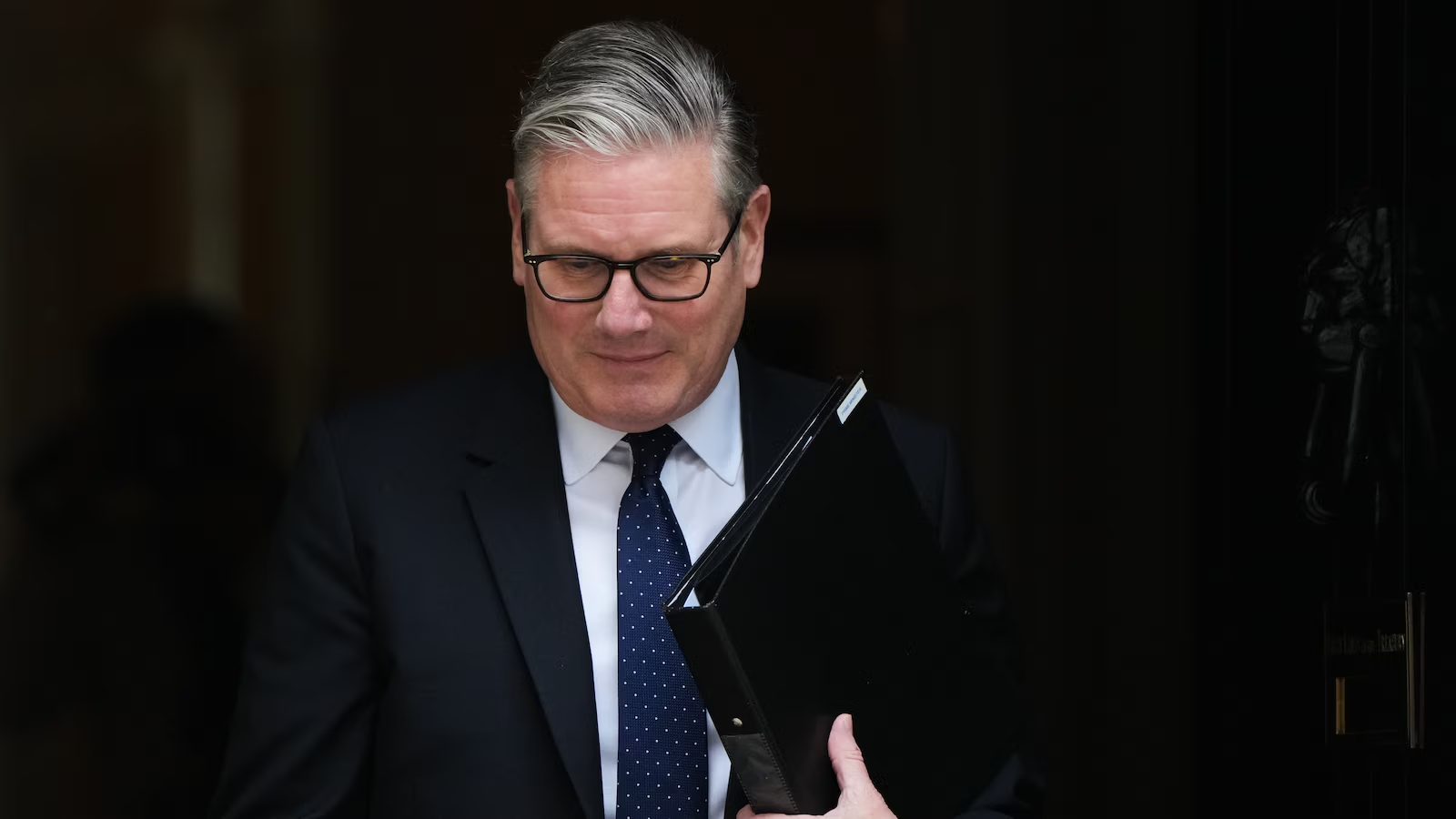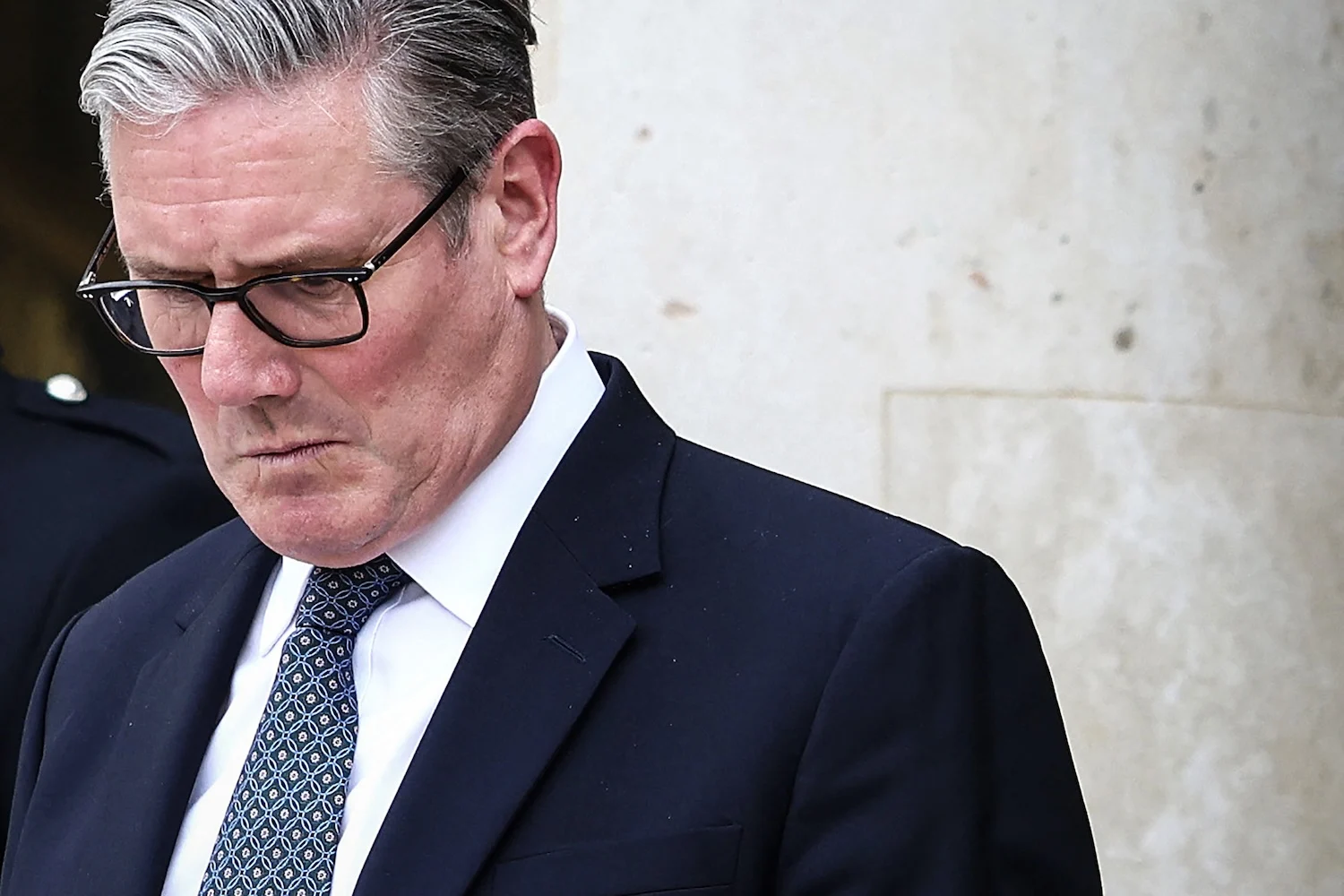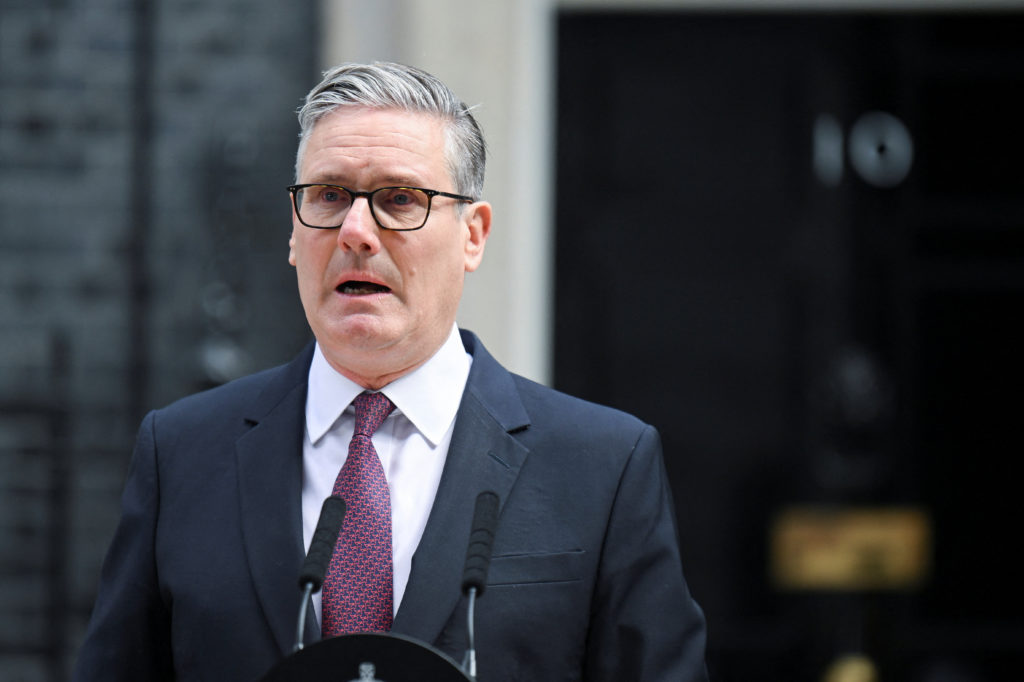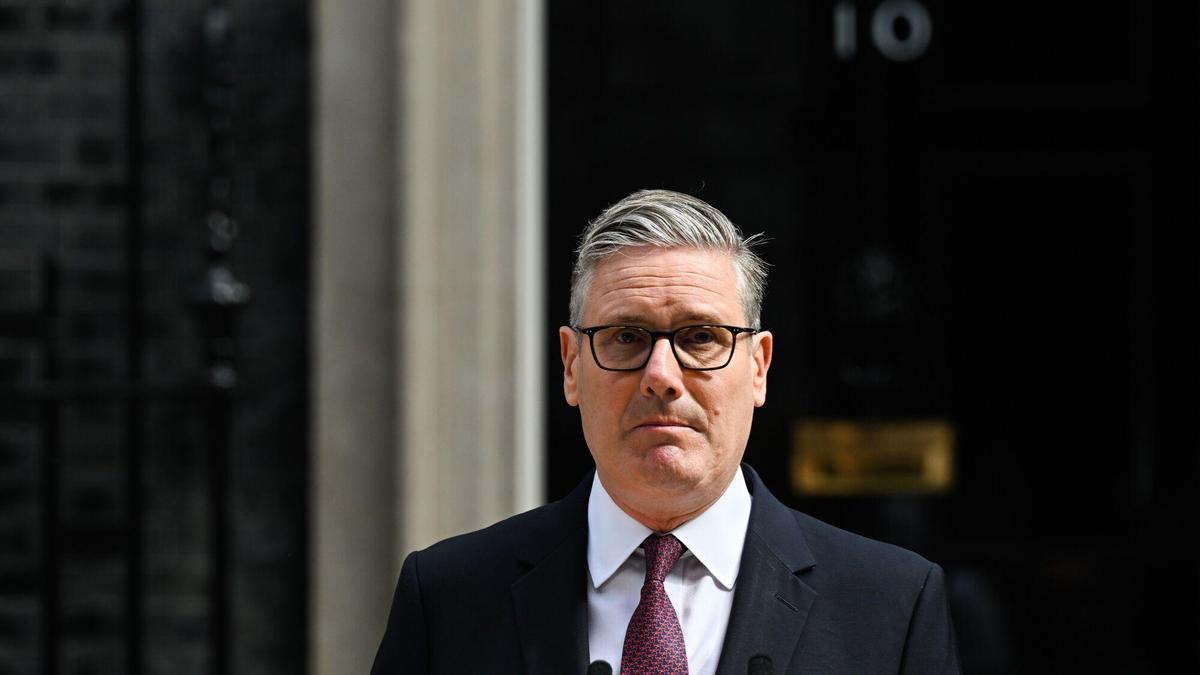
Skip to Content News Archives Economy Energy Oil & Gas Renewables Electric Vehicles Mining Commodities Agriculture Real Estate Mortgages Mortgage Rates Finance Banking Insurance Fintech Cryptocurrency Work Wealth Smart Money Wealth Management Investor Personal Finance Family Finance Retirement Taxes High Net Worth FP Comment Executive Women Puzzmo Newsletters Financial Times Business Essentials More Innovation Information Technology FP500 Podcasts Small Business Lives Told Tails Told Shopping Financial Post Store Obituaries Place a Notice Advertising Advertising With Us Advertising Solutions Postmedia Ad Manager Sponsorship Requests Classifieds Place a Classifieds ad Working Profile Settings My Subscriptions Saved Articles My Offers Newsletters Customer Service FAQ News Economy Energy Mining Real Estate Finance Work Wealth Investor FP Comment Executive Women Puzzmo Newsletters Financial Times Business Essentials HomeFinancial TimesHow Keir Starmer was undone by caution and no clear planLabour in 'last chance saloon' as party's shortest-serving prime minister announces resignationAuthor of the article:Last updated 1 hour ago You can save this article by registering for free here. Or sign-in if you have an account.Keir Starmer liked to say he was restoring credibility in a single term, but even supporters were unsure what his Labour Party would do with power. Photo by Dan Kitwood/Getty ImagesSir Keir Starmer was never a politician by career or instinct. Psychological distance from Westminster enabled his rise to the United Kingdom’s highest office, but it also exposed the flaws that have forced him from the job after less than two years.Subscribe now to read the latest news in your city and across Canada.Exclusive articles from Barbara Shecter, Joe O'Connor, Gabriel Friedman, and others.Daily content from Financial Times, the world's leading global business publication.Unlimited online access to read articles from Financial Post, National Post and 15 news sites across Canada with one account.National Post ePaper, an electronic replica of the print edition to view on any device, share and comment on.Daily puzzles, including the New York Times Crossword.Subscribe now to read the latest news in your city and across Canada.Exclusive articles from Barbara Shecter, Joe O'Connor, Gabriel Friedman and others.Daily content from Financial Times, the world's leading global business publication.Unlimited online access to read articles from Financial Post, National Post and 15 news sites across Canada with one account.National Post ePaper, an electronic replica of the print edition to view on any device, share and comment on.Daily puzzles, including the New York Times Crossword.Create an account or sign in to continue with your reading experience.Access articles from across Canada with one account.Share your thoughts and join the conversation in the comments.Enjoy additional articles per month.Get email updates from your favourite authors.Create an account or sign in to continue with your reading experience.Access articles from across Canada with one accountShare your thoughts and join the conversation in the commentsEnjoy additional articles per monthGet email updates from your favourite authorsSign In or Create an AccountorVoters, chief executives, investors and overseas leaders had hoped his premiership would be a break from 14 tumultuous years of Conservative rule. Instead, it may be remembered for prolonging the instability.Starmer had been a successful human rights lawyer, serving as the top prosecutor in England and Wales before he entered parliament in 2015, at the age of 52. This background, as an experienced administrator, was part of his pitch to the public.Get the latest headlines, breaking news and columns.By signing up you consent to receive the above newsletter from Postmedia Network Inc.A welcome email is on its way. If you don't see it, please check your junk folder.The next issue of Top Stories will soon be in your inbox.We encountered an issue signing you up. Please try againAfter years of Tory infighting and Brexit chaos, Starmer cast his Labour Party as the reassuring grown-ups capable of restoring competence to Whitehall. In his first Downing Street speech on July 5 2024, he pledged a politics that would “tread more lightly on [people’s] lives”. To resign so soon after a landslide election victory, and become the shortest-serving of Labour’s seven prime ministers, is to fail resoundingly on that promise.His popularity, quickly damaged by a row over donations of clothes and event tickets, never recovered from an early decision to cut winter-fuel payments to pensioners.It was hit further by voter frustration over immigration, public services and the economy, and a scandal over the appointment of Lord Peter Mandelson as U.K. ambassador to Washington.Critics hold that, despite the array of “milestones”, “missions” and “foundations”, Starmer hastened his downfall by never setting out a clear, compelling agenda for his government.Ben Ansell, professor of politics at Oxford university, said Starmer’s undoing was “first and foremost a failure of leadership” and a product of avoiding “the big gambles” in areas from tax to immigration and social care.“You don’t have to be Zohran Mamdani,” added Ansell, referring to the charismatic New York mayor who swept to power last year. “Energetic leaders of the centre-left [around the world] all have very different politics, but you have to be able to communicate a vision and why you’re doing it. Starmer could not do that.”His defenders say Starmer was the victim of a daunting web of problems that few leaders would have been able to solve: two decades of stagnating living standards and stretched public services combined with tax and debt burdens that left little room to fix them, set against the backdrop of a more volatile world and an increasingly impatient electorate. Now it will fall to his successor — almost certainly Andy Burnham — to persuade the country that Labour has a plan.Starmer hailed from a working-class background — even he joked about how often he mentioned his father’s work as a toolmaker — but came to be seen as the epitome of the middle-class north London left.Leftwingers, though, did not see Starmer as one of their own. They resented his tough language on immigration, and saw the man who had once defended two activists against McDonald’s as insufficiently committed to progressive ideals. By this year, many leftwing urbanites were voting for the Green Party instead.After winning the safe Labour seat of Holborn and St Pancras in 2015, Starmer endeared himself to the party’s Europhile base as Brexit spokesperson by opposing various Conservative proposals on leaving the bloc.In a faction-ridden Labour, stung by Jeremy Corbyn’s swing to the left, Starmer was viewed as a “clean skin”: he never got too close to the then Labour leader or his acolytes, but he never confronted them either.This strategy helped Starmer see off rivals to become leader of the opposition in 2020 on a platform that included higher income tax, axing tuition fees and nationalizing energy and water.Within months, under the guidance of his key adviser Morgan McSweeney, Starmer junked these pledges, shifted towards more centrist policies and suspended Corbyn from the party. His largely successful efforts to tackle antisemitism in the party may end up being his most enduring achievement.Starmer liked to say he was restoring credibility in a single term, when past leaders Lord Neil Kinnock, John Smith and Sir Tony Blair had taken a decade. But even supporters were unsure what his Labour Party would do with power.In opposition, Starmer and his team “just weren’t engaging or listening”, said the head of one left-leaning think-tank. One person who advised Starmer’s team ahead of the election said: “Labour came in with the view that just changing the people at the top would solve the problem.”Starmer adopted a risk-averse, “Ming vase” strategy: trying to make it to the 2024 election without any mis-steps that would distract from the Tories’ unpopularity. Labour’s manifesto, watered down in the run-up to polling day, pledged not to raise income tax, VAT or national insurance.Once in office, however, the vase soon cracked: chancellor Rachel Reeves raised employer national insurance contributions in her first Budget.The U-turn on the tax pledge, to help address a “black hole” in the public finances, angered business. While Starmer introduced a landmark package of workers’ rights, overhauled the rental sector and pushed green energy, the tax breach, along with climbdowns over winter fuel and welfare reform, added to questions about his judgment.One person who worked under Starmer said he was driven by the difficult life of his brother Nick, who had learning disabilities, and motivated by a desire to stop people being “written off”.But Starmer entered office “without a program for government” and with “no theory of change”, the person said, describing how he came at every problem “from a blank sheet of paper”. Famously averse to introspection and chiefly interested in foreign affairs, Starmer left even those closest to him uncertain of what he wanted.Accused at first of shutting out MPs, Starmer relied on a narrow circle drawn largely from McSweeney’s Labour Together think-tank, or the days of New Labour, for lack of his own tribe. He went on to jettison a string of top civil servants and aides, including McSweeney, Baroness Sue Gray and Sir Chris Wormald, in a fruitless search to improve his standing.As well as members of his team, Starmer was reluctant to stick by policy positions if they proved unpopular, civil servants said. Even if he initially managed the “special relationship” with United States President Donald Trump well, the Mandelson appointment highlighted Starmer’s hands-off approach to decision-making.“There was absolutely no drive on delivery. He thought it was someone else’s job,” said the person who worked with Starmer.After a reprieve in February, when the leader of Scottish Labour urged him to quit, many MPs concluded Starmer’s time was up after dire results in May’s local and devolved elections.Long kept in place only by disagreement over who should replace him, Starmer found his fate was sealed when Burnham persuaded Josh Simons — the former head of Labour Together — to resign his Makerfield seat and offer the Greater Manchester mayor a route back to parliament.In weeks of suspended animation during the by-election campaign, Starmer never succeeded in persuading MPs to stick with him. The resignation of John Healey as defence secretary, in a dispute over military funding, undermined his one remaining argument about the value of stability in a volatile world.Last week, Burnham’s thumping victory in Makerfield convinced even more MPs it was time for a new prime minister with a more compelling political narrative. When members of his own cabinet began to tell Starmer they agreed, he finally realized he had reached the end of the road.With Labour struggling in opinion polls, ironically Starmer’s most pressing legacy is to force his party to have the debate about its purpose in government that should have taken place in opposition.It will do so on the precipice of a fiscal crisis, with U.K. borrowing costs rising and markets nervous about MPs’ demands for more spending, and with voters increasingly drawn to Reform UK on the right and the Greens on the left.“In many ways, we’re in the last chance saloon of centrist, liberal, mainstream politics,” said Harry Quilter-Pinner, director of the left-leaning IPPR think-tank.“Labour was elected on a promise of change. Starmer said he was the adult in the room who would rise above the fray and get things done,” he added. “There’s only so often voters will believe that before they go looking for something completely different.”© 2026 The Financial Times Ltd Join the Conversation This website uses cookies to personalize your content (including ads), and allows us to analyze our traffic. Read more about cookies here. By continuing to use our site, you agree to our Terms of Use and Privacy Policy.
How Keir Starmer was undone by caution and no clear plan
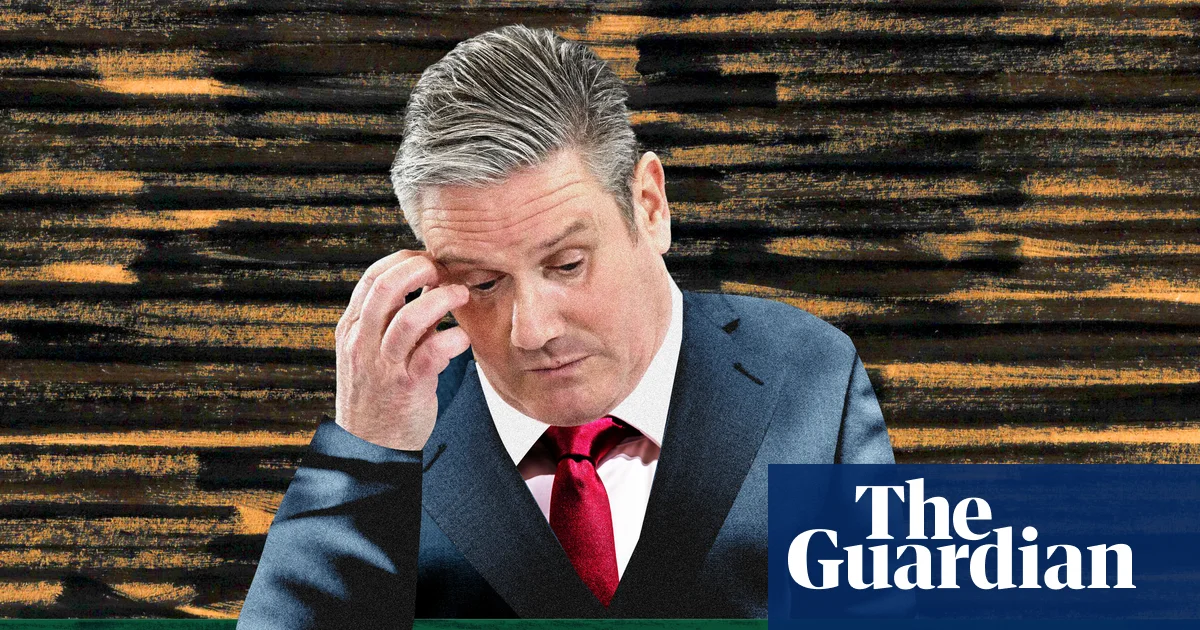
Critics hold that Keir Starmer hastened his own downfall by never setting out a clear, compelling agenda for his government. Read here now
1,902 words~9 min read