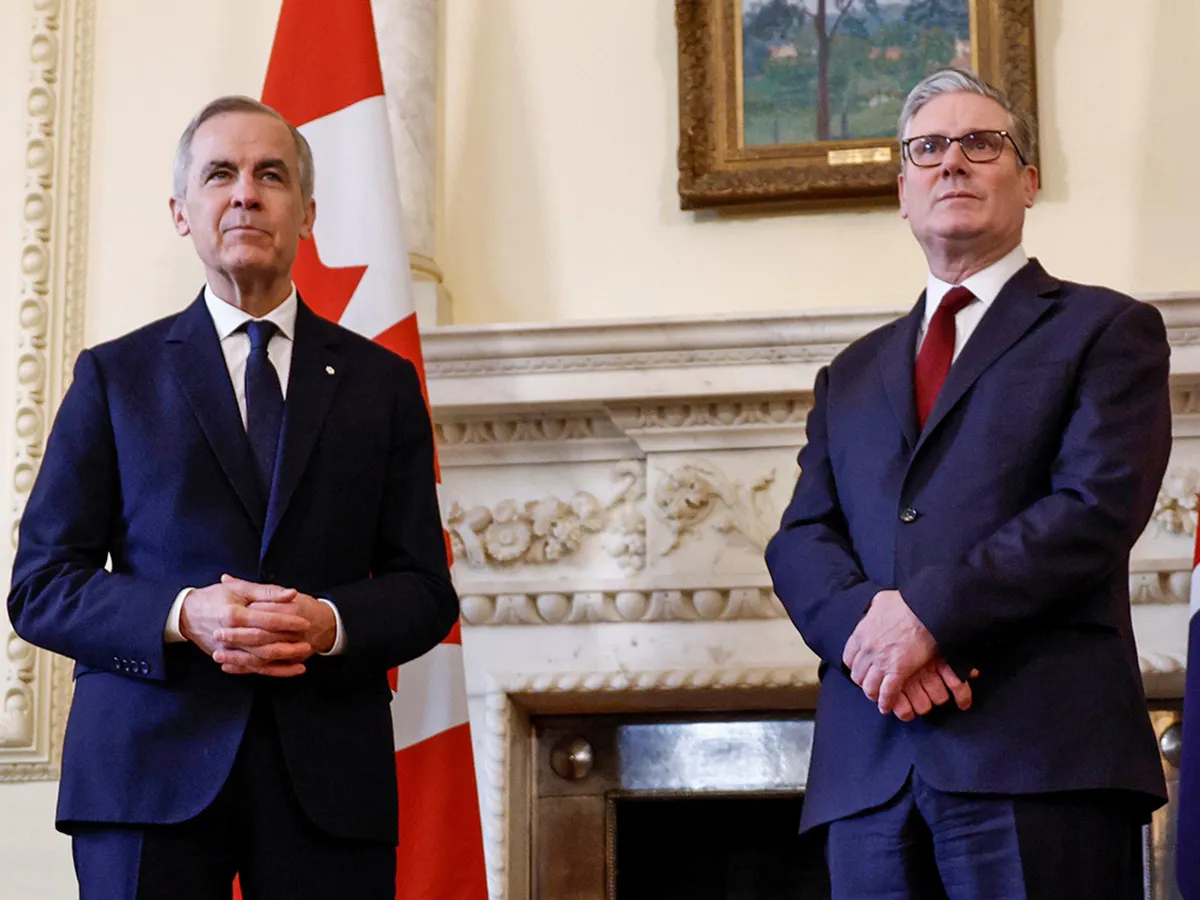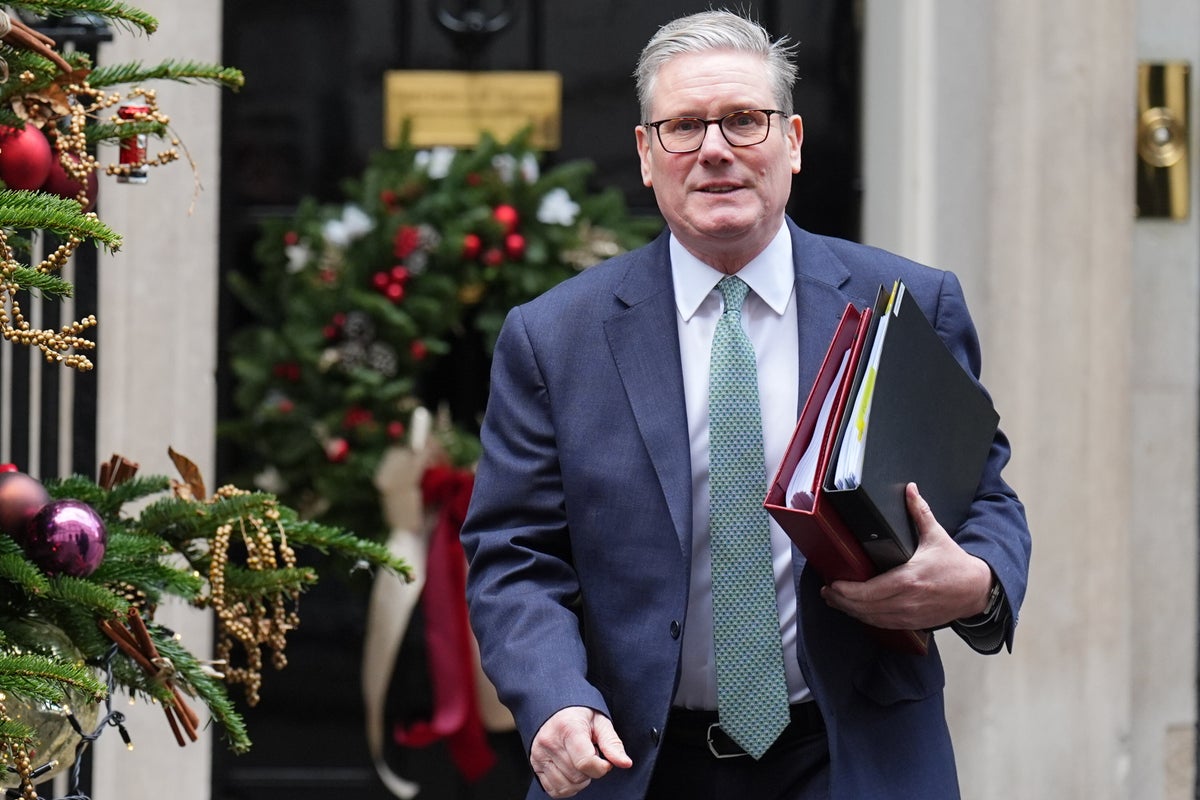
Skip to Content News Archives Economy Energy Oil & Gas Renewables Electric Vehicles Mining Commodities Agriculture Real Estate Mortgages Mortgage Rates Finance Banking Insurance Fintech Cryptocurrency Work Wealth Smart Money Wealth Management Investor Personal Finance Family Finance Retirement Taxes High Net Worth FP Comment Executive Women Puzzmo Newsletters Financial Times Business Essentials More Innovation Information Technology FP500 Podcasts Small Business Lives Told Tails Told Shopping Financial Post Store Obituaries Place a Notice Advertising Advertising With Us Advertising Solutions Postmedia Ad Manager Sponsorship Requests Classifieds Place a Classifieds ad Working Profile Settings My Subscriptions Saved Articles My Offers Newsletters Customer Service FAQ News Economy Energy Mining Real Estate Finance Work Wealth Investor FP Comment Executive Women Puzzmo Newsletters Financial Times Business Essentials HomeFP CommentWilliam Watson: PMs shouldn’t be for turning — muchKeir Starmer's reputation for policy U-turns eventually did him in. But inflexibility can be harmful, too. Mark Carney should take noteLast updated 17 minutes ago You can save this article by registering for free here. Or sign-in if you have an account.Britain's outgoing Prime Minister Keir Starmer inside 10 Downing Street in central London on June 25, 2026. Photo by Brook Mitchell/POOL/AFP via Getty ImagesIn the U.K. general election two years ago today, Sir Keir Starmer led Labour back to power with 411 out of 650 seats in the House of Commons — 63 per cent of the seats though with only 33.7 per cent of the popular vote. And now he’s done. What happened?Subscribe now to read the latest news in your city and across Canada.Exclusive articles from Barbara Shecter, Joe O'Connor, Gabriel Friedman, and others.Daily content from Financial Times, the world's leading global business publication.Unlimited online access to read articles from Financial Post, National Post and 15 news sites across Canada with one account.National Post ePaper, an electronic replica of the print edition to view on any device, share and comment on.Daily puzzles, including the New York Times Crossword.Subscribe now to read the latest news in your city and across Canada.Exclusive articles from Barbara Shecter, Joe O'Connor, Gabriel Friedman and others.Daily content from Financial Times, the world's leading global business publication.Unlimited online access to read articles from Financial Post, National Post and 15 news sites across Canada with one account.National Post ePaper, an electronic replica of the print edition to view on any device, share and comment on.Daily puzzles, including the New York Times Crossword.Create an account or sign in to continue with your reading experience.Access articles from across Canada with one account.Share your thoughts and join the conversation in the comments.Enjoy additional articles per month.Get email updates from your favourite authors.Create an account or sign in to continue with your reading experience.Access articles from across Canada with one accountShare your thoughts and join the conversation in the commentsEnjoy additional articles per monthGet email updates from your favourite authorsSign In or Create an AccountorOne theory is that he managed his parliamentary caucus poorly. Some Labour MPs say he didn’t know their name — though with more than 400 of them, who can blame him? If he met each of his MPs for five minutes every month, that’s almost three working days gone right there. And he still has Donald Trump and Putin and Carney and all the rest to deal with.I follow British politics, mainly for entertainment, through the conservative lenses of the Telegraph and Spectator. The impression I get is that Starmer’s problem was way too many U-turns. Love her or hate her, Margaret Thatcher remains the most consequential British prime minister of the past half-century. One of the phrases she’s best known for was from her speech to the Conservative Party conference of 1980, during a difficult patch in her first year as prime minister: “To those waiting with bated breath for that favourite media catchphrase, the ‘U’ turn, I have only one thing to say, ‘You turn if you want to. The lady’s not for turning.” The speech got a six-minute ovation.Get the latest headlines, breaking news and columns.By signing up you consent to receive the above newsletter from Postmedia Network Inc.A welcome email is on its way. If you don't see it, please check your junk folder.The next issue of Top Stories will soon be in your inbox.We encountered an issue signing you up. Please try againToday’s U.K. Conservative Party has a webpage dedicated to Keir Starmer’s 25 supposed U-turns. That number’s probably high. Google AI, trawling from the journalistic seabed no doubt, says only 14. But several high-profile reversals early on gave Starmer a reputation for being turned far too easily. (A professional spinner being turned too much is a dizzying image, no?)He and his Chancellor of The Exchequer, Rachel Reeves, began by income-testing winter fuel supplements for pensioners, giving them only to the poorest. Makes sense policy-wise but it didn’t go over well with pensioners and lefty MPs so Starmer and Reeves eventually relented. Same thing for capping full child benefits at the second child. And for very modest cuts to welfare payments. When parts of the Labour caucus rebelled, Starmer caved. A drawback of party politics is that measures that would likely win big majorities in a free vote of all MPs are hostage to influential minorities in the governing party’s caucus, who don’t let them go to a vote. (See also: U.S. House of Representatives.)A little turning here or there is not such a bad thing. It may even create an impression of reasonableness. As Keynes supposedly asked: “When the facts change, I change my mind. What do you do, sir?” Margaret Thatcher did some turning herself, most importantly perhaps in her first confrontation with the miners, though her initial tactical withdrawal allowed her to build up the coal stocks that helped her prevail second time round in a long, bitter strike that effectively broke the unions’ control of Britain’s labour market.But Starmer-style turning and turning — “like a circle in a spiral, like a wheel within a wheel” — makes it look as if No. 10 Downing Street were on a large Lazy Susan. It suggests a PM who never knows the facts or doesn’t think through the political implications of what he’s proposing or won’t fight for his convictions or doesn’t have convictions to begin with — all charges that have been laid against Starmer in the past few weeks.On the other hand, never turning can be a mistake, too. Margaret Thatcher refused to compromise on her “community charge” for local taxation and it helped drive the caucus coup that eventually turfed her.Readers will know I’m no fan of Donald Trump. If he wasn’t prepared to defeat Iran and force regime change, he probably shouldn’t have attacked in the first place. But, having attacked, he is turning away from all-out war — on the grounds, he says, that he doesn’t want to be Herbert Hoover and start a world depression with high oil prices. He could equally have said Lyndon Johnson, who got the U.S. into the land war in Asia that Dwight Eisenhower, supreme commander of D-Day, always warned against. Trump clearly, and to his credit, is very reluctant to do that.People who opposed the war in the first place now object to his turning away from it. Is he being inconsistent or are they?U-turns were absolutely crucial to Mark Carney’s becoming prime minister — though they were U-turns from his predecessor’s unpopular policies. For now, Carney’s reputation is that he doesn’t do U-turns on his own policies — though piles of money for developers holding un-sellable condo inventories put that in jeopardy.The night he was elected, Carney spoke about humility, a trait he hasn’t had much on display since. Will he wear it well when time does come to U-turn on something important? And will that cause him to listen to his advisers and critics more than he is said to? He may want to ask his friend Keir Starmer about all that. Join the Conversation This website uses cookies to personalize your content (including ads), and allows us to analyze our traffic. Read more about cookies here. By continuing to use our site, you agree to our Terms of Use and Privacy Policy.
William Watson: PMs shouldn’t be for turning — much
Keir Starmer's reputation for policy U-turns eventually did him in. But inflexibility can be harmful, too. Carney should take note. Read on
1,358 words~6 min read