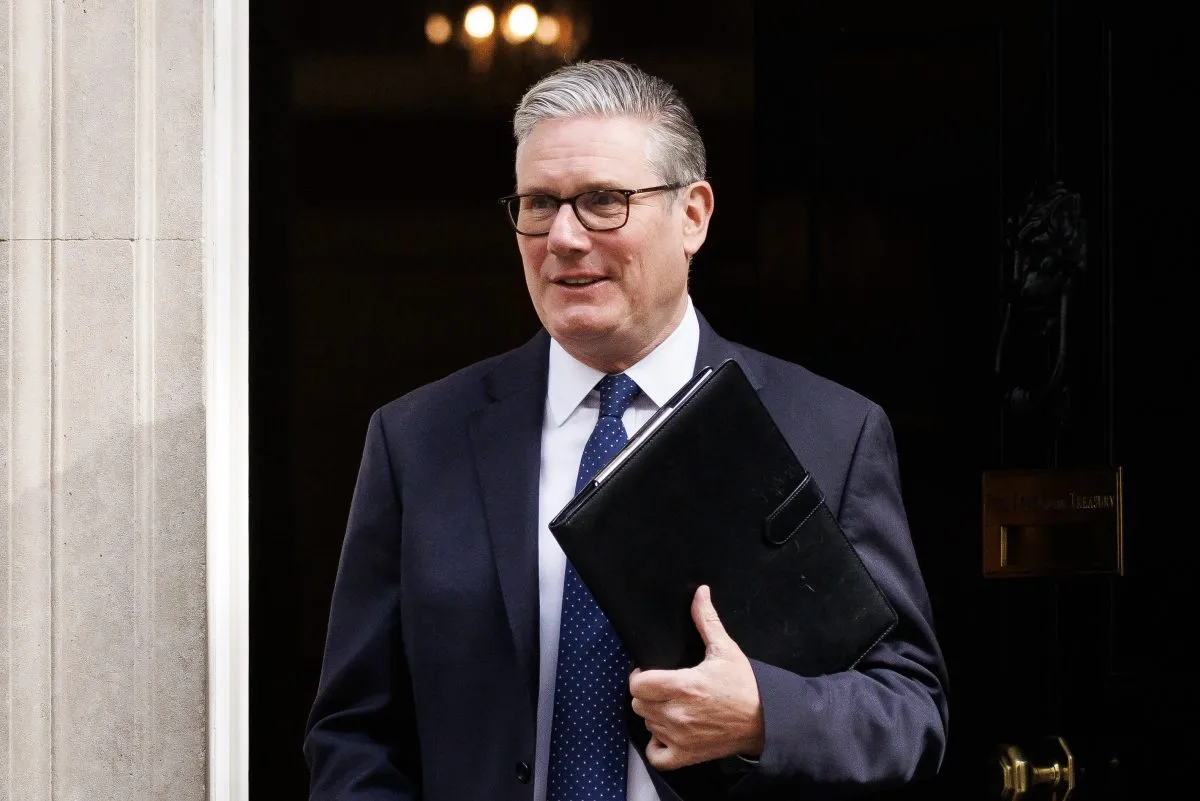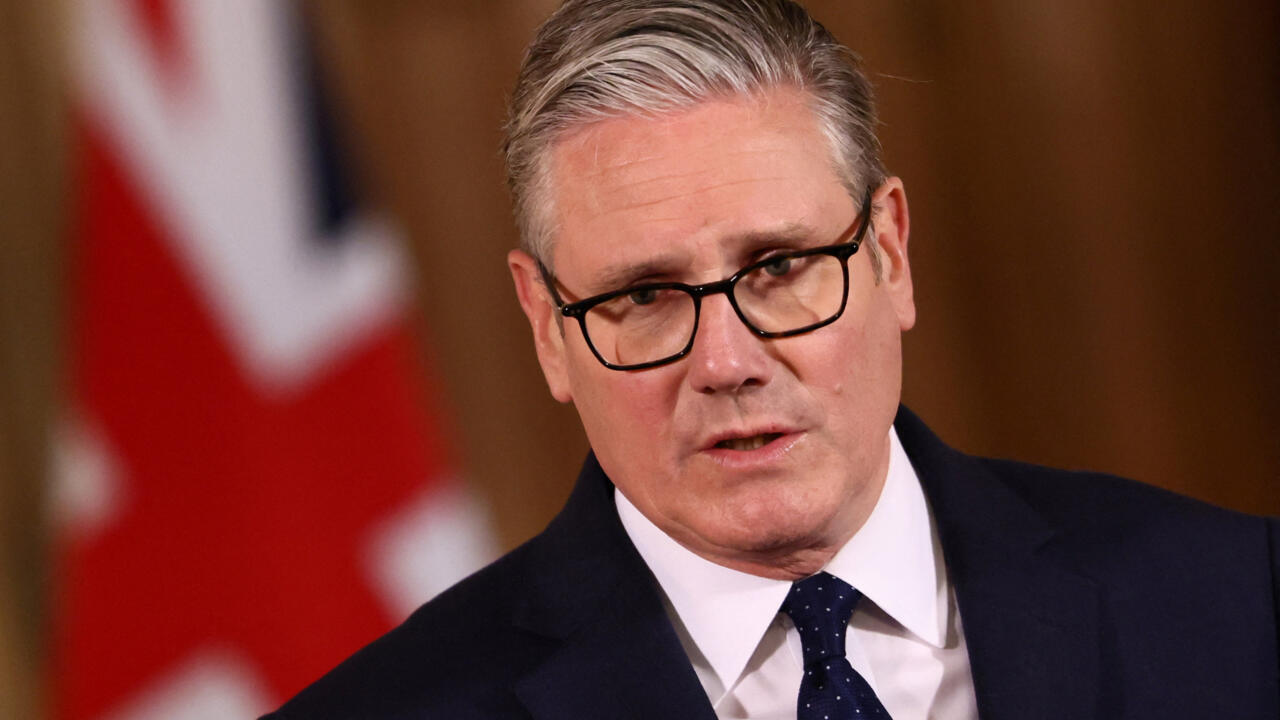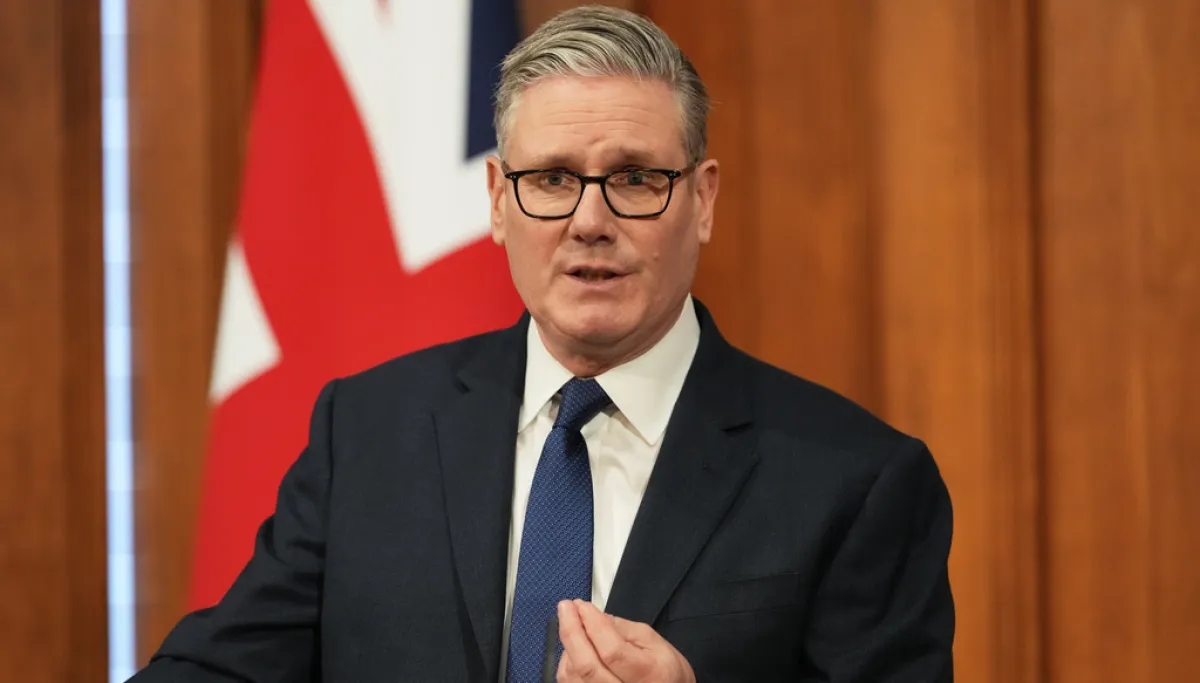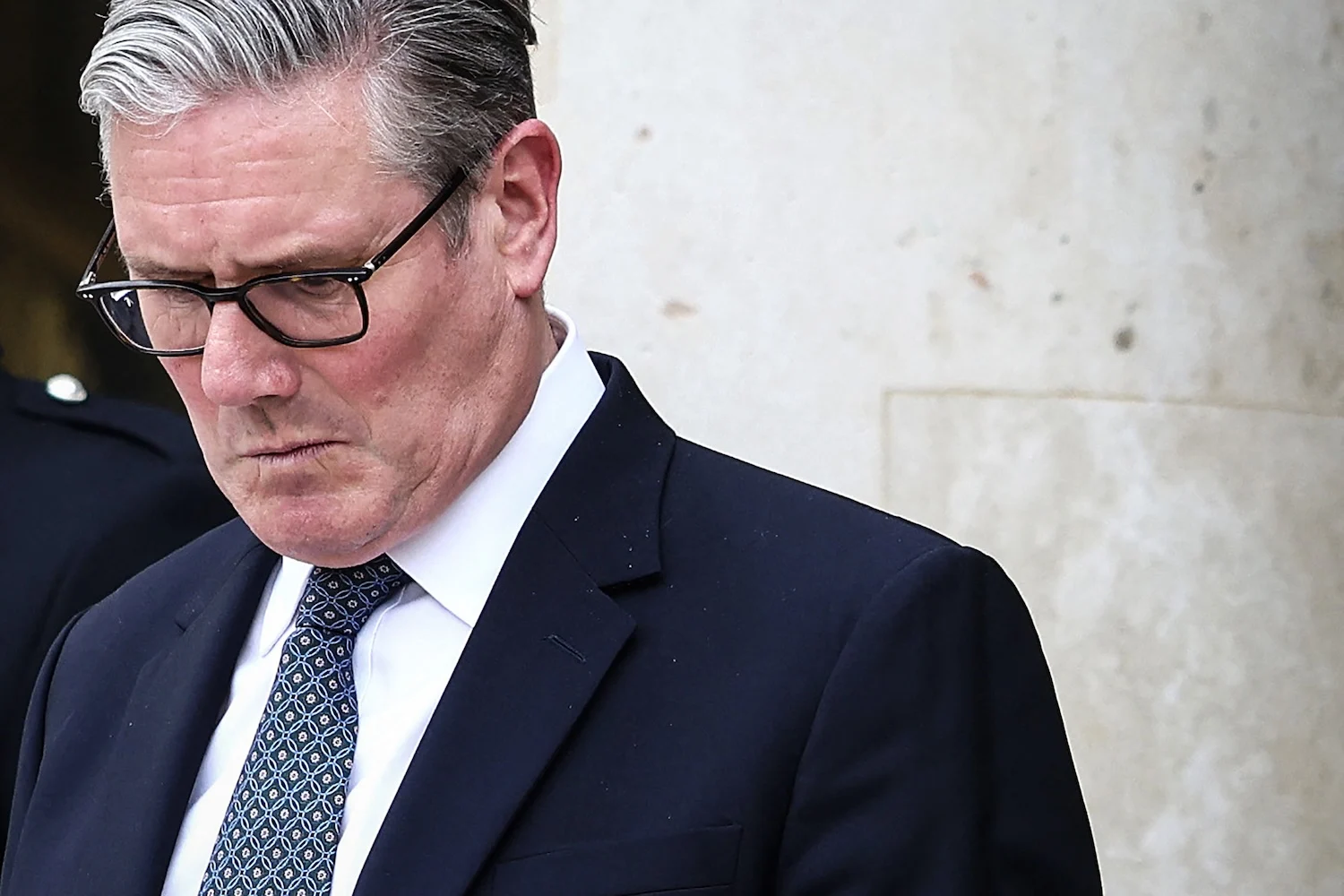
Keir Starmer was always a curious choice for Labour Party leader; he never got the hang of politics and often gave the impression he didn’t want to. Britain’s former chief prosecutor rose imperceptibly up the party ranks at a time when Labour was desperate for someone with the basic commodity of competence—nothing more, nothing less.
The Britain of 2020 was in the throes of post-European referendum chaos. It had just transpired to elect Boris Johnson as prime minister, despite his buffoonery, based on his vague promise to “get Brexit done.” The main opposition party was in the grasp of the far-left Jeremy Corbyn. It decided on a change of course and settled on a man with no history: Starmer.
Keir Starmer was always a curious choice for Labour Party leader; he never got the hang of politics and often gave the impression he didn’t want to. Britain’s former chief prosecutor rose imperceptibly up the party ranks at a time when Labour was desperate for someone with the basic commodity of competence—nothing more, nothing less.
The Britain of 2020 was in the throes of post-European referendum chaos. It had just transpired to elect Boris Johnson as prime minister, despite his buffoonery, based on his vague promise to “get Brexit done.” The main opposition party was in the grasp of the far-left Jeremy Corbyn. It decided on a change of course and settled on a man with no history: Starmer.