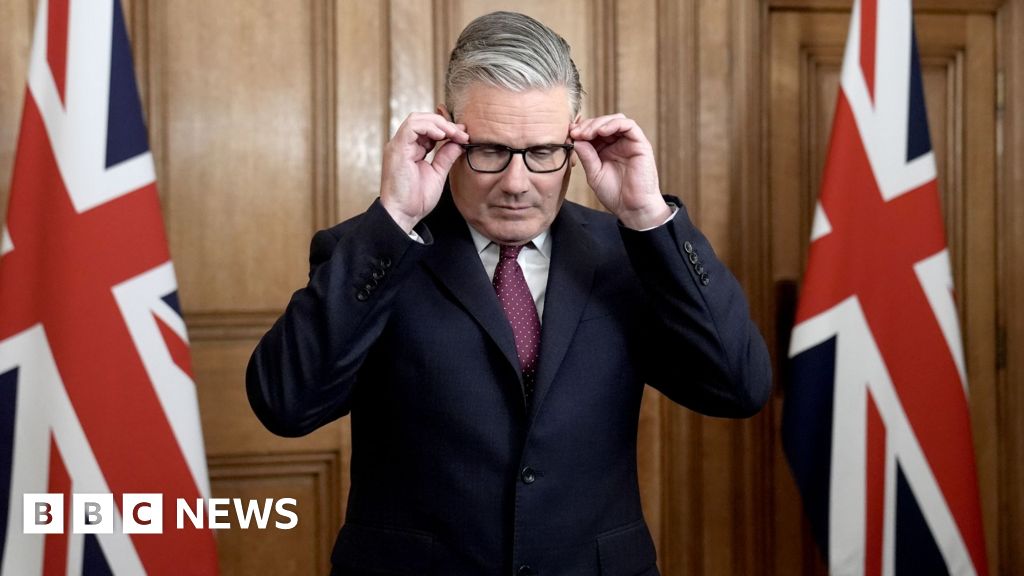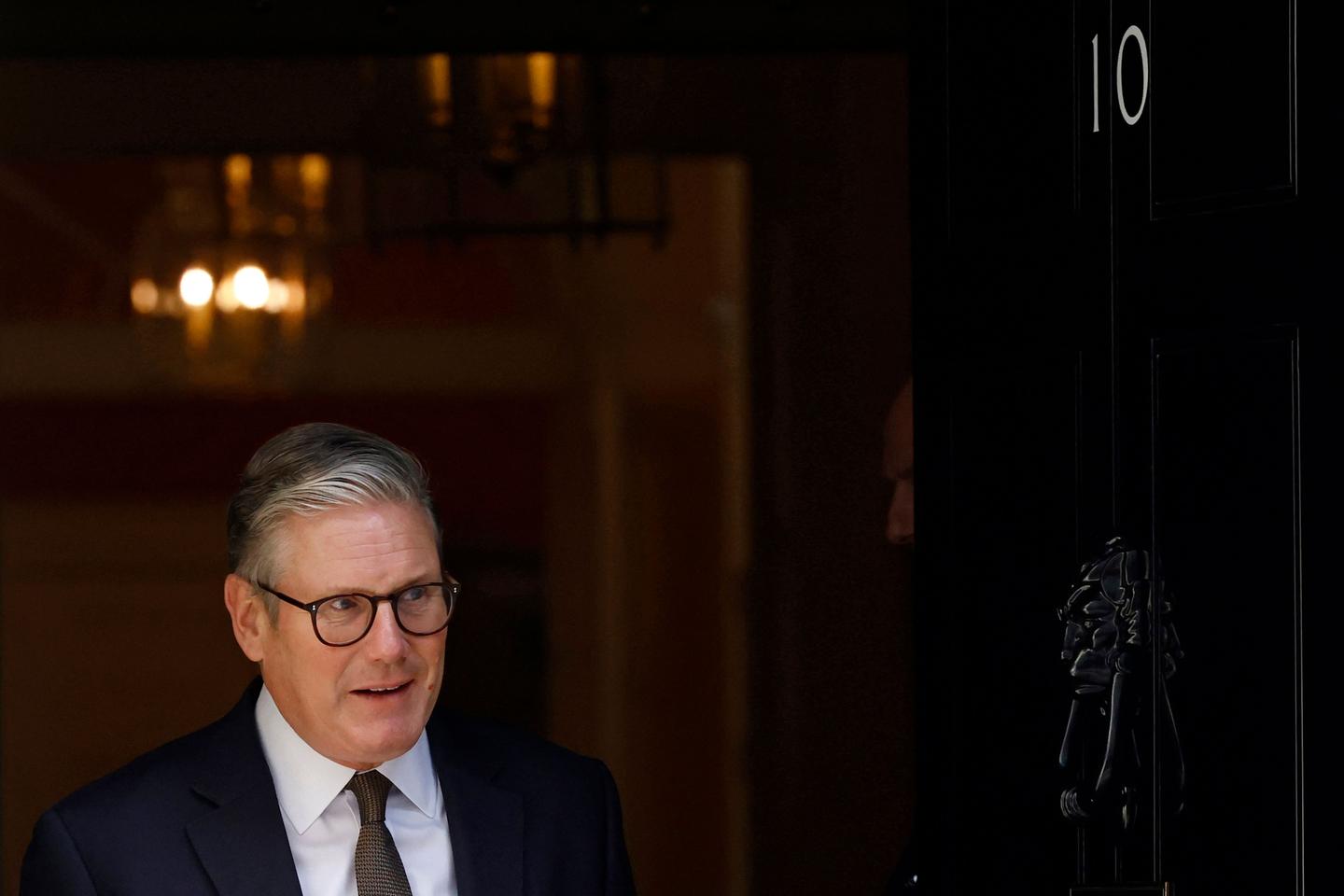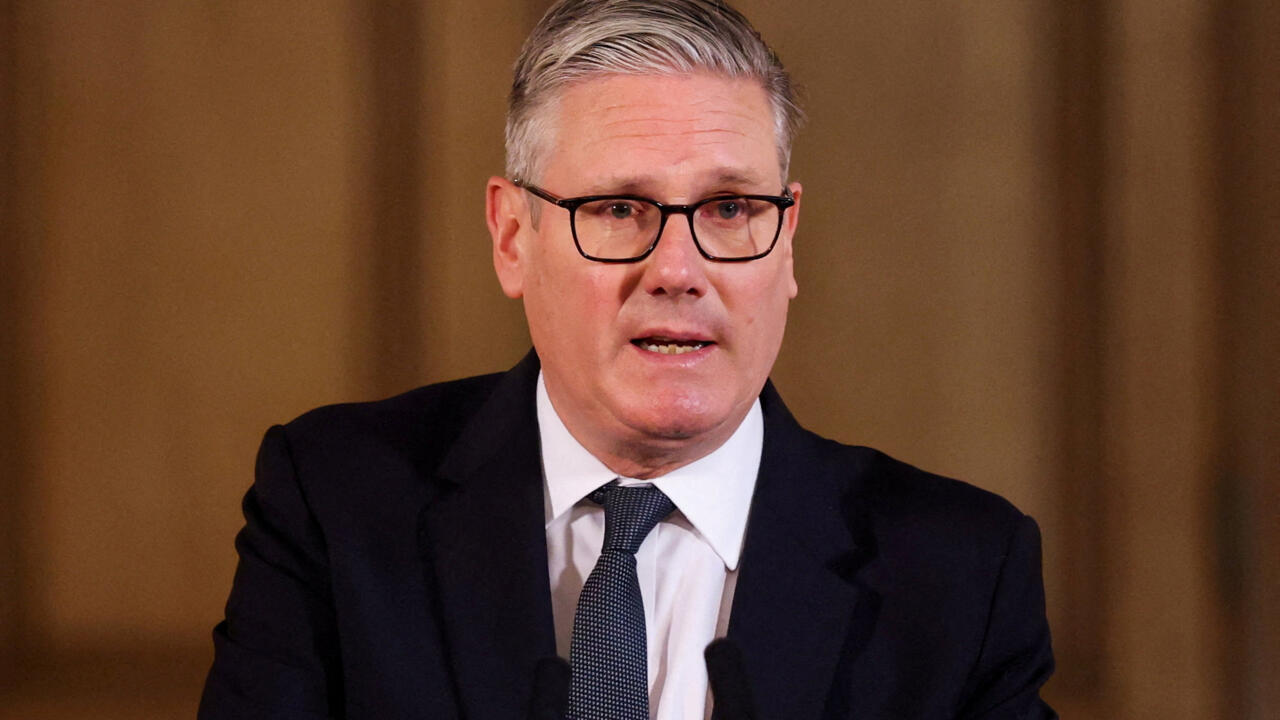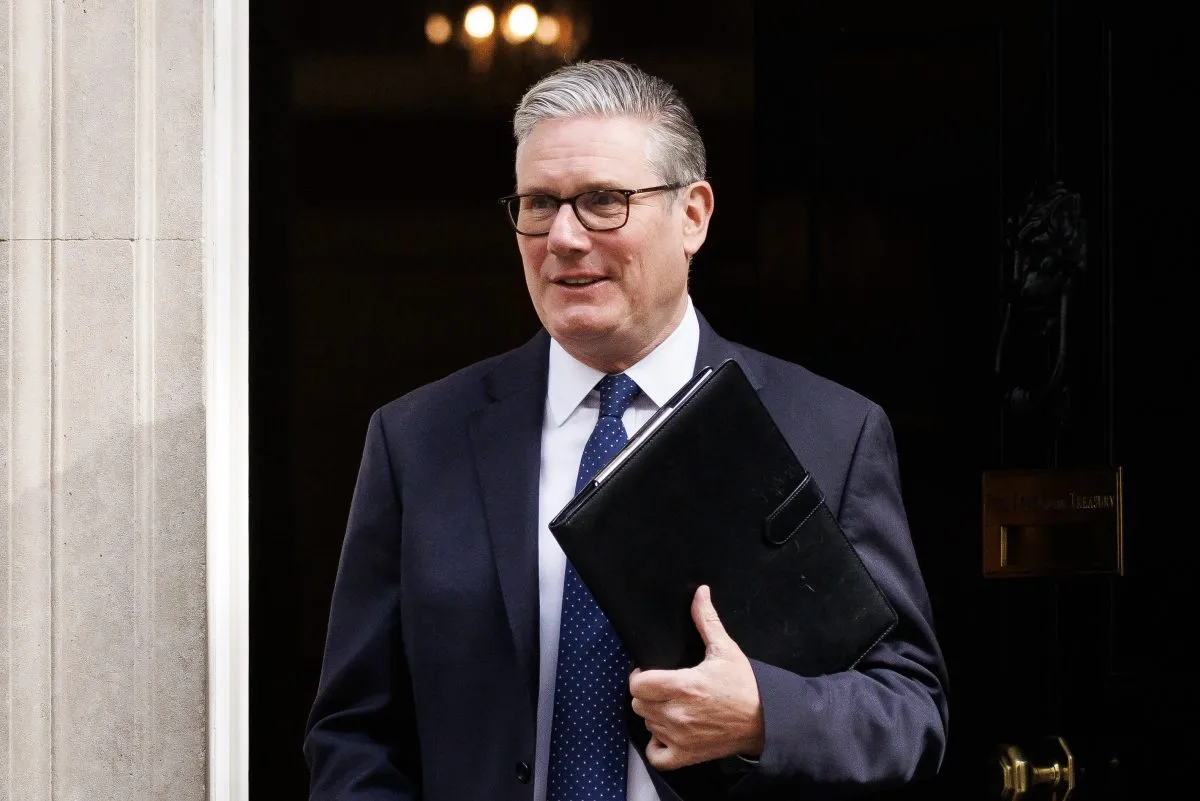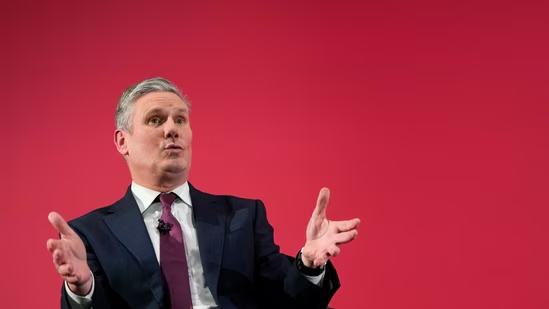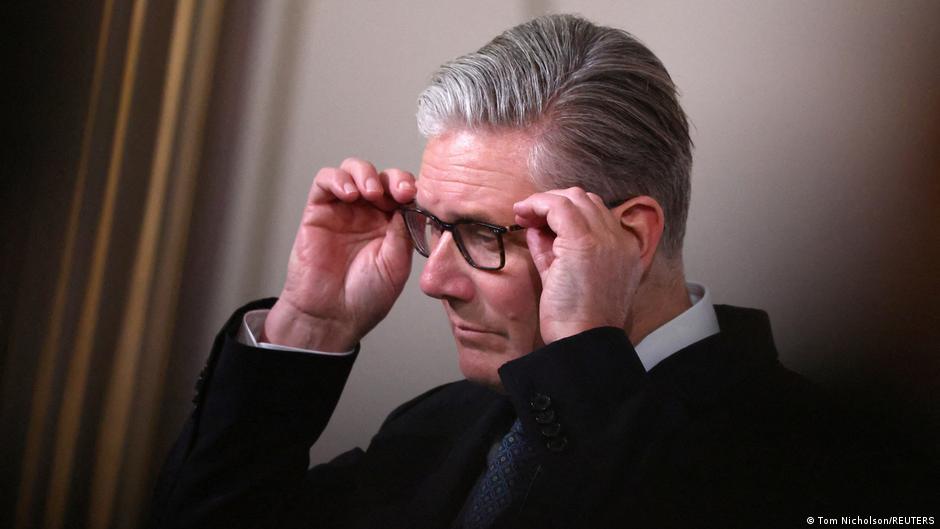
High profile resignations, a prime minister on the edge and populists on the up — UK politics is far from dull. DW explains what's going on in Keir Starmer's Labour party and with Nigel Farage. And what may be next.
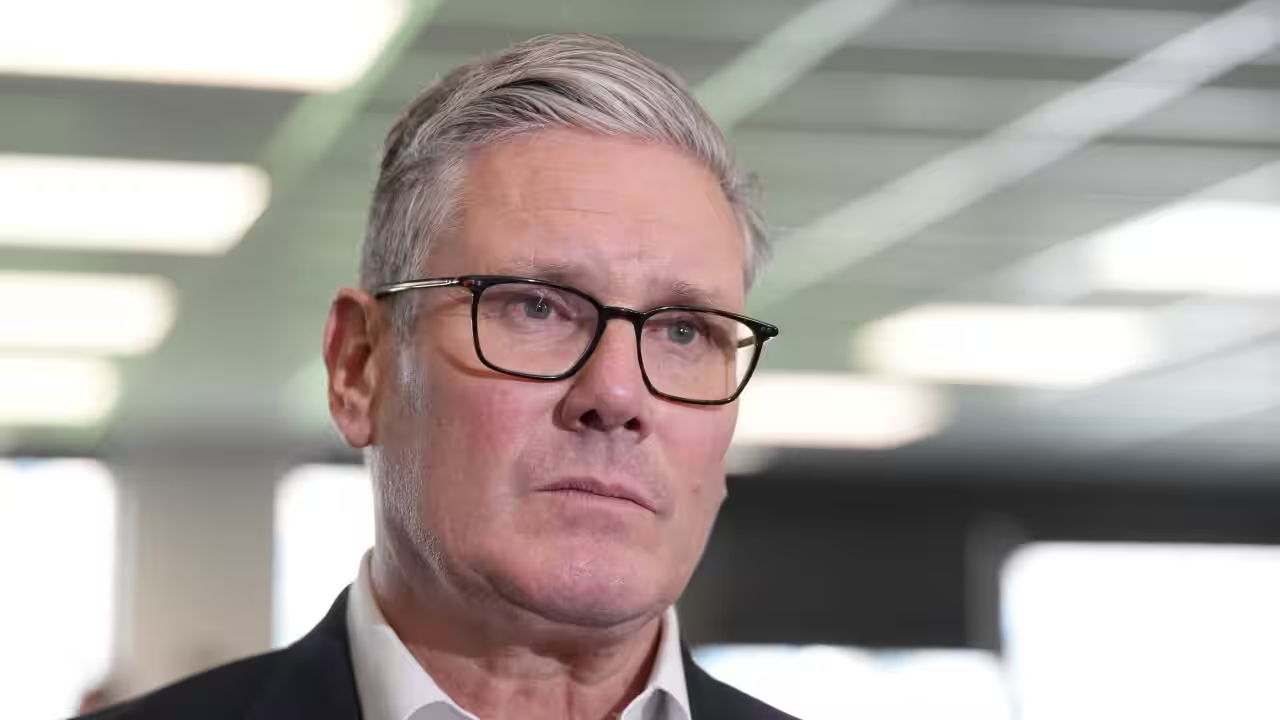
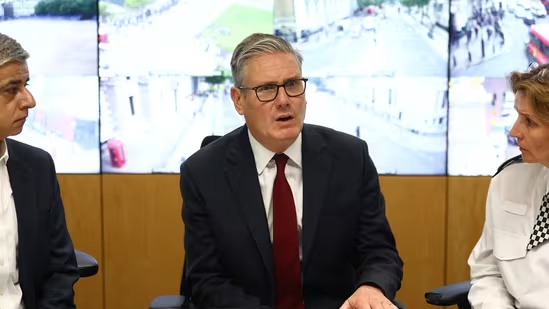
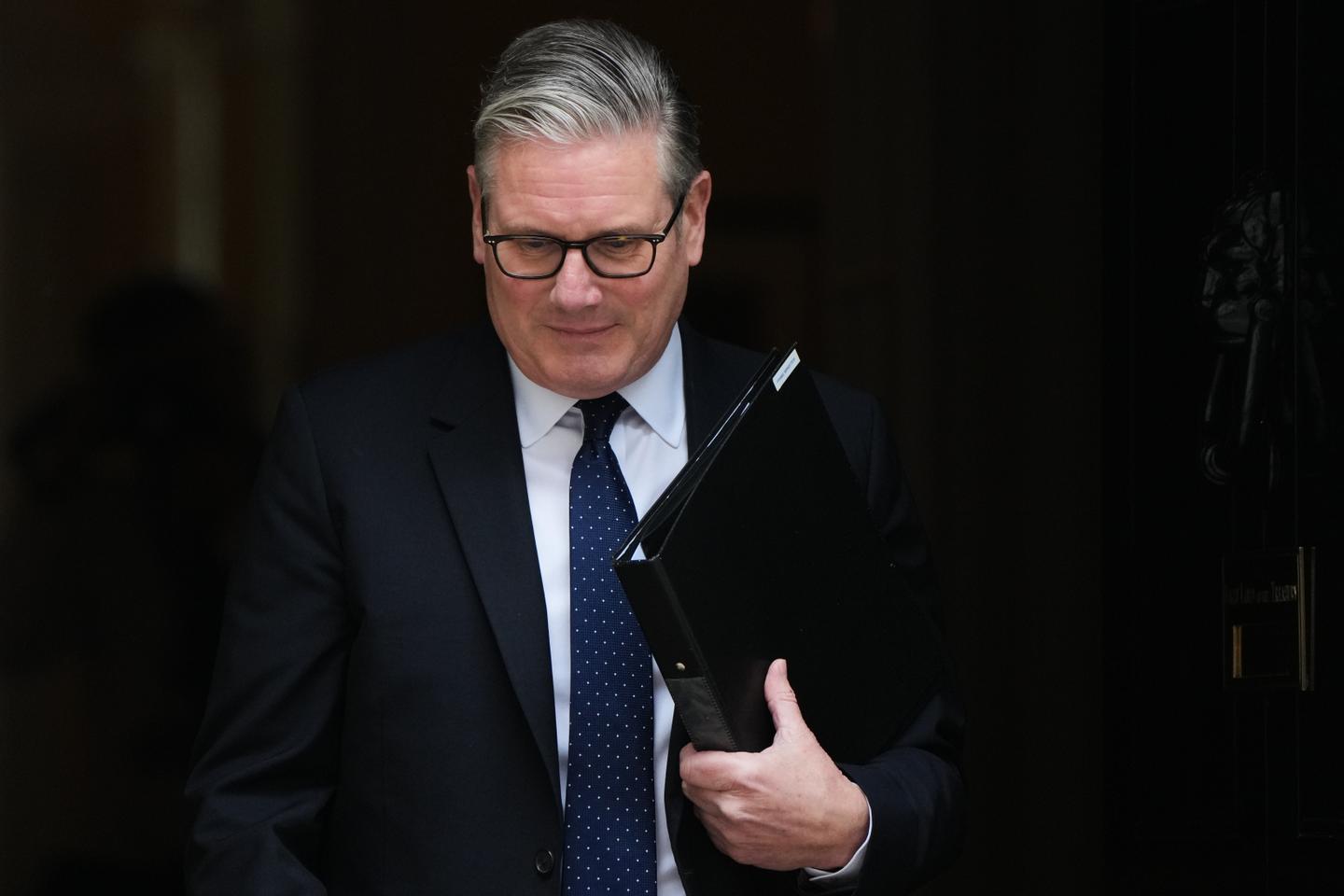
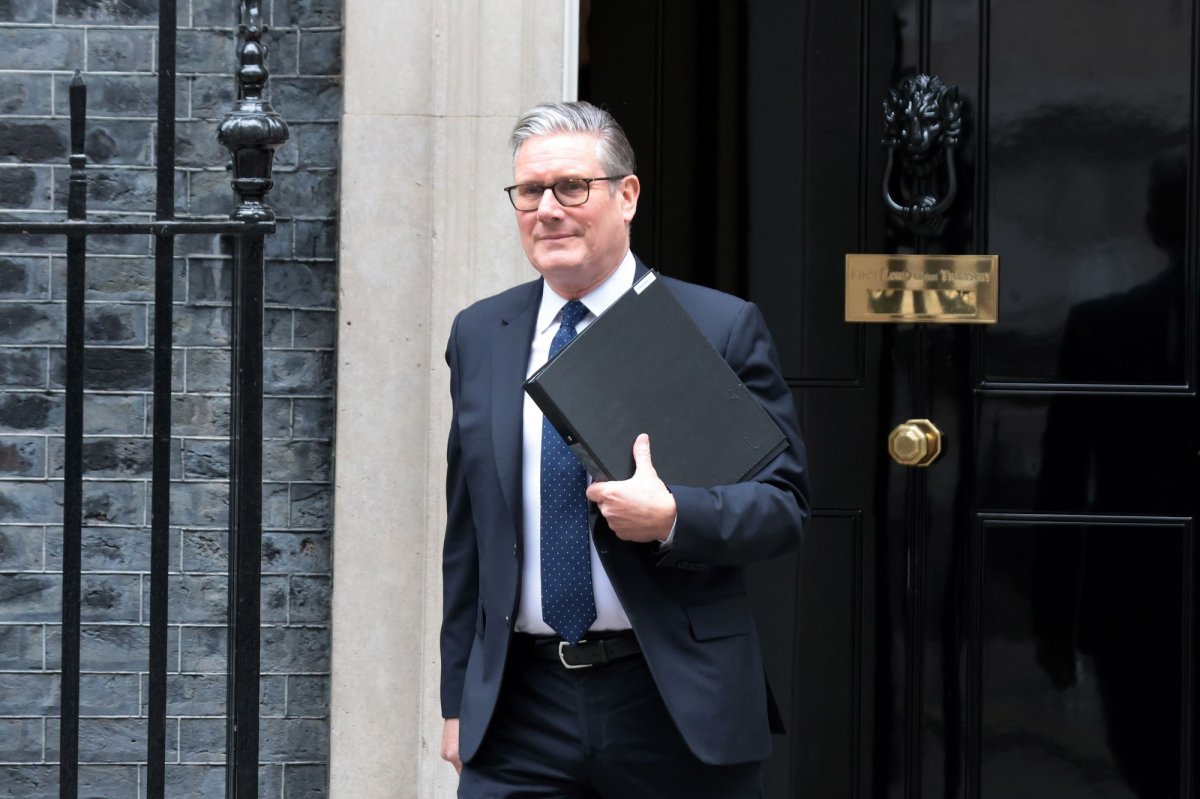
Less than two years after winning a landslide election victory that ended 14 years of center-right Conservative party governments in the UK, Keir Starmer is hanging by a thread.
His center-left Labour party lost well over half of their local council seats in elections held across England last week, with most going to right-wing, anti-immigration party, Reform UK. Labour also performed poorly in devolved elections for the Scottish and Welsh parliaments on the same day.
Because they operate at the national level, Starmer and his fellow Members of Parliament (MPs) weren't actually up for re-election. But the loss is perceived as a damning indictment of his lack of popularity. A survey this month by British pollsters YouGov found 23% of Britons held a positive opinion of Starmer, while 69% had an unfavorable view. He is also rapidly losing support within his party.
For now, the 63-year-old is still leading the country. Starmer's 2024 win means he is entitled to hold power until the next general election, which must be called by August 2029 at the latest. Unless he resigns, which he has so far ruled out, there are limited options to oust him during a term.