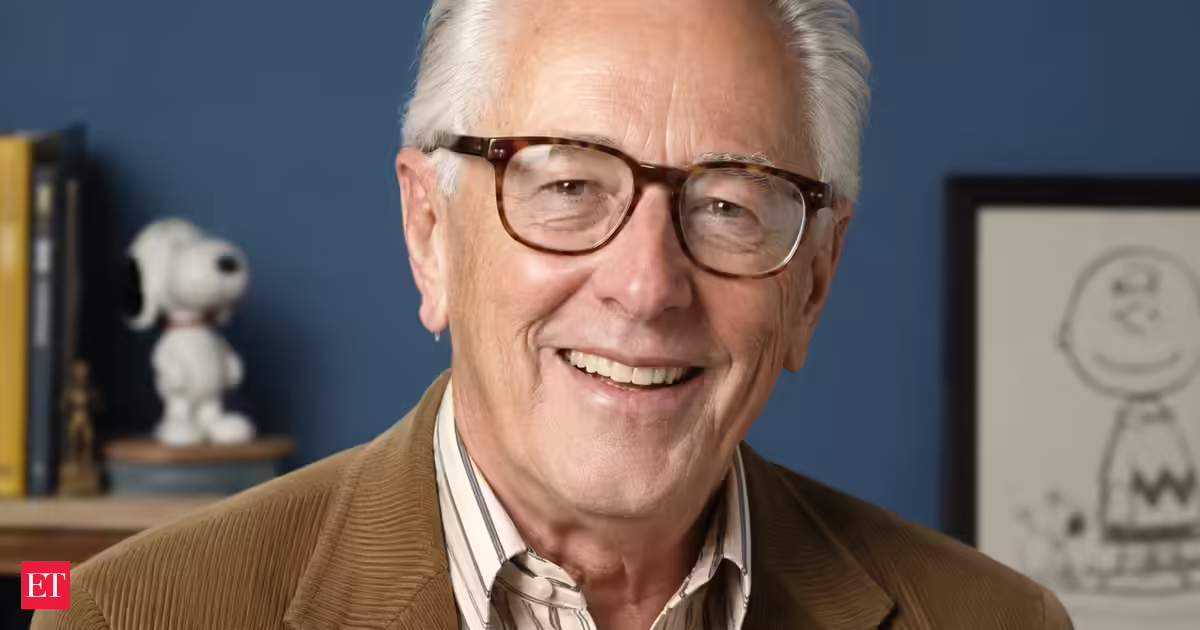
Love is often described as the foundation of a meaningful life. At the same time, people also find happiness in small everyday moments. Best quote of the day by Charles M. Schulz brings both ideas together in one memorable sentence: "All you need is love. But a little chocolate now and then doesn't hurt." The quote reminds readers that while relationships and emotional connections matter most, there is nothing wrong with enjoying simple pleasures. It presents a balanced way of looking at life. The message remains relevant because it speaks about moderation, happiness, human connection, and the importance of appreciating both emotional and tangible rewards.The quote is, "All you need is love. But a little chocolate now and then doesn't hurt." Looking beyond the famous quoteCharles M. Schulz's quote has become one of the most widely shared sayings about happiness and everyday living. At first glance, it appears humorous because it combines love with chocolate. However, its deeper meaning extends far beyond food.The message tells readers that love should always come first. Healthy relationships, friendships, and emotional support provide strength during different stages of life. At the same time, people should not feel guilty about enjoying small comforts that make daily life pleasant.You Might Also Like:Chocolate in this quote is not only a sweet treat. It represents simple rewards, personal enjoyment, and moments that help reduce stress. Schulz reminds people that life becomes more enjoyable when both emotional needs and small pleasures exist together.Best quote of the day by Charles M. Schulz explains the importance of balanceOne of the strongest lessons from the quote is balance. Many people spend their lives chasing perfection. They often believe every decision must be serious or productive. Schulz's words suggest another way of thinking. Life becomes healthier when people leave room for enjoyment.The quote does not encourage replacing love with material comforts. Instead, it explains that small indulgences have their place when they are enjoyed in moderation. This balanced approach can be applied to many areas of life. People can work hard while taking breaks. They can save money while enjoying occasional treats. They can focus on responsibilities without forgetting happiness. The quote teaches that moderation helps people maintain emotional well-being.You Might Also Like:Love remains the strongest foundationThe opening words, "All you need is love," place relationships at the center of life. Family members, friends, partners, and supportive communities give people strength during both happy and difficult times. Emotional connection cannot be replaced by money, possessions, or temporary pleasures.Throughout his work, Charles M. Schulz often explored friendship, kindness, loneliness, hope, and human emotions through the characters in Peanuts. His stories showed that relationships are rarely perfect, but they remain valuable. The quote reflects this same philosophy. Love creates the foundation upon which everything else is built.Small pleasures also have valueThe second part of the quote introduces a practical lesson. People sometimes believe that enjoying small luxuries is unnecessary. Schulz challenges this idea by suggesting that simple pleasures can improve daily life.Chocolate represents those small moments that help people relax. It could also symbolize reading a favorite book, enjoying a walk, spending time with loved ones, or celebrating personal achievements.You Might Also Like:These moments do not replace life's bigger priorities. Instead, they add comfort and help reduce stress. The quote encourages people to appreciate everyday happiness without feeling guilty.Lessons that people can apply every daySeveral life lessons can be taken from this famous saying.The first lesson is to prioritize love and meaningful relationships. Human connection remains one of life's greatest sources of happiness.The second lesson is to accept that perfection is impossible. People should allow themselves occasional breaks instead of expecting flawless performance every day.The third lesson is moderation. Small rewards become meaningful when they remain balanced with responsibilities.Finally, the quote encourages gratitude. Appreciating both emotional support and everyday pleasures creates a more satisfying life.A playful connection with a famous Beatles songMany readers notice similarities between Schulz's quote and the famous Beatles song "All You Need Is Love." The opening line reflects the well-known message written by John Lennon and Paul McCartney for the Beatles' 1967 hit. Schulz added his own humorous ending by mentioning chocolate.This playful addition transformed a familiar phrase into a memorable life lesson. Rather than changing the original message, it expanded it by acknowledging that while love remains essential, small comforts also contribute to happiness. The quote has since been widely shared in books, articles, and quotation collections.The life and legacy of Charles M. SchulzCharles Monroe Schulz was born on November 26, 1922, in Minneapolis, Minnesota, United States. After graduating from high school in 1940, he studied cartooning through an art correspondence school. Between 1943 and 1945, he served in the U.S. Army during World War II.Following military service, Schulz worked as an instructor before becoming a freelance cartoonist. His work appeared in newspapers and magazines, including the St. Paul Pioneer Press and The Saturday Evening Post. In 1950, he introduced the comic strip Peanuts, originally titled Li'l Folks. The strip featured young characters inspired partly by his own experiences.Charlie Brown became the central character. He represented an ordinary child dealing with disappointment, hope, friendship, and everyday struggles. Snoopy, Charlie Brown's beagle, became another popular character with imaginative dreams and adventures. Other important characters included Lucy, Linus, Sally, and Schroeder. Together, they explored themes of friendship, kindness, childhood, disappointment, and optimism.Peanuts later expanded into television specials, stage productions, books, and animated films. In 2015, The Peanuts Movie introduced the characters to a new generation. In 1999, Schulz announced his retirement after being diagnosed with colon cancer. He passed away on February 12, 2000, in Santa Rosa, California, one day before his final Peanuts comic strip appeared in newspapers. His work continues to influence readers around the world, and many of his quotes remain popular because they combine humor with practical life lessons.
Best quote of the day by Charles M. Schulz: 'All you need is love. But a little...' Life lessons on tangible indulgences, connection, happy life, unadulterated perfection, moderation and relationships
Best quote of the day by Charles M. Schulz reminds people that love remains the foundation of life, but small pleasures also have value. The famous quote explains the importance of relationships, moderation, connection, happiness, and simple indulgences. It encourages people to enjoy life's little comforts without losing sight of what truly matters. The message continues to inspire readers looking for balance in daily life and personal relationships.
971 words~4 min read