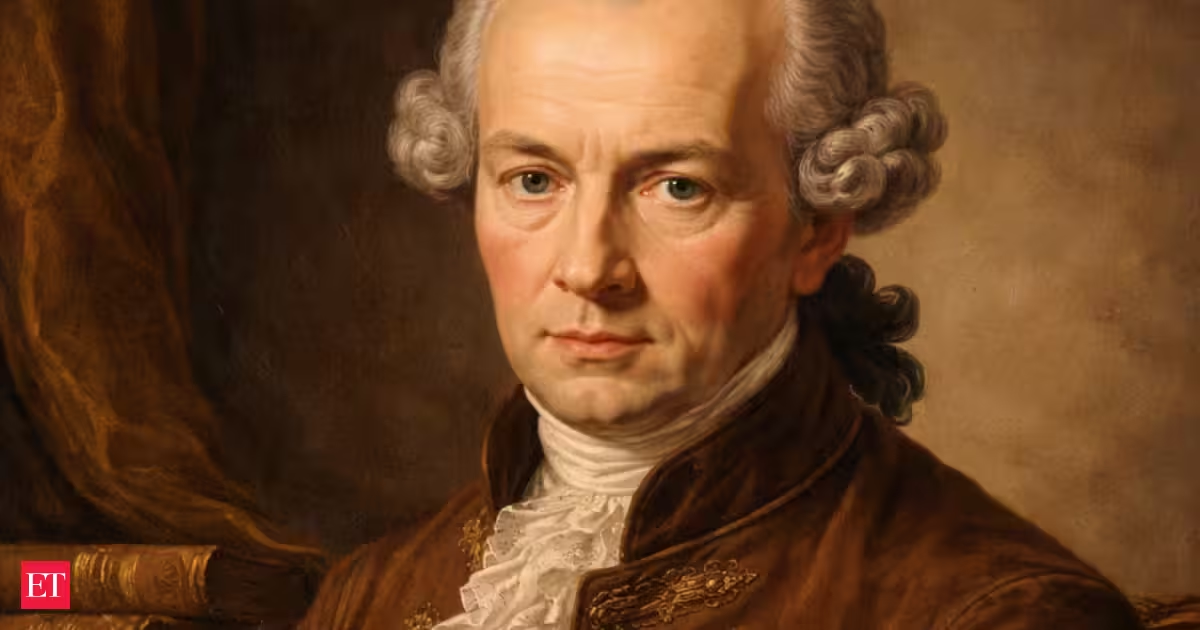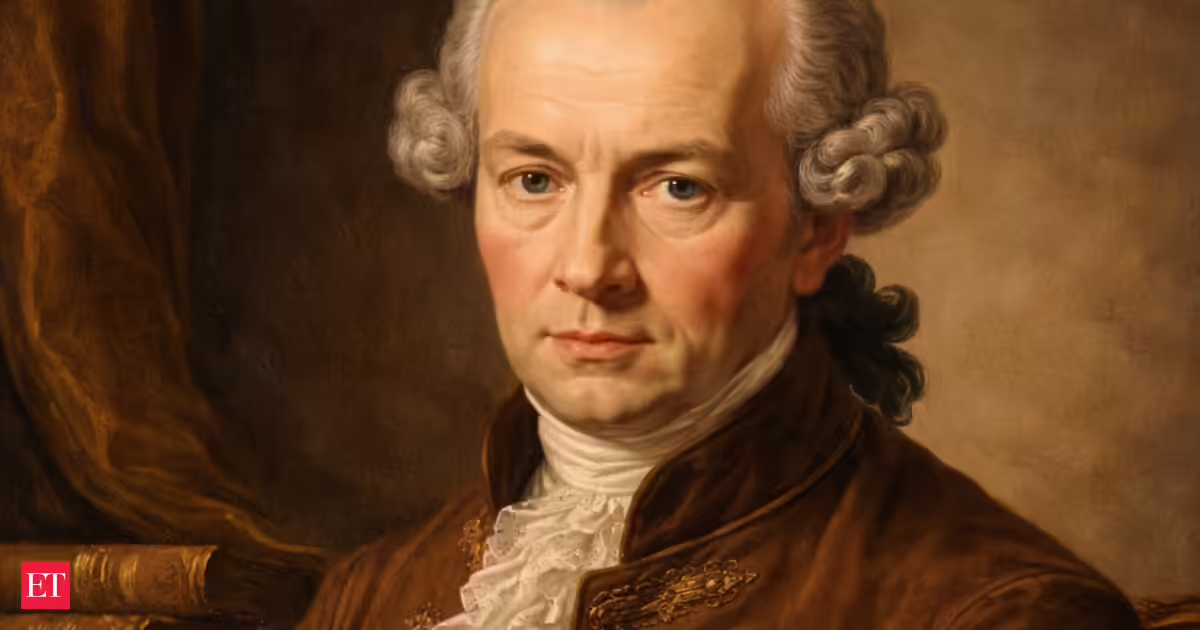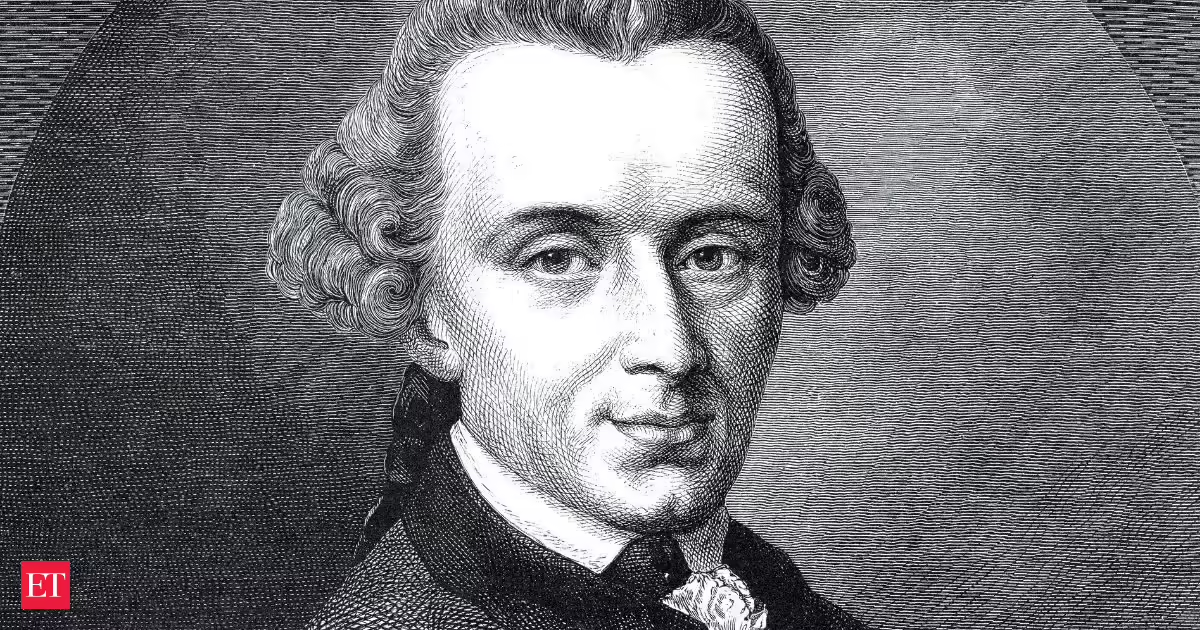
Quote of the Day by Immanuel Kant offers a deep insight into human nature. The quote, “Give a man everything he wants and at that moment everything is not everything,” explores the relationship between desire, satisfaction, happiness and success. It explains how people often believe that obtaining all their wishes will bring complete fulfillment. However, once those wishes are achieved, new desires often emerge. The quote encourages reflection on greed, self-reliance and contentment. Even though it was spoken centuries ago, its message continues to apply to modern life where people constantly seek more wealth, possessions, achievements and recognition.Understanding the Meaning Behind the QuoteThe quote states, “Give a man everything he wants and at that moment everything is not everything.”At first glance, the statement may appear confusing. However, its meaning becomes clear when viewed through the lens of human behavior. People often spend time pursuing goals. They believe happiness lies in achieving a certain level of wealth, status, success or comfort. Yet once those goals are reached, many discover that satisfaction is temporary.A new desire replaces the old one. Another goal appears. Another achievement becomes necessary. Kant's words suggest that human wants are often endless. What seems like “everything” today may feel incomplete tomorrow. The quote reminds people that lasting happiness cannot depend entirely on external rewards.You Might Also Like:One of the strongest lessons from this quote relates to greed. Greed occurs when people constantly want more, regardless of how much they already possess. The pursuit of more money, more possessions or more power can become a never-ending cycle. The quote explains that fulfilling every desire does not necessarily create peace of mind. Instead, it can lead to additional wants.Many people believe that acquiring more things will solve their problems. However, after obtaining those things, they often discover new expectations and new demands. Kant's message encourages people to recognize when enough is enough. Understanding this idea can help individuals avoid becoming trapped in an endless pursuit of material gains.The Connection Between Satisfaction and HappinessAnother important lesson from the quote is the connection between satisfaction and happiness. Satisfaction comes from appreciating what one already has. Happiness often grows when people learn to value experiences, relationships and personal achievements instead of focusing only on future desires.You Might Also Like:The quote suggests that complete happiness cannot be achieved simply by obtaining everything one wants. Many successful individuals have reached major goals only to realize that happiness requires more than achievement. Emotional well-being often depends on gratitude, purpose and meaningful connections. By encouraging contentment, Kant's words remind people that happiness is often found in perspective rather than possessions.Self-Reliance and Personal GrowthThe quote also contains a lesson about self-reliance. When people depend entirely on external rewards for happiness, they may lose sight of their own personal growth. Success becomes measured only by possessions or accomplishments.Kant's philosophy often emphasized reason, morality and personal responsibility. This quote aligns with those ideas by encouraging individuals to look within themselves for fulfillment. Self-reliance means developing confidence, skills and values that remain meaningful regardless of changing circumstances. A person who understands their purpose may experience greater satisfaction than someone who constantly seeks external validation.You Might Also Like:Why the Quote Remains Relevant Today?Modern society presents countless opportunities for consumption and achievement. Social media, advertising and competitive environments often encourage people to pursue more wealth, recognition and possessions. As a result, many individuals feel pressure to constantly improve their status or acquire new things.Kant's quote remains relevant because it challenges this mindset. It asks an important question: If every desire were fulfilled, would true happiness automatically follow? For many people, the answer is no. The quote reminds individuals that contentment is an important part of a balanced life. It encourages reflection on priorities and values rather than endless accumulation.Who Was Immanuel Kant?Immanuel Kant was born on April 22, 1724, in Königsberg, Prussia, which is now Kaliningrad, Russia. He became one of the most influential philosophers in history. His work shaped discussions on knowledge, ethics, morality and human understanding. Among his most famous works are Critique of Pure Reason, Critique of Practical Reason and Critique of Judgment.Kant's philosophy focused on reason, moral responsibility and the limits of human knowledge. His ideas continue to influence philosophy, education and ethics around the world. He died on February 12, 1804, but his teachings remain widely studied today.Lessons People Can Learn from the QuoteThe quote offers several practical lessons:Happiness does not come only from getting what we want.Greed can create an endless cycle of dissatisfaction.Contentment is important for mental well-being.Success should include personal growth and purpose.Self-reliance helps people find fulfillment beyond material rewards.Gratitude can create a stronger sense of satisfaction.True happiness often comes from balance rather than accumulation.
Quote of the day by Immanuel Kant: 'Give a man everything he wants and at that moment...' Life lessons on greed, self-reliance, satisfaction, happiness and success
Quote of the Day by Immanuel Kant highlights an important lesson about greed, satisfaction, happiness, self-reliance and success. The quote explains that human desires often continue even after people get what they want. It shows that material gains alone do not create lasting happiness. The message remains relevant in modern life because it encourages people to value contentment, personal growth and balance instead of chasing endless wants.
780 words~4 min read