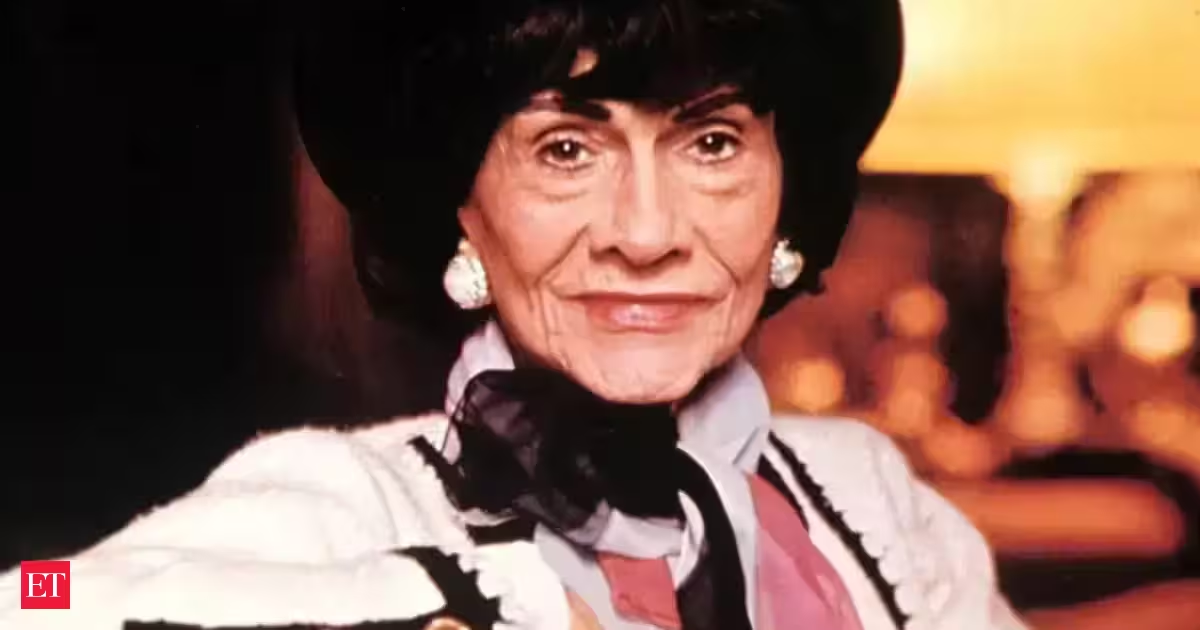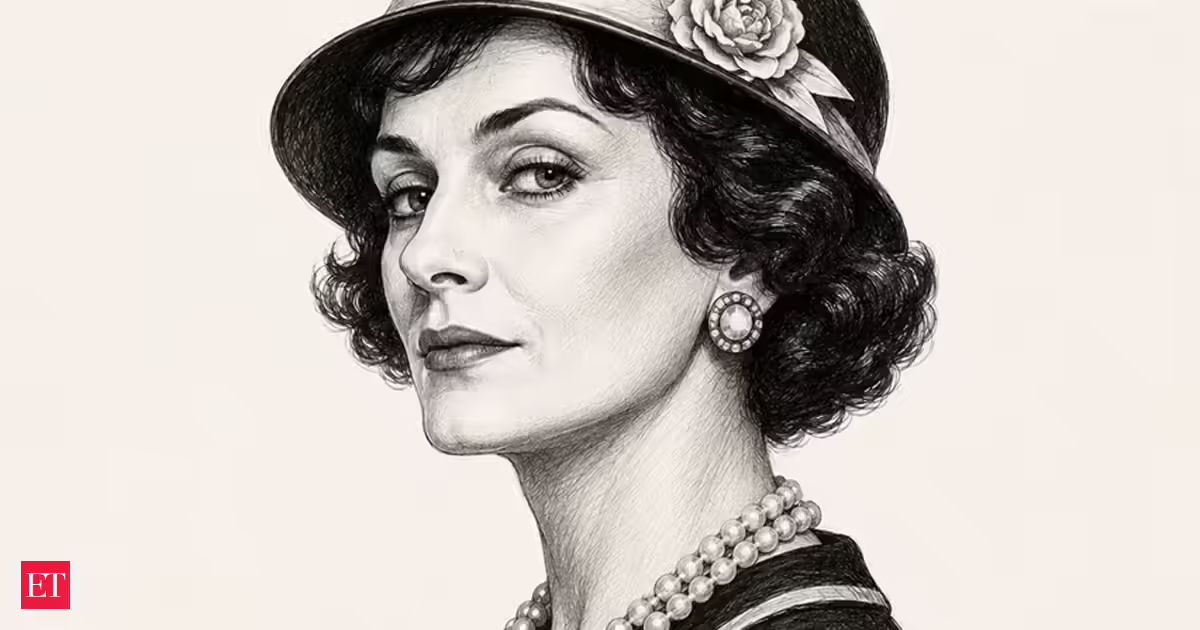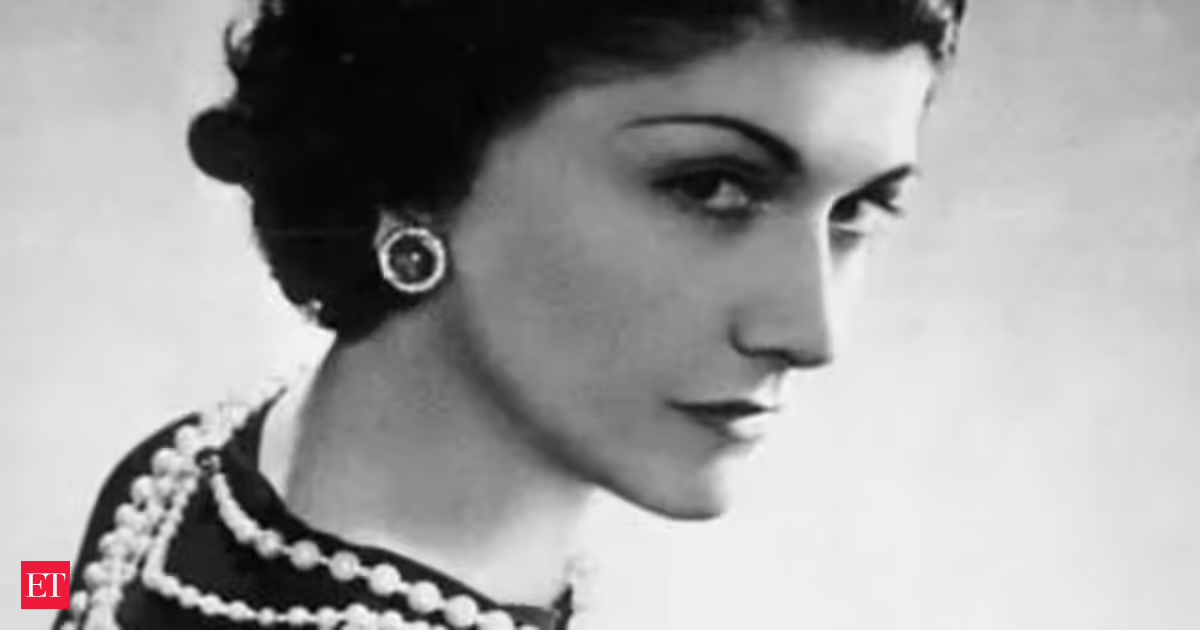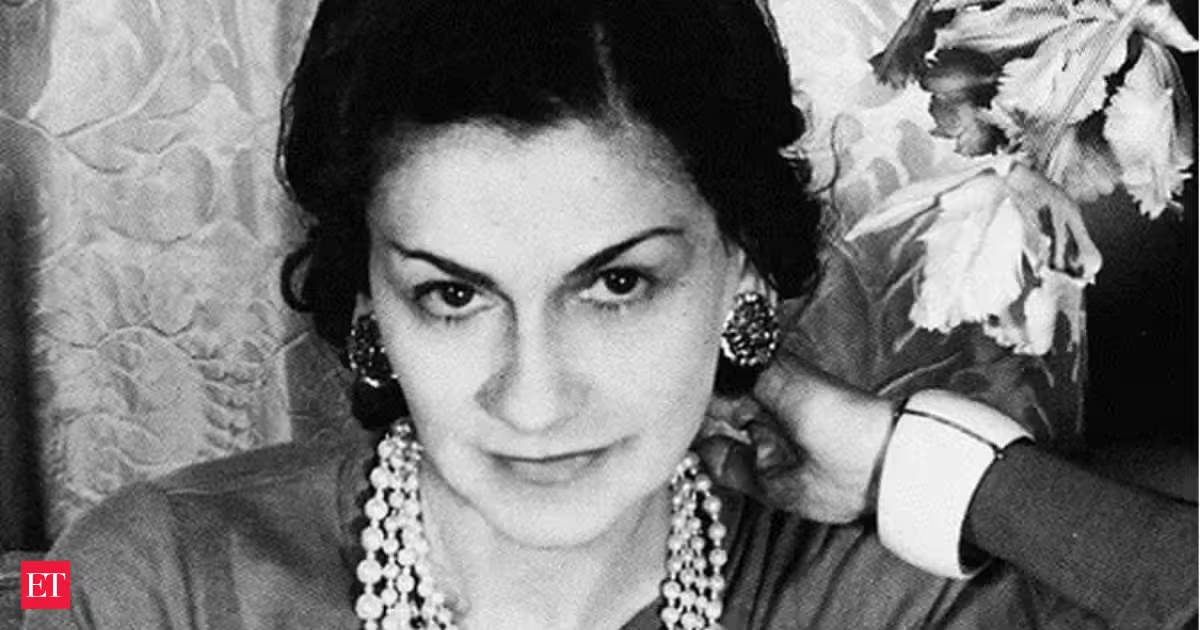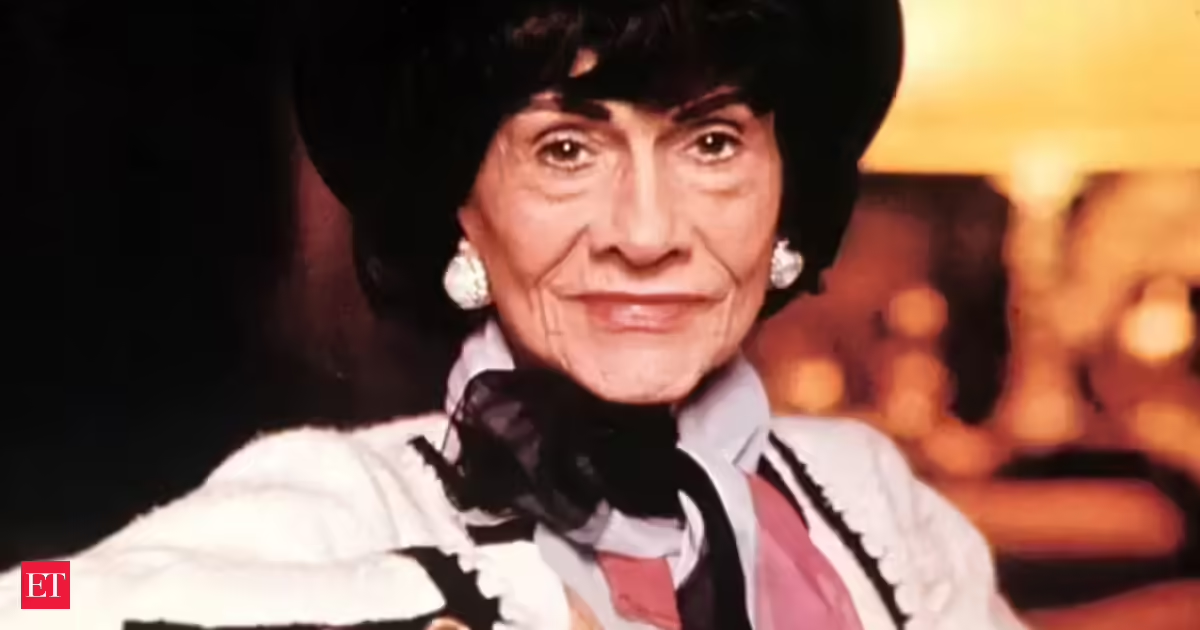
Remember the ending of It's a Wonderful Life? George Bailey spends much of the film chasing financial stability, only to discover that the things that truly give life meaning, friendship, love, loyalty, and human connection, cannot be bought. Yet the movie also acknowledges another reality: some of life's most coveted luxuries come with a hefty price tag.That tension remains familiar today. People spend years pursuing promotions, bigger homes, designer brands, and exclusive experiences, believing they hold the key to happiness. Yet some of the moments that leave the deepest mark, a parent's encouragement, a child's laughter, and a loyal friend showing up when needed most, cost nothing at all. It is this contrast that legendary fashion designer Coco Chanel captured in one of her most memorable observations.Quote of the Day by Coco Chanel: “The best things in life are free. The second best things are very, very expensive.”Why Coco Chanel's quote on happiness and value matters todayIn an era dominated by luxury lifestyles on social media, Chanel's words feel surprisingly relevant. Every day, people are bombarded with images of expensive vacations, luxury handbags, high-end cars, and exclusive experiences. The message often seems clear: success can be measured by what you own.Yet research and everyday experience repeatedly suggest otherwise. Meaningful relationships, good health, trust, purpose, and peace of mind remain among the strongest predictors of happiness. Chanel's quote reminds us that while luxury and beauty can enrich life, they should never be confused with life's most valuable treasures.You Might Also Like:The quote also highlights an uncomfortable truth: once basic needs are met, money can buy comfort, convenience, and even extraordinary experiences, but it cannot purchase genuine love, loyalty, or fulfillment.What Coco Chanel's quote means in real lifeAt its core, the quote draws a distinction between necessities of the heart and luxuries of the world. The "best things" are free because they emerge naturally through human connection and personal experiences. No amount of wealth can guarantee authentic friendship, family bonds, trust, or inner contentment.At the same time, Chanel was not dismissing luxury. As one of fashion history's most influential designers, she understood the appeal of beautiful craftsmanship and exclusivity. Her point was that while luxury goods may be desirable and often expensive, they still rank below the priceless experiences and relationships that truly define a meaningful life.Who was Coco Chanel?Coco Chanel was a French fashion designer who transformed women's fashion in the 20th century. Born on August 19, 1883, in Saumur, France, she rose from a difficult childhood to become one of the most influential figures in the fashion industry. At a time when women were expected to wear restrictive clothing such as corsets and layered petticoats, Chanel introduced simpler, more comfortable designs that emphasized elegance and freedom of movement.Over a career spanning nearly six decades, Chanel built a fashion empire that reshaped modern style. Her creations included the Chanel suit, the little black dress, quilted handbags, costume jewelry, and the iconic Chanel No. 5 perfume. Her minimalist approach challenged established fashion norms and helped define modern luxury.Coco Chanel's legacyFew designers have left a mark on fashion as profound as Coco Chanel. Her innovations changed not only how women dressed but also how they viewed themselves. By prioritizing comfort, simplicity, and confidence, she helped move fashion away from rigid traditions and toward a more practical yet sophisticated aesthetic.Today, decades after her death in 1971, Chanel's influence continues to shape the global fashion industry. The brand that bears her name remains one of the world's most recognized luxury houses, while many of her ideas, from timeless elegance to understated luxury, continue to inspire designers, entrepreneurs, and consumers around the world. Her legacy is a reminder that true style is not about excess but about knowing what truly matters.
Quote of the Day by Coco Chanel: ‘The best things in life are free; the second best things are…’
Quote of the Day by Coco Chanel on best things in life resonates today amidst social media's luxury focus. While material possessions offer comfort, genuine happiness stems from priceless connections like love, friendship, and peace of mind, proving true value cannot be bought.
625 words~3 min read