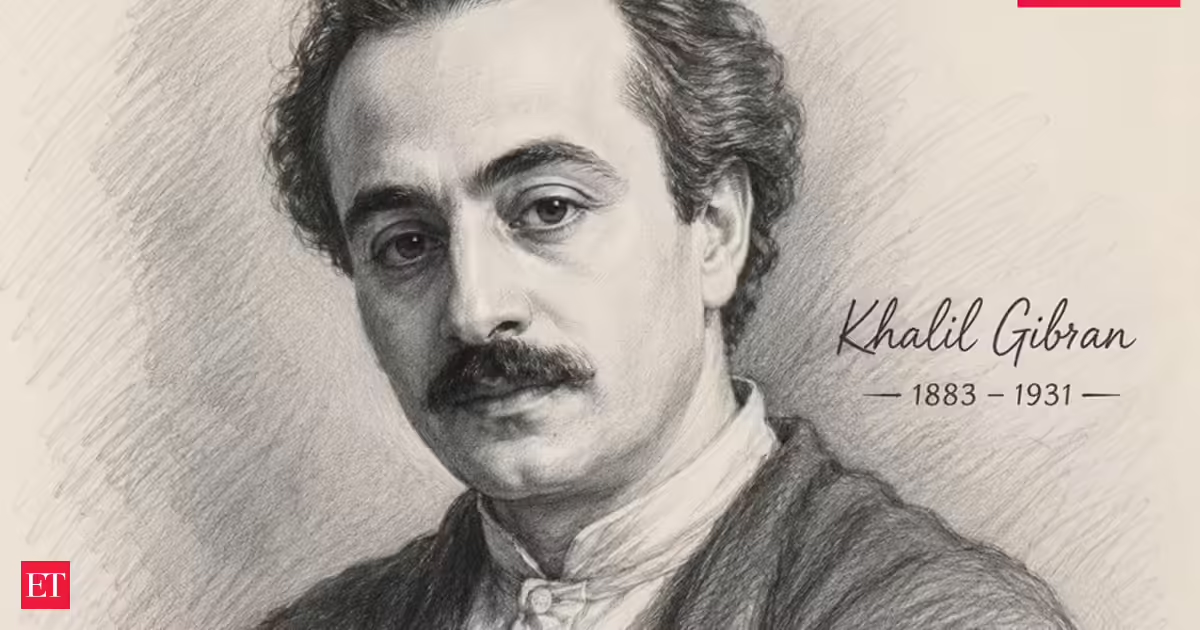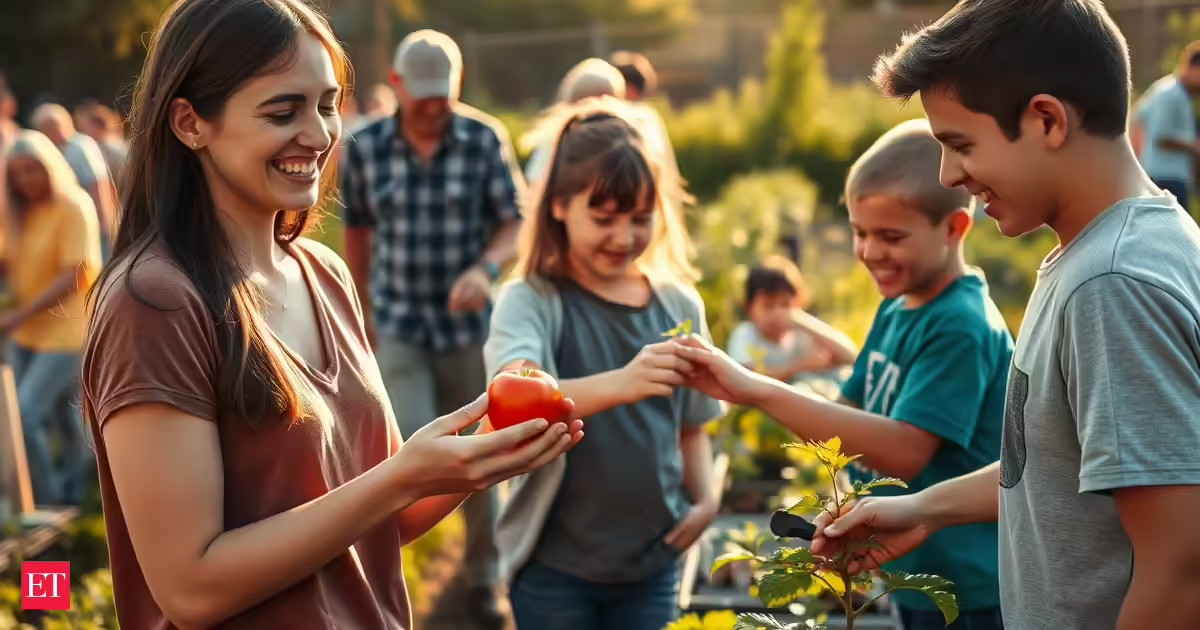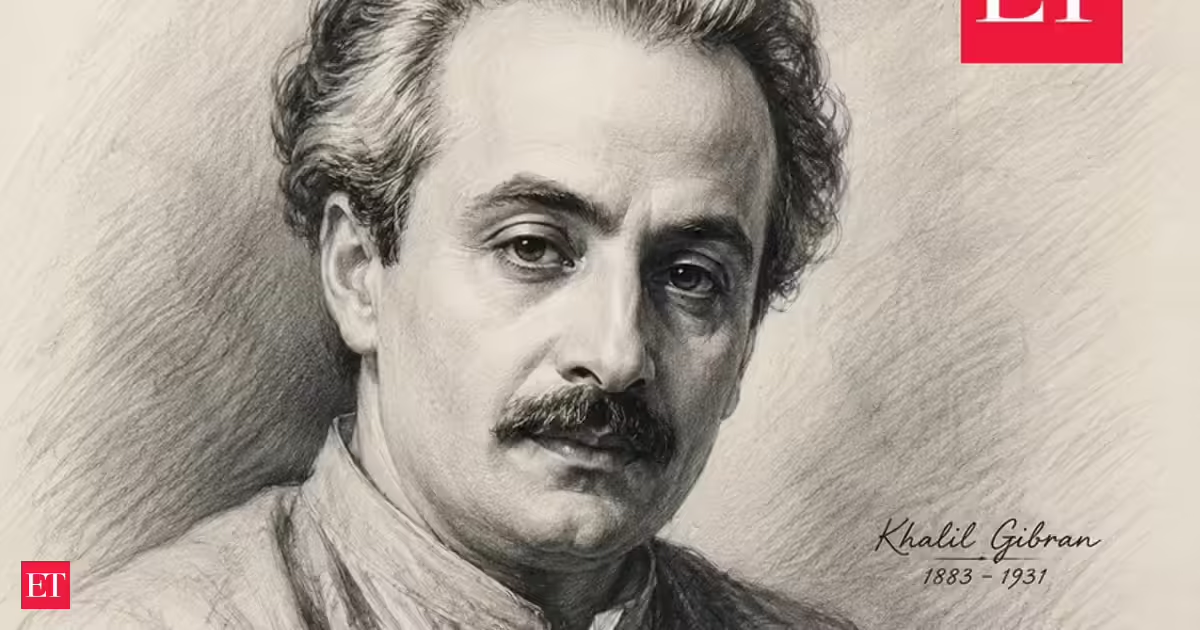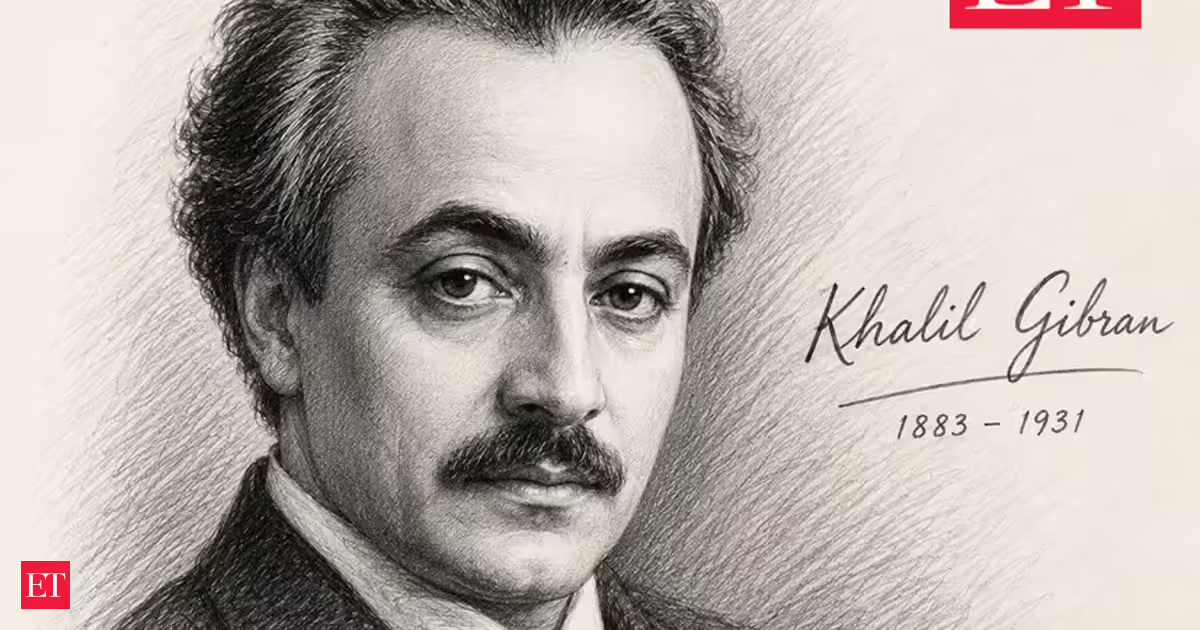
Quote of the Day by Khalil Gibran continues to inspire people around the world with its simple yet meaningful message: “The smallest act of kindness is worth more than the greatest intention.” The quote encourages people to move beyond thoughts and promises and take action to help others. In a world where many people often plan to do good but fail to act, the message remains relevant. It offers lessons about compassion, human nature, happiness, inner peace, relationships, and responsibility. The words also reflect the philosophy of Khalil Gibran, a Lebanese-American author, poet, essayist, novelist, and artist whose works explored love, life, death, nature, and spirituality.Quote of the Day Today: Understanding the Message The quote is, “The smallest act of kindness is worth more than the greatest intention” It focuses on the importance of action. People often have good intentions. They may want to help a friend, support a family member, assist a stranger, or contribute to a community. However, intentions alone do not create change. Action creates results.A person may plan to help someone but never do it. Another person may offer a small gesture such as sharing food, giving support, or spending time with someone in need. According to the quote, the second action carries greater value because it produces a real impact. The message teaches that kindness does not need to be large or costly. Even small actions can improve someone's day and strengthen human connections.You Might Also Like:Why the Quote Remains Relevant Today?Modern life is often busy. People frequently express concern about social issues, personal struggles, and community challenges. However, many opportunities to help others exist in everyday situations. The quote encourages people to act whenever possible.Simple acts such as helping a colleague, listening to someone facing difficulties, assisting an elderly person, or supporting a neighbour can make a difference. These actions may seem small, but they contribute to stronger relationships and healthier communities. The quote also reminds people that waiting for the perfect opportunity is unnecessary. A small effort made today can have more value than a larger plan delayed indefinitely.Here's some vital life Lessons from the quote: You Might Also Like:Importance of Taking ActionOne of the main lessons from the quote is that action matters more than intention. Good intentions reflect positive thinking, but action turns those thoughts into reality. People who consistently perform small acts of kindness contribute to positive change around them. The quote encourages individuals to focus on what they can do now rather than what they hope to do someday.Kindness Does Not Need to Be LargeMany people believe meaningful contributions require significant resources or major sacrifices. Gibran's words challenge this belief. A smile, a kind word, encouragement, or a helping hand can influence another person's life. The quote teaches that kindness is accessible to everyone regardless of age, wealth, or social status.Small Actions Build Strong CommunitiesCommunities grow stronger when people support one another through everyday actions. Small gestures can create trust, cooperation, and understanding. When acts of kindness become common, they contribute to a culture of mutual support. This lesson remains important in schools, workplaces, families, and neighbourhoods.Inner Peace Comes Through CompassionHelping others often benefits both the giver and the receiver. Acts of kindness can create a sense of purpose and satisfaction. They help people feel connected to others and encourage empathy. This connection between compassion and inner peace is a recurring theme in many philosophical and spiritual traditions.You Might Also Like:Who Was Khalil Gibran?Khalil Gibran was a Lebanese-American philosophical essayist, novelist, poet, and artist. He was born on January 6, 1883, in Bsharrī. He received his primary education in Beirut before immigrating with his family to Boston in 1895.In 1898, Gibran returned to Beirut to continue his studies. During this period, he developed strong skills in the Arabic language. After returning to Boston in 1903, he began publishing literary essays. A significant turning point in his life came in 1907 when he met Mary Haskell. She became his lifelong benefactor and helped support his art studies in Paris. In 1912, Gibran settled in New York City, where he focused on writing essays, stories, poetry, and creating artwork.Gibran’s Literary LegacyGibran's work was influenced by the Bible, Friedrich Nietzsche, and William Blake. His writings explored themes such as love, death, nature, spirituality, and longing for one's homeland.His major Arabic works include:Nymphs of the Valley (1910)A Tear and a Smile (1914)Spirits Rebellious (1920)The Broken Wings (1922)The Storms (1923)The Procession (1923)His major English works include:The Madman (1918)The Forerunner (1920)The Prophet (1923)Sand and Foam (1926)Jesus, the Son of Man (1928)Among these works, The Prophet remains one of the most widely read books and continues to influence readers across generations.Lasting Relevance of the QuoteThe quote continues to resonate because it addresses a universal aspect of human behaviour. People often know what is right, but taking action can be difficult. Gibran's words serve as a reminder that meaningful change begins with small steps. A simple act of kindness can help another person, strengthen relationships, and improve communities. The message encourages people to focus less on promises and more on actions. By doing so, they can contribute to greater happiness, inner peace, and understanding in everyday life.
Quote of the day by Khalil Gibran: 'The smallest act of kindness is...' Life lessons on inner peace, happiness, true beauty and human nature by renowned Lebanese-American philosophical essayist, novelist, poet, and artist
Quote of the Day by Khalil Gibran highlights the value of action over intention. The quote, “The smallest act of kindness is worth more than the greatest intention,” explains that helping others through simple actions has greater impact than merely thinking about doing good. The message remains relevant in daily life, relationships, communities, and personal growth. It also reflects Khalil Gibrans views on human nature, inner peace, happiness, compassion, and meaningful living.
860 words~4 min read