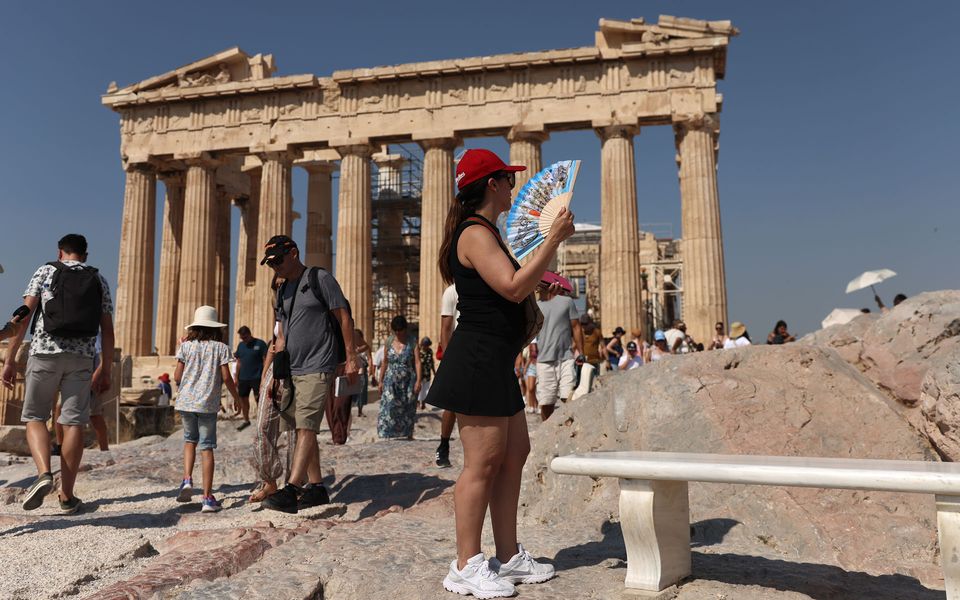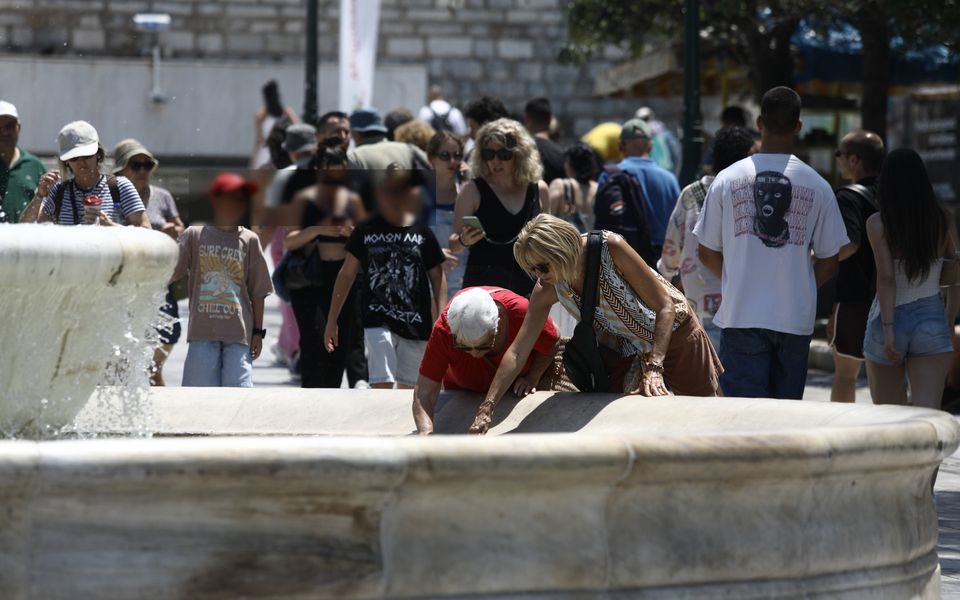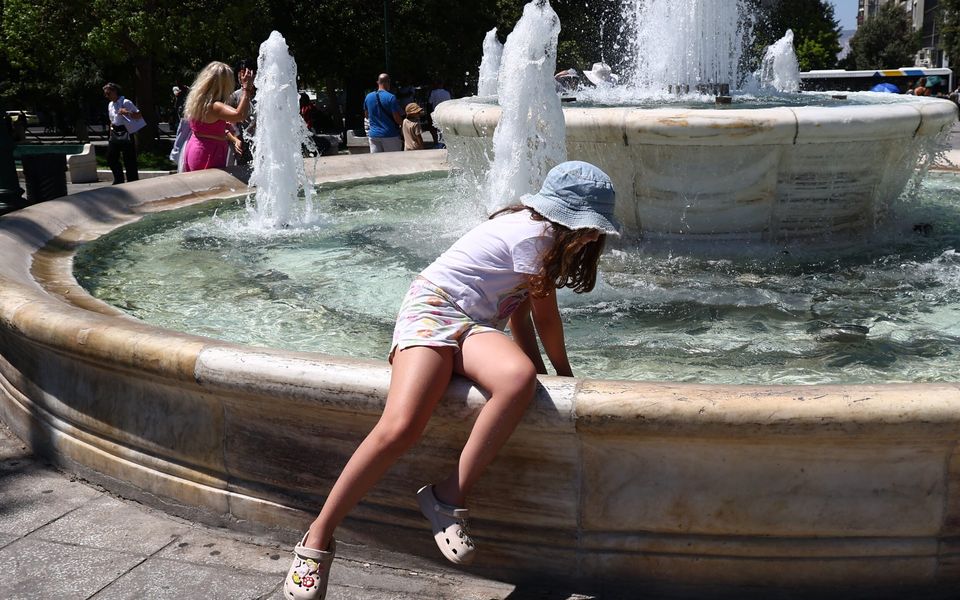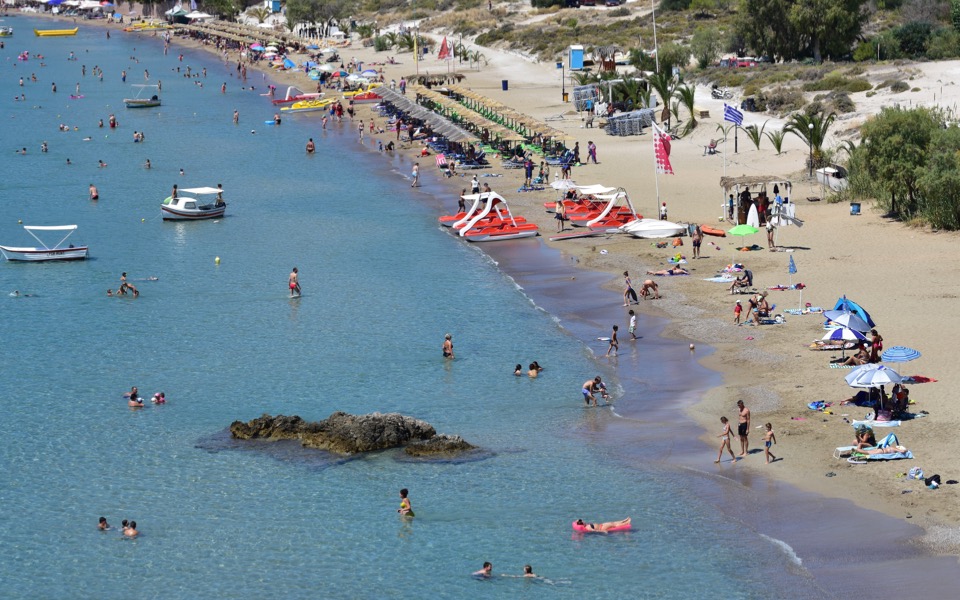
Greece is expected to face a hotter-than-normal and drier summer, according to seasonal forecasts from major international weather agencies that point to prolonged periods of high temperatures and limited rainfall through July and August.
The shift became apparent in the second half of June as atmospheric circulation over the Eastern Mediterranean came under the influence of the African subtropical anticyclone, a pressure system that has appeared increasingly often in recent years and has become a key driver of summer weather conditions.
Forecasts from the European Center for Medium-Range Weather Forecasts indicate that temperatures in both July and August are likely to remain above seasonal averages across most of the country. The strongest positive temperature anomalies are expected in Thessaly, eastern Central Greece, the Peloponnese and the eastern Aegean islands. Repeated transport of warm air masses from North Africa could lead to extended periods of intense heat, with temperatures locally exceeding 40 degrees Celsius.
Forecasters also warn of more frequent “tropical nights,” when temperatures remain above 20 or even 25 degrees Celsius. Moreover, seasonal models project below-average rainfall across much of the country, although mountainous areas of the Pindus range, western and northern Greece, and parts of Macedonia and Epirus could still see afternoon thunderstorms.