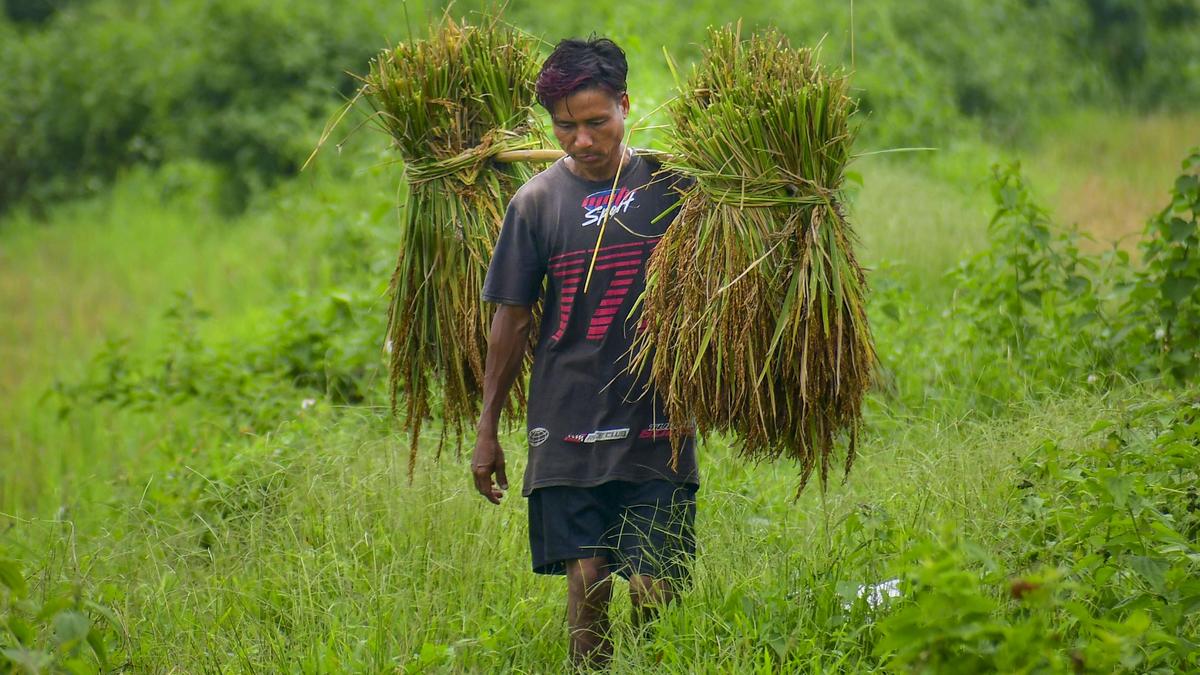
Despite concerns over a deficit in rainfall, foodgrain stocks are adequate
| Photo Credit:
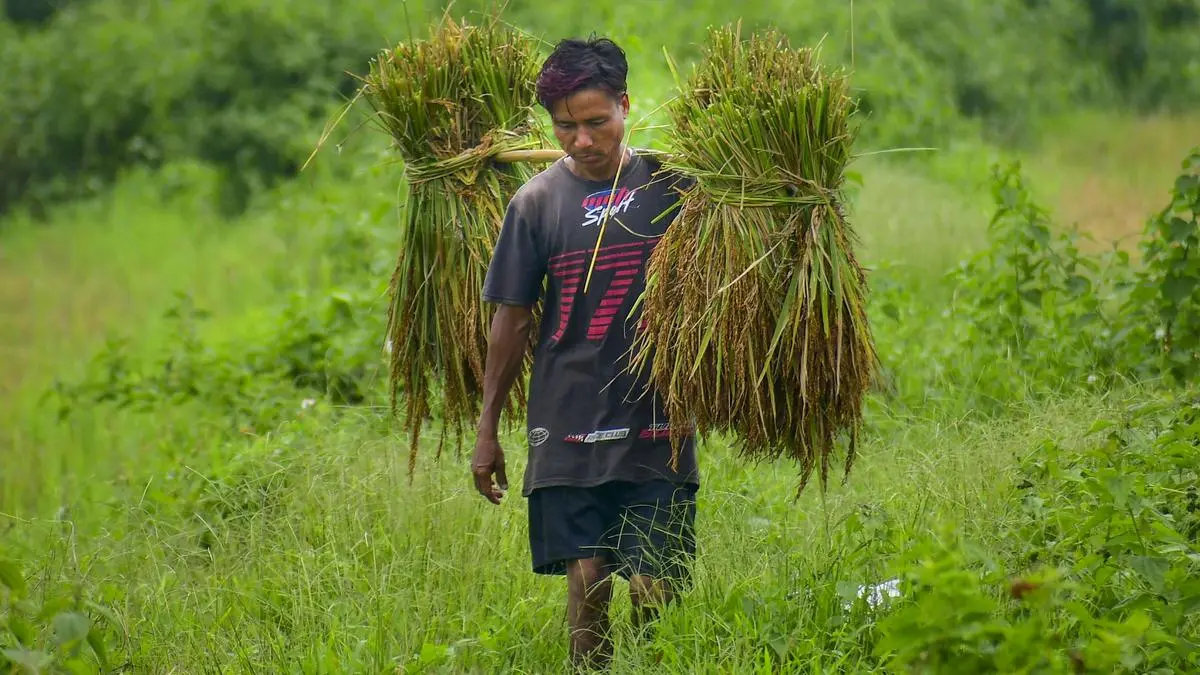
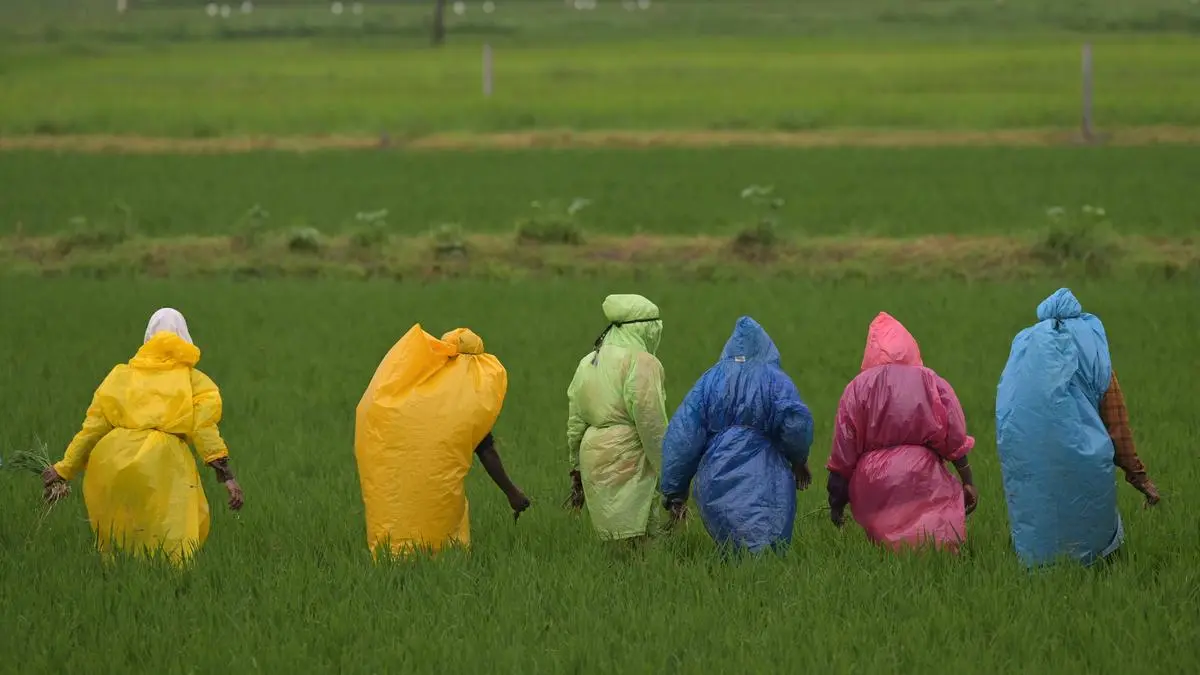
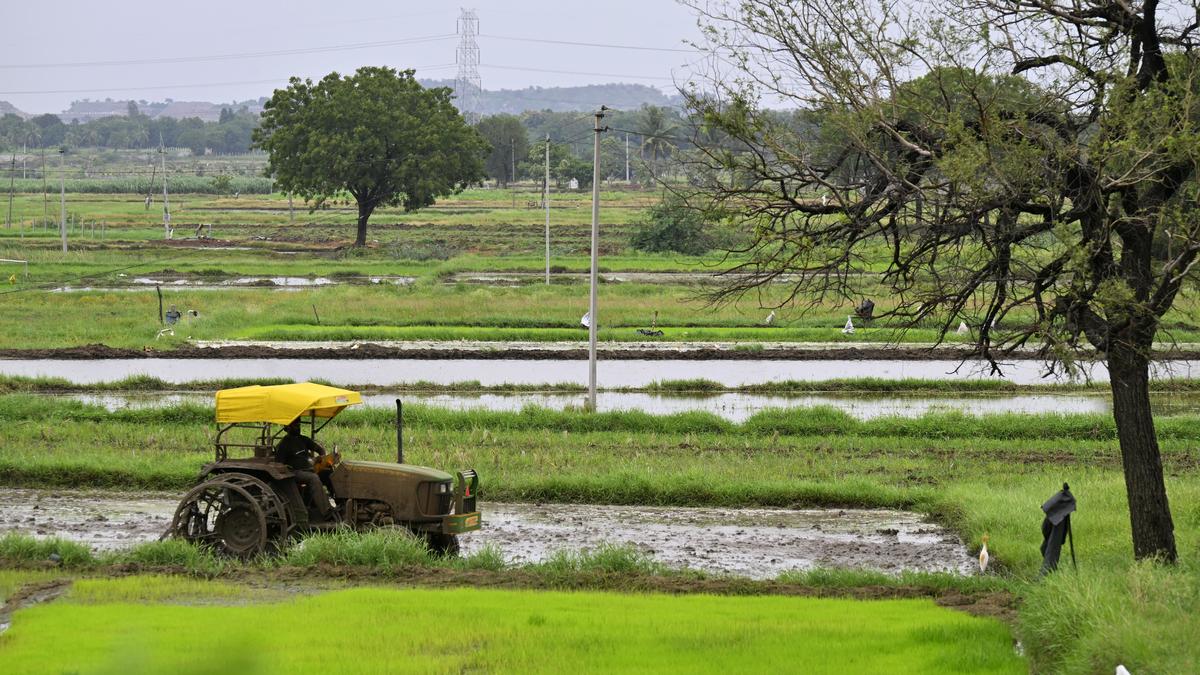
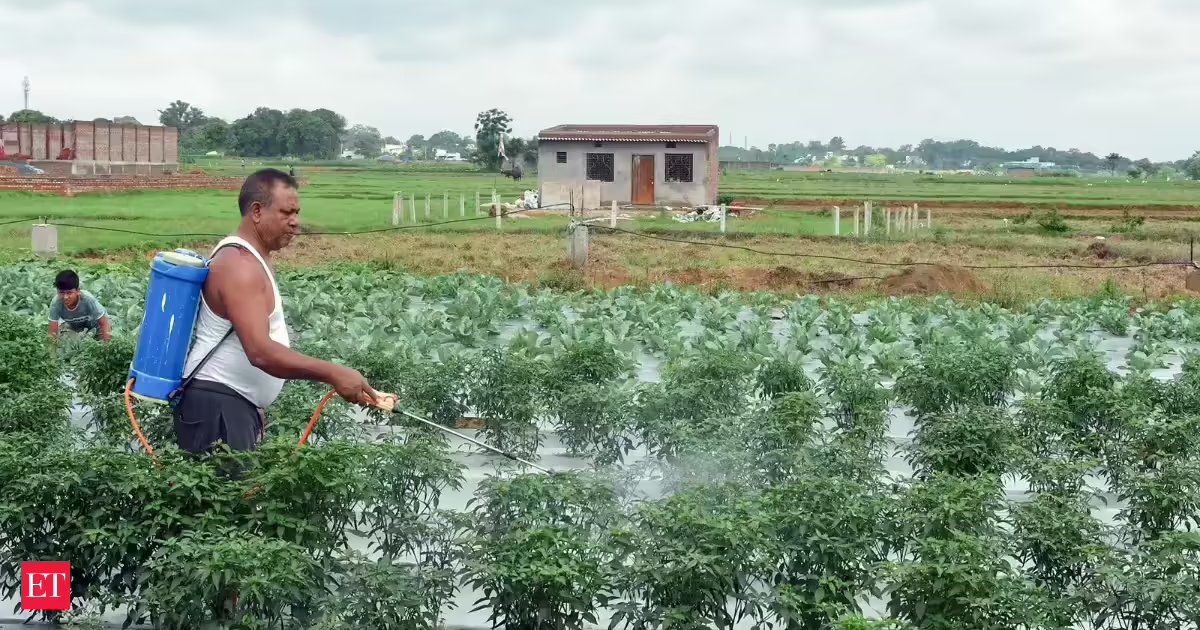
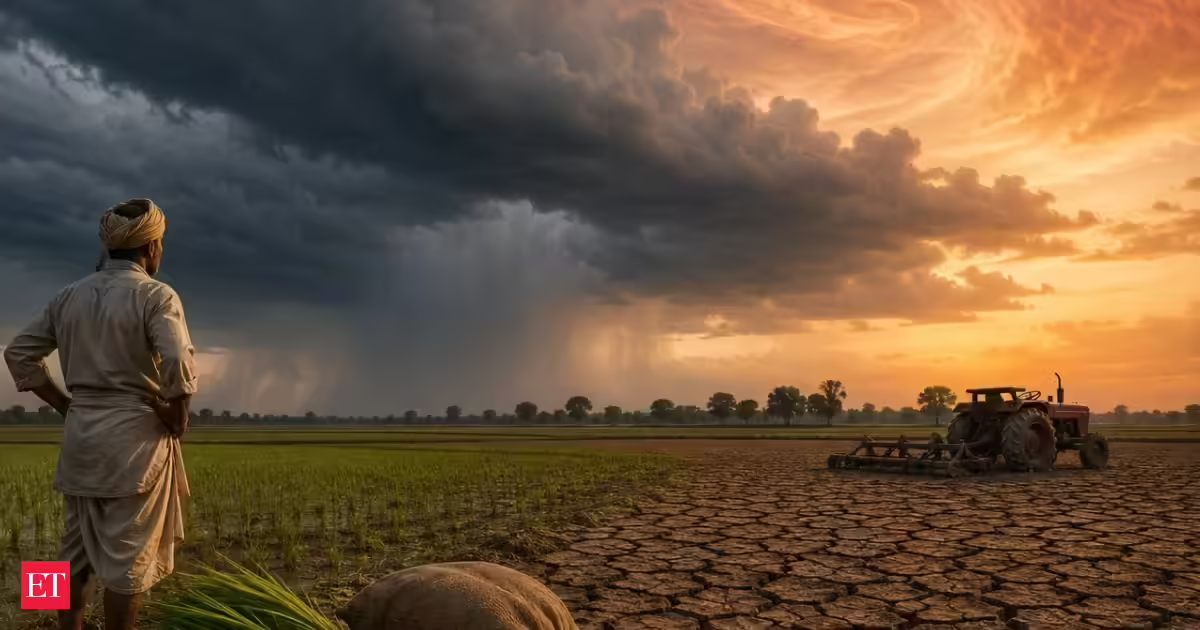
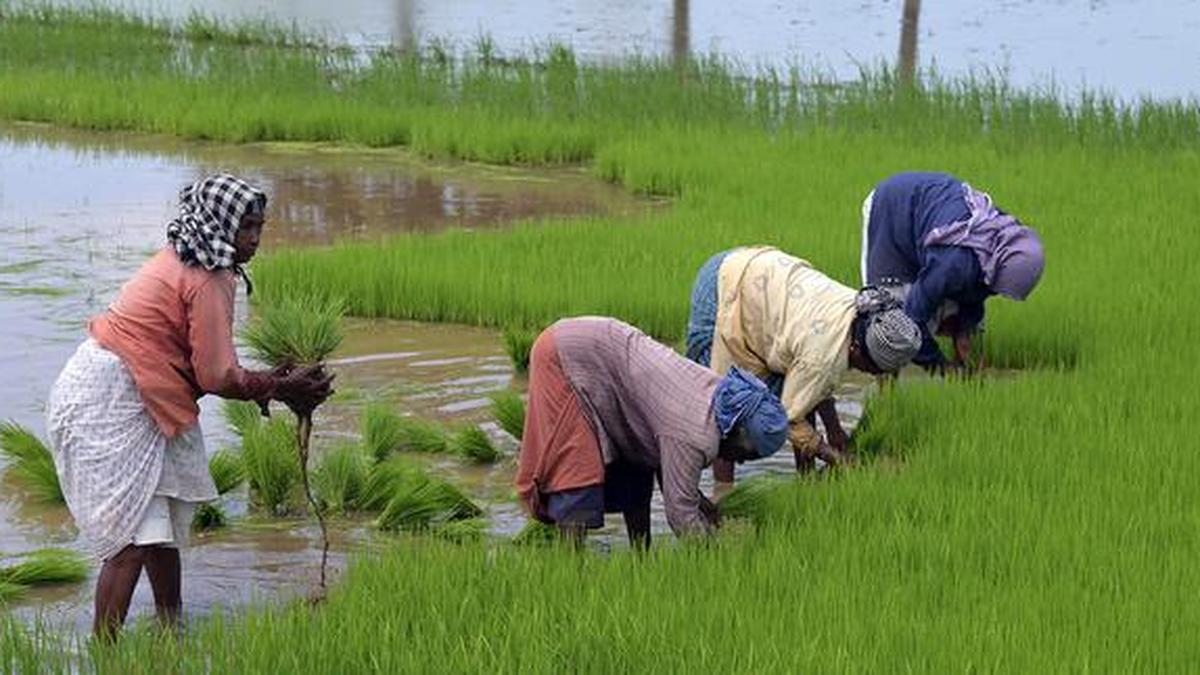
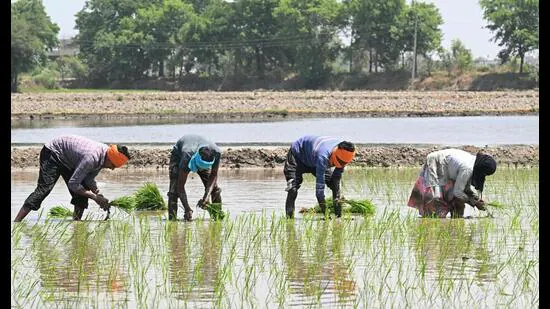
These are yet early days, but the monsoon has not fared well so far. A 35-40 per cent all-India deficit in June (the IMD has predicted a 10 per cent in deficit all over the country for the season) has already led to a weak start in kharif sowing. This newspaper recently reported that there has been a setback in tur, moong and urad sowing in Karnataka and Maharashtra. To be sure, there is no cause for alarm as far as food supplies are concerned, as the government is estimated to be holding close to five million tonnes in pulses stocks. According to another report by this newspaper last week, wheat and rice stocks are comfortable, at about 122 million tonnes — at least double the annual requirement for free foodgrain schemes.The future course of the monsoon remains uncertain. Besides, the impact of any monsoon shortfall on output depends on its spatial and temporal distribution. An acute shortfall in irrigated regions is unlikely to be as damaging as a similar event in rainfed areas. In this situation of uncertainty, it is best for all arms of the state machinery — from the Centre to the States and districts, as well as banks — to be prepared. While stocks are comfortable, the rural ecosystem could do with a protective umbrella. To begin with, the recent advancements in micro level forecasting must be put to wider use, so that localised strategies can be firmed up without delay, such as a timely shift in crop planning. The IMD has recently announced a forecast system that will generate ‘block’ level forecasts for half the country.While it is not easy to shift all of a sudden from a crop like paddy (which requires flooding the fields) to millets or pulses which can be damaged by soil moisture, a transition to direct seeded or drought tolerant varieties of paddy can be carried out. To cope with fertilizer shortages in the wake of the Gulf war, nitrogen-fixing pulses and legumes such as beans and groundnuts must be promoted. Short duration varieties must be prioritised. The most important step to be taken is to make seeds available. Earlier successes in dealing with drought, such as in Latur more than a decade ago, have been attributed to availability of seeds. Drought resistant strains must be made available through an efficient network. Besides seeds, regeneration of water bodies is important. Recent successes in drought-prone Anantapur district, Andhra Pradesh, are noteworthy. Maharashtra too has achieved some success.At the micro level, district collectors should exercise their powers to declare a crop drought on the basis of field inspection without necessarily waiting for crop cutting experiments. That can activate the weather based insurance apparatus. The Reserve Bank of India, too, should hold awareness programmes and prepare guidelines for bankers. Lower tiers of governance often lack clarity in dealing with such situations. At a macro level, greater outlays for irrigation and rural marketing infrastructure must be woven into capital formation.Published on June 22, 2026