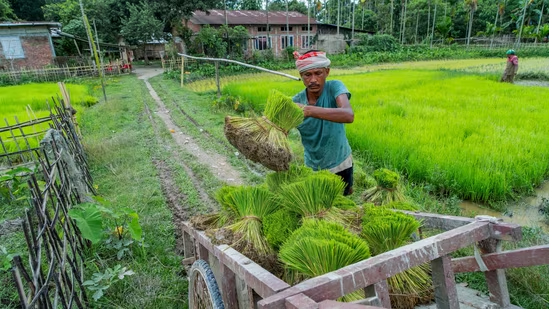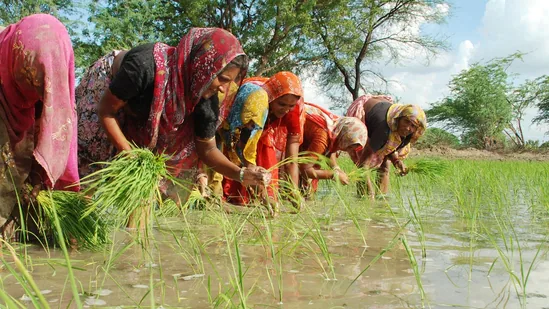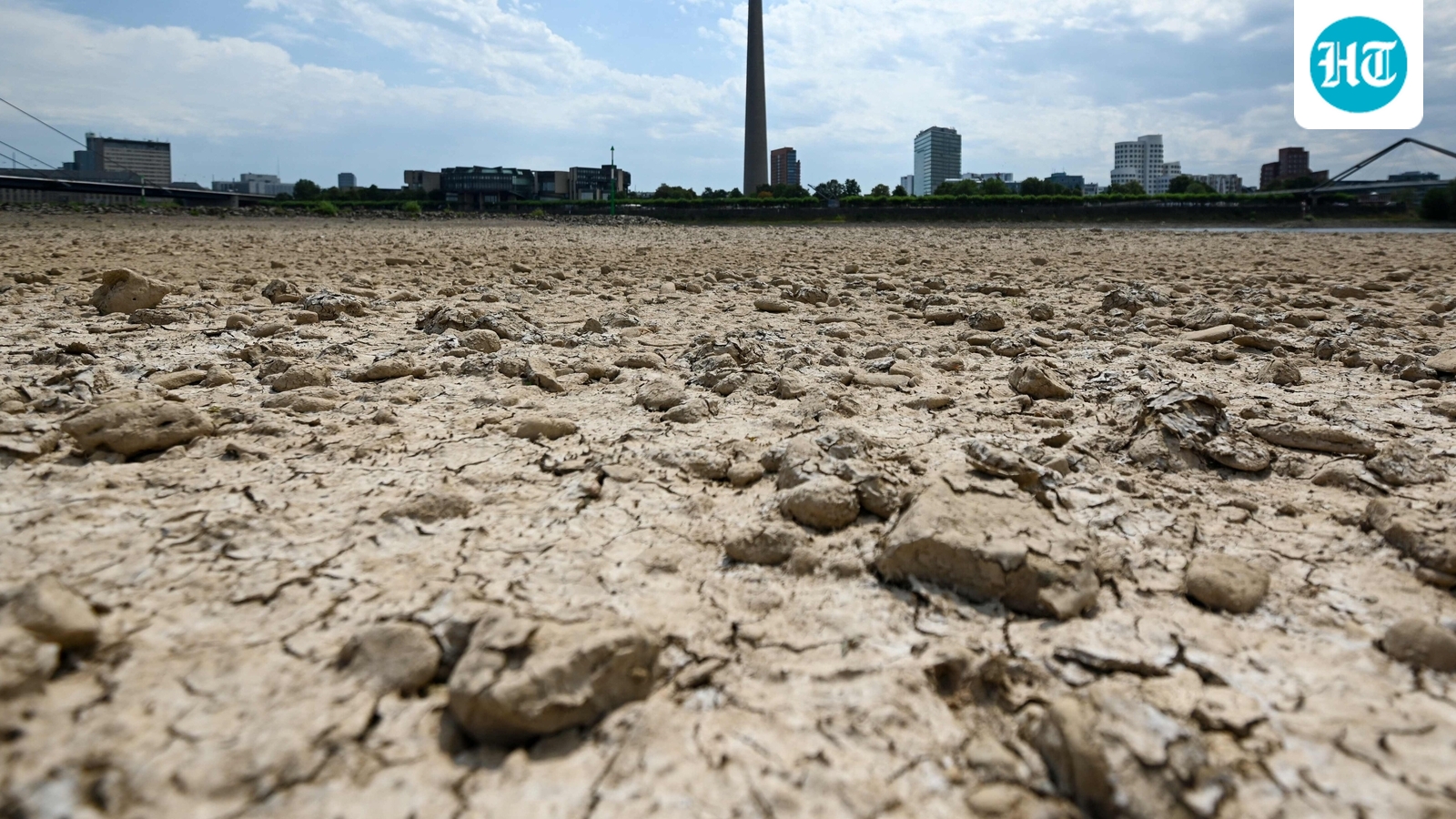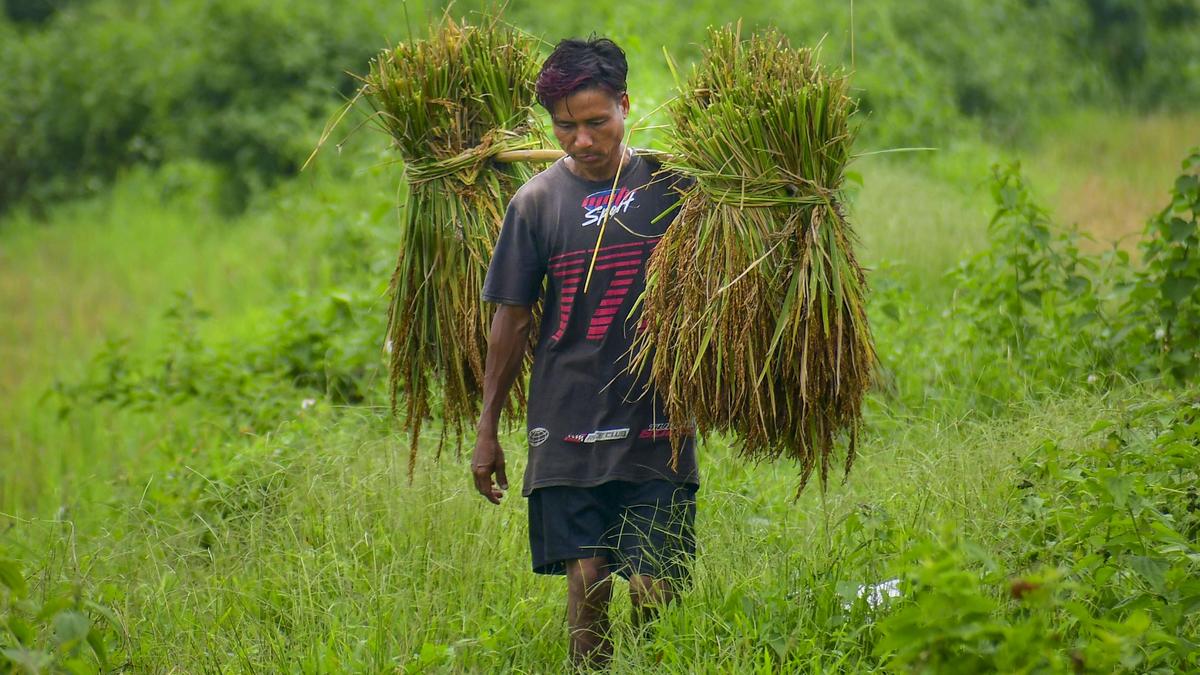
New Delhi: The southwest monsoon has recovered sharply after a weak June, but its uneven distribution continues to pose risks to the ongoing kharif season with large parts of the country still experiencing deficient rainfall. Aggregate rainfall numbers may indicate a recovery, but the spatial distribution can significantly impair agricultural growth, economists said.The overall rainfall deficit has narrowed from 38% in June to 15% as of July 9. However, data from the India Meteorological Department show that of the 738 districts it monitored, rainfall was deficient in 280 and largely deficient in another 97 between June 1 and July 8.Many of the affected districts are located in key agricultural states such as Maharashtra, Madhya Pradesh, Karnataka, Gujarat, Uttar Pradesh and Bihar, where farmers cultivate pulses, oilseeds, cotton, paddy and maize. Farmlands in a number of these places are rain-fed with very low irrigation coverage."The recent bout of rain has eased the immediate concerns. However, it does not eliminate the risks associated with a below-normal monsoon," said Yuvika Singhal, economist at QuantEco. The research firm estimates deficient rainfall to potentially slow agricultural growth to 0-1% in fiscal 2027 from about 3% last fiscal year and increase upside risks to food inflation.According to experts, the headline rainfall numbers mask significant regional disparities."From an agricultural perspective, the timing and spatial distribution of rainfall matter more than aggregate numbers," said Crisil Intelligence director Pushan Sharma. Nearly 100 of the 377 rainfall-deficient districts are predominantly rain-fed, where inadequate soil moisture could affect crop establishment and reduce yields, he said.Soyabean and cotton-growing regions in Maharashtra and MP, along with pulses and groundnut belts in Karnataka and Gujarat, continue to face moisture stress despite an improvement in the national rainfall position, Sharma said.
Deficit shrinks to 15% but uneven rains fan Kharif concerns
Monsoon recovery follows a weak June, but uneven distribution persists. Many key agricultural districts still face deficient rainfall, impacting crops. Economists warn of slowed agricultural growth and increased food inflation risks. Nearly one hundred rain-fed districts are predominantly affected by moisture stress. This situation poses significant challenges for the ongoing kharif agricultural season.
286 words~1 min read