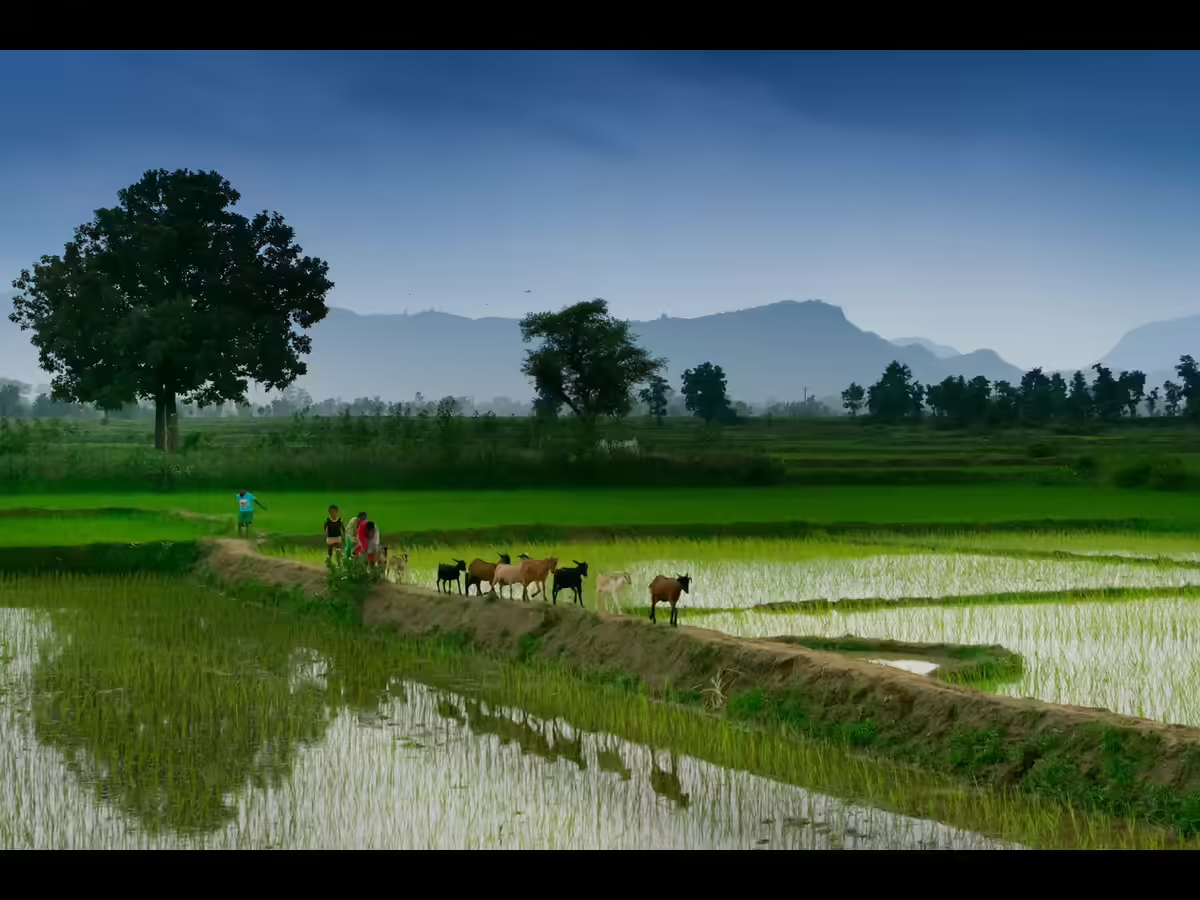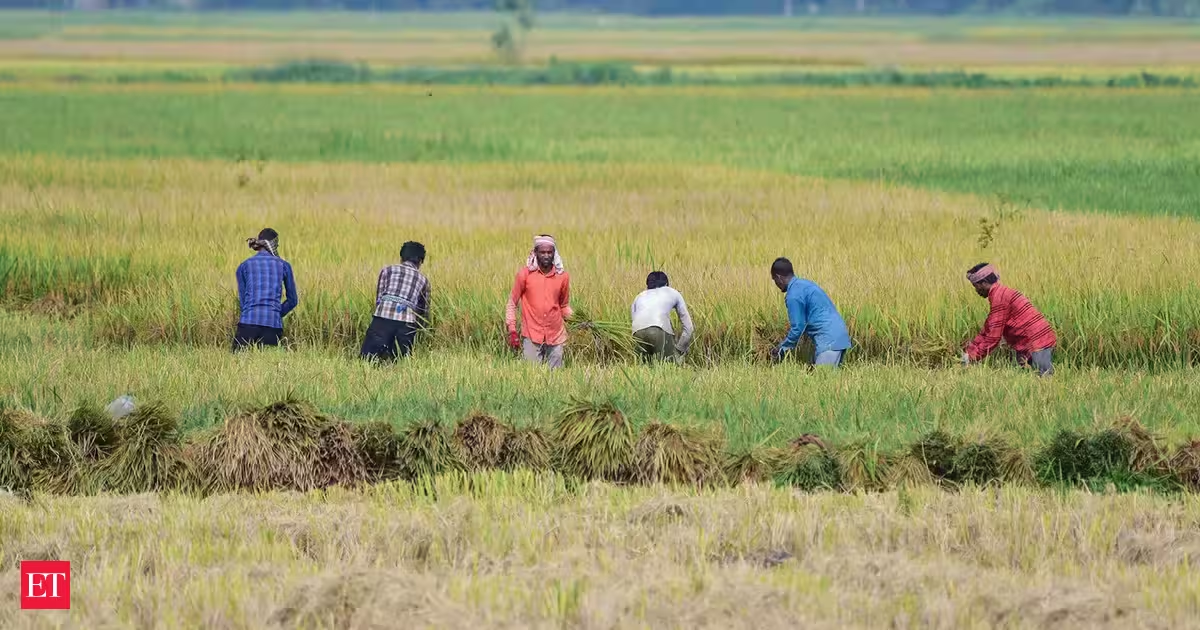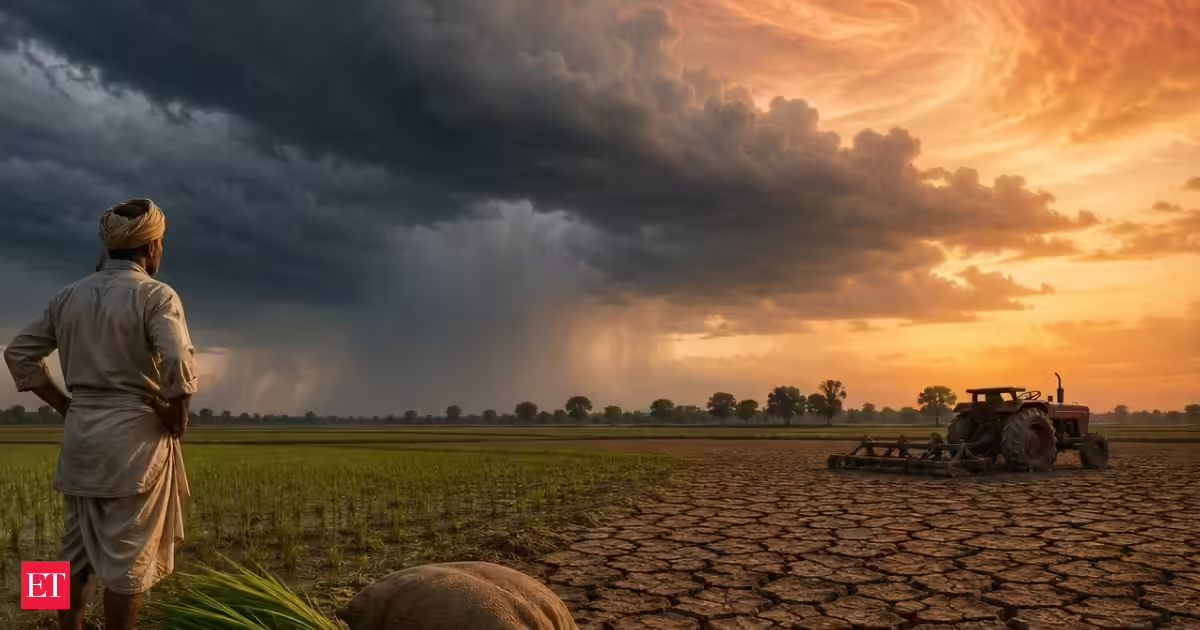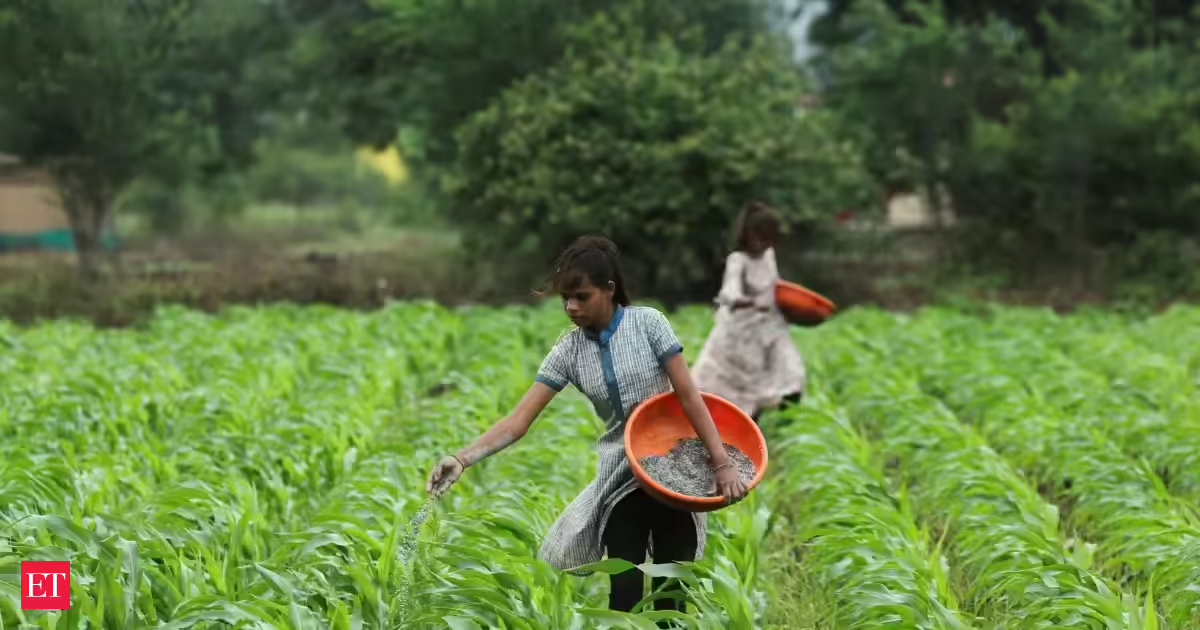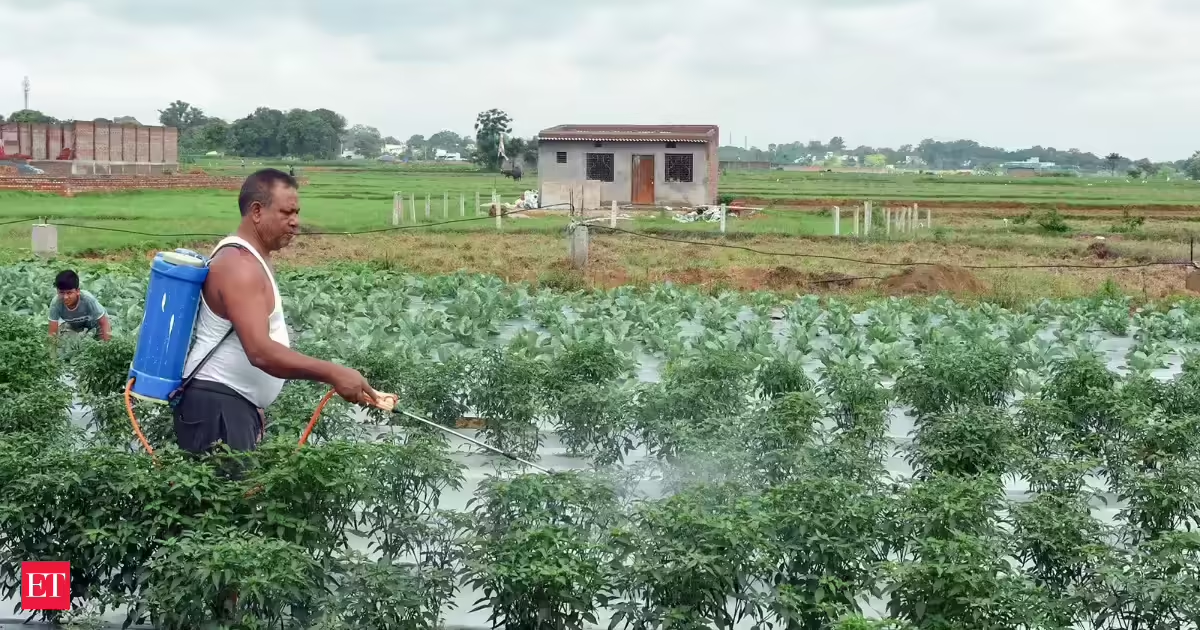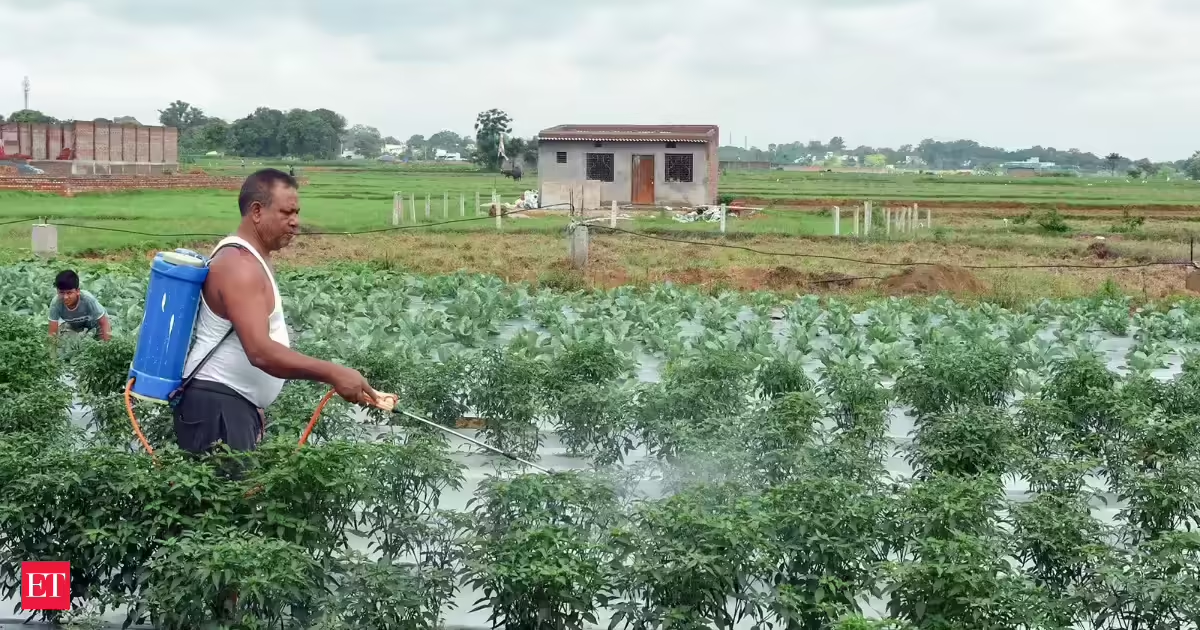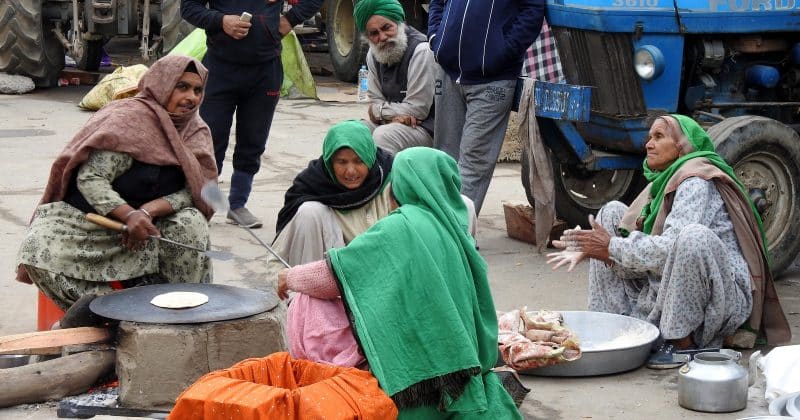
India’s monsoon season isn’t cooperating, and the stakes are enormous. Weak rainfall is disrupting the country’s roughly $300 billion farm and food economy, a sector that encompasses everything from crop production to processing and logistics.
Weak monsoon rainfall directly threatens crop yields. Lower yields mean reduced rural incomes, which in turn suppress rural consumption and broader economic activity.
India’s cold-chain infrastructure, the network of refrigerated storage and transport that keeps perishable food from spoiling, already faces significant challenges. A weak monsoon exacerbates those gaps, leading to higher food spoilage rates and higher prices at the market.
Historically, weak agricultural performance in India correlates with increased food inflation. That’s a pattern the Reserve Bank of India knows well, and it’s one that tends to force difficult monetary policy decisions. When food prices spike, the central bank faces pressure to tighten rates, even if the broader economy could use looser conditions.
Analysts have grouped weak monsoon conditions alongside geopolitical tensions and fuel price volatility as significant threats to the country’s economic stability.