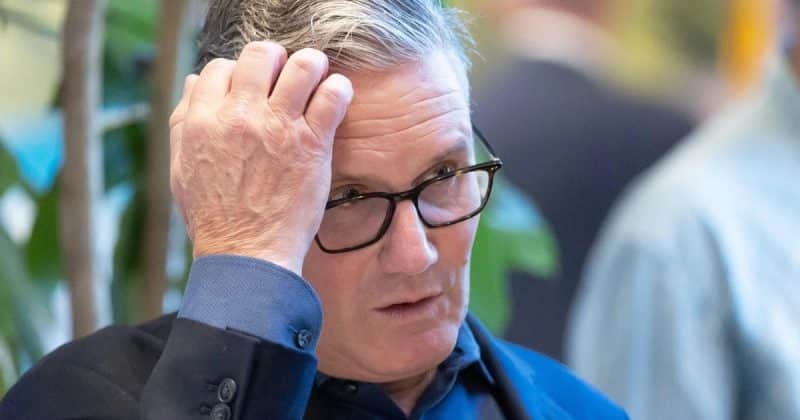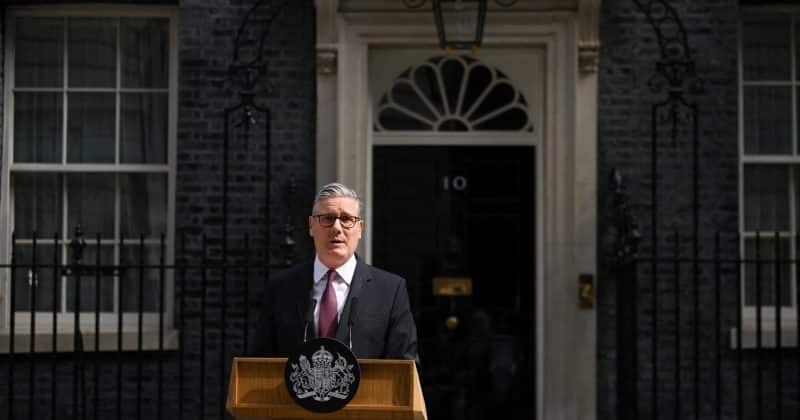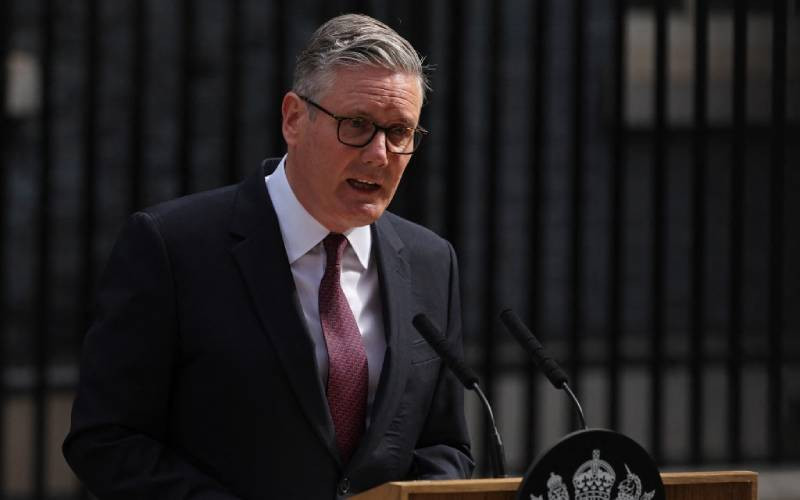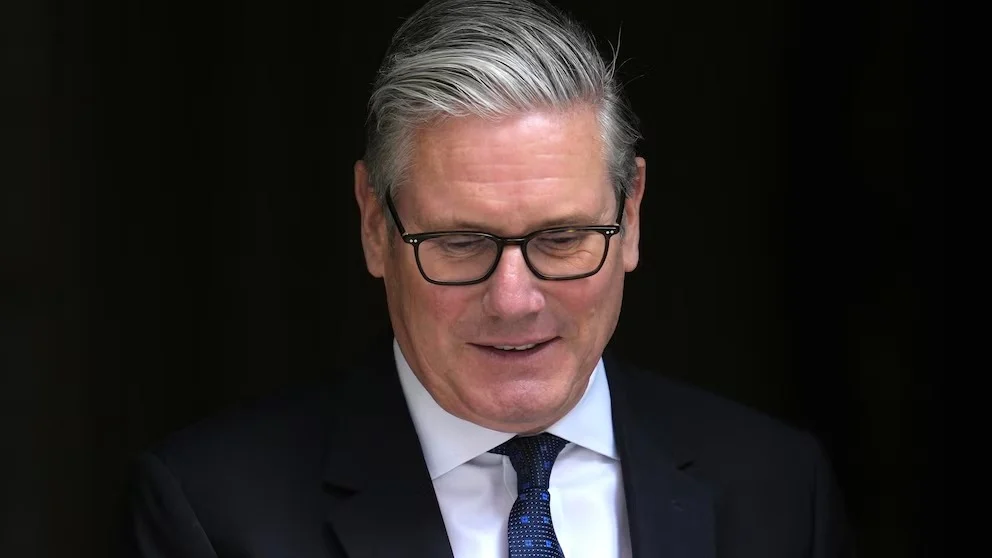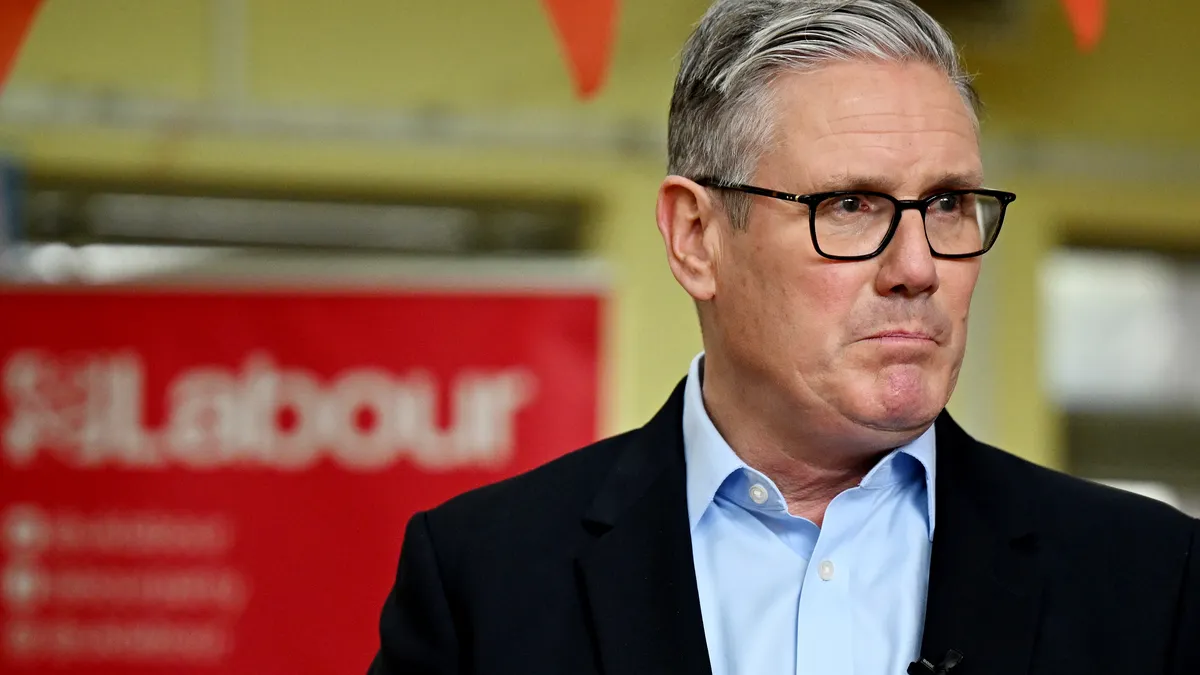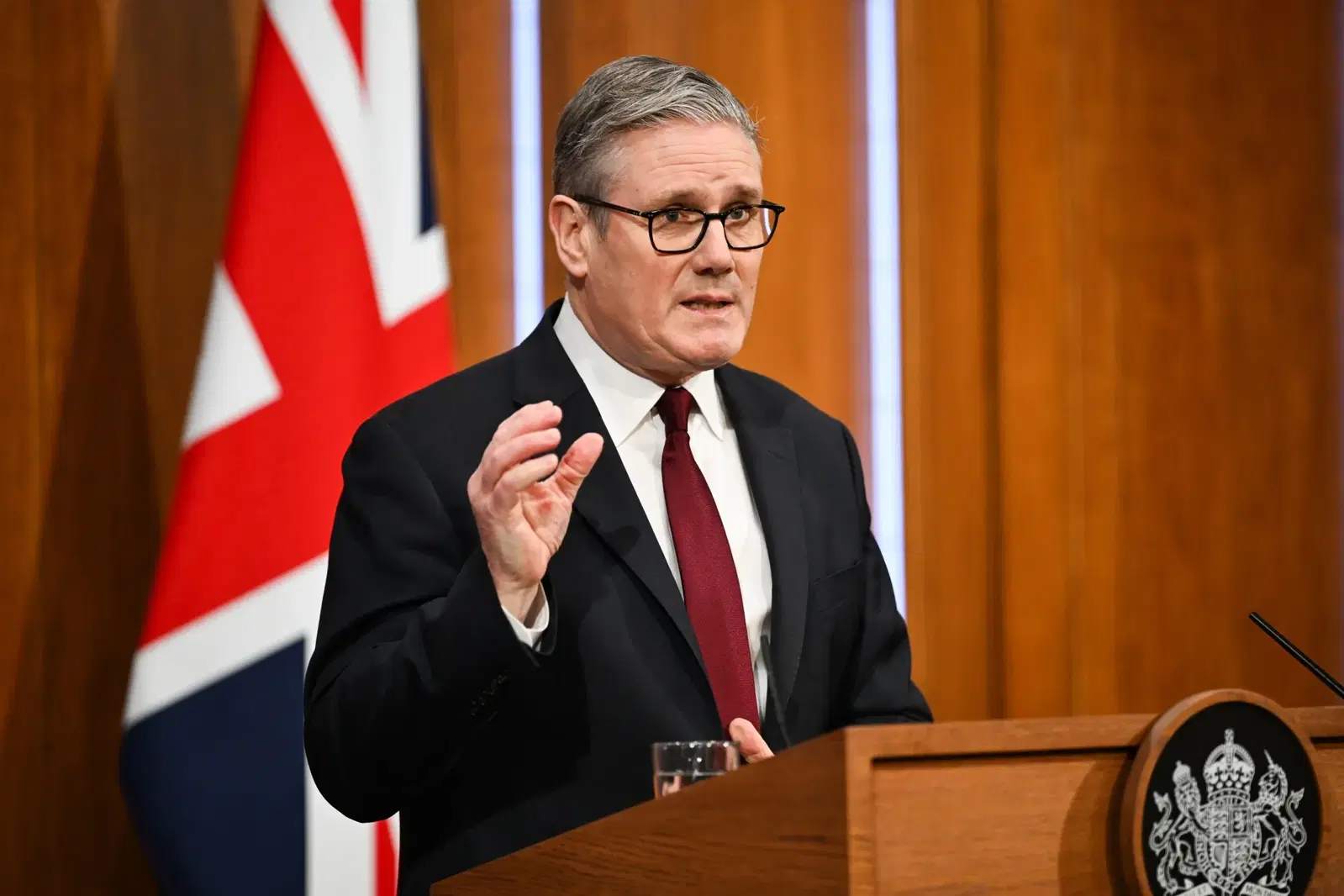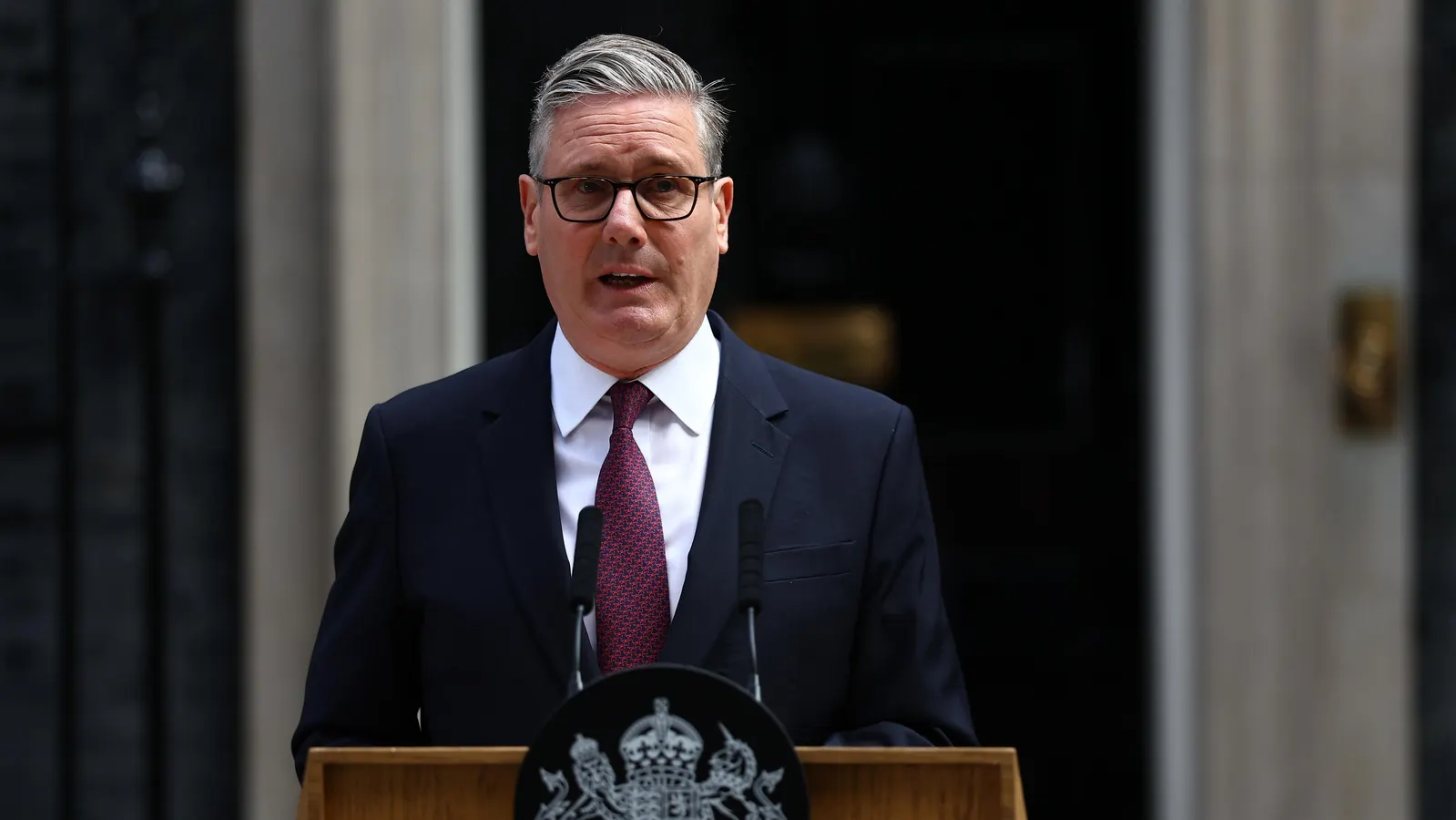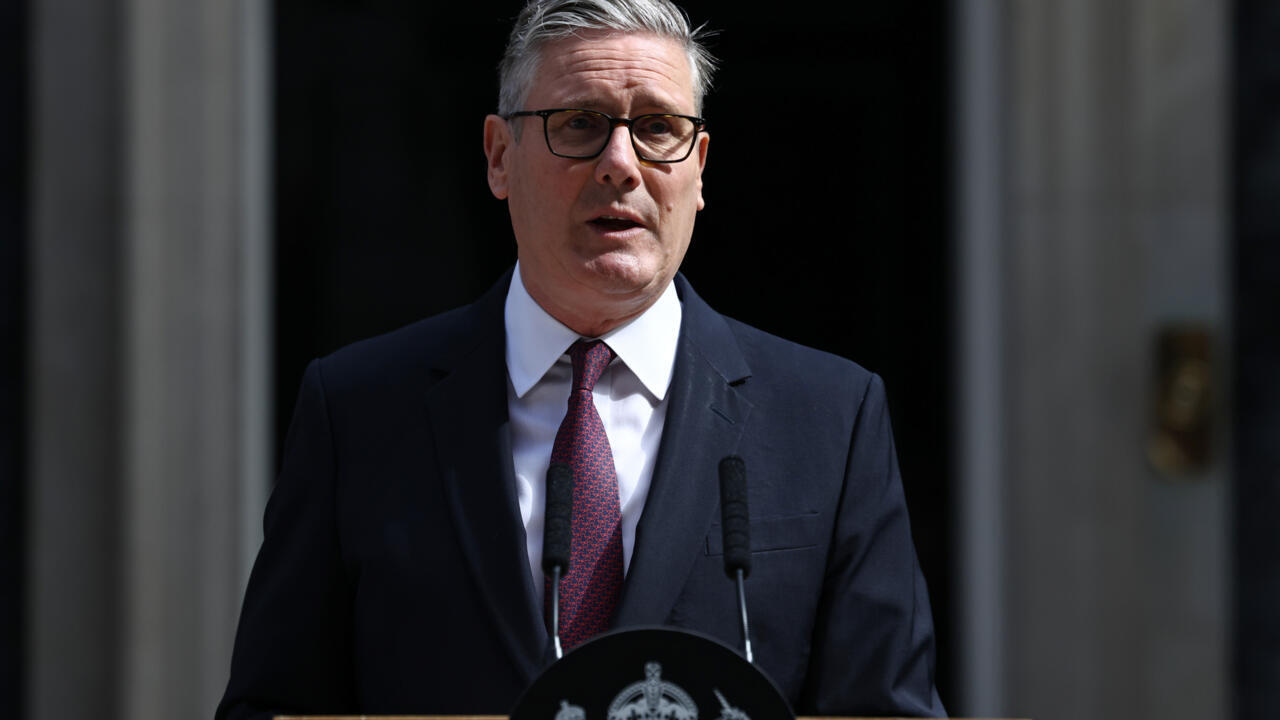
Keir Starmer is stepping down as leader of the UK’s Labour Party and, with it, as Prime Minister, barely two years after sweeping into Downing Street on a wave of electoral optimism. The resignation makes him the latest in a revolving door of British leaders, marking the seventh prime ministerial change in roughly a decade.
Markets didn’t wait for a formal farewell speech. Sterling weakened by 0.2% against the US dollar, slipping below $1.32, while 10-year gilt yields nudged from 4.84% to 4.85%.
What happened and why it matters for crypto
Starmer became Prime Minister on July 5, 2024, after Labour’s general election victory. He is expected to announce a transition timeline around June 22, 2026, setting the stage for a leadership contest that will determine who inherits an economy still wrestling with stubborn inflation, fiscal constraints, and a half-built regulatory framework for digital assets.
Starmer’s government had been quietly laying groundwork on crypto policy. In March 2026, his administration implemented a temporary ban on crypto donations to political parties, a move aimed at addressing concerns about traceability and potential foreign interference in British politics.