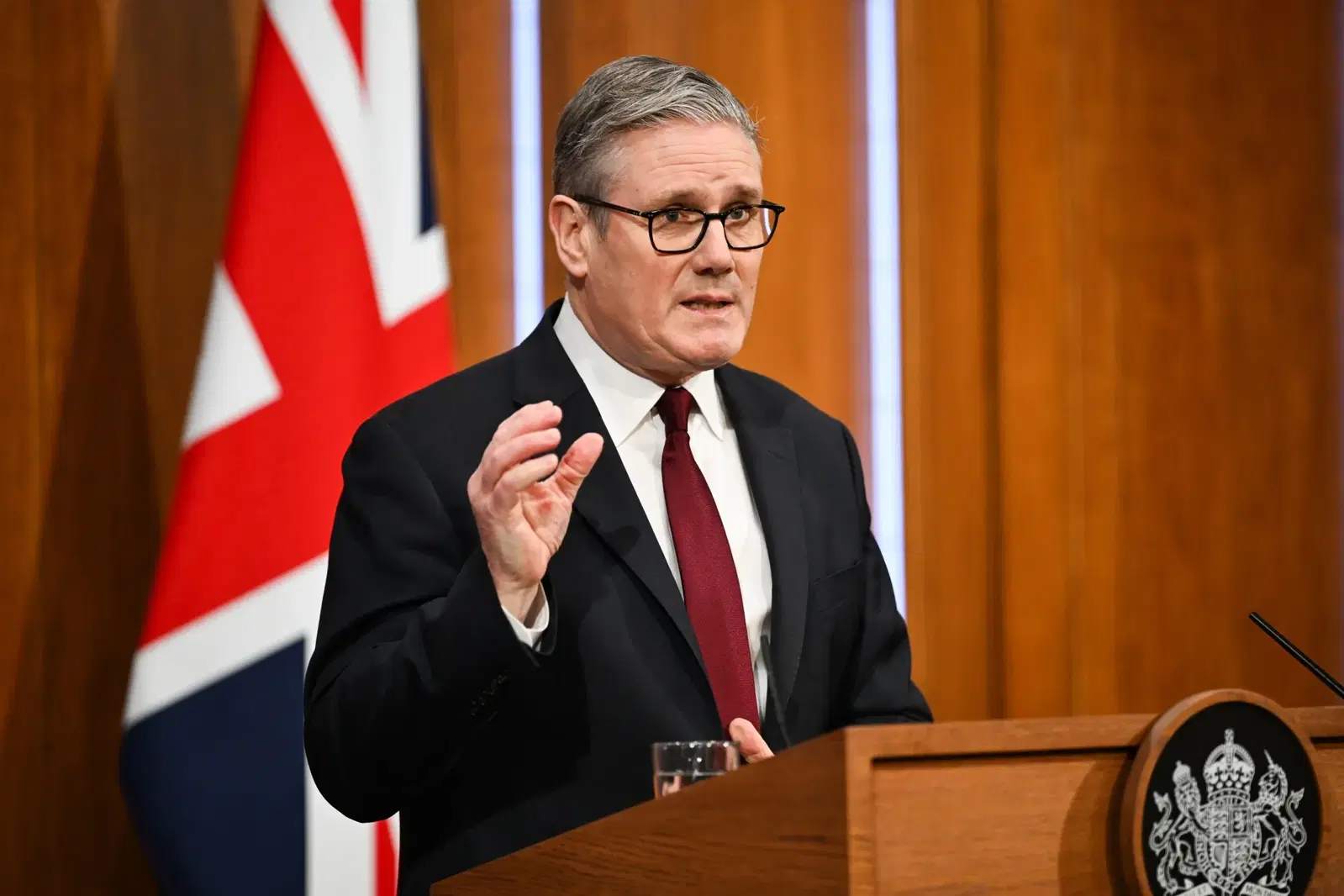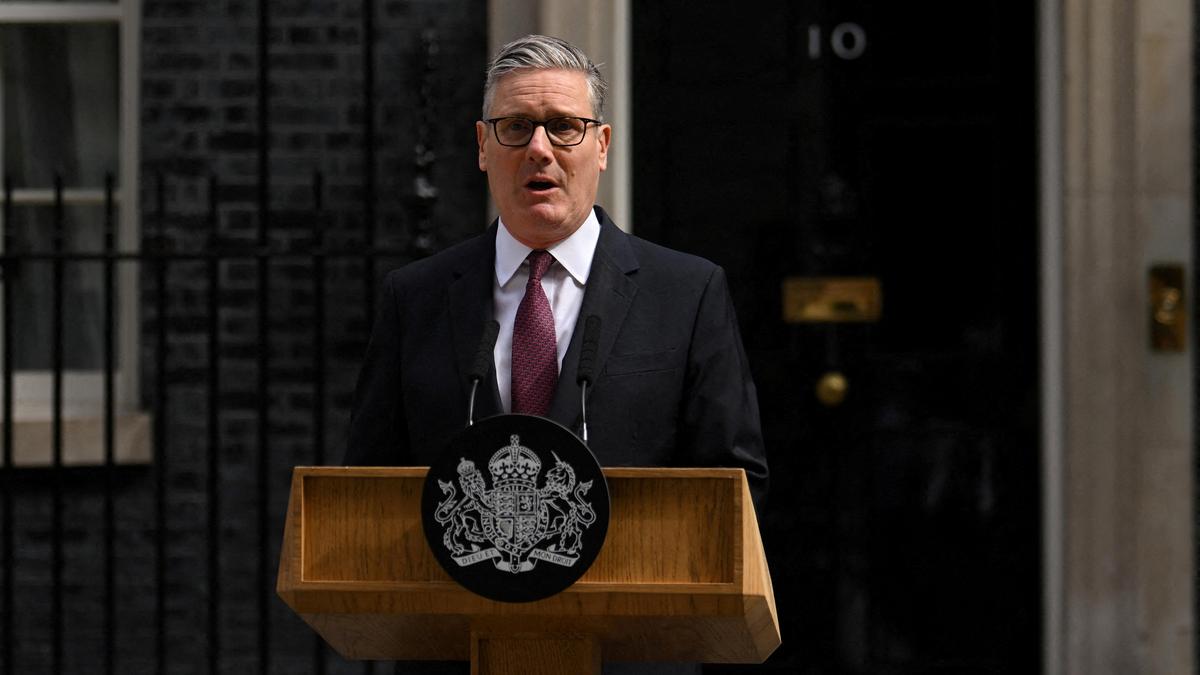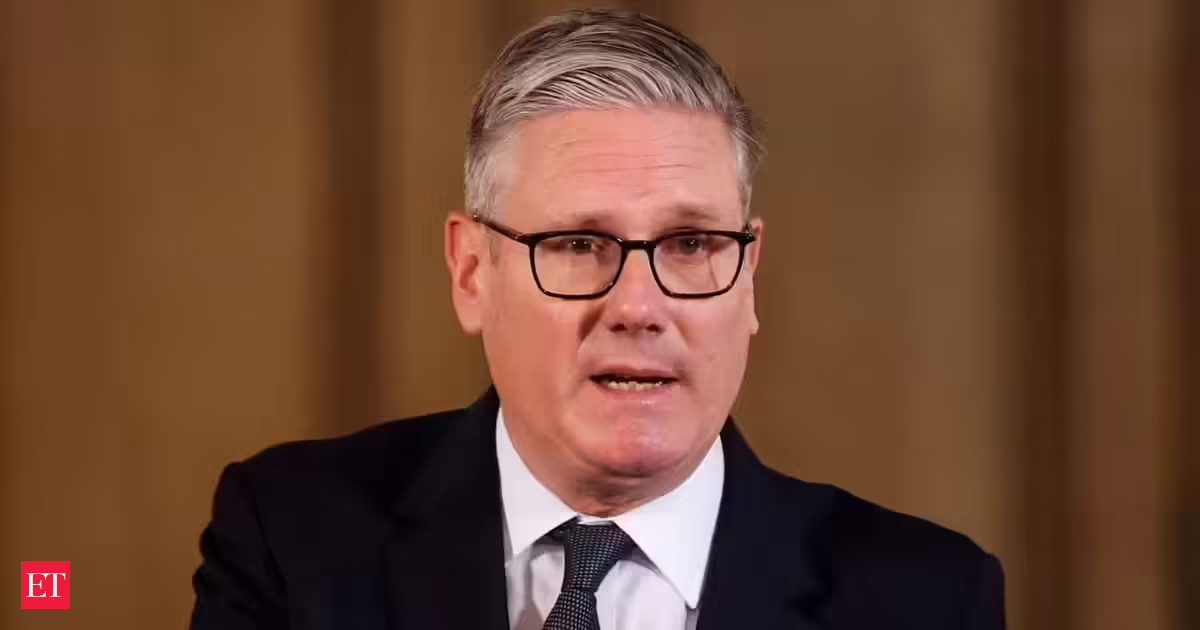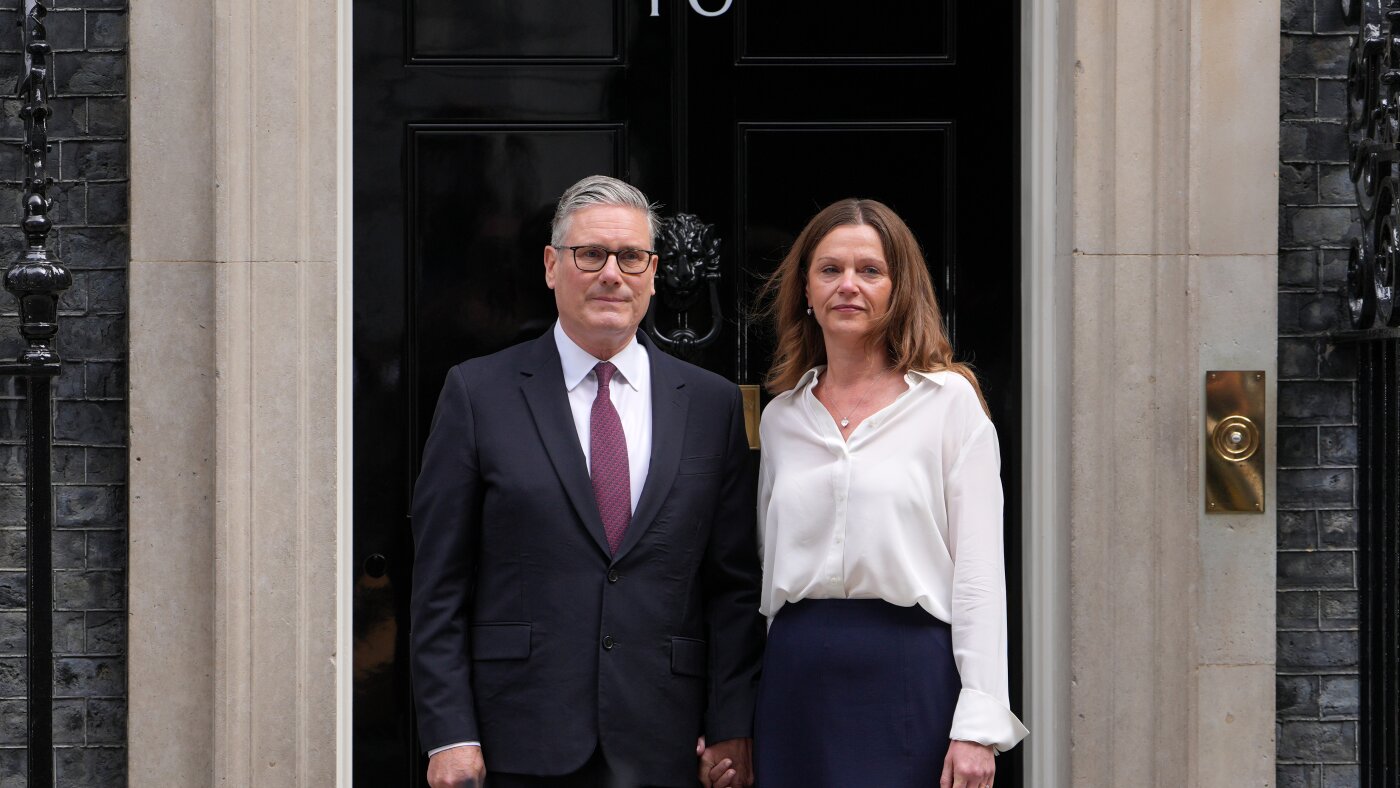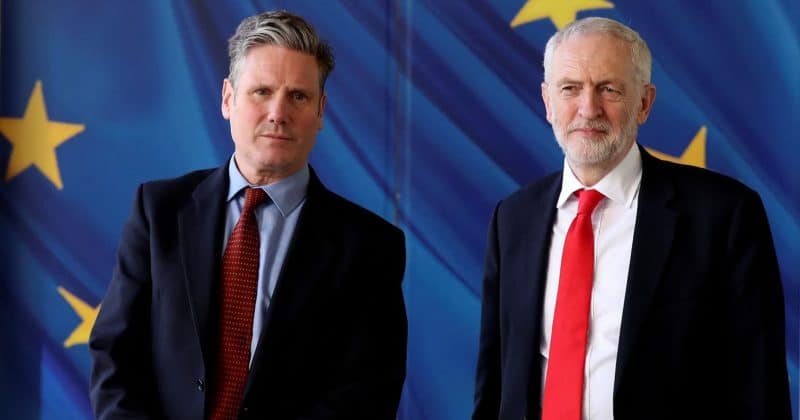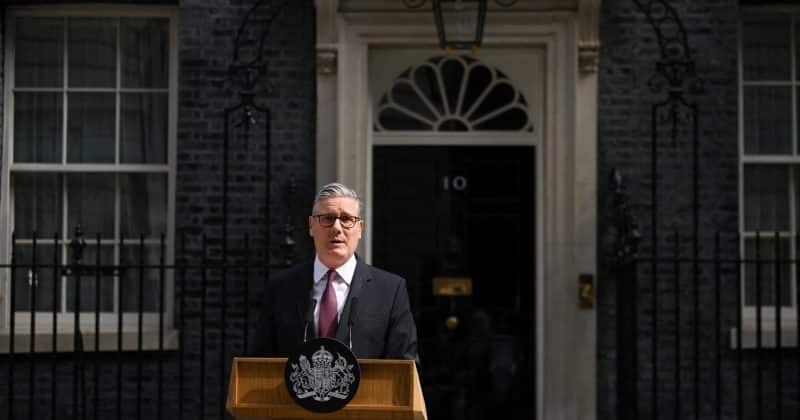
Keir Starmer announced his resignation as UK Prime Minister on June 22, 2026, ending a tenure that lasted less than two years. The departure sets the stage for yet another Labour leadership contest, one that could meaningfully reshape Britain’s approach to digital asset regulation.
Starmer took office on July 5, 2024. He leaves having never quite escaped the gravitational pull of internal party dissent and a string of poor electoral showings that steadily eroded his authority. The proximate cause: Andy Burnham’s strong performance in recent by-elections, which effectively made the quiet part loud. Starmer’s grip on the party had been slipping for months, and Burnham’s results gave Labour MPs the proof they needed to push for change.
In March 2026, Starmer’s government implemented a ban on crypto donations to political parties, citing concerns about illicit financial flows. That policy now sits on shaky ground. Burnham, widely considered the frontrunner to replace Starmer, has taken a notably more progressive stance on digital assets. Nominations for the new Labour leader are expected around early July 2026.
This leadership contest will mark the seventh time the UK has changed its leader in roughly ten years. Starmer’s government faced a series of scandals and internal disagreements that compounded his electoral difficulties. Prediction markets had shown increasing interest and high volumes throughout 2026 around the prospect of Starmer’s departure, suggesting that this outcome was priced in well before the official announcement.