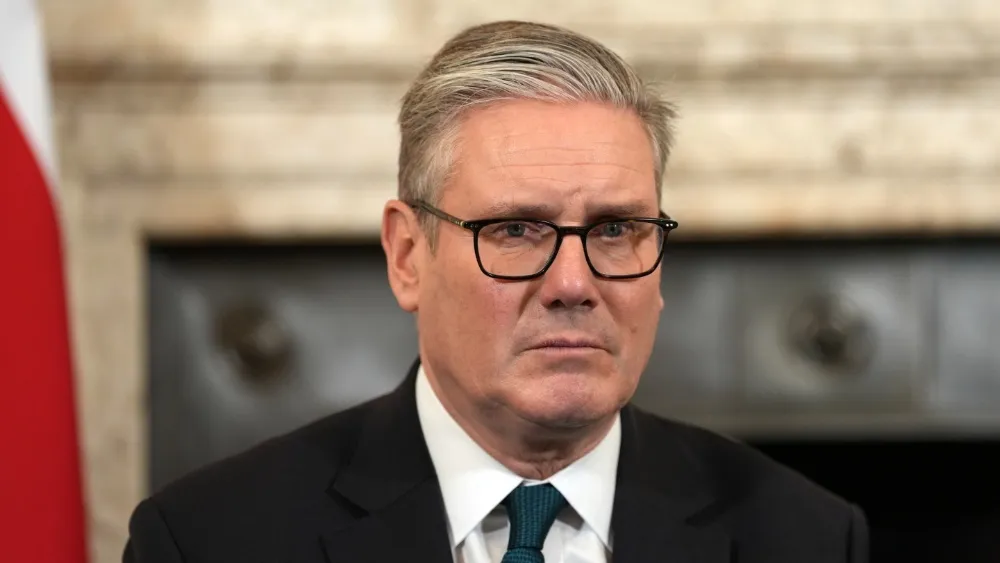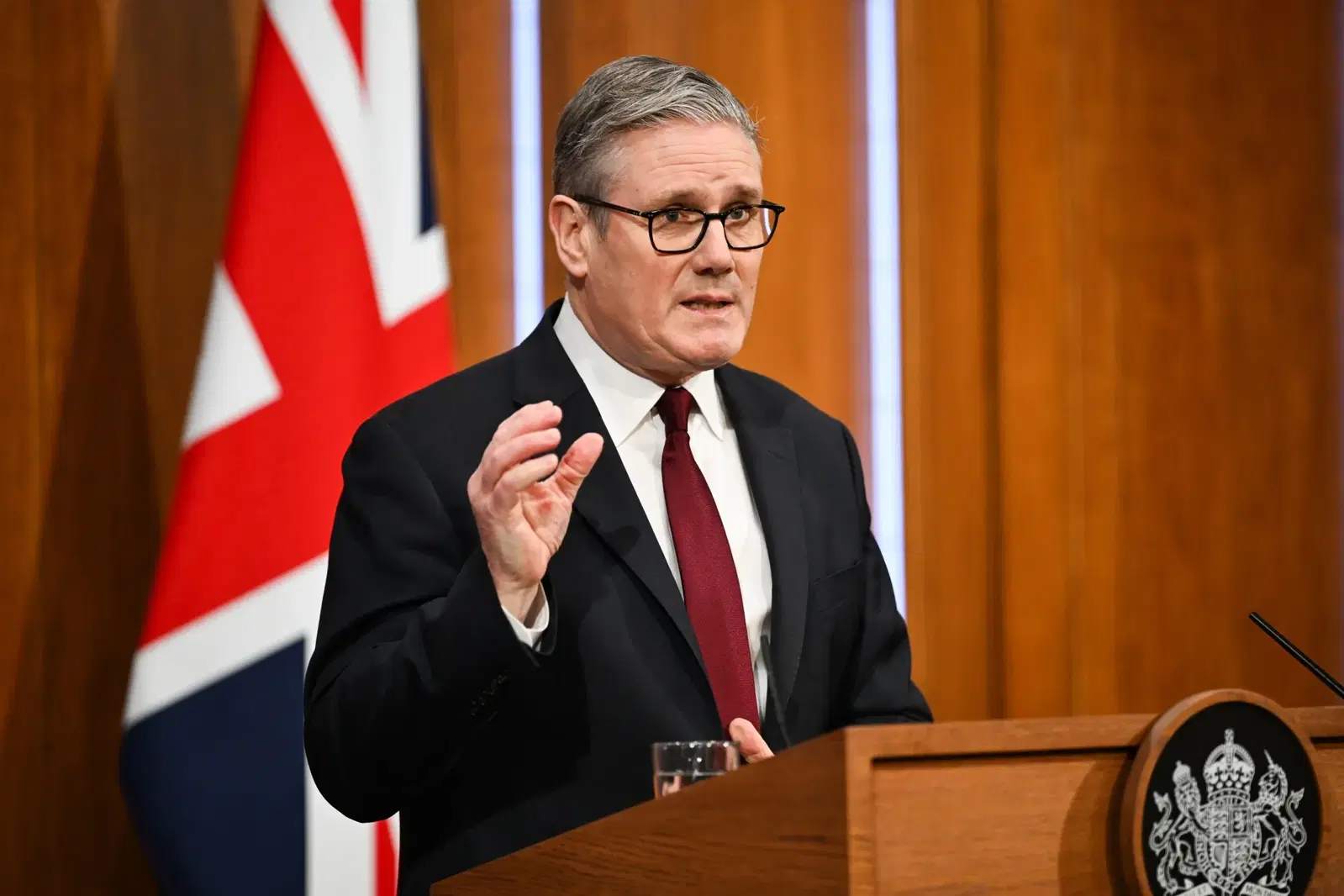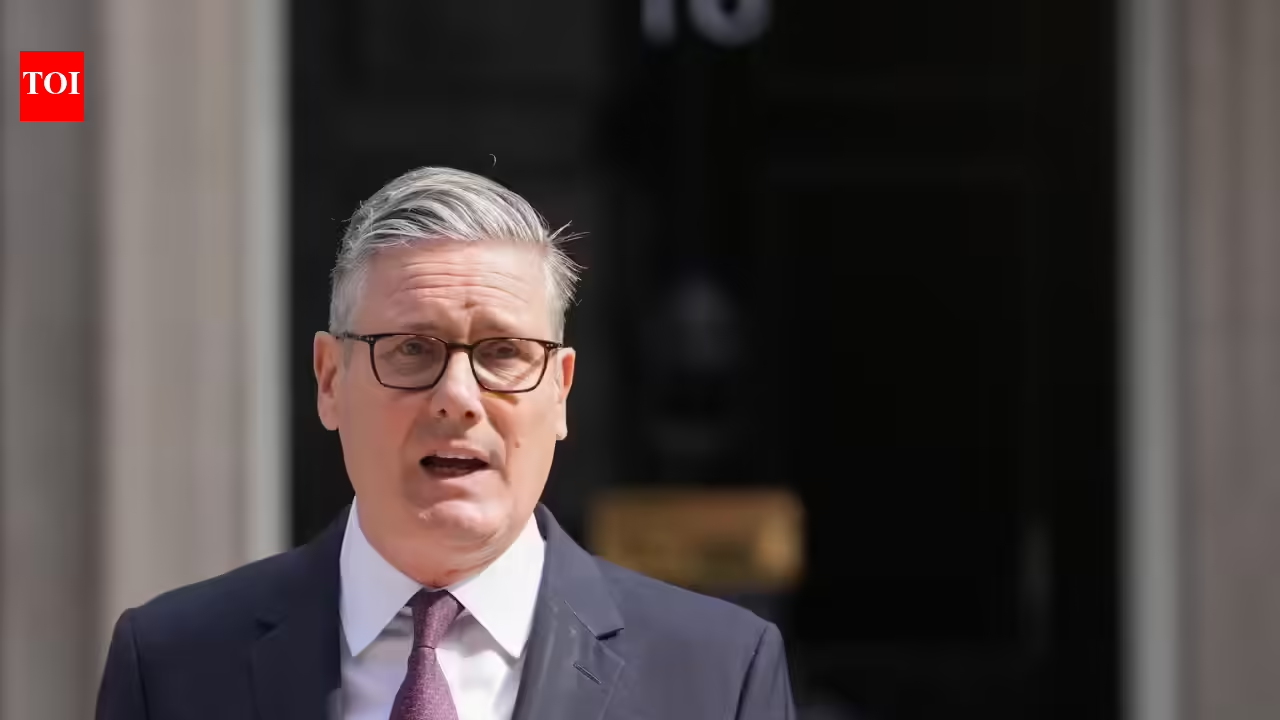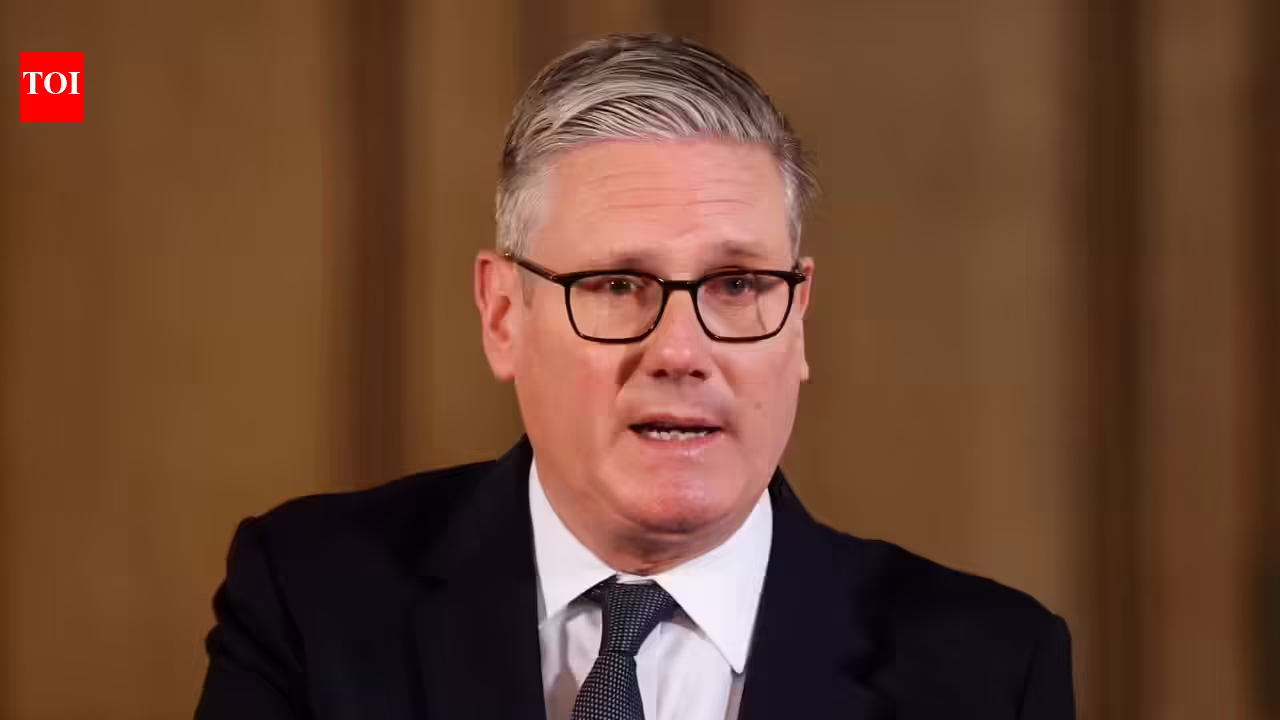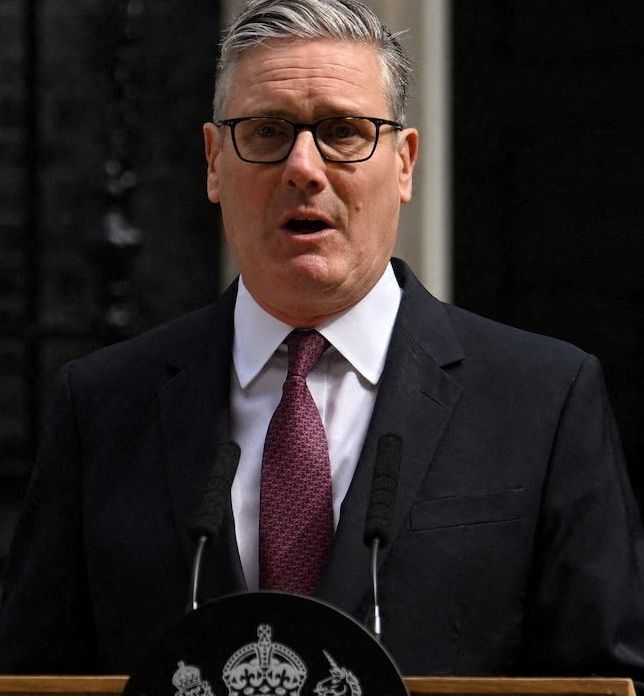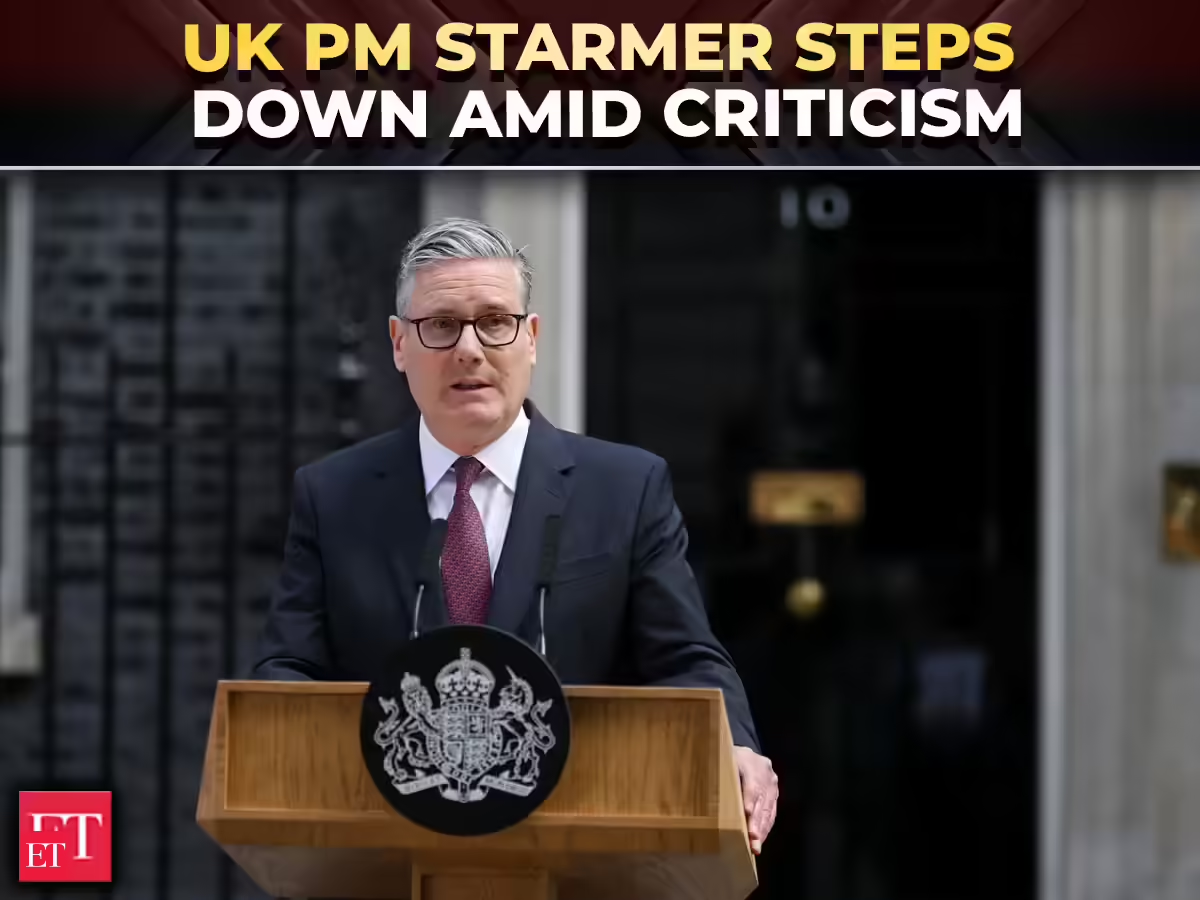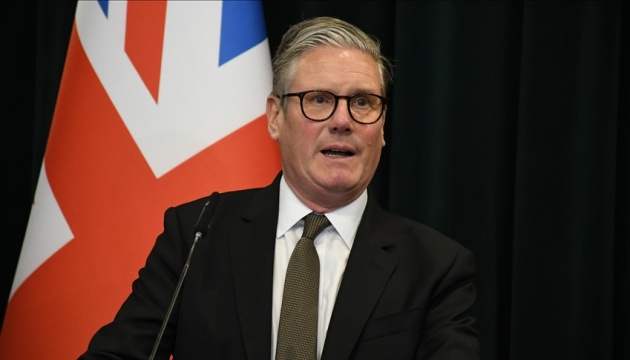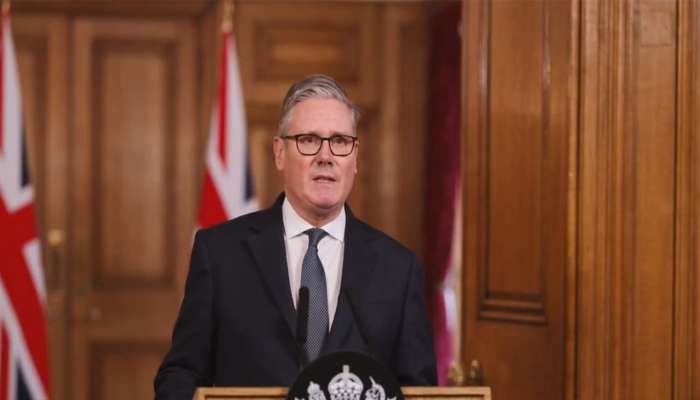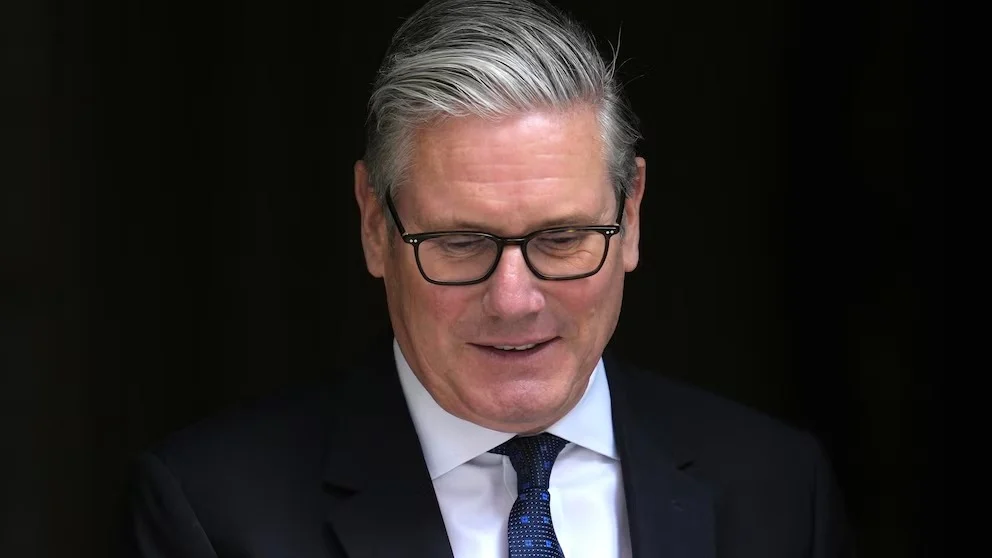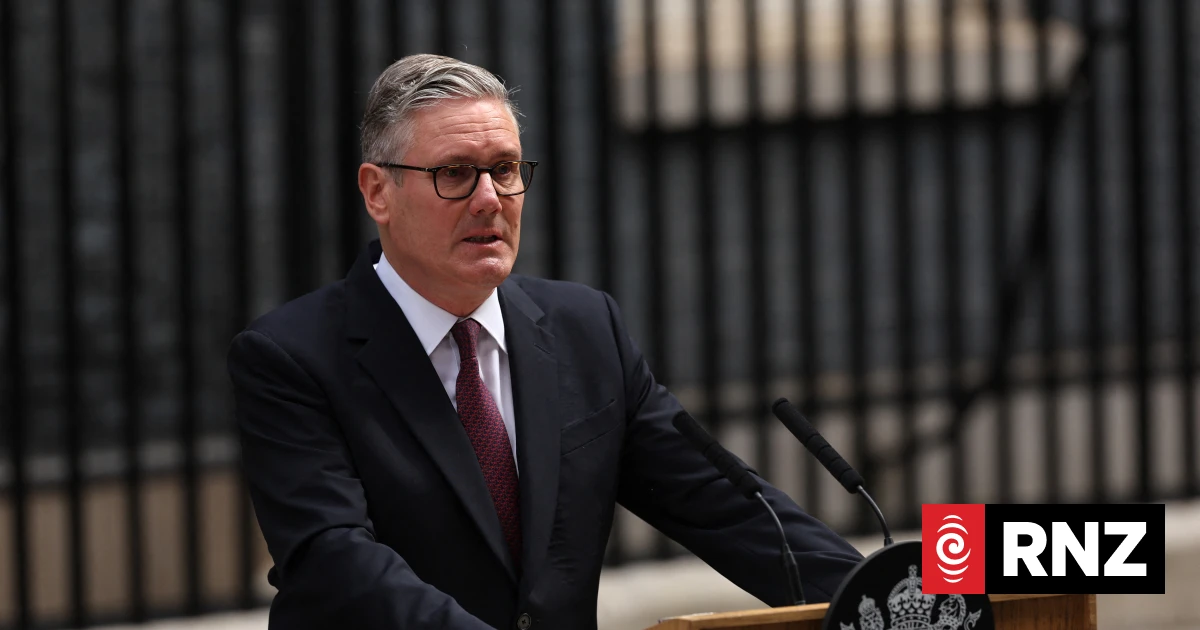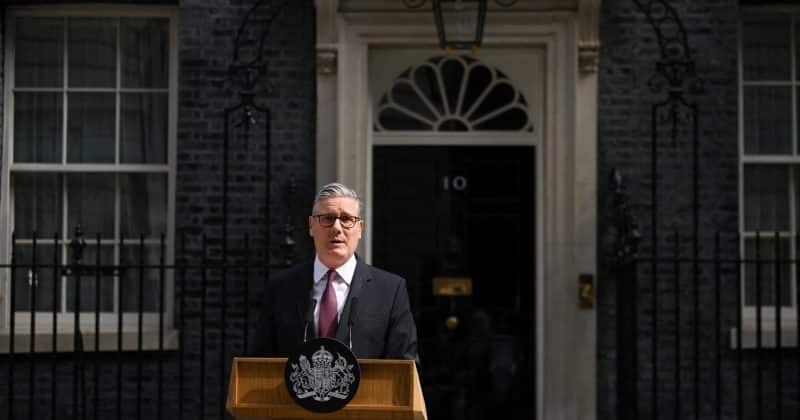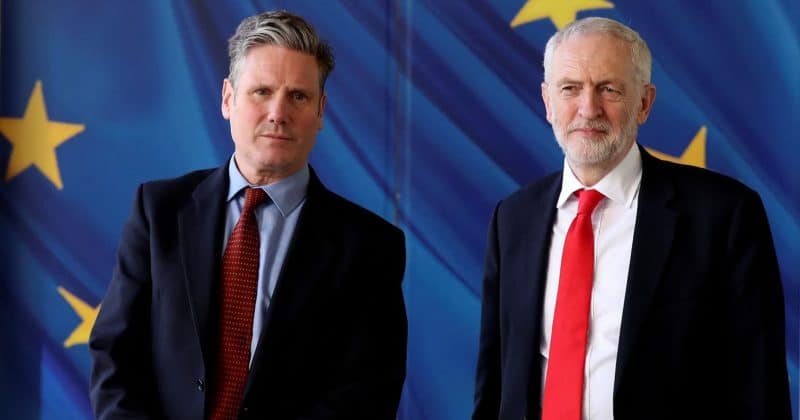
Keir Starmer stepped down as UK Prime Minister on June 22, announcing his resignation after a wave of internal Labour Party dissent made his position untenable. The departure marks the end of a turbulent stretch for the Labour leader, who faced mounting criticism from his own MPs over economic policy and questions about his effectiveness at the helm.
Starmer informed King Charles of his decision before making it public. The Labour Party now faces a leadership contest, with a new leader expected to be in place before Parliament reconvenes in September 2026.
What happened inside Labour
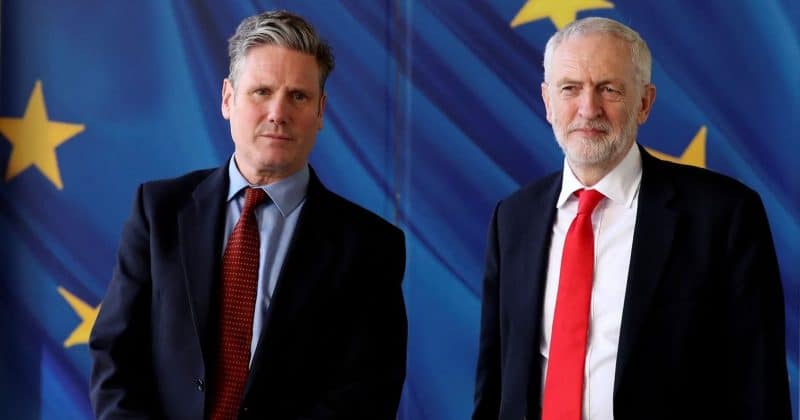
Andy Burnham, the Greater Manchester Mayor who recently won a by-election, has emerged as the frontrunner to succeed Starmer. Burnham’s fresh electoral mandate gives him momentum heading into what promises to be a competitive leadership race. For context, Burnham previously ran for the Labour leadership in 2015, losing to Jeremy Corbyn, so this represents something of a political comeback story.
Adding a layer of geopolitical theater to the whole affair, Donald Trump took to social media on June 21, one day before the actual resignation, declaring that Starmer “will resign.” Trump had been critical of Starmer’s government over immigration and energy policies.