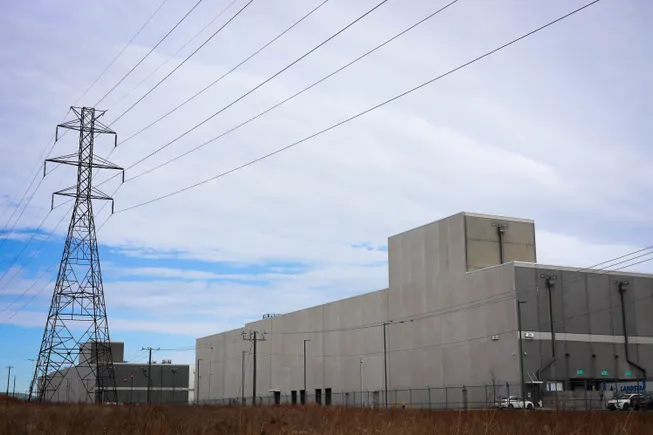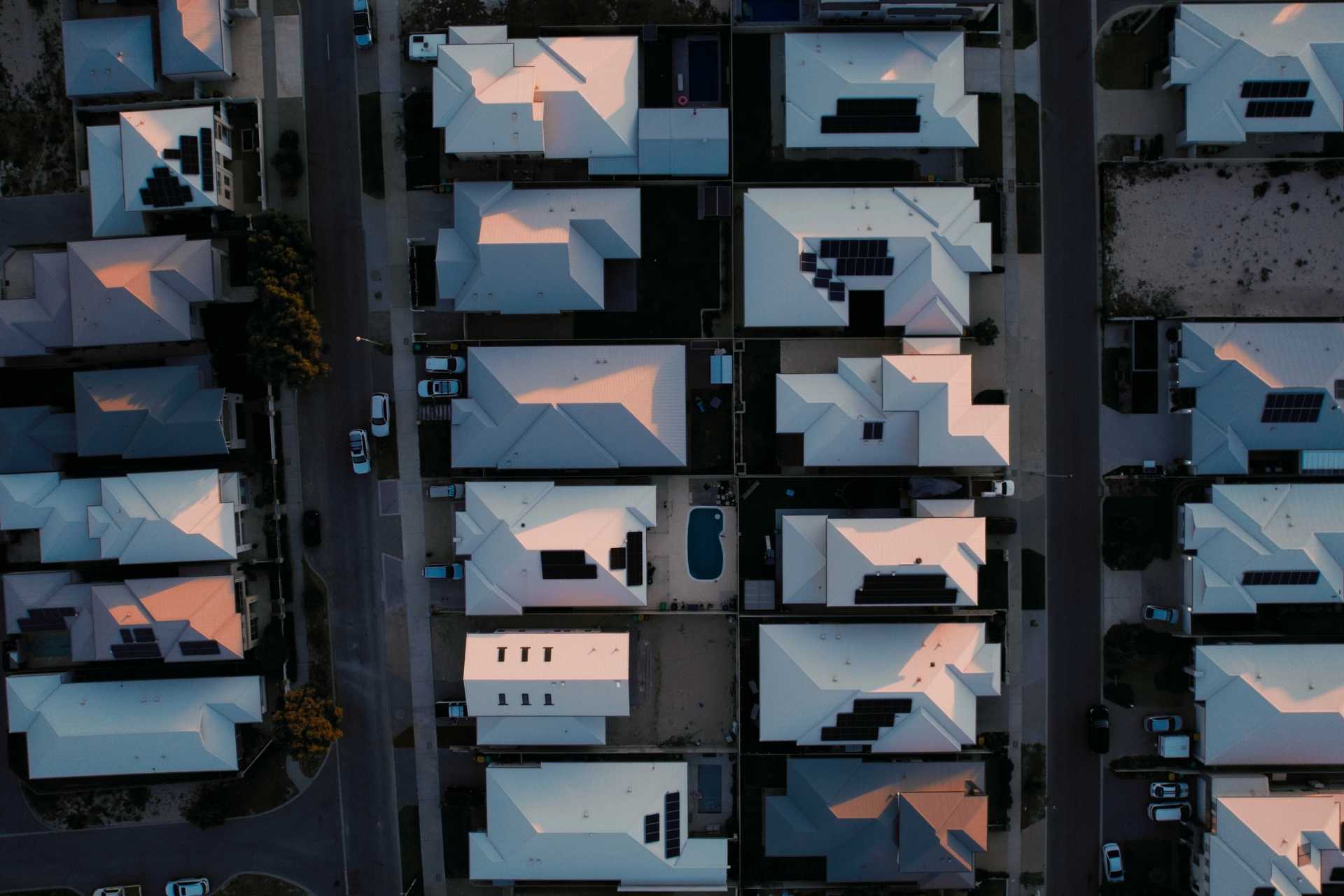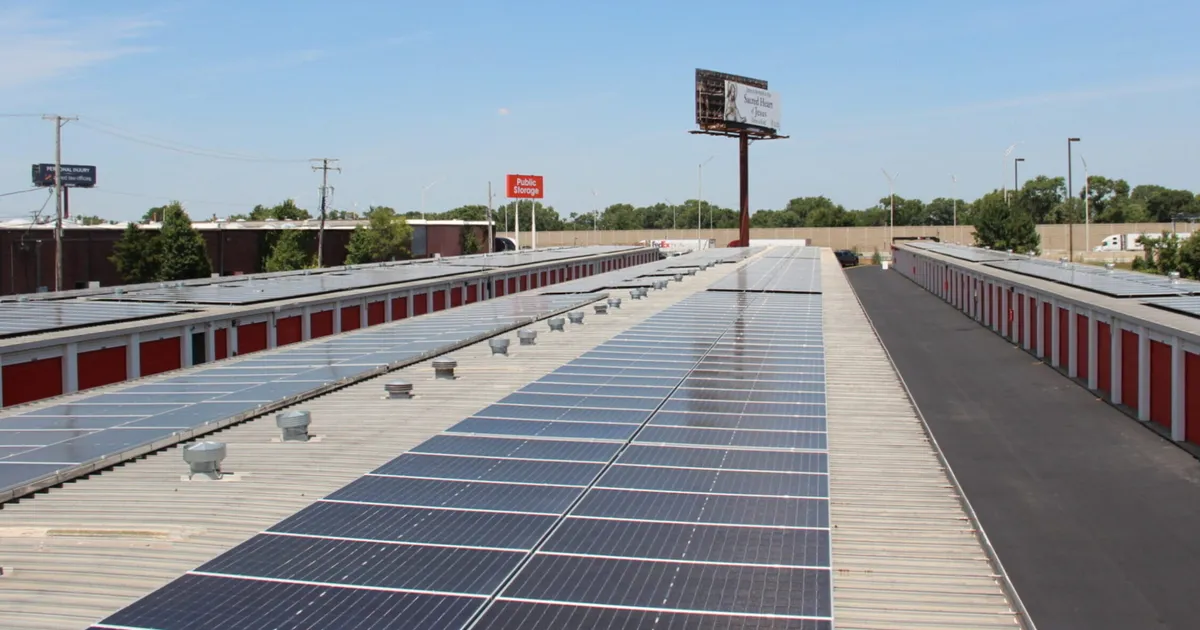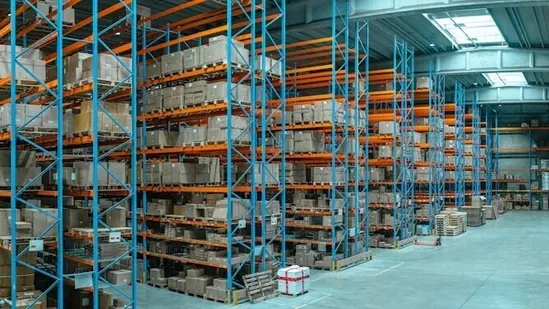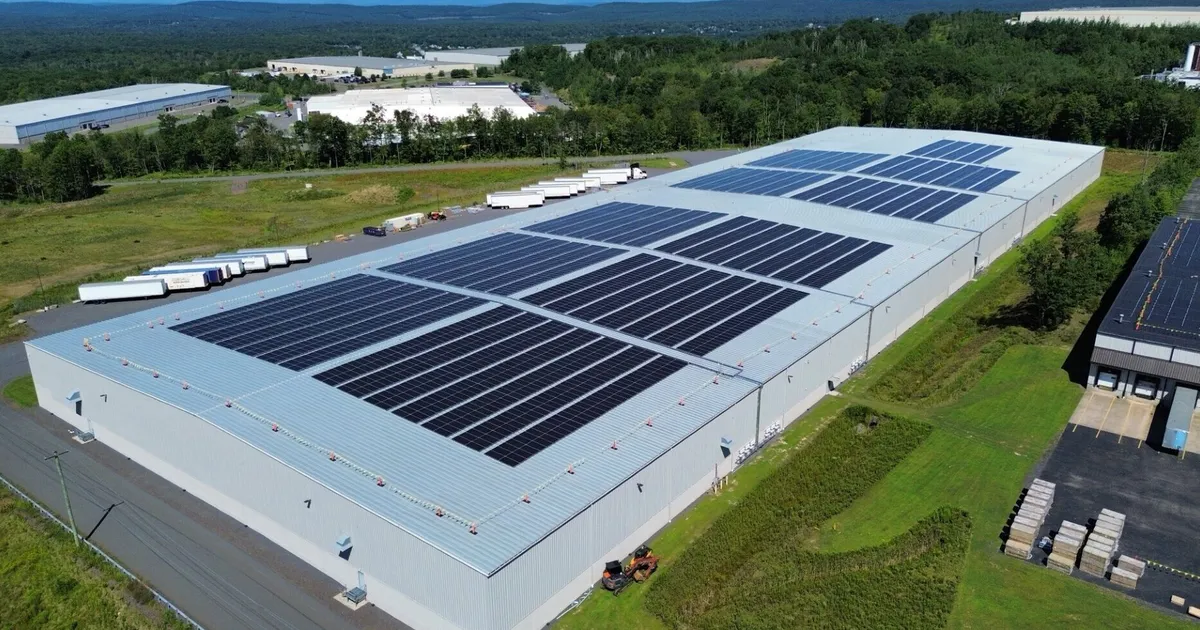
Some of that power is being used on-site, where the demand exists. But when it comes to warehouses, most have relatively low power needs. “We usually need only 30 to 40% of the roof space for on-building demand,” Uthayakumar said. “We like to contribute the rest of the space for community solar.”
Black Bear Energy, a subsidiary of real estate efficiency and sustainability contractor Legence, has more than a gigawatt of on-site solar projects in its development pipeline, with customers ranging from apartment buildings to office parks. But relatively few building owners have the capital and long-term ownership commitment to invest in and own solar projects, said Victoria Stulgis, Black Bear’s president.
What’s more, buildings that are rented or leased face the split-incentive problem: The owner is less likely to pay for the solar installation when tenants will be the ones reaping the benefits with lower electricity bills.
That’s why Black Bear Energy and customer LBA Logistics pursued tens of megawatts of community solar projects on warehouse rooftops in Maryland and in Illinois. “Community solar structures are much more attractive to us because we’re basically monetizing our rooftops,” said Michelle German, a vice president at LBA.