For years, when analysts talked about who was pumping credit into the global economy, the answer was almost always China. That era appears to be over.
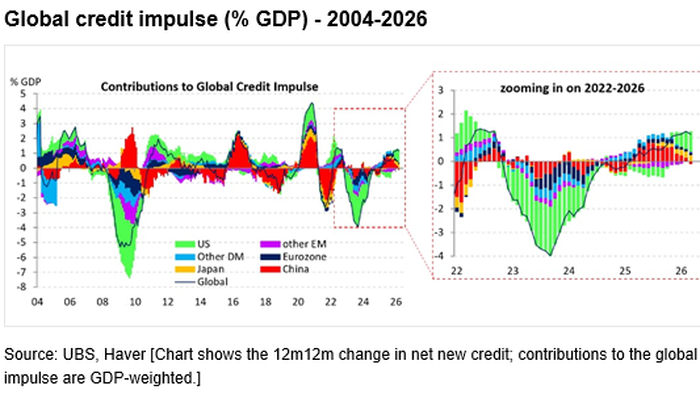
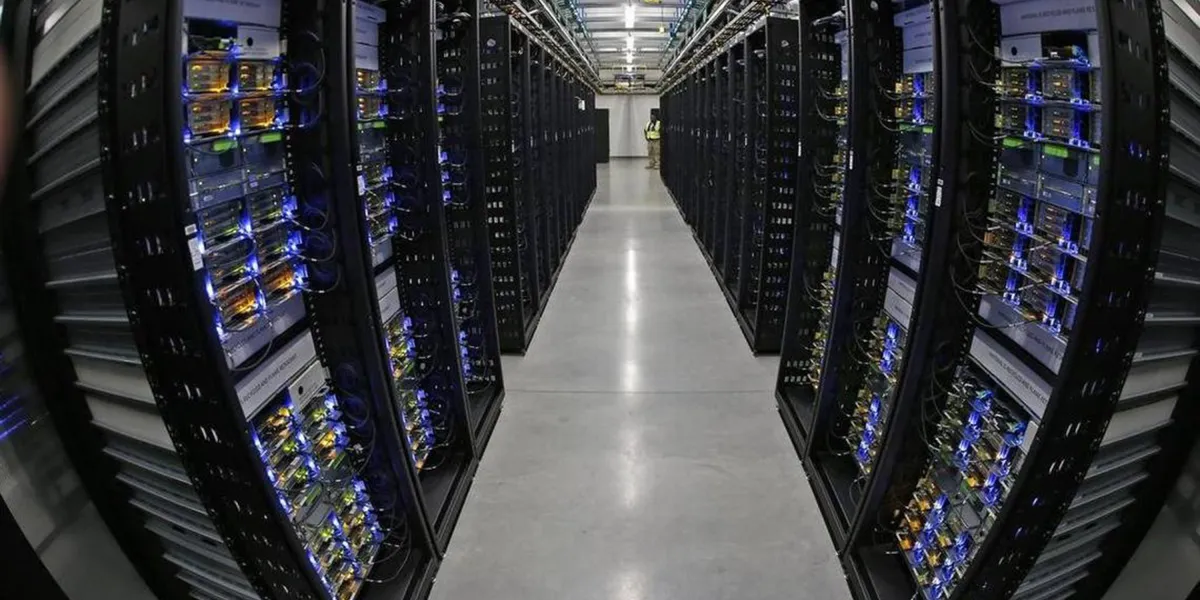
The United States now accounts for more than half of the entire world’s credit impulse, according to a UBS analysis. The country has injected approximately $800 billion in net new credit over the past year, a figure that works out to about 2.6% of US GDP. The engine behind this surge isn’t housing or consumer spending. It’s artificial intelligence.
The numbers behind the shift
The global credit impulse, a measure of how much new credit is flowing through the economy relative to GDP, currently sits at roughly +1.3% of world GDP. Developed markets are running a credit impulse of +2.2% of GDP. Emerging markets, by contrast, are essentially flat, showing no meaningful growth or outright weakness in credit expansion.
Within the developed world, the US is the clear heavyweight. Japan’s credit impulse is accelerating too, but America remains the dominant contributor by a wide margin.