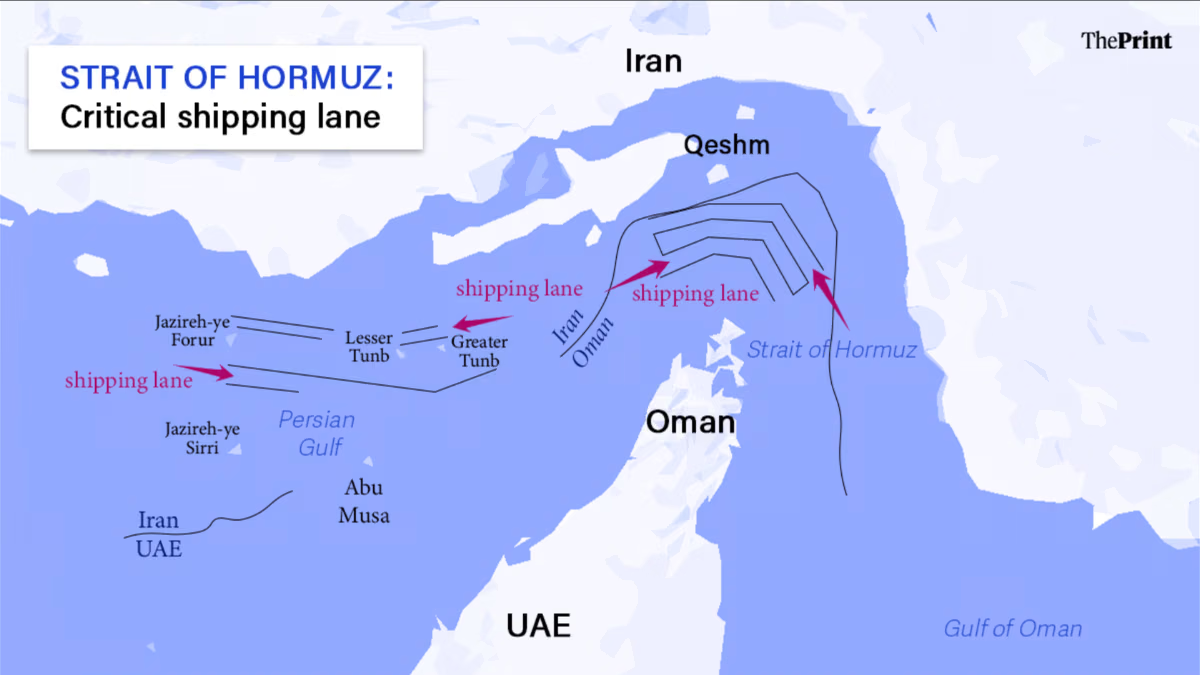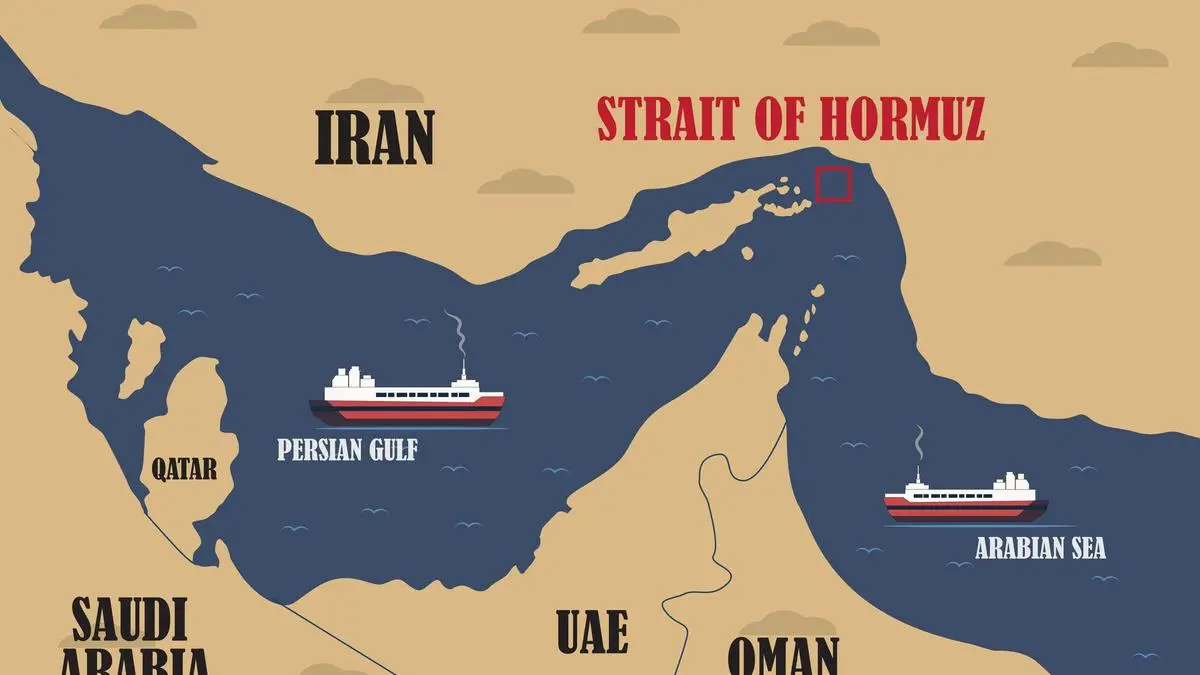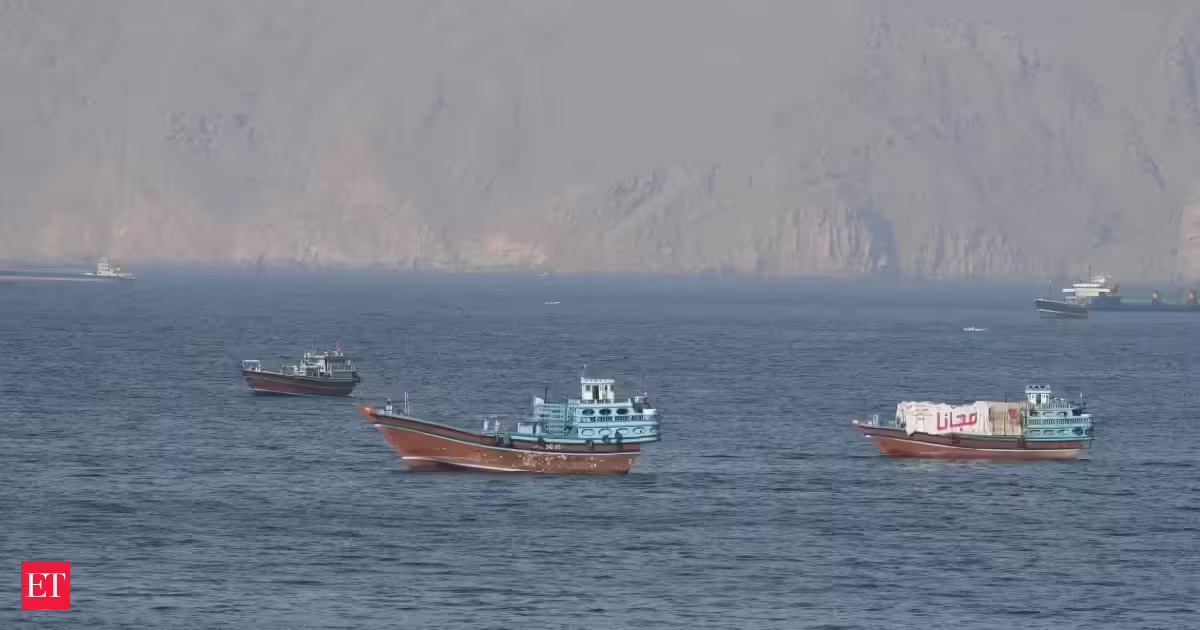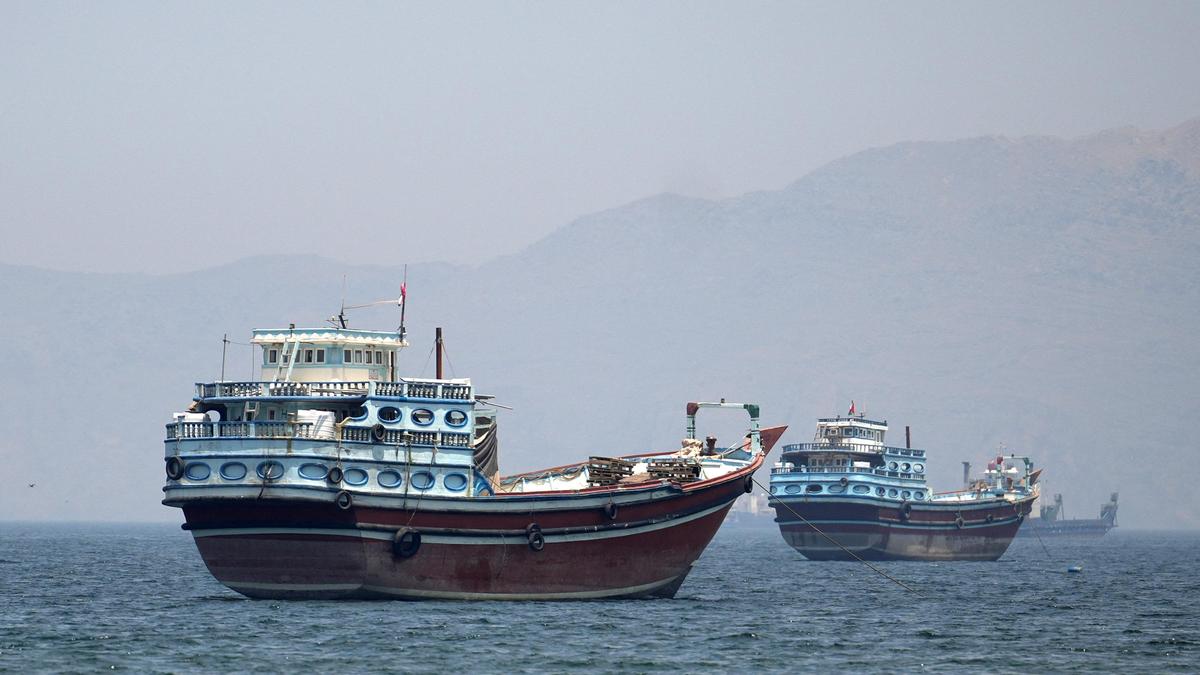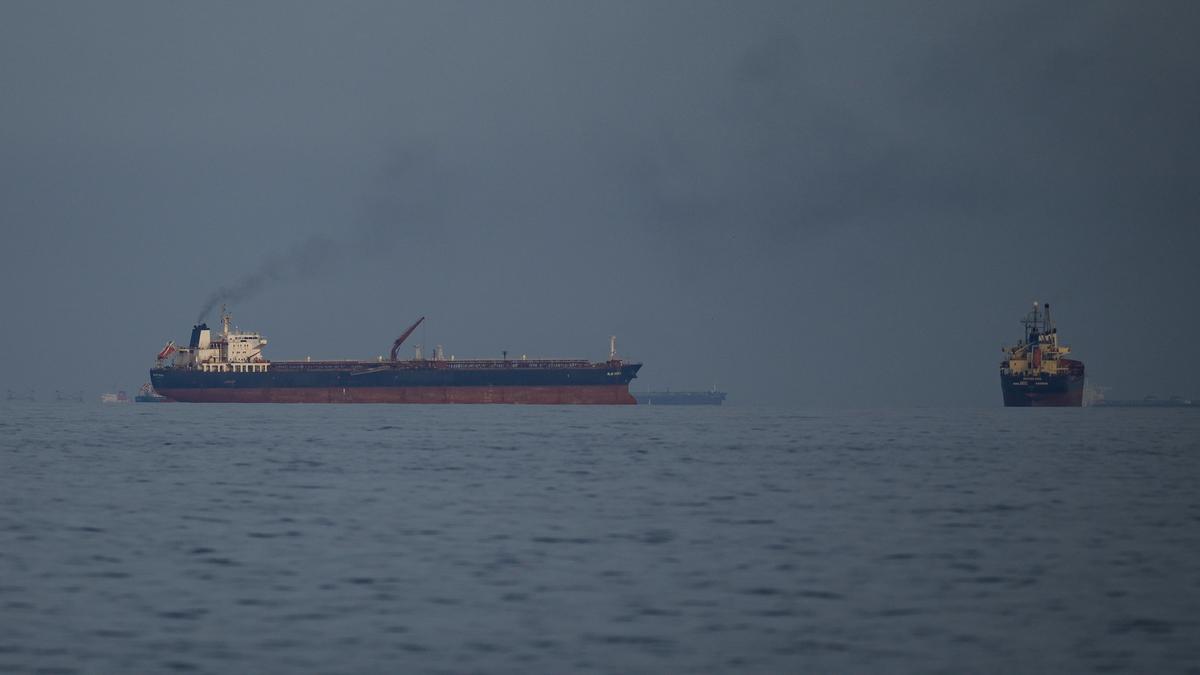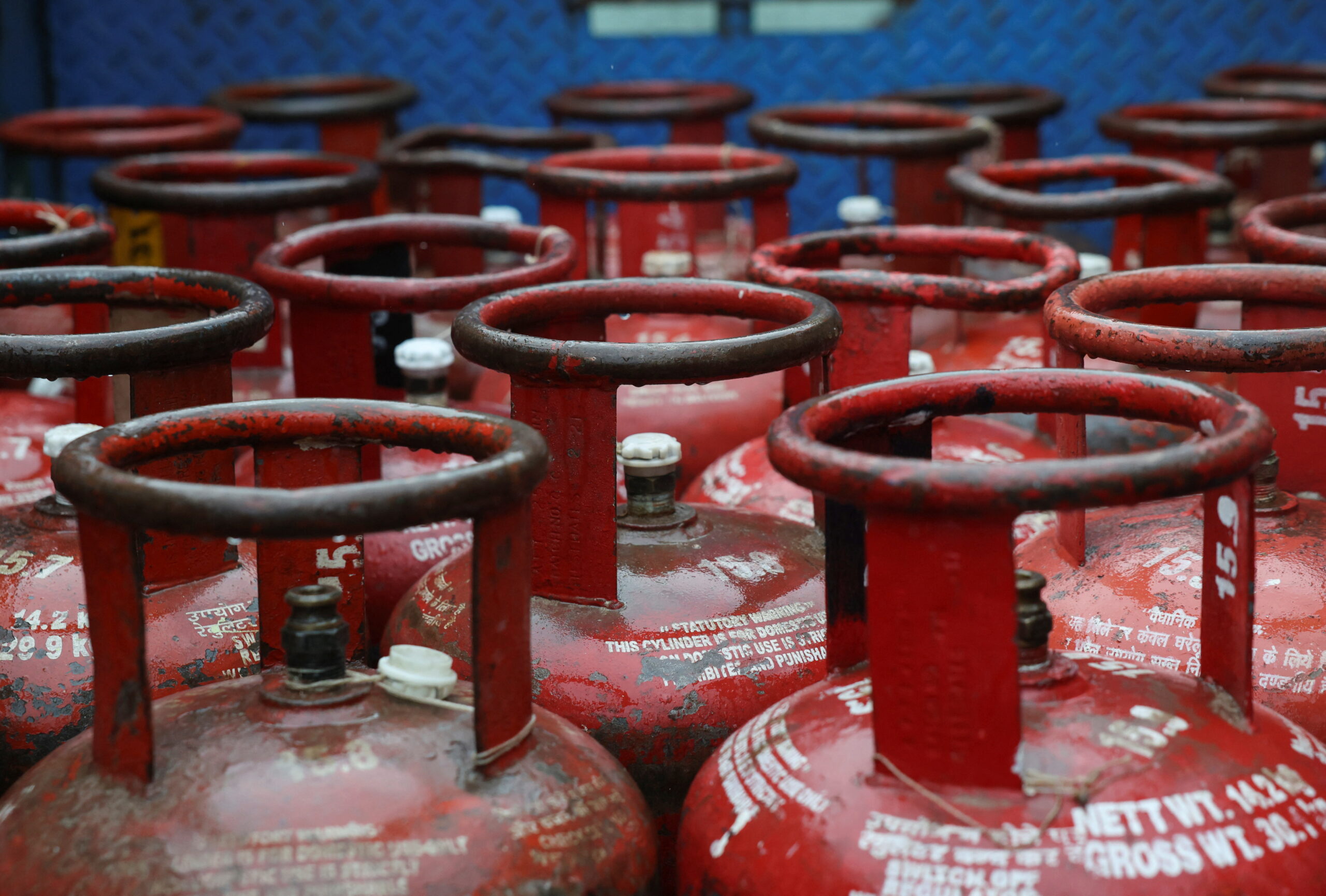
Nations rise to power on the strength of their economies and, by extension, trade. Historically, countries such as the United Kingdom, Japan, the United States and China have combined economic prosperity with maritime dominance. India’s weak shipping sector reflects its geopolitical position. Yet, its seafarers generate billions of dollars in foreign exchange while facing risks from piracy and geopolitical tensions. The recent conflict with Iran showed that control of strategic waterways can be as consequential as economic sanctions. By leveraging the Strait of Hormuz, Iran exposed a critical vulnerability in the global economy. Disruptions to energy flows imposed costs far beyond the battlefield and the economic consequences appear to have played a significant role in shaping the U.S. response. From a shipping perspective and its Hormuz stakes, Iran may have secured strategic gains despite the heavy damage inflicted on it by Israeli and U.S. Even as the attacks on Lebanon cast a shadow over the peace deal, Iran has announced that the Persian Gulf Strait Authority it set up during the war will be the sole authority that will handle Strait of Hormuz transits.The memorandum of understanding envisages lifting sanctions on Iran and on ships serving Iranian trade. It also mandates Iranian talks with Oman and other Gulf states on maritime administration in the Strait of Hormuz. Previously, vessels transiting the Strait neither paid tolls nor reported to Iran or Oman. Whether or not the new framework results in transit fees is less important than the reality: that shipping companies must now account for Iran as a decisive stakeholder in the Strait of Hormuz. For India, the conflict has exposed a major strategic weakness. Despite the Strait of Hormuz being vital to its energy security, the disruption exposed the absence of a credible contingency plan for such eventualities. India’s LPG strategy relies heavily on imports moving through the Strait of Hormuz, supported by a limited fleet of Indian-flagged carriers and a tightly scheduled supply chain with little long-term cavern storage. Similar vulnerabilities affected other fuel supplies too. Many countries are now reassessing their dependence on the Strait of Hormuz. The United Arab Emirates is pursuing a “zero Hormuz dependency” strategy by strengthening alternative infrastructure and routes. India must draw lessons from the crisis. Diversifying supply chains, investing in alternative maritime and land corridors, and strengthening strategic partnerships should become priorities. Projects such as Chabahar offered precisely such an opportunity but India gave up on it. For India, reducing dependence on the Strait of Hormuz is no longer just an economic goal; it is a strategic necessity. Published - June 22, 2026 12:30 am IST
Changed reality: On India and the Strait of Hormuz
For India, reducing dependence on the Strait of Hormuz is no longer just an economic goal but also a strategic necessity
TL;DRAI
Iran's Persian Gulf Strait Authority now controls Strait of Hormuz transits, mandating tolls and reporting from shipping companies. For tech companies dependent on Hormuz energy imports, this geopolitical shift requires urgent supply-chain diversification and contingency planning.
434 words~2 min read