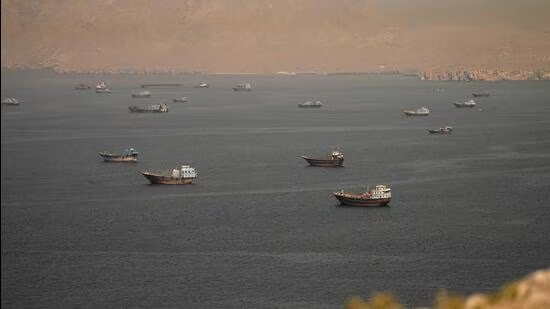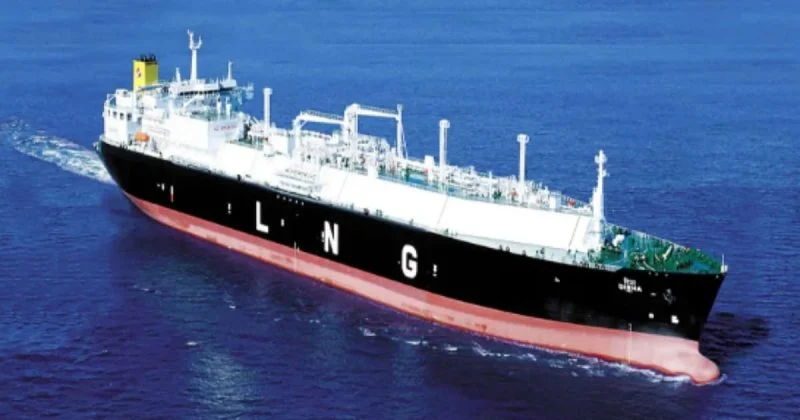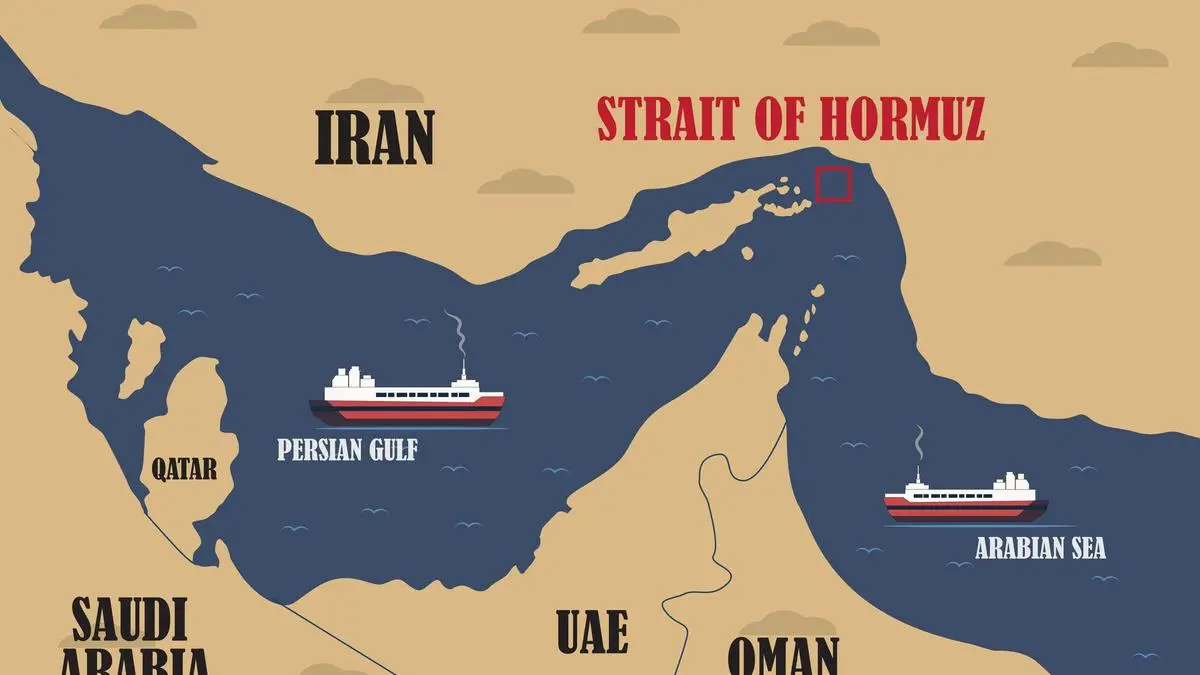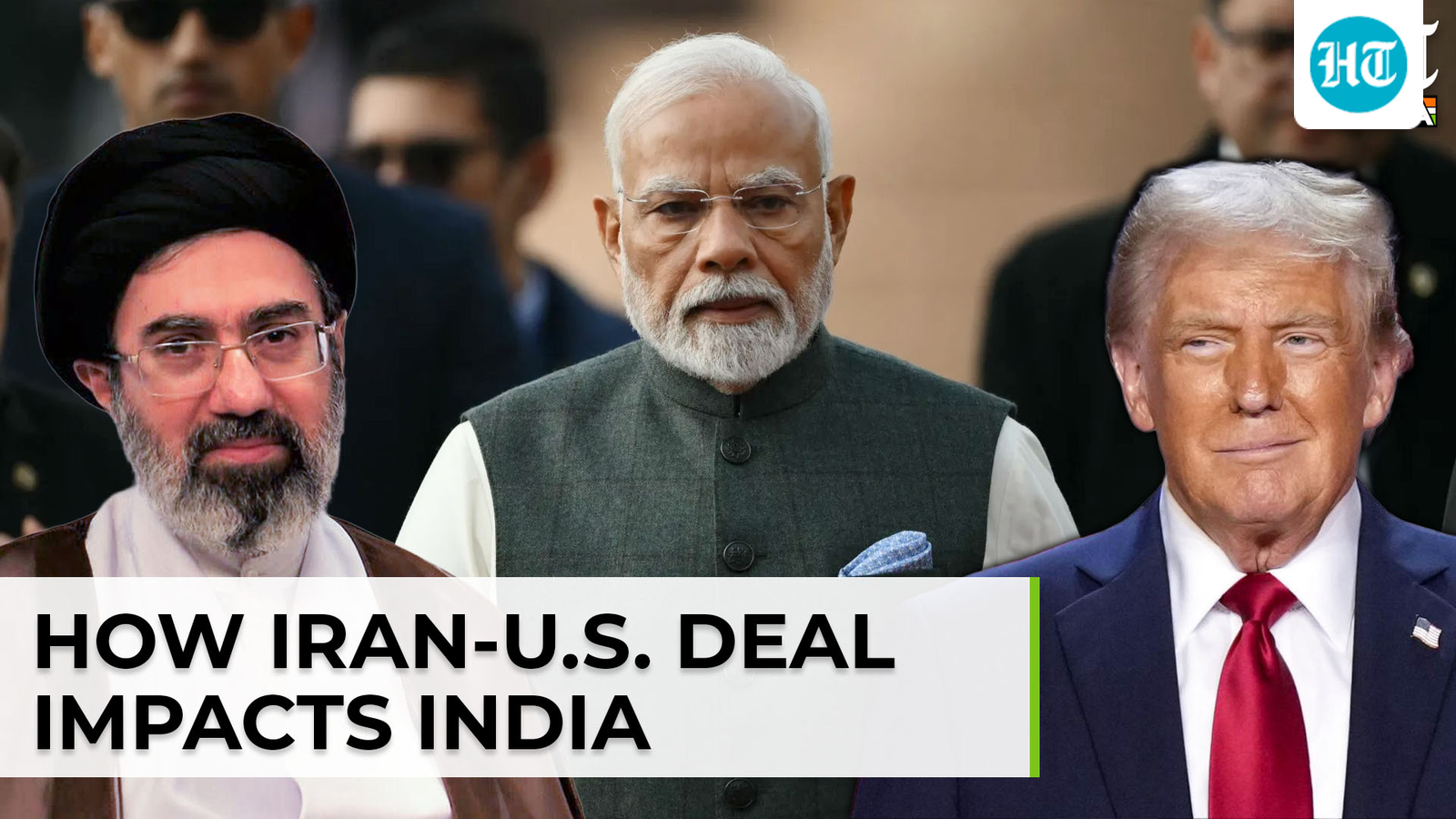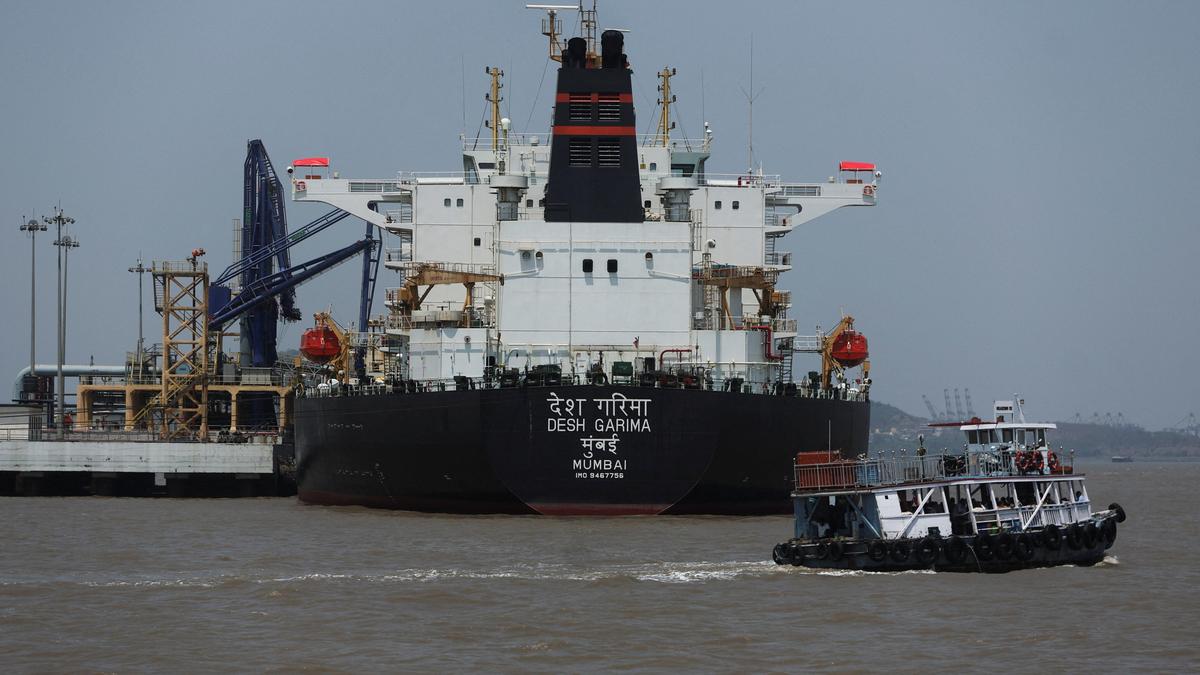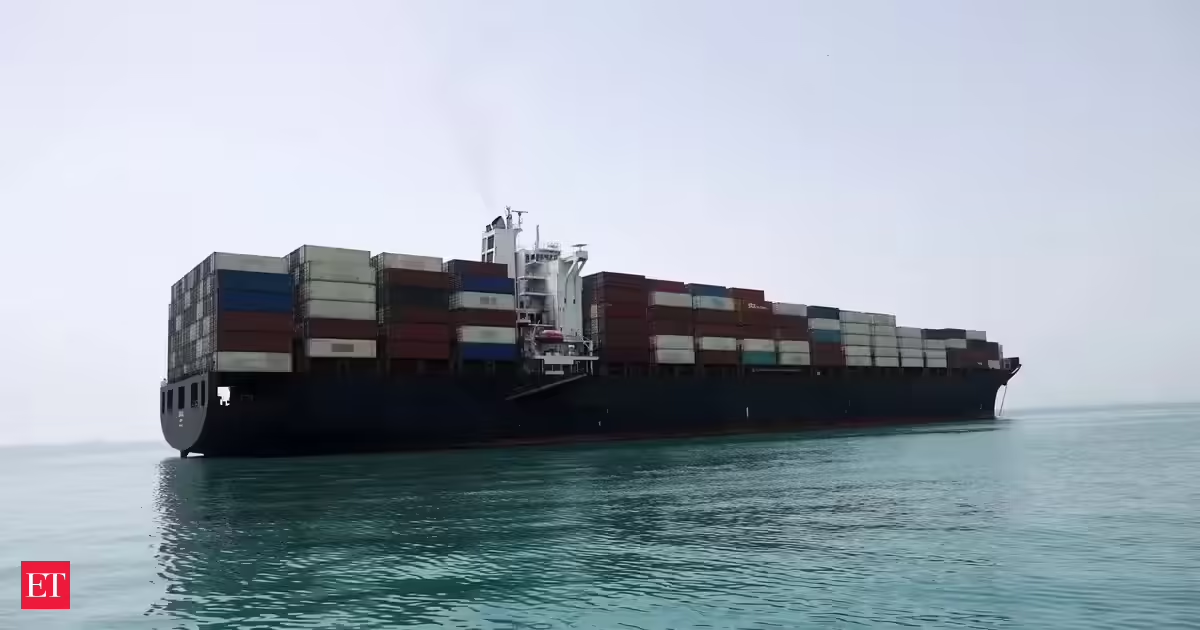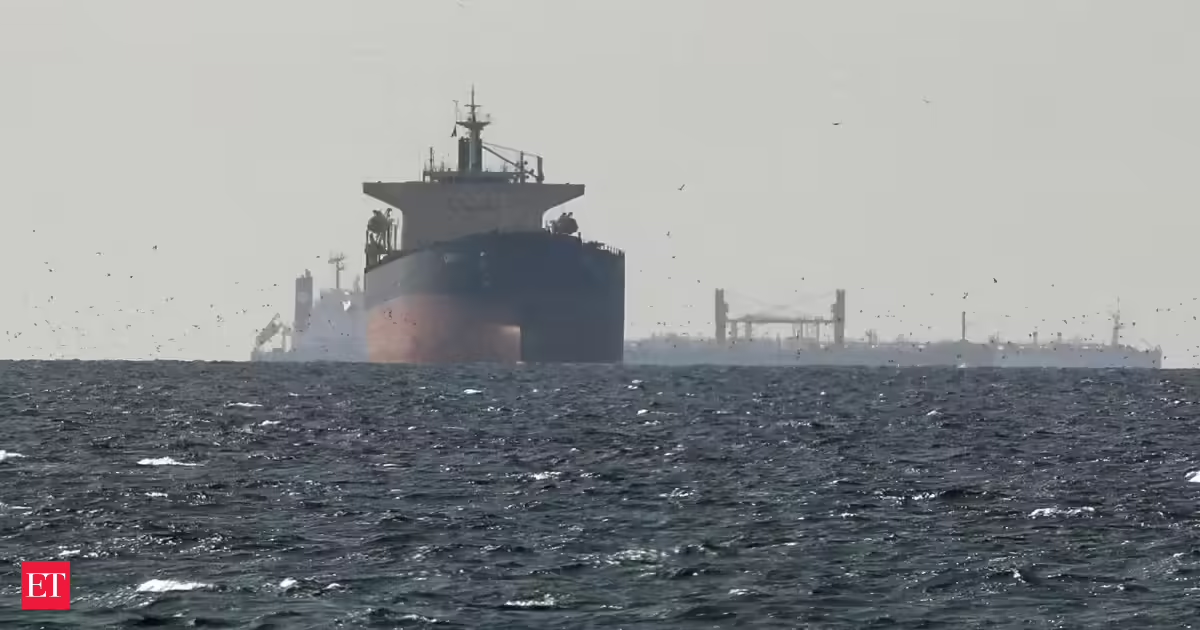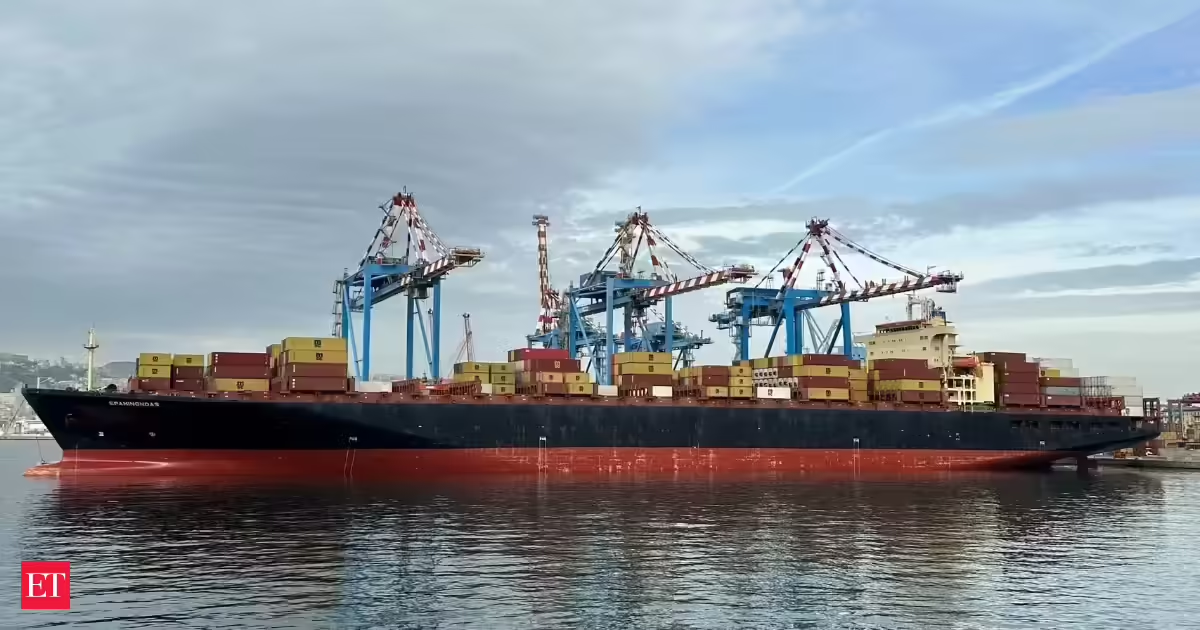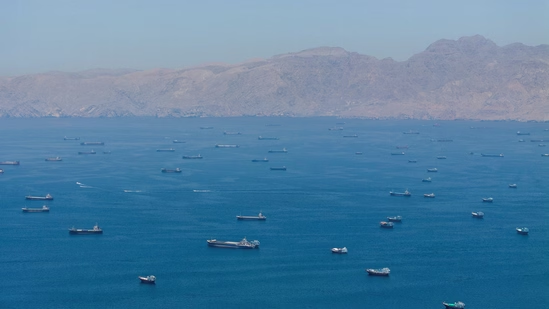
SynopsisThree cargo ships are now transiting the Strait of Hormuz, signaling a significant shift after the US ended its blockade of Iranian ports and Tehran eased maritime restrictions. This development follows a peace deal, paving the way for India to resume economic ties, including energy trade and the crucial International North South Transport Corridor.TIMESOFINDIA.COMIndia-bound ships begin Strait of Hormuz transit as US lifts Iran blockade; Chabahar, INSTC in focusNew Delhi: Three India-bound cargo ships have started their transit through the Strait of Hormuz, with the US officially ending its blockade of Iranian ports and Tehran easing restrictions on movements of vessels in the critical waterway following the peace deal, people in the know said.The government is also working towards movement of other ships through the region meant for India. Ahead of the peace deal, 13 Indian-flagged vessels were stuck in the strait alongside 16 India-bound fertiliser ships. Between March and early May, more than 20 ships reached India through the Strait of Hormuz.Also read: PM Modi to commission three indigenously built naval ships in KolkataAs part of the memorandum of understanding between the US and Iran for a 60-day ceasefire-when a full agreement will be negotiated-the US has agreed to end its blockade of Iranian ports and Iran.India is studying the fine print of the deal to relaunch its economic engagement with Iran from energy trade to connectivity initiatives including the International North South Transport Corridor (INSTC) that connects India with Eurasia via Iran. Iran is set to resume oil exports to India following the lifting of sanctions, ET has learnt. India was once among the top buyers of Iranian crude.The Chabahar Port is also in focus. India, which had entered into an understanding with Iran to maintain its presence in the port after Washington withdrew its sanctions waiver, is awaiting the US notification to formally lift sanctions on the port. There are plans to link the Chabahar Port with the INSTC and connect the INSTC with the Northern Sea Route in the Arctic.India has been engaged with Iran to fast-track the conclusion of an arrangement for securing its interests in the Chabahar Port, as the US did not extend the six-month sanctions waiver that ended on April 25. New Delhi was seeking an arrangement with a local port authority to manage the port with a guarantee that this right would be returned to India when the US sanctions were lifted, ET had reported.India has also been seeking a guarantee from the Iranian government for this arrangement in the form of legal sanctity so that the deal between the two sides is honoured, ET had reported in January.Experts on Iranian affairs told ET that China may stake claim on the Chabahar Port if India does not retain its role in some form.On May 13, 2024, India signed a 10-year contract to operate the port-the first time when it took over the management of an overseas port. The agreement was signed between India Ports Global Ltd (IPGL) and Iran's Port & Maritime Organisation. IPGL has invested about $120 million in equipping the port. India had also made provision for a $250 million equivalent rupee credit window for mutually identified projects aimed at improving Chabahar-related infrastructure.Also read: Indian refiners sitting on enough crude, in no rush to resume purchases from West AsiaThe port is critical for expanding India-Afghanistan economic partnership and supply of humanitarian aid. Afghanistan's Taliban regime is keen on effective utilisation of the port for its global outreach.Central Asian states of Uzbekistan, Kazakhstan and Tajikistan are also keen to use the Chabahar Port for increasing trade with India and for access to the Indian Ocean Region. India is seeking to put in place an early-harvest free trade agreement with the Eurasian Economic Union to access the markets of Eurasia and source goods including rare earth minerals from the region. The Chabahar Port will be a useful tool to push India-EAEU trade.The port will provide connectivity also to parts of Russia bordering Central Asia.Read More News on...moreless
India-bound ships begin Strait of Hormuz transit as US lifts Iran blockade; Chabahar, INSTC in focus
Three cargo ships are now transiting the Strait of Hormuz, signaling a significant shift after the US ended its blockade of Iranian ports and Tehran eased maritime restrictions. This development follows a peace deal, paving the way for India to resume economic ties, including energy trade and the crucial International North South Transport Corridor.
TL;DRAI
US lifts Iranian port blockade after peace deal; three India-bound cargo ships resume Strait of Hormuz transit. INSTC corridor secures India's energy procurement and rare earth supplies via Chabahar Port ($120M investment), enabling Central Asian market access.
666 words~3 min read