Volkswagen’s plan to convert a German factory into a defense manufacturing hub just hit a geopolitical speed bump. The Qatar Investment Authority, which controls roughly 17% of VW’s voting rights and holds two seats on the company’s supervisory board, is pushing back against a deal that would see Israeli defense contractor Rafael Advanced Defense Systems take over production at the automaker’s Osnabrück plant.
The deal on the table
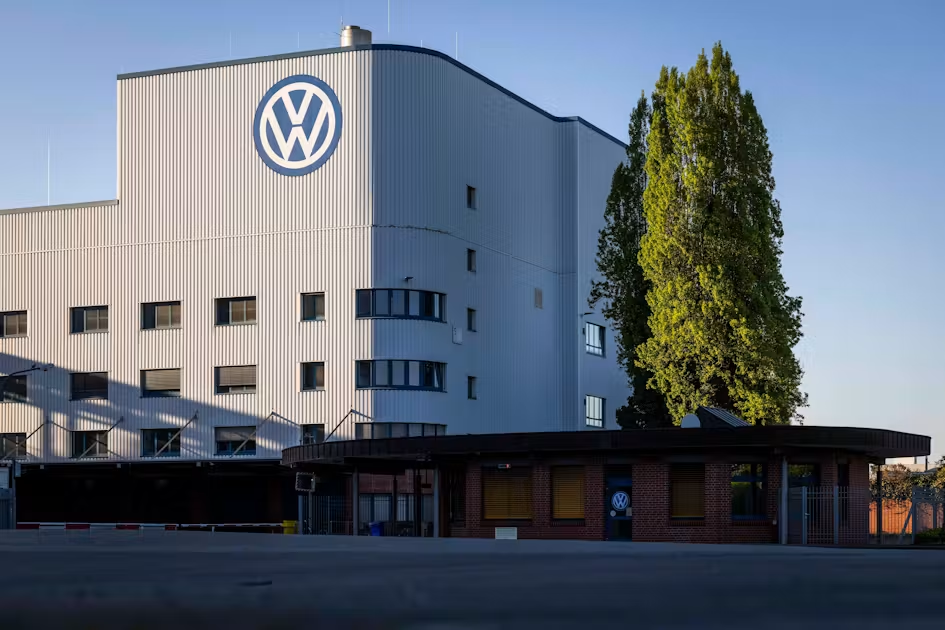
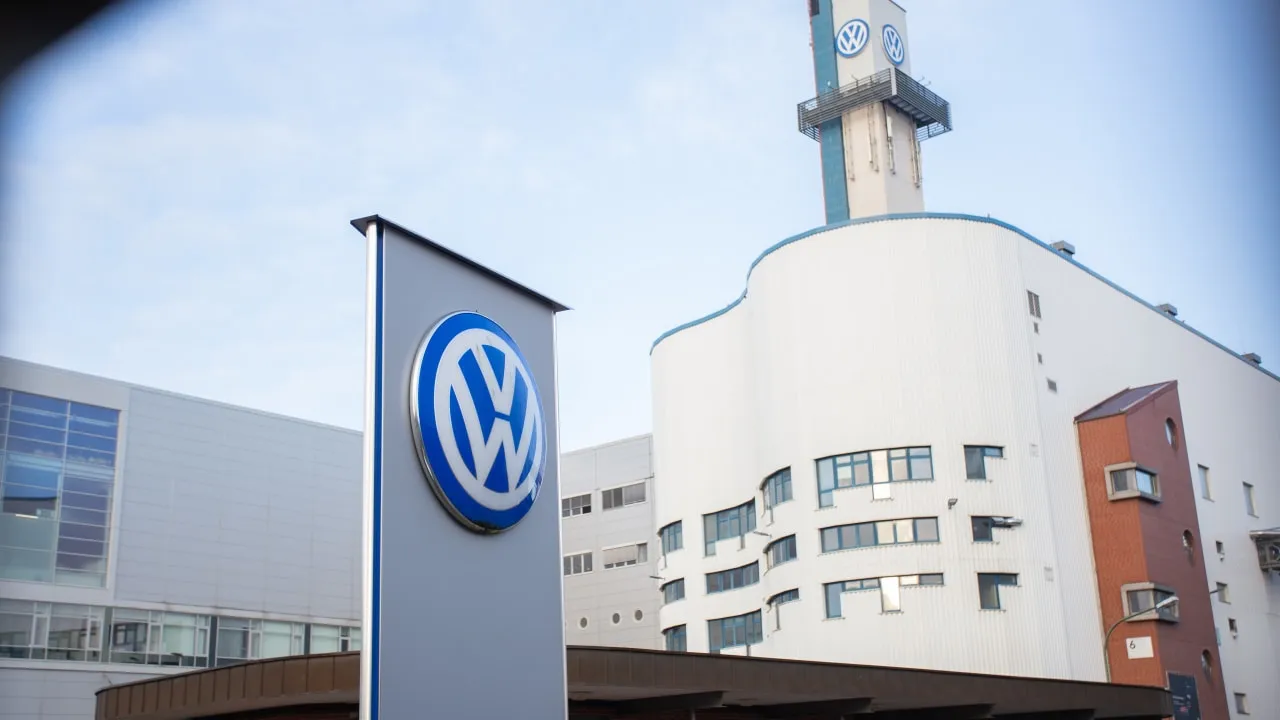
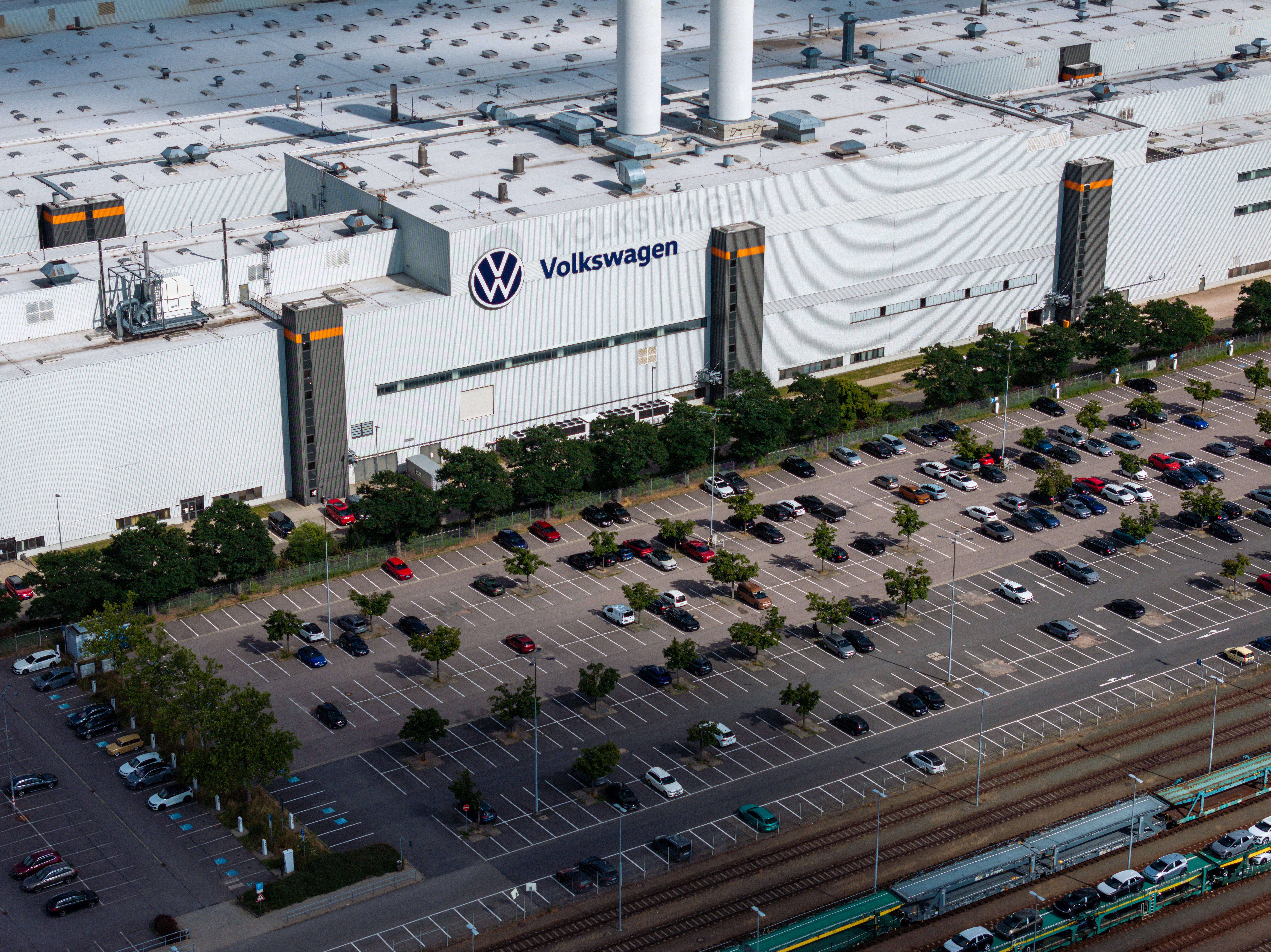
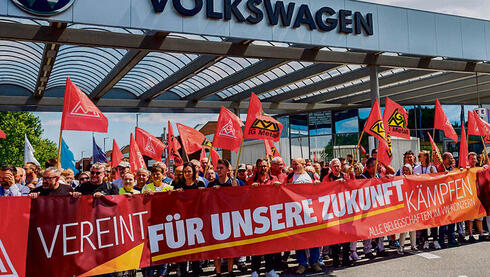
Volkswagen is preparing to stop making cars at its Osnabrück facility by the end of 2027. Rather than shutter the plant entirely, VW has been in discussions with Rafael to repurpose it for manufacturing non-munitions defense components, think military trucks and power generators, not warheads.
A letter of intent was signed by Rafael in late April 2026, and talks have continued into mid-May 2026. The pivot fits neatly into Germany’s broader push to ramp up military spending across Europe, giving VW a way to preserve jobs while diversifying revenue away from a car business that’s been struggling.
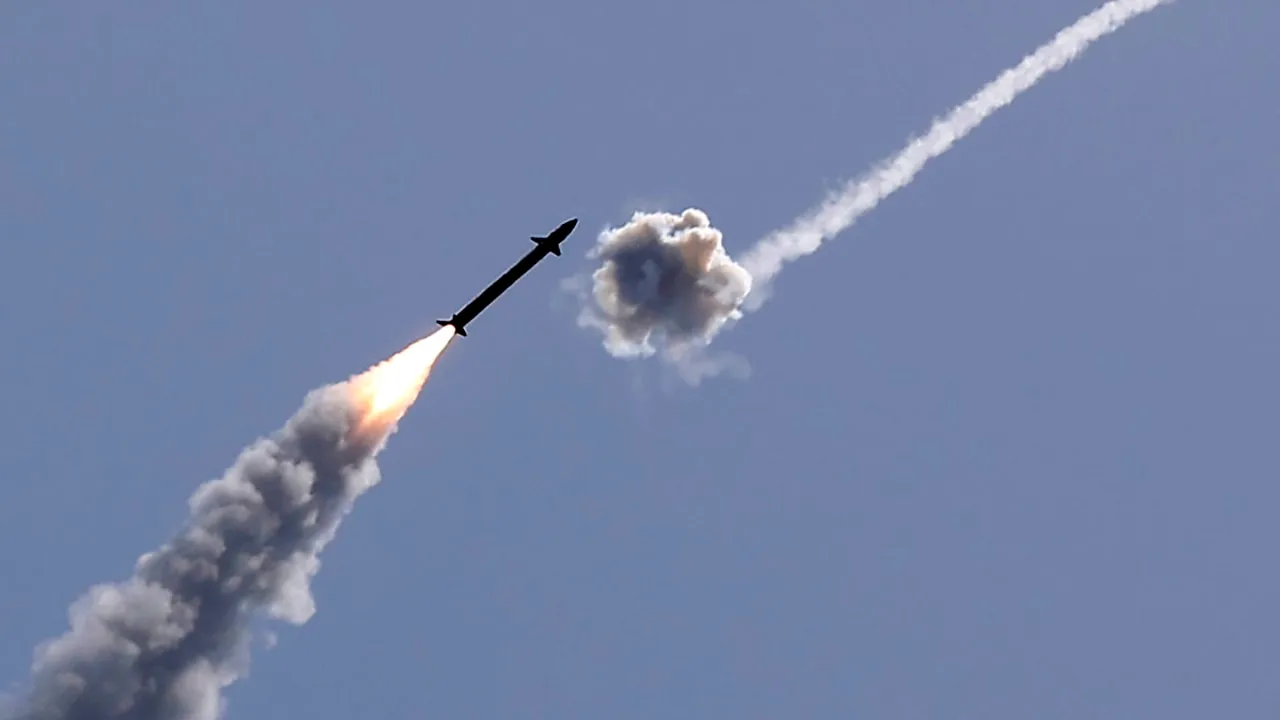
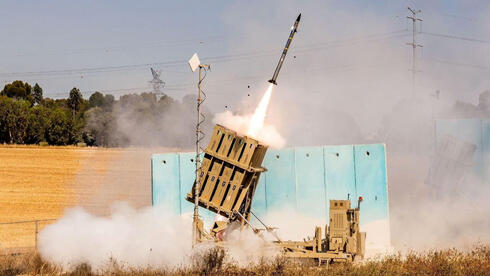
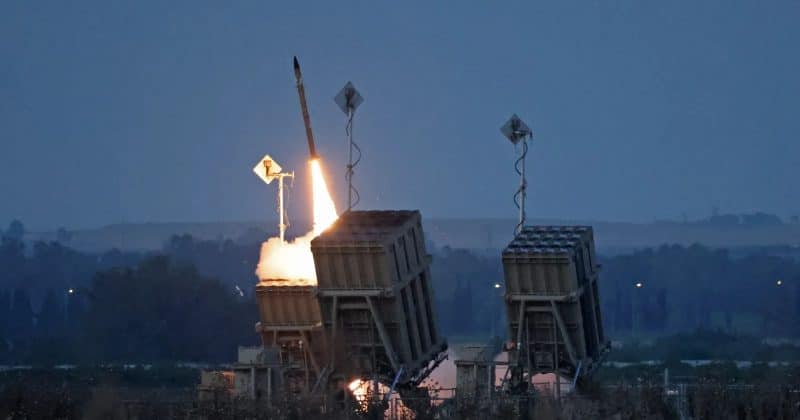
VW reported a 53.5% drop in operating profit to €8.9 billion for fiscal year 2025. Net profit fell 44% to roughly €6.9 billion. The QIA sees the Rafael partnership differently. As Volkswagen’s third-largest shareholder, behind only the Porsche SE investment vehicle controlled by the founding family and the state of Lower Saxony, Qatar’s fund wields significant boardroom influence. Partnering with an Israeli defense firm that builds components for the Iron Dome missile defense system is not something Doha is eager to endorse.