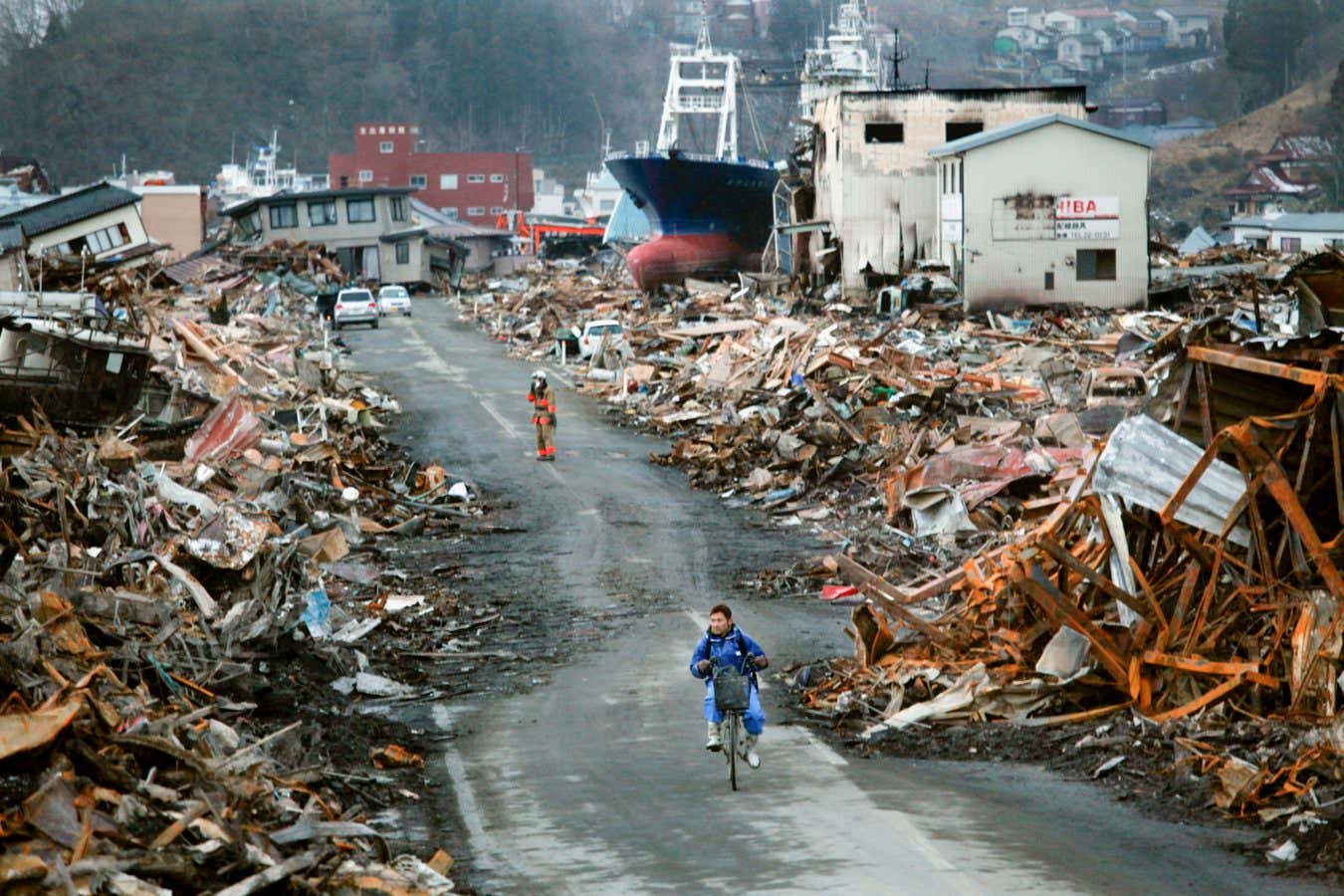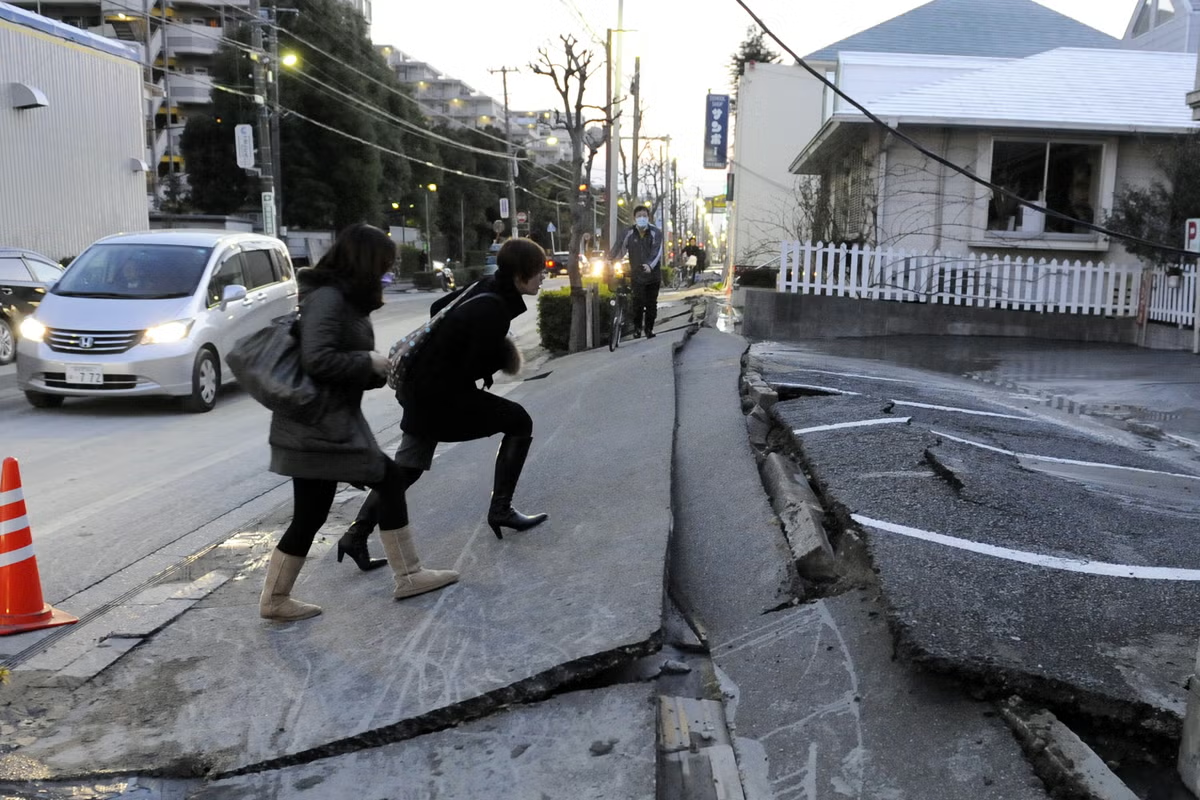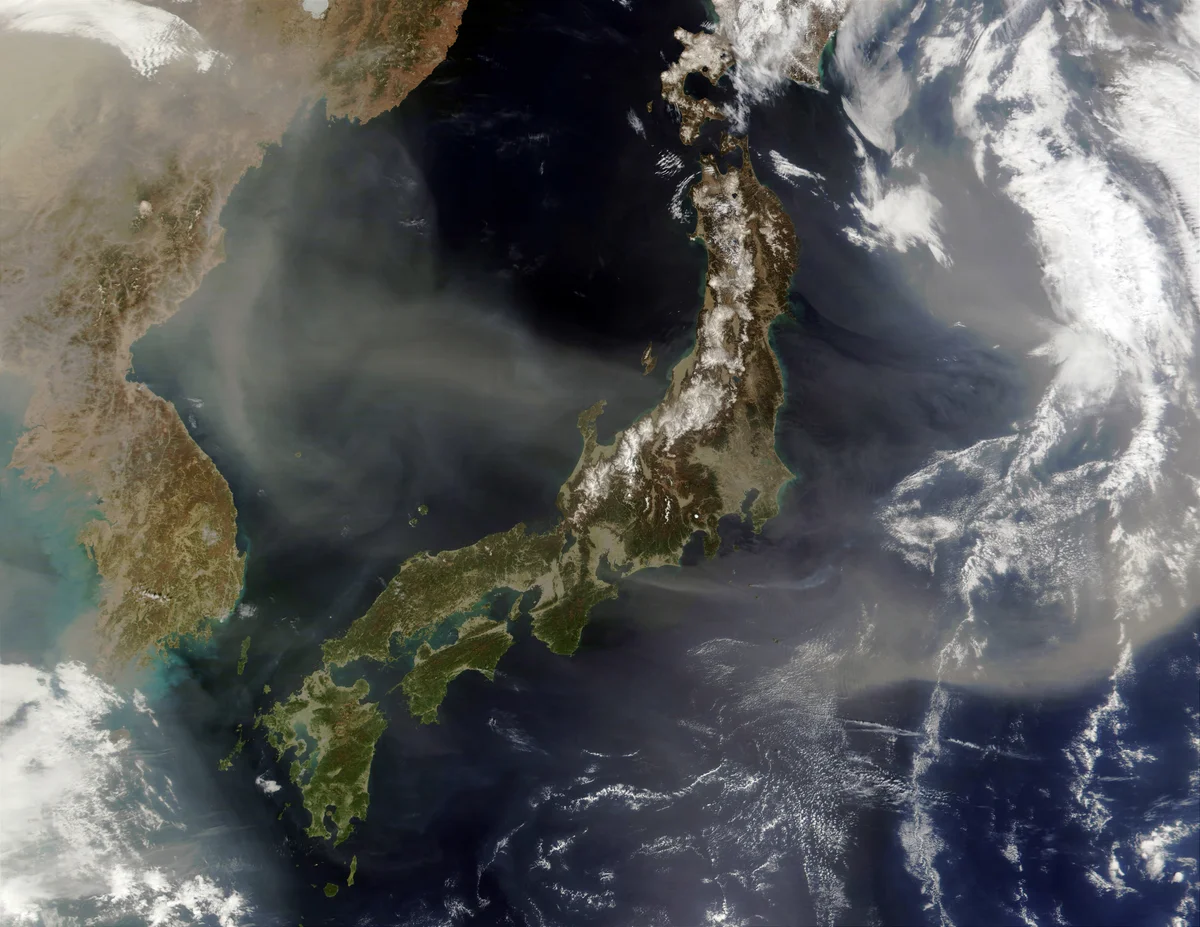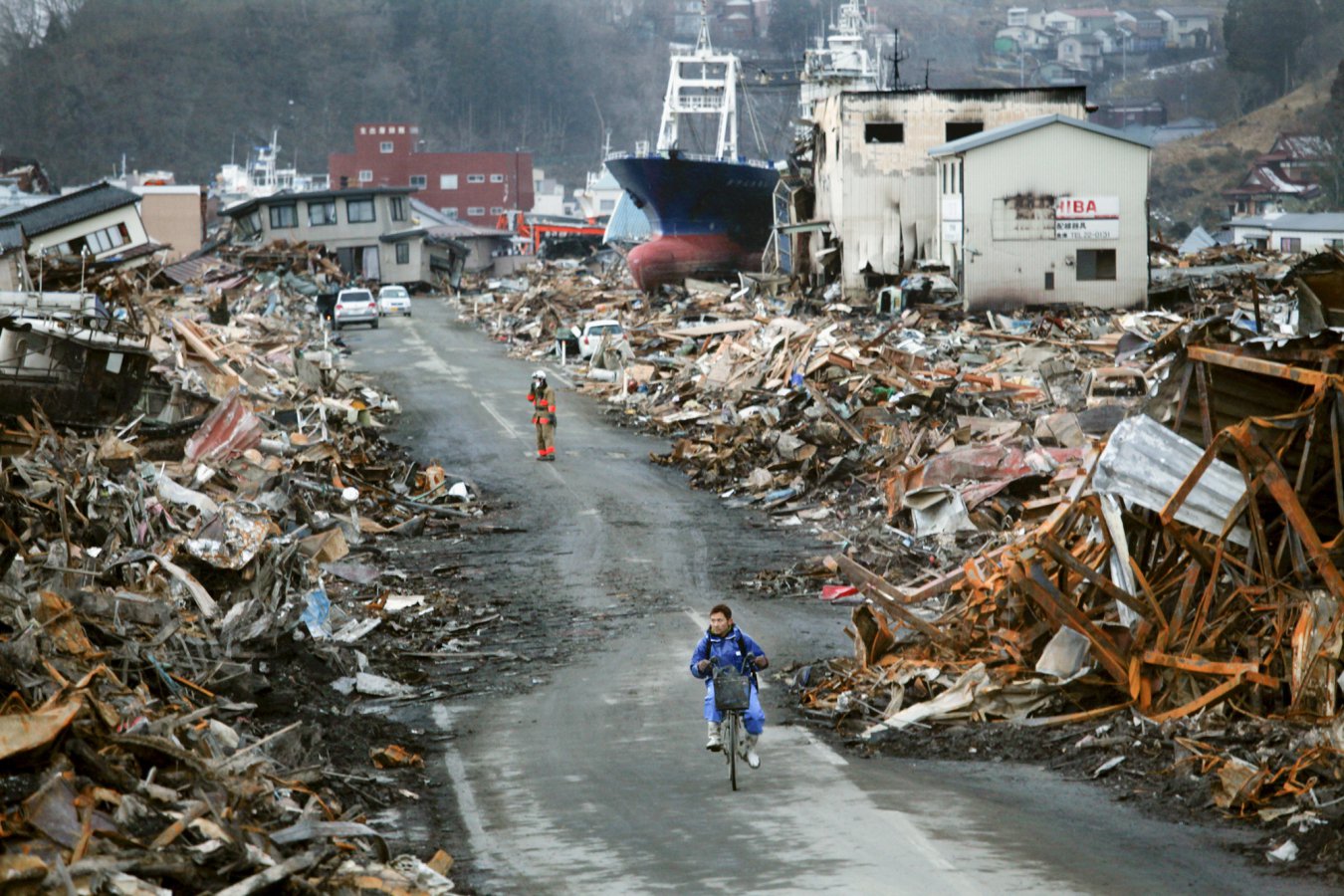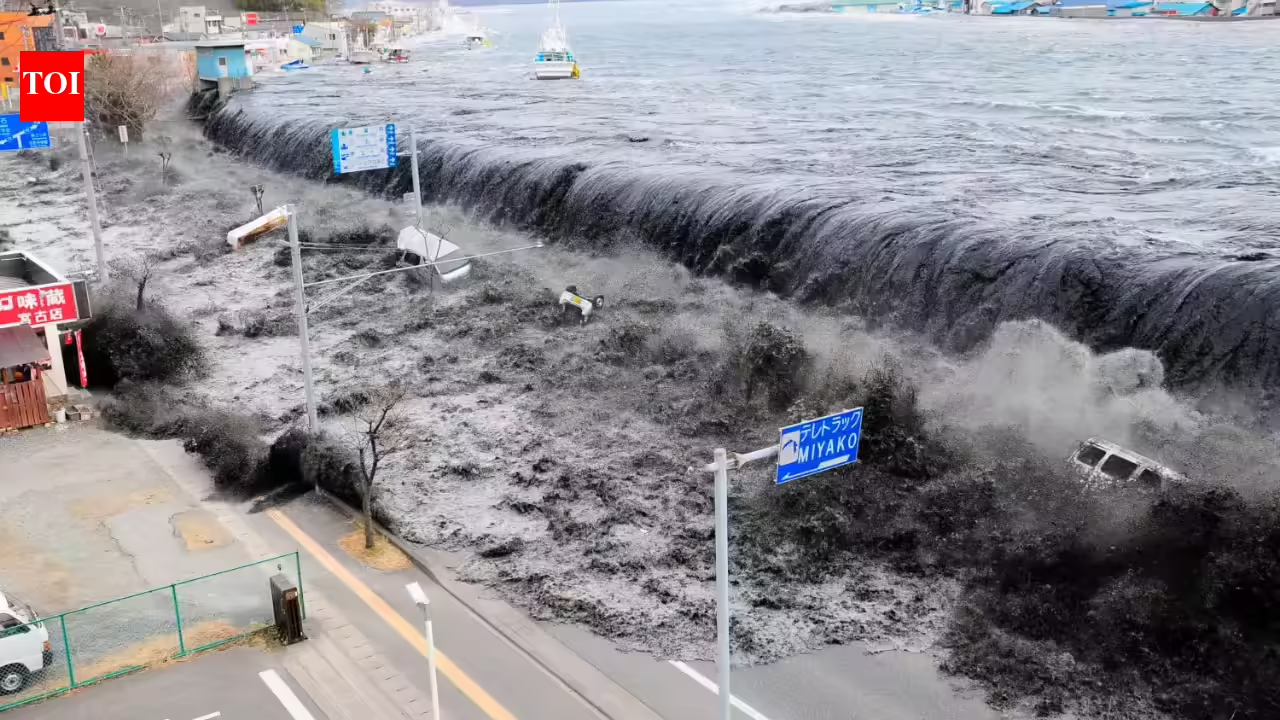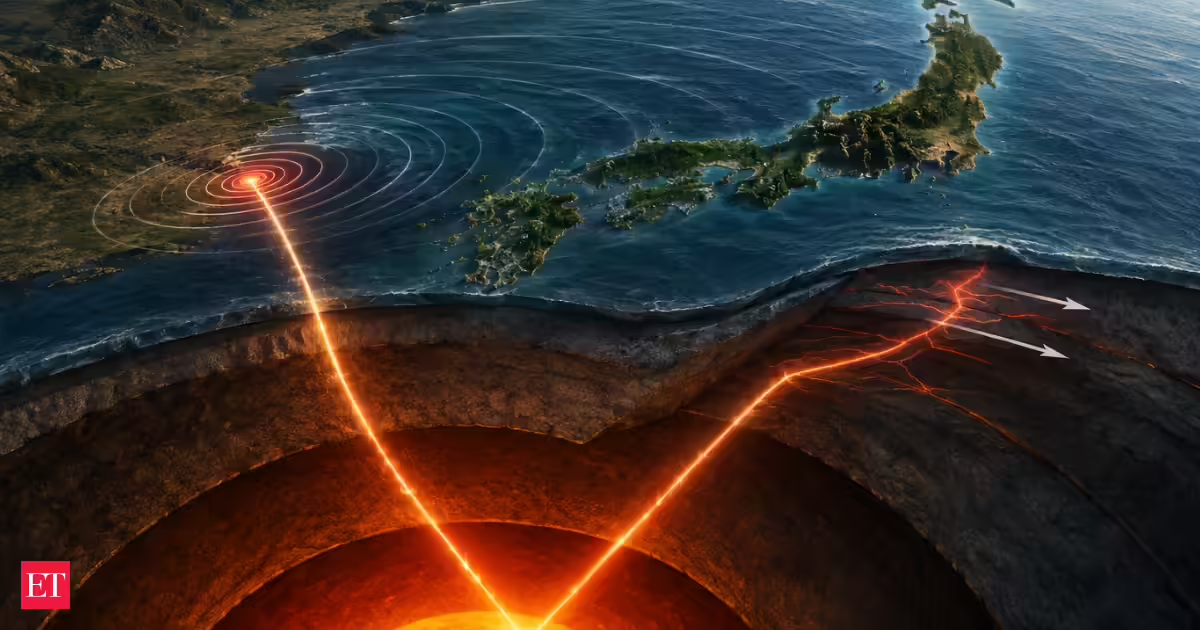
The magnitude 9.0 Tohoku earthquake that struck Japan on 11 March 2011 remains one of the most devastating natural disasters in modern history. The powerful quake triggered a massive tsunami, caused widespread destruction and led to the Fukushima nuclear disaster.According to Japan's National Police Agency, more than 15,000 people lost their lives, while thousands were injured or remain missing. For years, scientists believed they had a detailed understanding of what happened during and after the disaster.However, a new study suggests that the earthquake may have triggered an extraordinary chain of events deep inside the Earth that went unnoticed for more than a decade.A mysterious movement detected after the main earthquakeShortly after the devastating earthquake struck off Japan's north-eastern coast, scientists monitoring GPS stations noticed something unusual.About 16 minutes after the mainshock, instruments across Japan recorded a sudden eastward shift. The movement happened almost simultaneously across the country and did not match any known aftershock pattern.Researchers were puzzled. There were no major earthquakes occurring at that moment that could explain the movement.For years, the phenomenon remained a mystery hidden within the enormous amount of data collected after the disaster. New study reveals a journey to Earth's coreA team of scientists led by geophysicist Sunyoung Park from the University of Chicago believes it has finally uncovered the answer.Their findings, published in the journal Science, suggest that energy from the original earthquake travelled deep into the Earth, reached the boundary of the liquid outer core and then reflected back towards the surface.The returning wave appears to have triggered movement along major tectonic plate boundaries beneath Japan.This discovery is remarkable because it shows that an earthquake's influence can extend far deeper and farther than previously thought.What is an ScS wave?The wave responsible is known as an ScS wave. ScS waves are a special type of seismic shear wave. They travel through Earth's mantle, bounce off the boundary separating the mantle from the liquid outer core and then return towards the surface.In the case of the 2011 earthquake, the wave travelled roughly 3,600 miles during its round trip through the planet.The journey took around 15 minutes, matching the timing of the mysterious ground movement recorded across Japan.Scientists believe the returning wave delivered enough energy to reactivate movement along already stressed tectonic boundaries.The hidden seismic event that shifted JapanAccording to the study, the returning wave triggered a large-scale slip along two major tectonic plate boundaries near Japan.These included the boundary between the Pacific and Okhotsk plates and the boundary between the Philippine Sea and Eurasian plates.The combined effect permanently shifted parts of Japan eastward by up to six millimetres.That may sound tiny, but for an entire country to move even a few millimetres is an extraordinary geological event.Researchers estimate that the triggered slip released energy comparable to a magnitude 7.5 earthquake, despite occurring without the sharp shaking usually associated with a major quake.Why did scientists miss it for so long?One reason is that earthquake monitoring systems are designed to detect rapid, high-frequency shaking.The newly identified event was different. Instead of producing a sudden jolt, it generated a broad and slow movement spread across a vast area. As a result, the signal blended into the overwhelming amount of data produced by the 2011 disaster.Scientists also had to deal with the immediate aftermath of the earthquake and tsunami, which naturally became the focus of research efforts.Only after years of careful analysis and comparison of GPS and seismic records were researchers able to isolate the unusual signal and identify its likely cause.The broadest seismic event ever recordedOne of the most striking conclusions of the study is the scale of the event. Researchers estimate that the triggered slip extended across roughly 1,800 miles.That makes it the broadest seismic event ever documented. Unlike conventional earthquakes that are usually concentrated along a specific fault, this event involved simultaneous movement across multiple tectonic boundaries over an enormous region.Scientists say this is the first known example of a deep-reflected seismic wave triggering large-scale slip on separate plate boundaries.What does the study mean for earthquake science?The findings could reshape how scientists think about earthquake hazards. Traditionally, earthquake risk assessments focus on aftershocks, fault stress and local geological conditions.The new research suggests that energy reflected from deep within the Earth may also play a role in triggering fault movement after a major earthquake.In other words, the effects of a powerful earthquake may continue long after the initial shaking has ended and may involve processes occurring thousands of miles below the surface.The study highlights how interconnected Earth's internal systems can be.Could similar events happen elsewhere?Scientists believe the phenomenon is most likely to occur following extremely powerful earthquakes, particularly in regions where tectonic plates are already under significant stress.Countries located along active plate boundaries, including Japan, Indonesia, Chile and parts of the United States, could potentially experience similar processes.However, researchers emphasise that more studies are needed before scientists can determine how common these events might be.The discovery opens a new field of investigation into how seismic energy interacts with Earth's deep interior.A reminder that Earth still holds surprisesMore than 15 years after the Tohoku disaster, scientists are still uncovering new details about what happened on that day.The study by Sunyoung Park and colleagues shows that even one of the most closely monitored earthquakes in history can continue to reveal unexpected secrets.What appeared to be a mysterious movement in GPS data has now become evidence of a remarkable journey that took seismic energy to Earth's core and back again.It is a reminder that despite modern technology and decades of research, our planet still has many mysteries waiting to be discovered.Inputs from TOI
In 2011, when Japan was rocked by 9.0 Tohoku earthquake, something strange happened 15 minutes later; scientists missed this deep-Earth process for more than a decade
A new study reveals the 2011 Tohoku earthquake triggered an extraordinary event deep within Earth. Seismic energy traveled to the outer core and bounced back, causing a massive, slow-moving slip along tectonic plate boundaries beneath Japan. This unprecedented event, missed for years due to its subtle nature, permanently shifted parts of the country eastward and highlights the far-reaching influence of powerful quakes.
933 words~4 min read