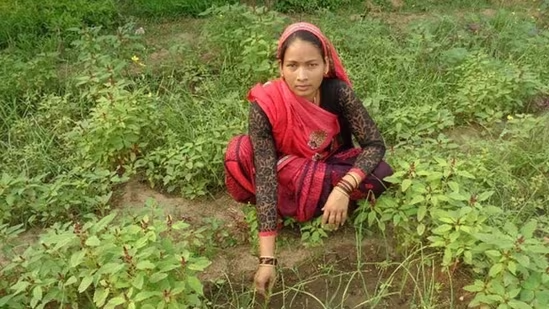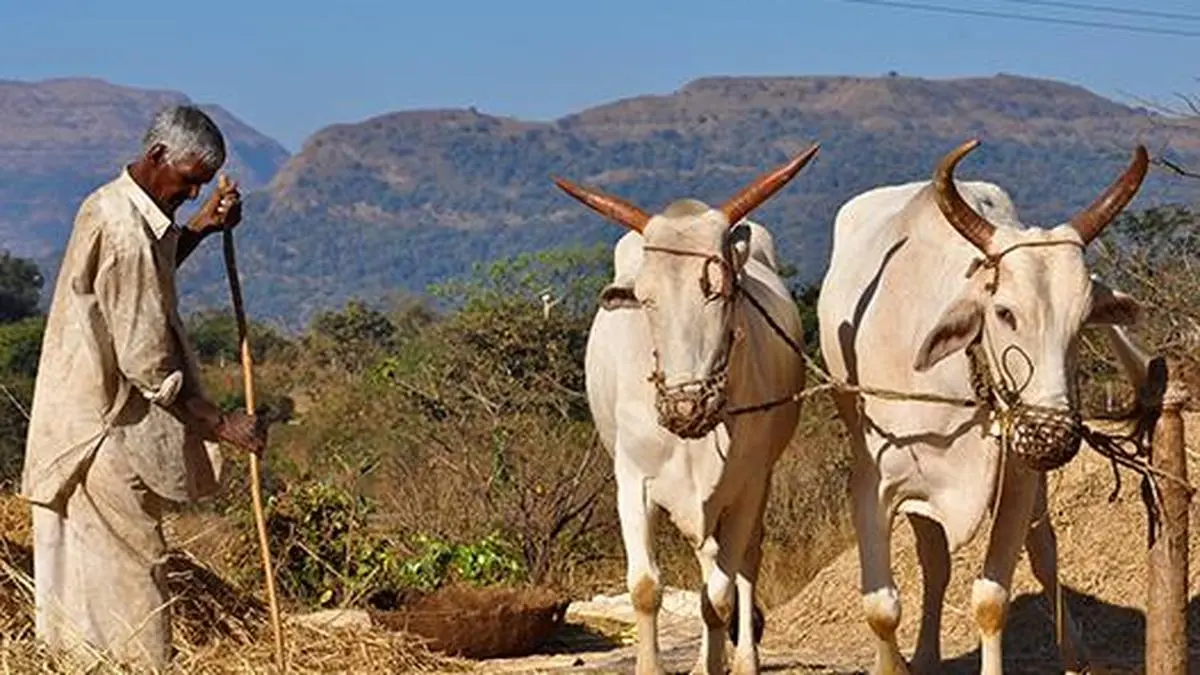
The core problem is that Indian agricultural policy tracks soil health, fertiliser subsidies, and crop yields with immense precision. Yet, it completely ignores the vital engine of the entire system: the farmer’s physical body.In intensive cash-crop zones, such as the sugarcane belts of western India, economic value is drawn directly from the physical stamina of the workforce.Because production models fail to account for the economic cost of human wear-and-tear, rural health is treated as a charity issue rather than a core component of national economic infrastructure.Ground reality: The Daund taluka studyTo measure the physical toll of manual farming, a field audit of 150 sugarcane cultivators was conducted in Daund Taluka, within Maharashtra’s Pune district. The study built a Farmer Health Capital (FHC) Index, aggregating physical, mental, and social health markers directly from primary field data. The findings reveal a severe crisis:
The Health Deficit: The average FHC Index score stood at 0.479, meaning the average cultivator operates at less than half of their full biological health capacity.
Endemic Pain: Due to the grueling physical demands of harvesting, musculoskeletal damage is widespread, tracking a mean back-pain score of 7.73 out of 10. How health shocks trigger the rural debt trap?Regression models from the field data show that a farmer’s physical health is the single most accurate predictor of their long-term economic planning. Surprisingly, current-season revenue, crop insurance, and total landholdings have no real predictive power over whether a farmer will take future financial risks. If a farmer’s body is failing, they lose the confidence to invest in the next crop cycle.The financial fallout occurs in two distinct stages:Delayed care: Due to immediate cash shortages, 92 per cent of surveyed households deliberately delay treating early medical issues, causing minor illnesses to escalate into major emergencies. The debt trap: When a severe health crisis strikes, 60 per cent of cultivators are forced to turn to high-interest local moneylenders. This predatory debt drains the liquid cash strictly needed for seeds, fertilizers, and fuel for the next season. Why existing safety nets (Ayushman Bharat) fall short?The dataset reveals a crucial policy mismatch: registration with Ayushman Bharat does not reduce these treatment delays.Among registered smallholders, 91 per cent still delay seeking care. This happens because the scheme is designed around major hospital admissions (tertiary care). It completely ignores everyday out-of-pocket costs, such as doctor fees, diagnostic tests, daily medicines, and travel costs to the clinic. Higher crop revenues alone cannot fix these structural gaps.High revenue cannot buy local primary infrastructure, occupational safety toolkits, or field-level clean water grids.Why policy must focus on agrarian human bioeconomics?National policy must urgently embrace agrarian human bioeconomics to stop treating the farmer’s body as a free, unbreakable machine. Current frameworks map agricultural productivity solely through land and machinery, ignoring the biological attrition and cellular exhaustion of the actual human workforce.By failing to calculate the economic cost of human wear-and-tear, our current systems run on a hidden deficit that actively drains rural household wealth. True structural reform requires shifting health interventions out of discretionary welfare budgets and building them directly into our core agricultural growth models.The economics: Beating iInflation without raising MSPA long-standing debate in economics warns that raising farm incomes purely through higher Minimum Support Prices (MSP) or Fair and Remunerative Prices (FRP) risks driving up retail food inflation for urban consumers. Bioeconomic models prove there is another way. Proactive, front-end investments in farmer health actually lower the unit cost of production:The seasonal allocation: If processing cooperatives invest ₹5,000 per household each season (just 1.88% of their average revenue) into field hydration grids, ergonomic tools, and mobile clinics, they stabilise the workforce. Efficiency gains: This basic care recovers 10% in lost labour efficiency, expanding yield volume and generating ₹26,597 in immediate new revenue for the household. Inflation shield: Because the boost in crop volume far outpaces the small cost of the health investment, the true unit cost of farming drops, protecting urban consumers from price spikes. Treasury savings: Catching occupational illnesses early keeps farmers out of emergency rooms. Given India’s 51.6% public health subsidy rate, this simple intervention eliminates massive downstream burdens on public hospitals, saving the state government a net ₹7,000 per household. Policy interventions requiredTurning India’s agricultural systems into self-funding, resilient models requires three structural reforms:Rethinking cooperatives: Agro-processing hubs, like sugar factories, must expand their roles to monitor and protect human capital. State licenses and export bonuses should be tied directly to the health index improvements of their contracted farming base. Mandatory escrow payouts: The state must enforce automated escrow systems to clear all harvest dues within 14 days. Ensuring immediate cash flow keeps families away from local moneylenders and stabilises household nutrition. Ethical farm certifications: The Ministry of Commerce can launch an ethical certification framework. Agricultural products grown under verified worker safety and water security standards can capture premium prices in international export markets, creating a permanent fund for rural health infrastructure. The author is an agriculture economist and member of Maharashtra Agriculture Price Commission.Published on June 21, 2026