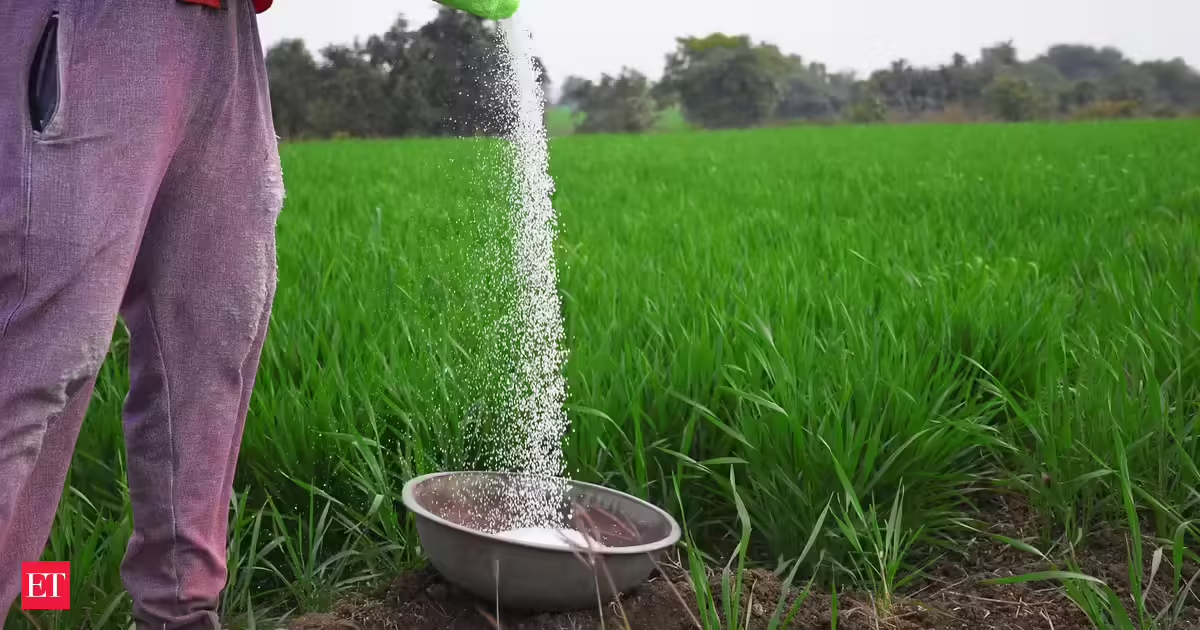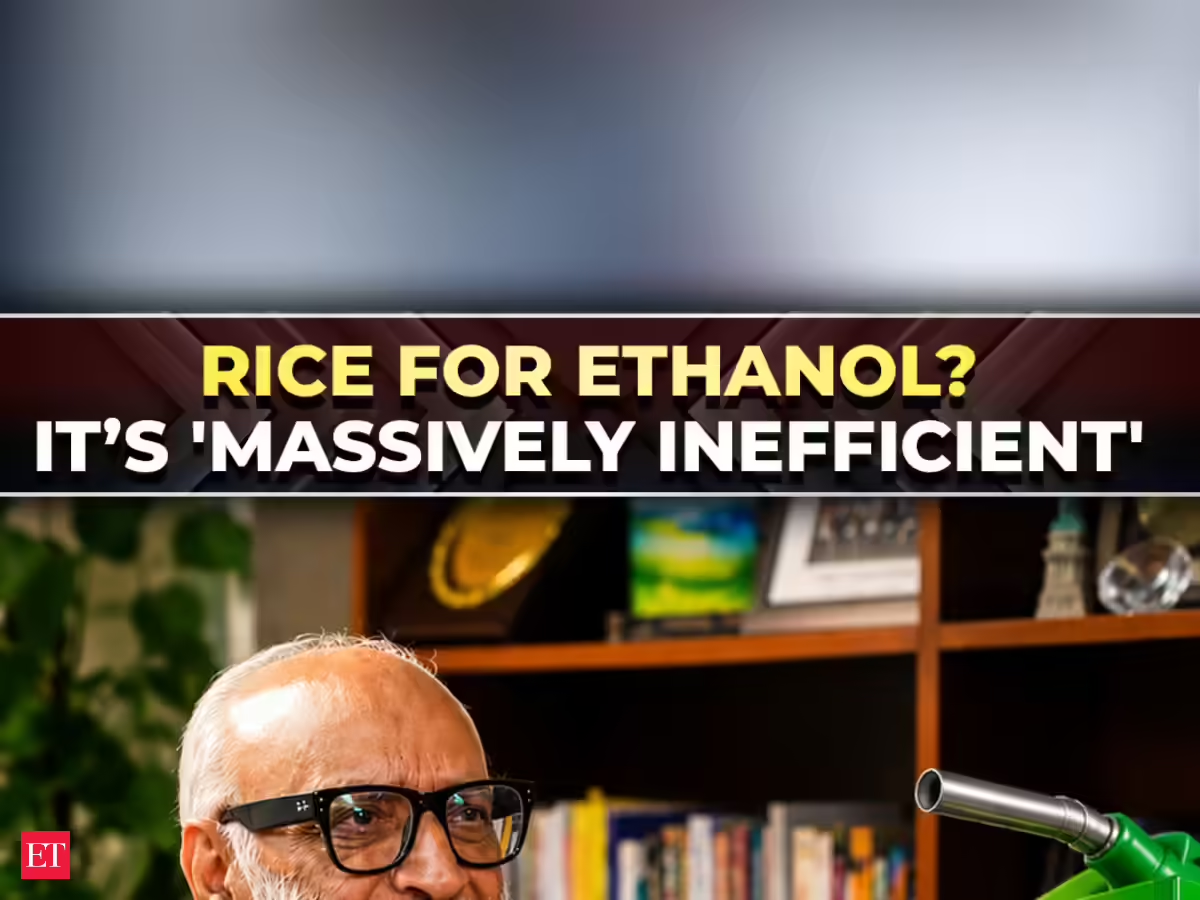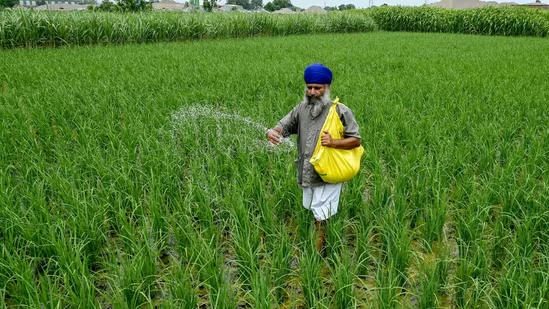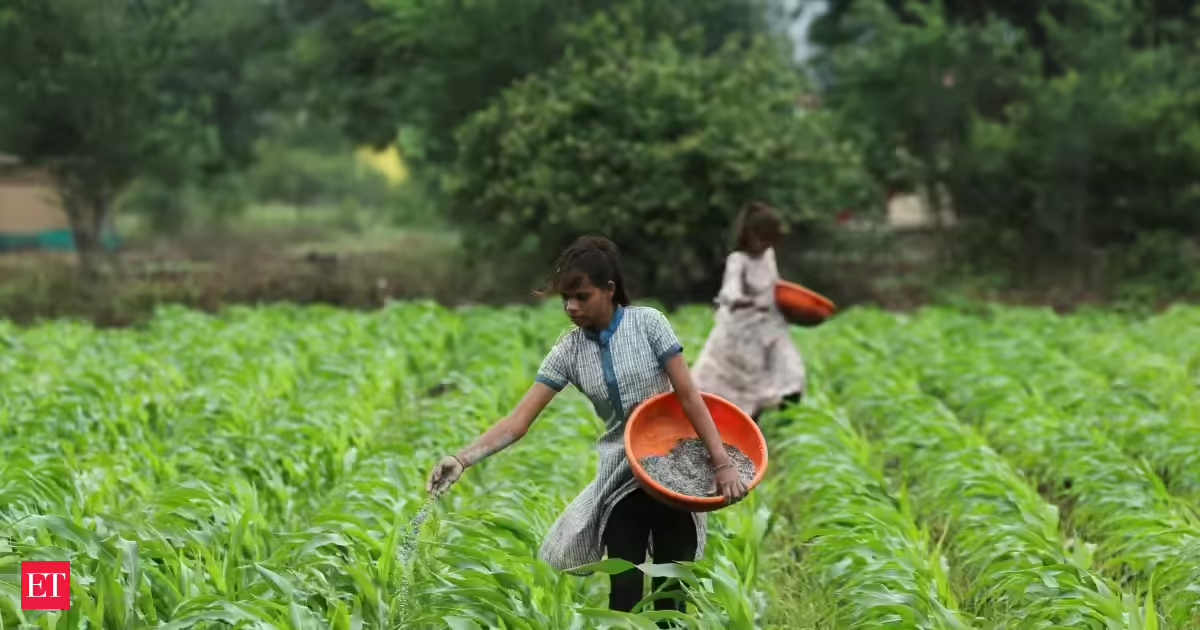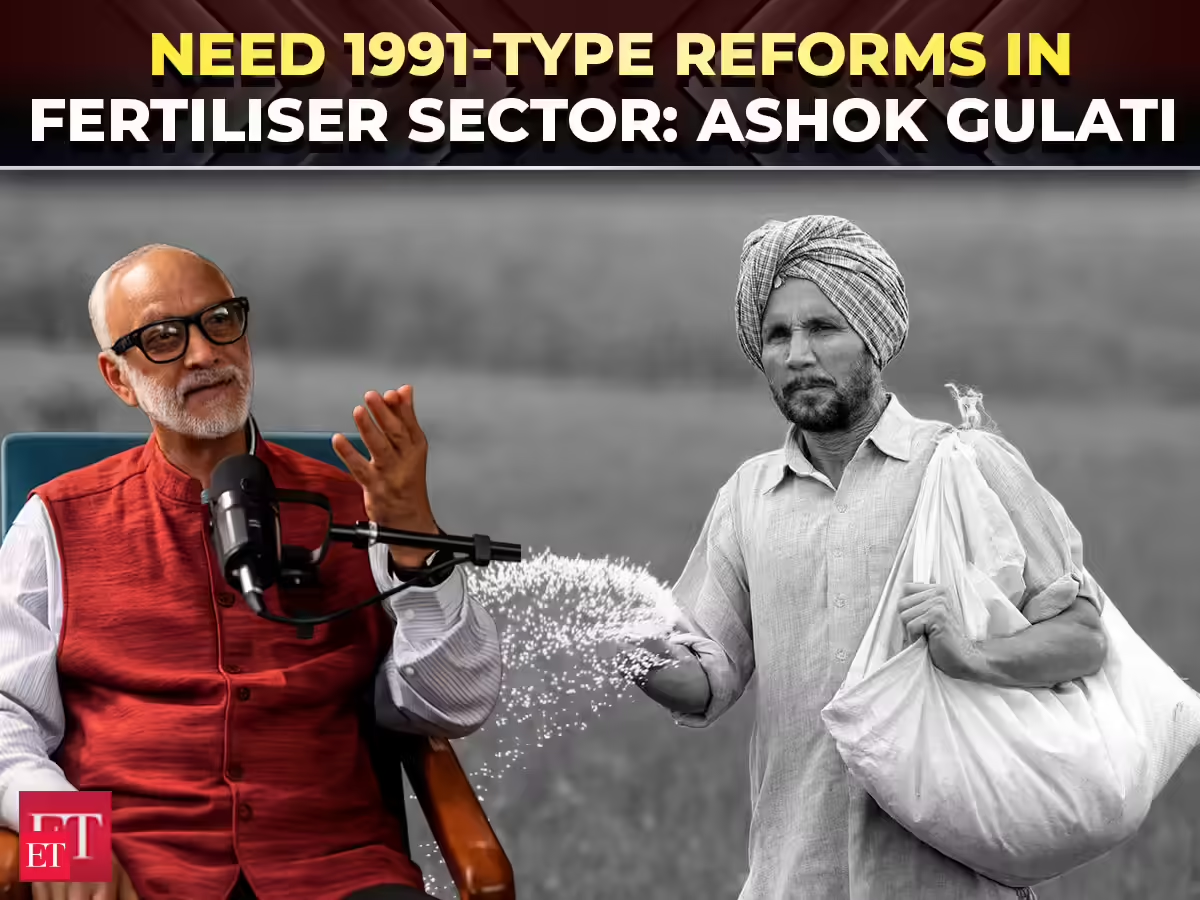
Ashok Gulati says India's fertiliser subsidy model is fiscally unsustainable, heavily import-dependent and environmentally damaging. He advocates decontrolling fertiliser prices, replacing price subsidies with direct per-acre income support, and shifting incentives from water- and fertiliser-intensive paddy to pulses and oilseeds. Gulati also criticises the use of rice for ethanol production as highly inefficient and virtually unheard of elsewhere, arguing that maise is a far more suitable feedstock. He warns that without 1991-style structural reforms, the subsidy bill — budgeted at Rs 1.7 lakh crore — could balloon to Rs 3 lakh crore, widening the fiscal deficit at a time when India is already under pressure from El Niño, a weakening rupee and rising import costs. Show more Show less
What's ailing India's fertiliser subsidy and ethanol policy? Ashok Gulati explains
Ashok Gulati says India's fertiliser subsidy model is fiscally unsustainable, heavily import-dependent and environmentally damaging. He advocates decontrolling fertiliser prices, replacing price subsidies with direct per-acre income support, and shifting incentives from water- and fertiliser-intensive paddy to pulses and oilseeds. Gulati also criticises the use of rice for ethanol production as highly inefficient and virtually unheard of elsewhere, arguing that maise is a far more suitable feedstock. He warns that without 1991-style structural reforms, the subsidy bill — budgeted at Rs 1.7 lakh crore — could balloon to Rs 3 lakh crore, widening the fiscal deficit at a time when India is already under pressure from El Niño, a weakening rupee and rising import costs.