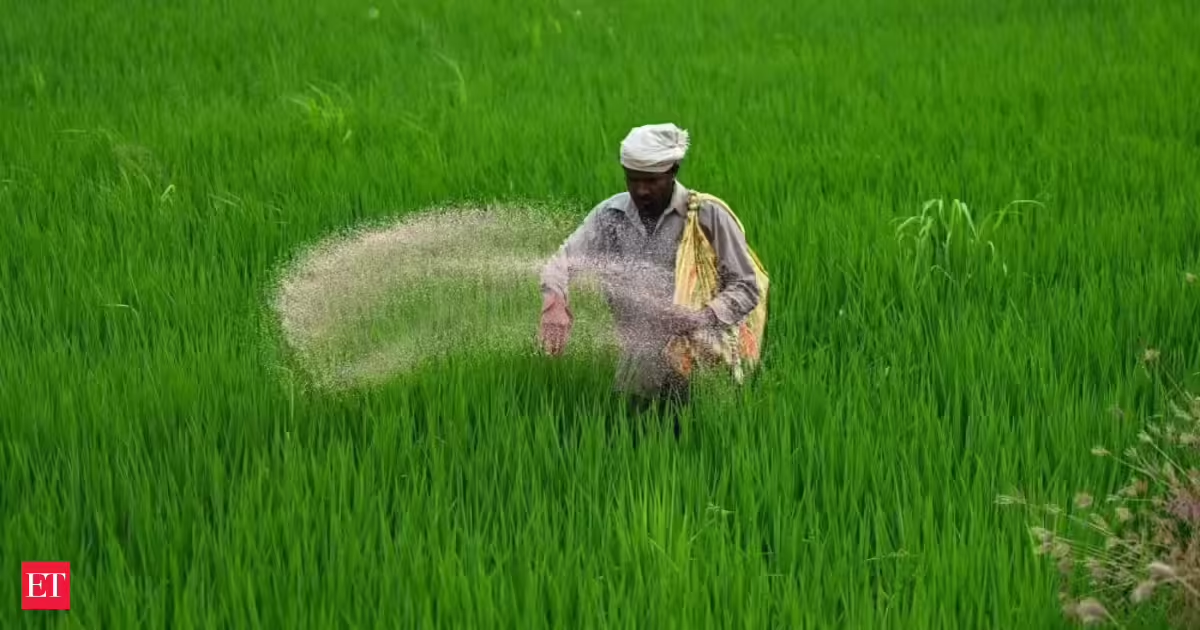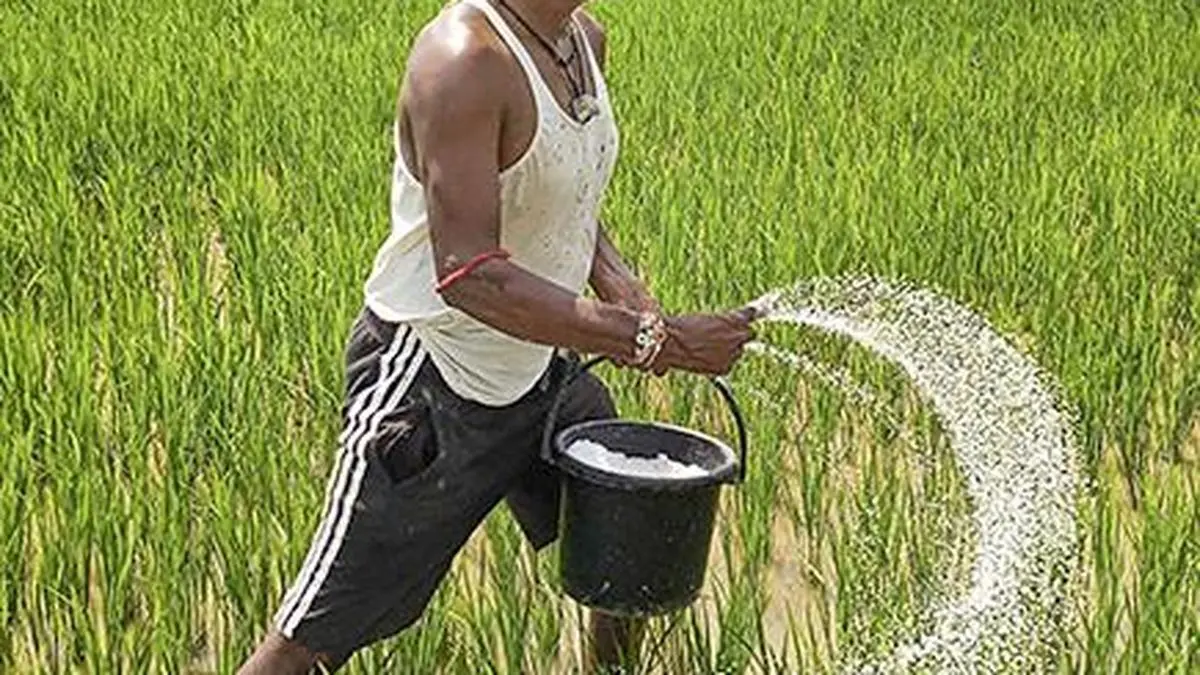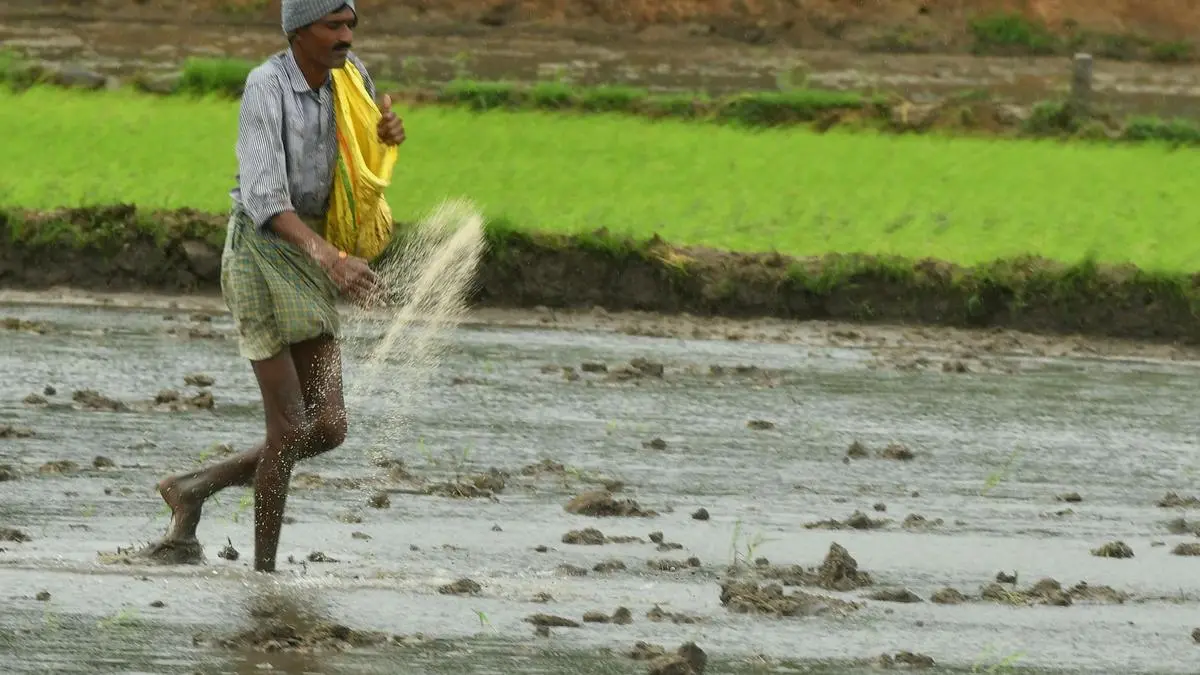
File Photo: A farmer sprays fertiliser on his field in Vemulapally village near Miryalguda, Nalgonda District
| Photo Credit:
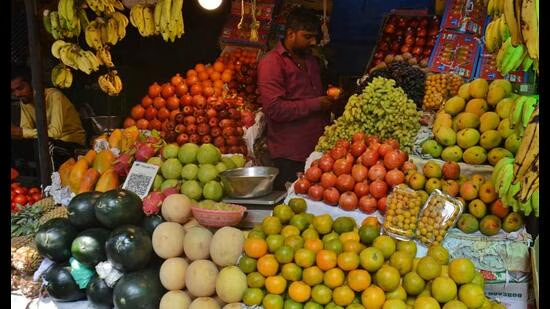
In 2026, we’ve realised that National Food Security is about much more than just grain silos and cold storage. It is, at its core, a challenge of human infrastructure. While we have spent decades tracking the wear and tear on tractors and the depletion of soil nutrients, it is observed that we have largely ignored the “biological depreciation” of our most important asset: the farmer. By embracing the Farmers’ health capital theory, we can finally stop treating farmer welfare as a charity expense and start seeing it as a critical risk Management strategy for the entire nation.Defining farmers’ health capital theoryAt its heart, this theory treats a farmer’s physical and mental well-being as a measurable economic asset rather than a personal matter. It suggests that a farmer’s health is a form of “capital” that produces value. Just as a factory accounts for the wear and tear on its machines, this theory mandates that we account for the physical “depreciation” of the farmer’s body. Observation shows that when this biological capital is depleted, the entire production chain weakens, making the farmer’s health the literal baseline for national economic stability.The invisible bottleneck in market volatilityWhen the prices of tomatoes, onions, or potatoes (the “TOP” crops) skyrocket, we usually blame the weather or the middlemen. However, a deeper look at the farm gate reveals a human capital failure. Observation shows that the physical toll of a harvest is the primary bottleneck. During extreme heat, a farmer’s manual efficiency doesn’t just dip—it crashes. It is observed that a mere 48-hour delay in picking tomatoes due to physical exhaustion can lead to a 12–15 per cent loss in yield right in the field. In a tight market, this small supply gap at the source creates a massive 40-60 per cent price surge at the urban retail level. Traditional risk management builds more warehouses; health capital risk management builds better harvesting tools and heat-protection protocols to keep the farmer’s “human engine” running.Welfare as ‘strategic maintenance’Under this new lens, programmes like PM-KISAN aren’t just subsidies; they are maintenance liquidity. Think of it as an annual maintenance contract (AMC) for the nation’s food system. observation shows that when a farmer has a financial cushion, they aren’t forced to cut corners on their own nutrition or health. Furthermore, it is observed thata healthy farmer makes fewer critical errors—they supervise crops more effectively and handle pesticides more safely. By investing in the “Human Asset,” the state ensures the reliability of the entire food grid. Just as you wouldn’t skip maintenance on a power plant and expect it to stay on, we cannot ignore farmer health and expect the food supply to remain stable.The real cost of productionThe current way we calculate the Minimum Support Price (MSP) covers seeds, fuel, and labour hours, but it is observed thatwe completely miss the restoration cost of the human body. It is observed that if the price of a crop doesn’t cover the caloric and medical recovery of the person who grew it, the nation is effectively “mining” its human capital. This exhaustion is a primary driver of the rural exodus. Observation shows that when farmers feel physically and financially depleted, they migrate to urban centers, creating a permanent gap in our domestic production capacity.Conclusion: A resilient futureThe strength of India in 2026 depends on the physical resilience of the people in our fields. By making farmers’ health capital theorya central part of our national policy, we move from being “providers of aid” to “managers of strategic assets.” To keep food on the table for a billion people, we must first protect the biological infrastructure that puts it there.(The author is Member Maharashtra Agriculture Price Commission)Published on June 7, 2026