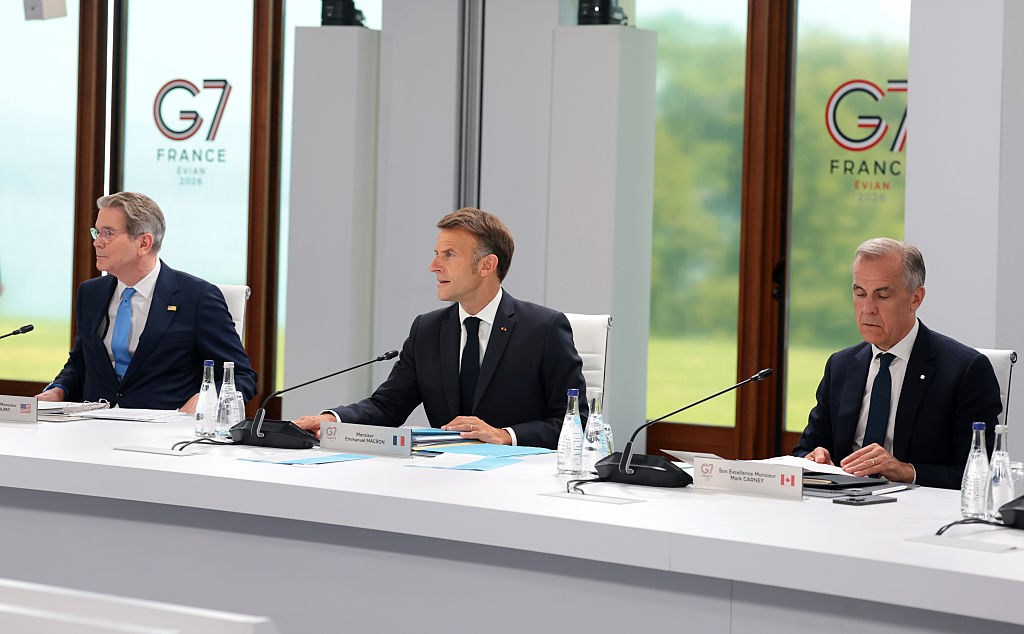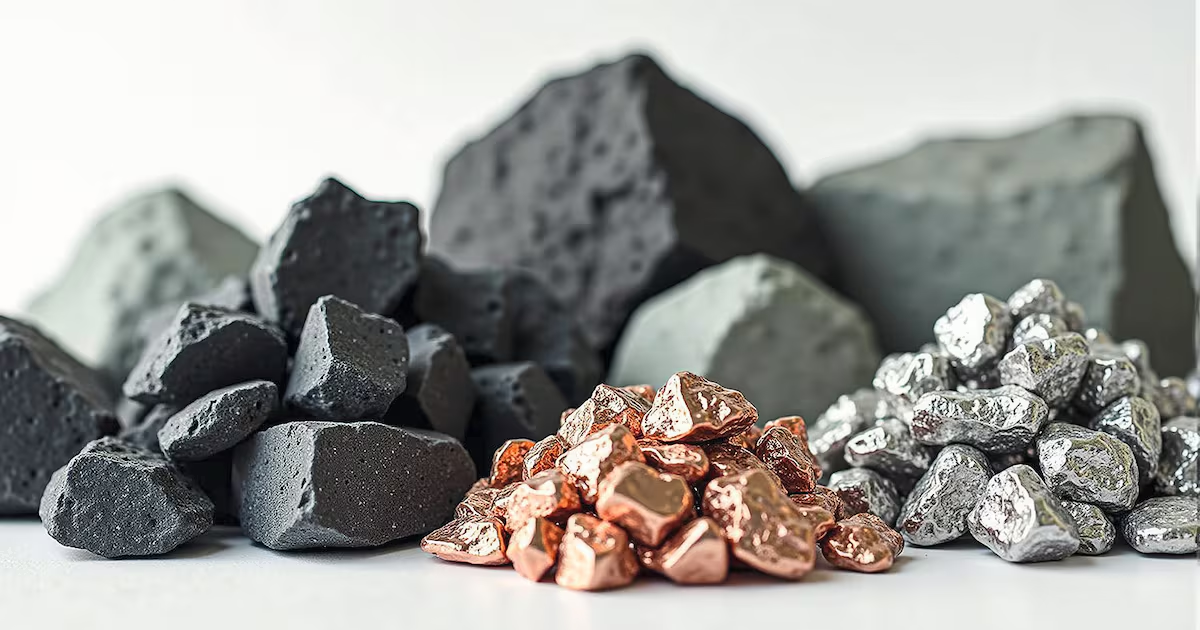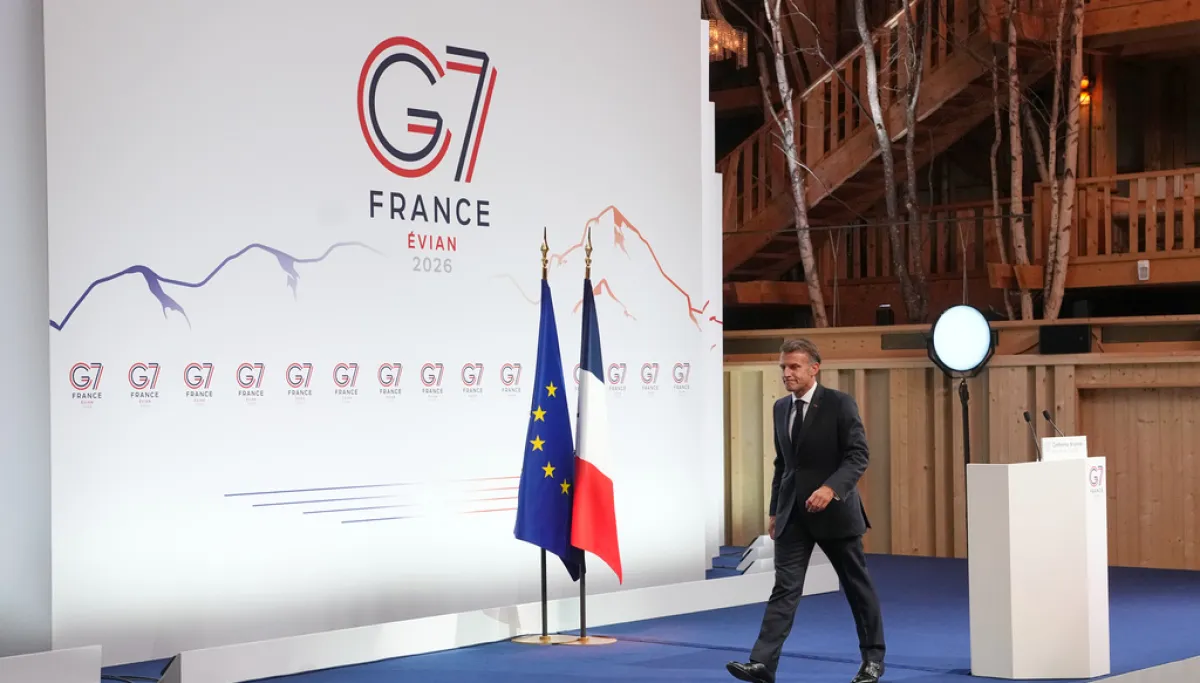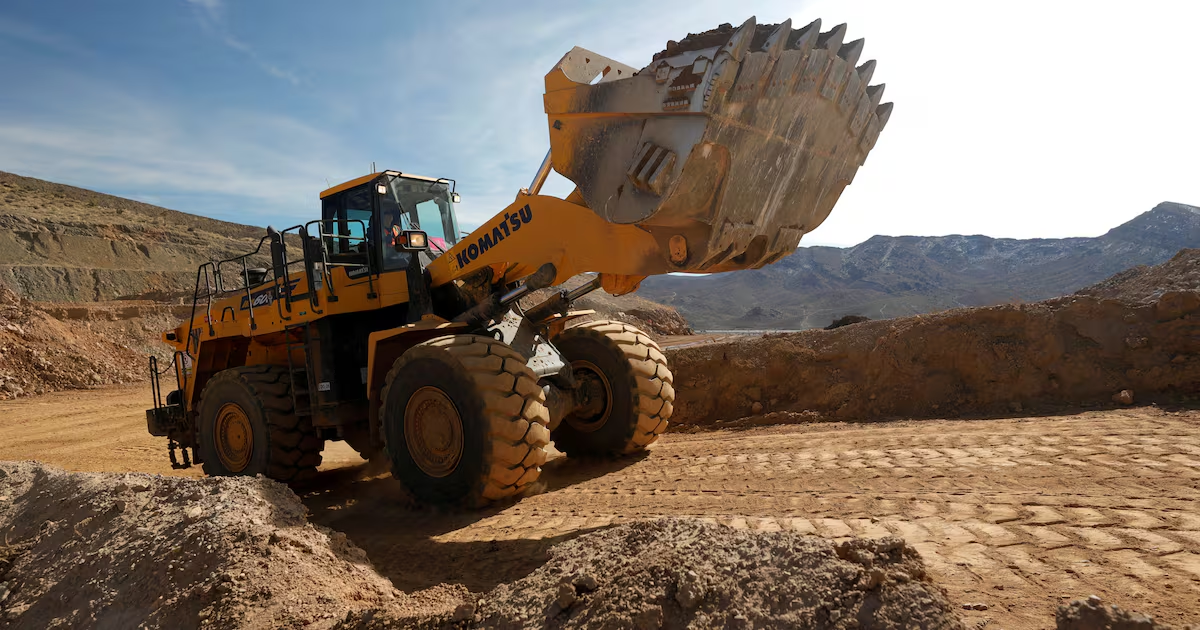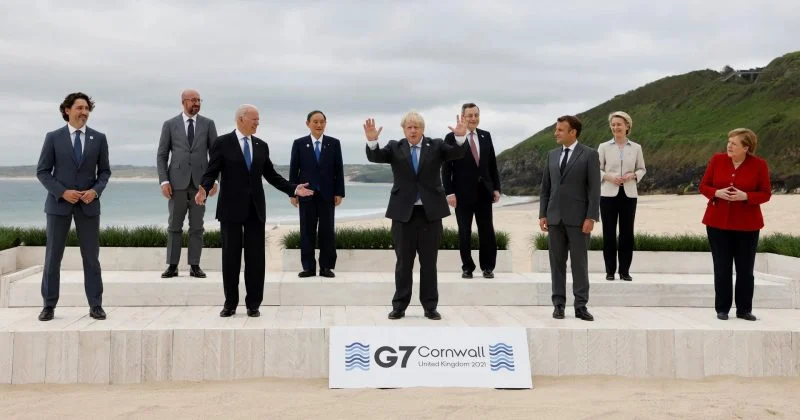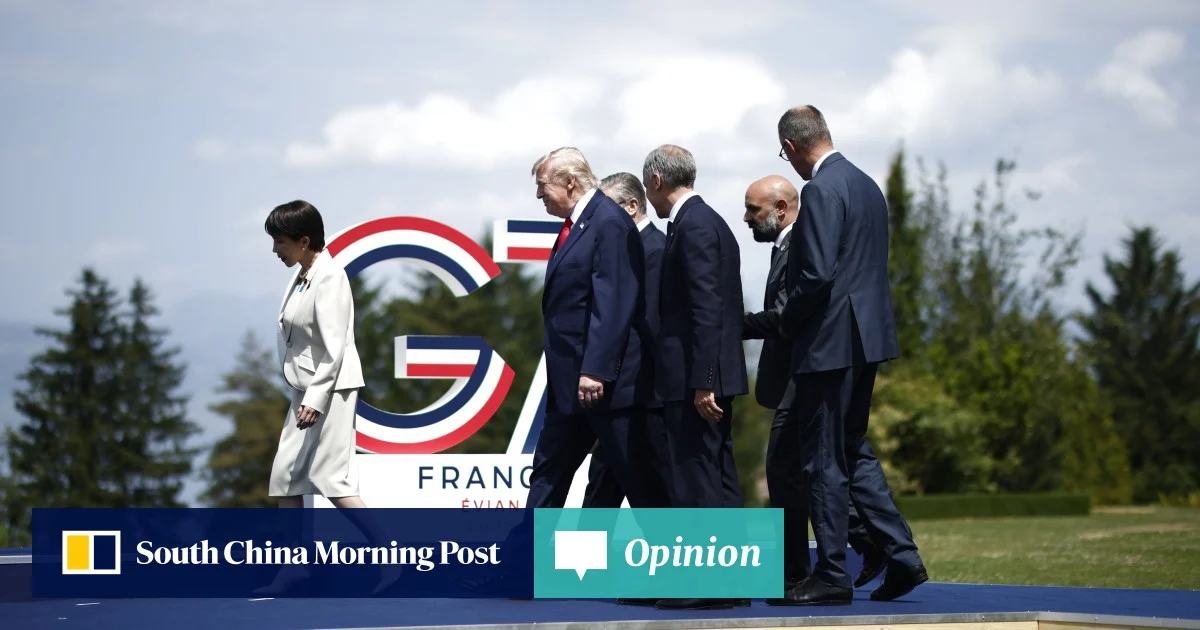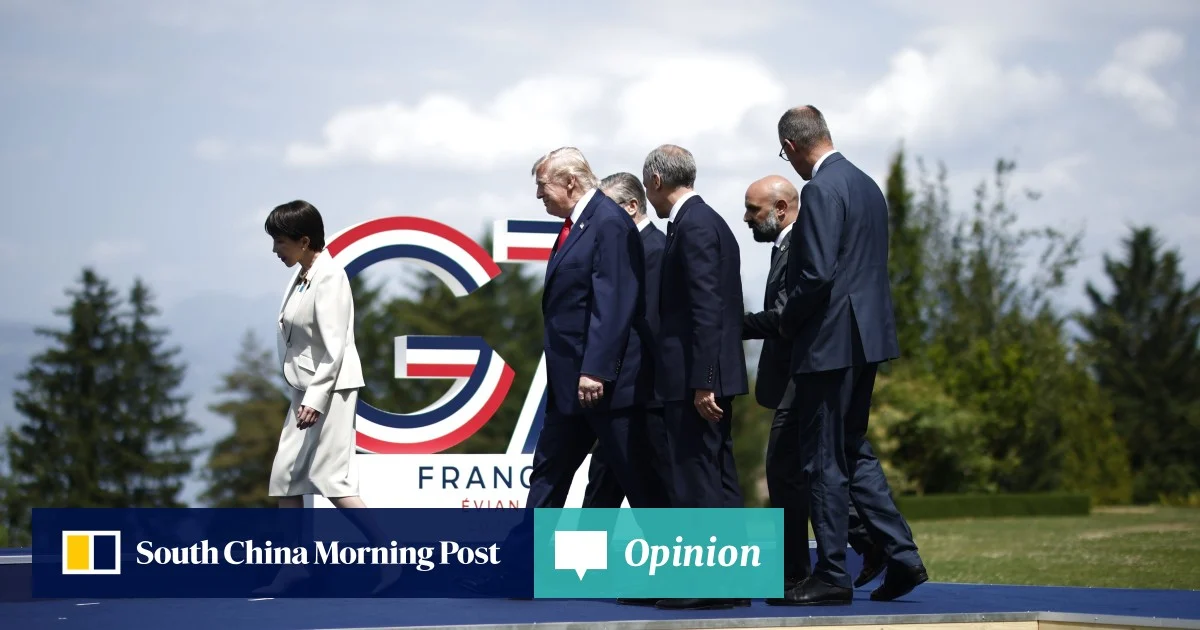
Led by Japan, East Asia seems to be setting off along a road to nowhere – beyond tension and maybe eventual conflict. This may seem a harsh indictment yet consecutive Japanese leaders have shown a lack of vision on the constructive role their country could play in achieving regional peace and economic integration.The latest manifestation of this is Japanese Prime Minister Sanae Takaichi’s proposal this past week to G7 leaders in France to coordinate the stockpiling of critical minerals, including rare earths, to ease China’s grip on key supply chains.The Asia-Pacific, according to Asia Undercurrent, a webinar series by Nikkei Inc and the Japanese government, “faces escalating demand for critical minerals, including those that are essential to industries ranging from semiconductors to renewable energy.“Supply chain vulnerabilities have come to the fore amid recent conflicts that only exacerbate the need for resilient partnerships and technological innovation – and these efforts are on the rise. Yet partnerships between Japan and other nations of the region face the challenges of trade frictions, underdeveloped refinement capabilities and more.”Takaichi’s argument to G7 leaders may sound sensible, in the same way that coordinating stockpiles of oil to counter the fallout from the US-Israel war on Iran appeared, superficially, to make sense. Likewise, coordinating security agreements between Japan and strategic partners in various parts of the world may appear justified.Yet the logic (to put it politely) underlying these and similar agreements that seem to be proliferating is faulty and shortsighted at best, and irresponsible and potentially dangerous at worst. It shows a lack of vision and statesmanship that could easily push East Asia into renewed conflict.
Macroscope | Why Japan’s proposal for G7 critical mineral stockpiles is a bad idea
Tokyo’s overtures towards the G7 assume that China is a threat to be countered with economic or security measures.
TL;DRAI
Japan proposed G7 coordination of critical mineral stockpiles to counter China's rare earth dominance in semiconductor and renewable supply chains. Tech leaders should expect sourcing friction, mineral scarcity, rising component costs, and pressure to diversify suppliers beyond China.
269 words~1 min read