The Group of Seven’s latest push to reduce dependence on China for critical minerals is accelerating a geopolitical response from Beijing, which is now leaning more heavily on BRICS cooperation to secure its position in global supply chains for strategic resources.
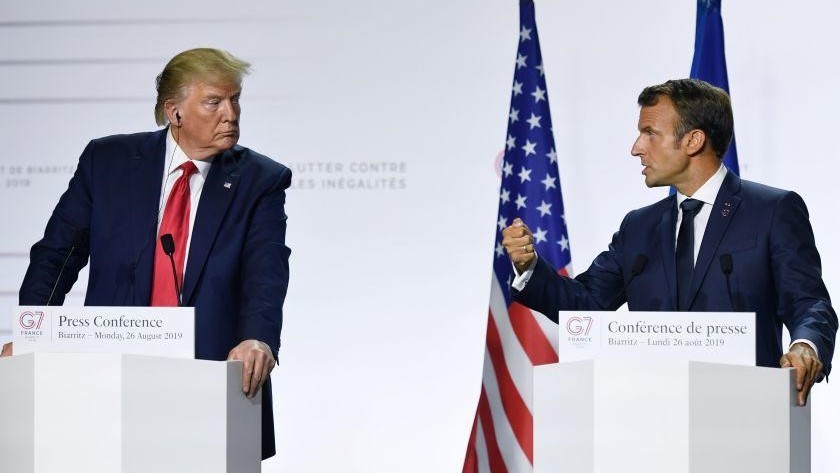
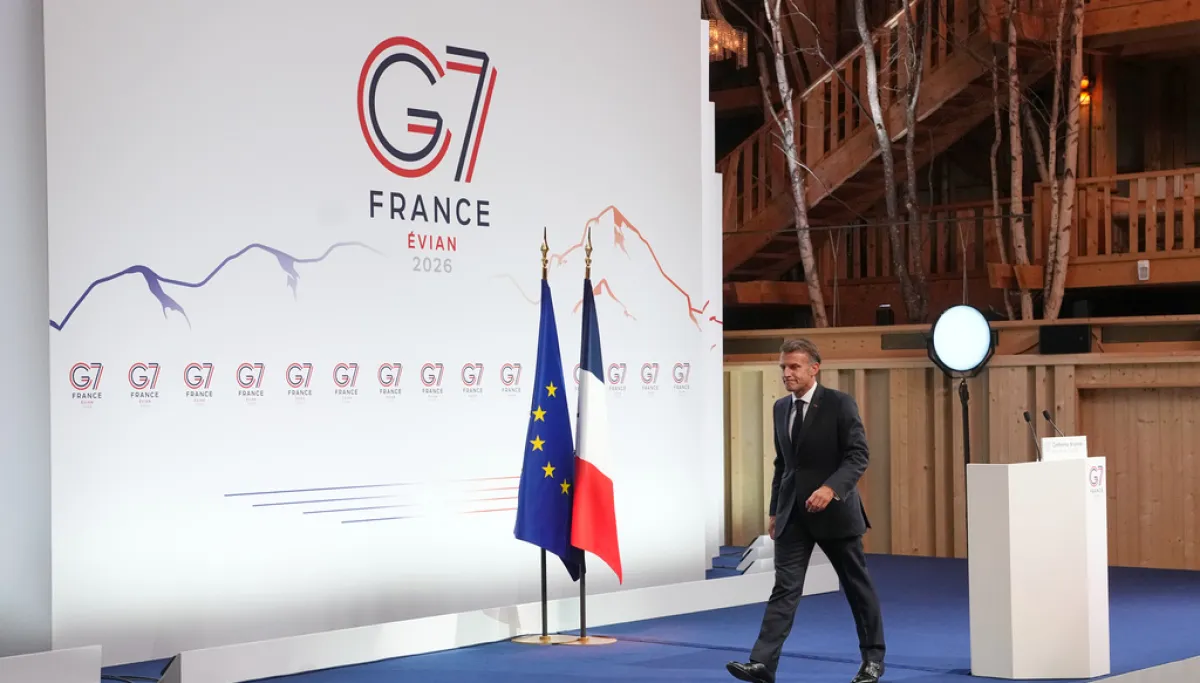
G7 leaders recently agreed to intensify coordination to reduce reliance on China for rare earths and permanent magnets to below 60% by 2030, with an eventual target of 50%.
The plan includes joint stockpiling mechanisms, expanded recycling capacity, and a new policy platform supported by the International Energy Agency to monitor supply risks and coordinate crisis response.
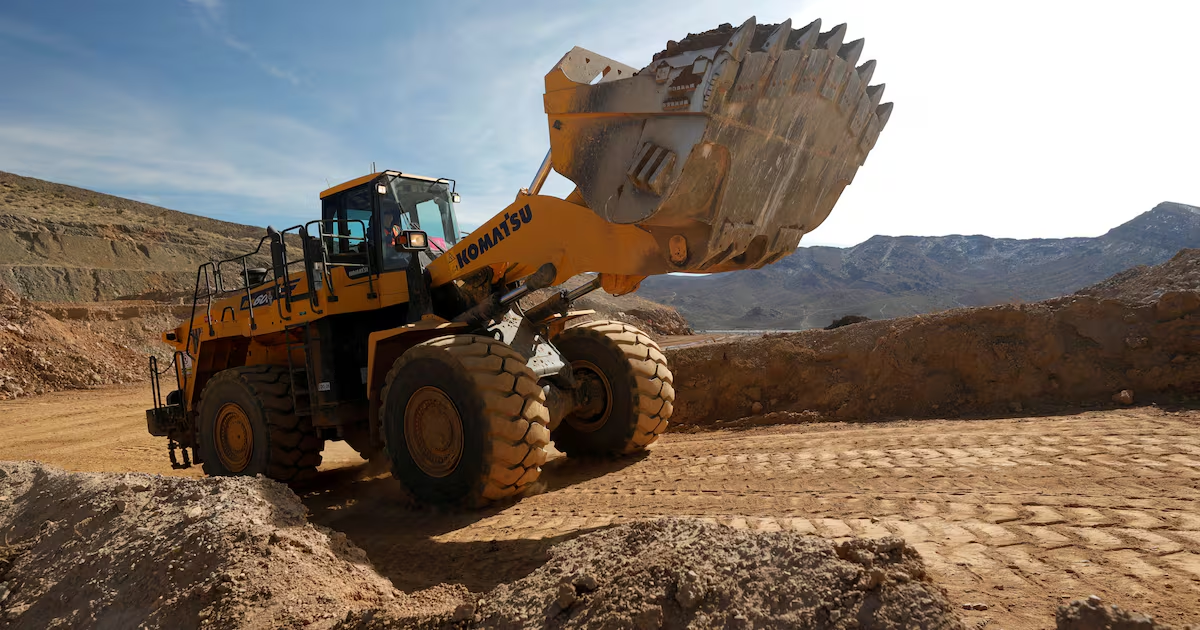
The strategy reflects growing concern among Western economies over China’s dominance in critical mineral processing, particularly rare earths, where it accounts for about 90% of global output in key segments such as magnets used in electric vehicles, defence systems, and advanced electronics.
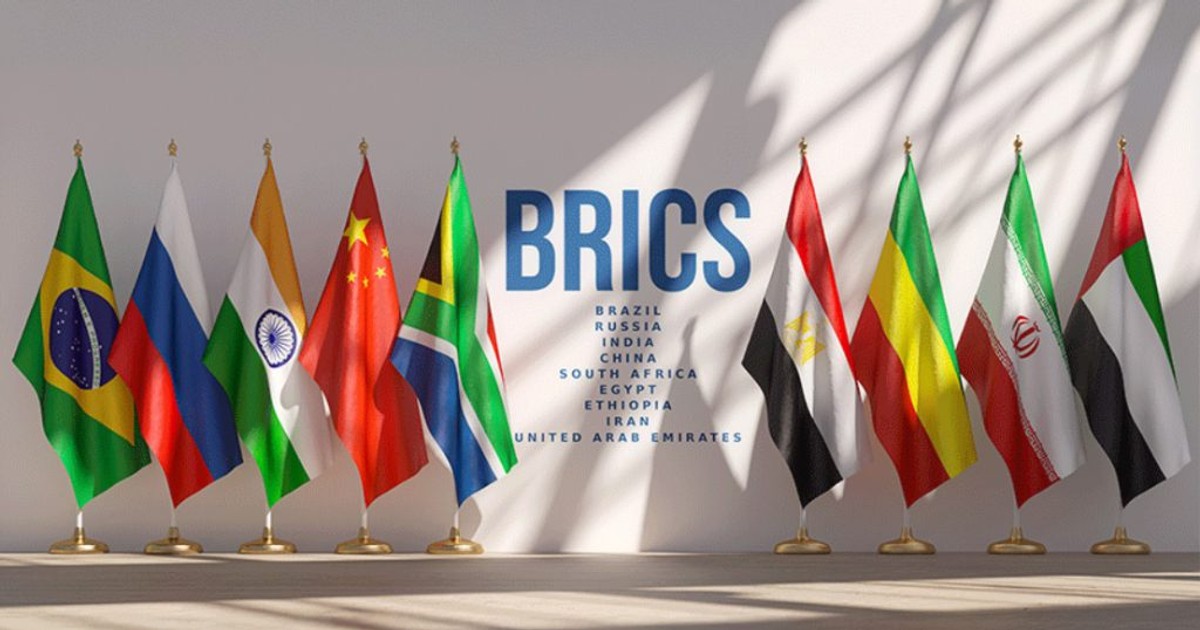
It is against this backdrop that China is strengthening its alignment with BRICS, positioning the grouping as a strategic counterweight to Western-led efforts to restructure global supply chains without it.