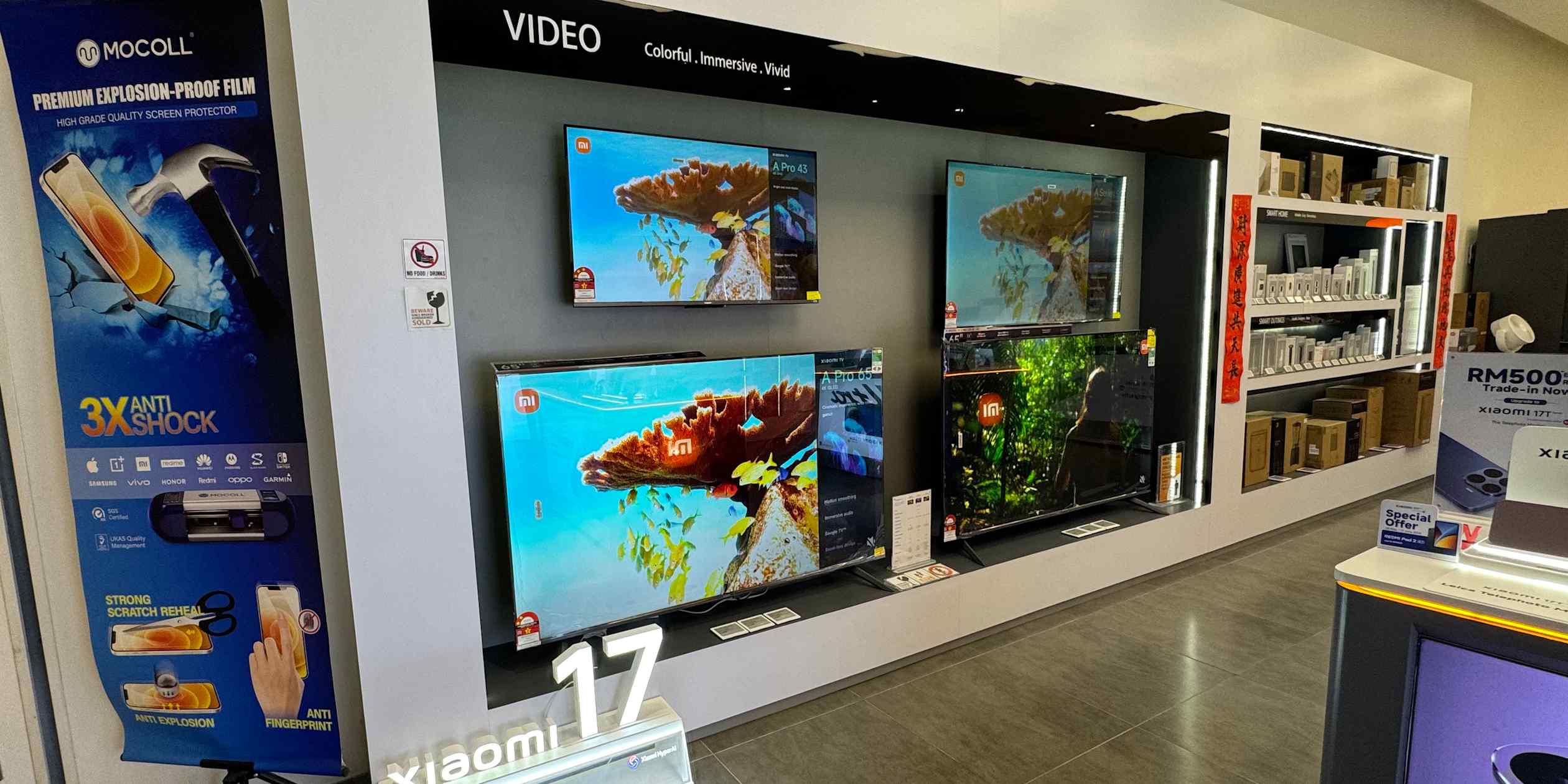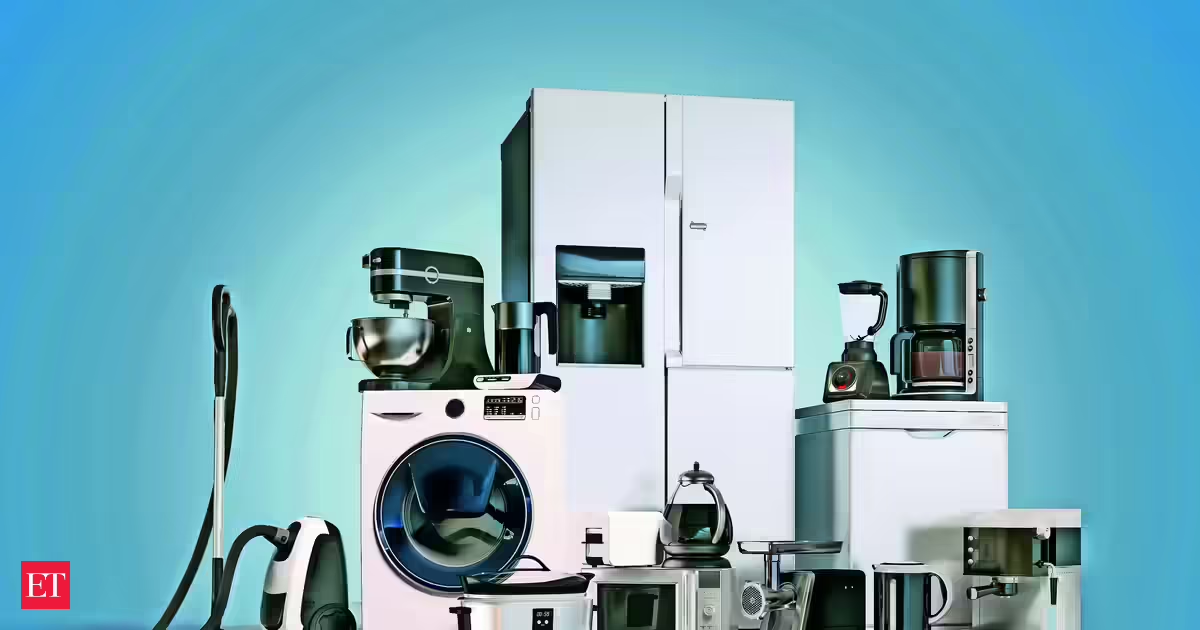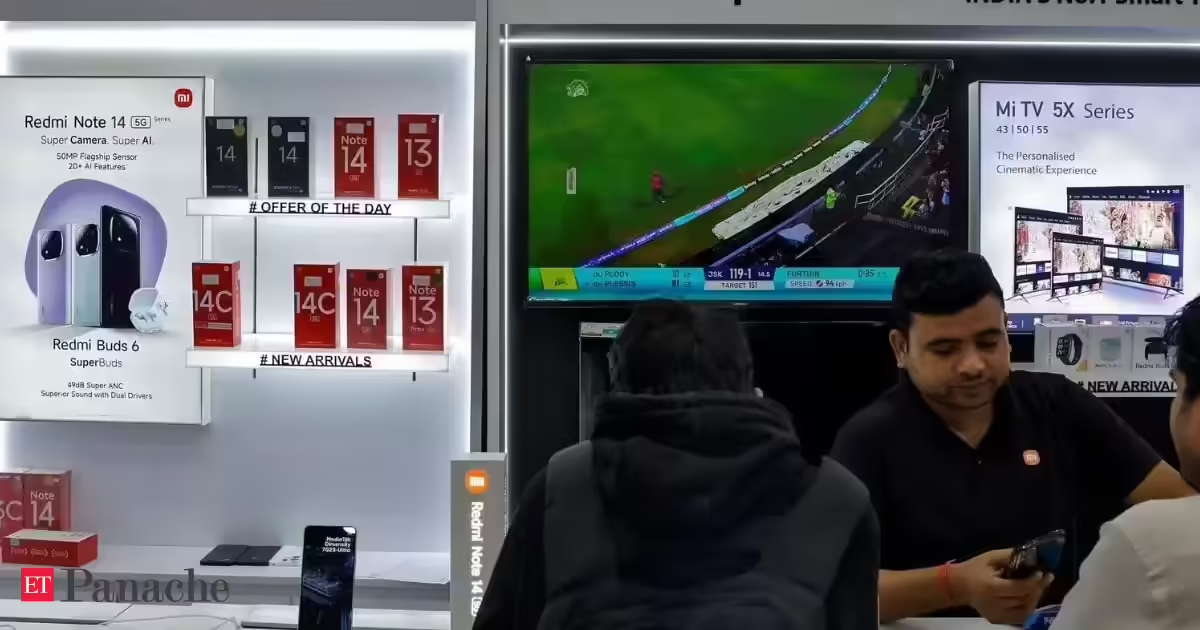
India’s consumer durables sector is entering a new phase of competition. Within a span of two days, two very different companies revealed their ambitions. German appliance giant BSH Home Appliances decided to enter the mass market in India for the first time globally by sharply lowering Bosch’s entry-level prices and launching products in categories it had long avoided. Almost simultaneously, Xiaomi revealed plans to enter the large home appliances business in India as growth in smartphones slows.These moves come after a year marked by acquisitions, stake sales, private equity interest, and aggressive expansion plans by some of the world’s biggest consumer brands. India’s homes have become one of the most coveted growth opportunities in global consumer markets.Also Read: BSH enters mass market in India for first time globally, cuts Bosch prices to rival LG, SamsungWhy everyone wants a piece of India’s appliance marketThe attraction is not difficult to understand. India’s consumer durables market is expected to reach nearly Rs 3 lakh crore by FY29, growing at a CAGR of around 11 per cent, making it one of the fastest-growing large markets in the world. Rising incomes, rapid urbanisation, deeper electrification, and easier access to consumer financing are bringing millions of households into the market for refrigerators, washing machines, air conditioners, and televisions.What makes the opportunity particularly compelling is that penetration levels remain surprisingly low in several categories. While refrigerators have reached a significant portion of households, washing machines, microwave ovens, and dishwashers still have substantial headroom for growth. This means companies are not merely fighting for market share. They are also competing for entirely new consumers entering these categories for the first time.The next wave of demand is increasingly coming from Tier II and Tier III towns, where aspirations are rising rapidly and consumers are willing to spend more on convenience, energy efficiency, and premium features. At the same time, premiumisation remains intact in urban India, creating opportunities at both ends of the market.Also Read: Xiaomi plans entry into large home appliances in India as smartphone shipments declineBosch tears up its old India playbookPerhaps the clearest sign of how competitive the market has become is BSH Home Appliances’ decision to fundamentally rethink its India strategy. For years, Bosch and Siemens focused largely on premium and upper-mid-market consumers. That positioning gave the brands a strong reputation but limited their scale in a country where volume growth comes from more affordable segments. BSH has now acknowledged that the value segment was the missing piece in its India strategy.The company has reduced prices in some entry-level categories by nearly 20%, narrowed Bosch’s premium over LG and Samsung to just 2-4% from around 15% earlier, and entered categories such as semi-automatic washing machines and direct-cool refrigerators. It is also launching more than 350 new models this year, the highest number in its history in India.The significance goes beyond pricing. India is now a separate region within BSH’s global structure, and the company plans to raise localisation levels to 90% from around 65% currently. That could eventually allow India to become an export hub for products aimed at other emerging markets. India is no longer being treated as a niche premium market but as a strategic growth engine.Xiaomi looks beyond smartphonesIf Bosch represents an incumbent broadening its reach, Xiaomi reflects a technology company searching for its next growth engine. Smartphone penetration in India has matured, and shipment growth has slowed considerably. For Xiaomi, entering large appliances such as air conditioners, refrigerators, and washing machines is both a diversification strategy and a long-term commitment to India.The company already sells such products in several Southeast Asian markets and believes it can replicate that playbook locally. Unlike its earlier attempts to introduce ecosystem products through imports, Xiaomi is now looking for local manufacturing partners and building an India-centric structure to support the expansion.Its decision to elevate India as the headquarters for the South Asia region further highlights the market’s importance. Xiaomi’s move also reflects a broader trend in which consumer technology companies increasingly view connected homes and smart appliances as natural extensions of their ecosystems.The Korean giants face challenges from every directionFor more than two decades, LG and Samsung have largely defined India’s consumer durables industry. Their dominance was built on early investments in manufacturing, extensive distribution networks, and strong consumer trust. But the competitive landscape around them is changing rapidly.Traditional rivals such as Haier and Godrej continue to expand aggressively. Bosch is moving down the price ladder. Xiaomi is entering from the technology side. Local players are investing heavily in manufacturing and product development. At the same time, new categories such as AI-enabled appliances and connected home products are creating opportunities for challengers to differentiate themselves.The result is a market that is becoming increasingly crowded and far more competitive than it was even three years ago.Reliance and Bharti add a new dimensionWhat has truly altered the competitive equation is the arrival of India’s largest conglomerates. Reliance Industries has already launched the Wyzr brand, acquired Kelvinator, and previously tied up with BPL. Its strategy resembles the playbook it successfully used in telecom and retail: leveraging scale, distribution, and pricing power to disrupt established players. Reliance’s greatest advantage lies in its ecosystem. With a vast retail network, digital platforms, financing capabilities, and logistics infrastructure, it can potentially bring appliances to consumers more efficiently than many traditional competitors.Bharti Enterprises has taken a different route. Rather than building a business from scratch, it acquired a stake in Haier India alongside Warburg Pincus. While the move is currently positioned as an investment rather than an operational entry, it places Bharti alongside one of the fastest-growing players in the market.The involvement of these conglomerates indicates that consumer durables are no longer viewed as a niche manufacturing sector. The industry is increasingly being seen as a strategic consumer business capable of generating long-term growth.Dealmaking frenzy points to deeper transformationThe growing excitement around the sector is reflected in the flurry of transactions witnessed over the past year. The proposed Whirlpool India stake sale attracted interest from global private equity firms and strategic buyers before ultimately failing to materialise. Bharti and Warburg Pincus acquired a stake in Haier India. Bajaj Electricals secured the rights to the Morphy Richards brand. Urban Company expanded beyond services into appliance manufacturing. Meanwhile, major manufacturers announced large investments in new factories and localisation efforts.These developments suggest the industry is entering a consolidation phase. Scale is becoming increasingly important as companies seek to improve manufacturing efficiency, strengthen distribution, and absorb rising investments in technology and localisation. Private equity interest has also intensified because the sector combines strong growth prospects with opportunities for operational improvement and consolidation.Localisation and smart homes become the new battlegroundCompetition is no longer just about price. Companies are racing to localise supply chains, reduce dependence on imported components, and tailor products to Indian conditions. Products designed for hard water, voltage fluctuations, and energy efficiency are becoming increasingly important differentiators.At the same time, artificial intelligence and connected home technologies are opening a new front. Consumers are showing a greater willingness to upgrade to smarter appliances if they can see tangible benefits in convenience, energy savings, and long-term operating costs. Manufacturers are responding by investing in AI-enabled features, local R&D, and connected ecosystems that can link appliances, smartphones, and home networks.A market entering its most competitive eraThe Indian consumer durables sector is no longer a relatively predictable market dominated by a handful of multinational brands. It is evolving into one of the country’s most fiercely contested industries. Bosch’s decision to enter the mass market and Xiaomi’s move into large appliances are the latest signs of this transformation. They join a growing list of strategic moves by Reliance, Bharti, Haier, LG, Samsung, and several others that see Indian households as the next major growth opportunity.As competition intensifies, companies will be forced to localise faster, innovate more aggressively, and price products more competitively. For consumers, that should mean greater choice, better technology, improved value, and, of course, better deals and more competitive prices. For the industry, it marks the beginning of a new chapter in which the battle for India’s living rooms, kitchens, and bedrooms may become one of corporate India’s fiercest contests.
A German and a Chinese walk into a hot Indian corporate battleground
India's consumer durables market is heating up as global giants like Bosch enter the mass segment and tech firm Xiaomi expands into large appliances. This surge in competition, driven by rising incomes and low penetration, is attracting major conglomerates like Reliance and Bharti. Expect more choices, better technology, and competitive pricing for Indian consumers as the sector enters its most dynamic phase.
TL;DRAI
BSH cuts prices 20% in India's mass market; Xiaomi enters smart appliances. Growth: 11% CAGR to Rs 3 lakh crore. Tier II/III attracts new players (Reliance), IoT, connected homes vs LG-Samsung. India's durables market: strongest growth trajectory globally.
1,360 words~6 min read