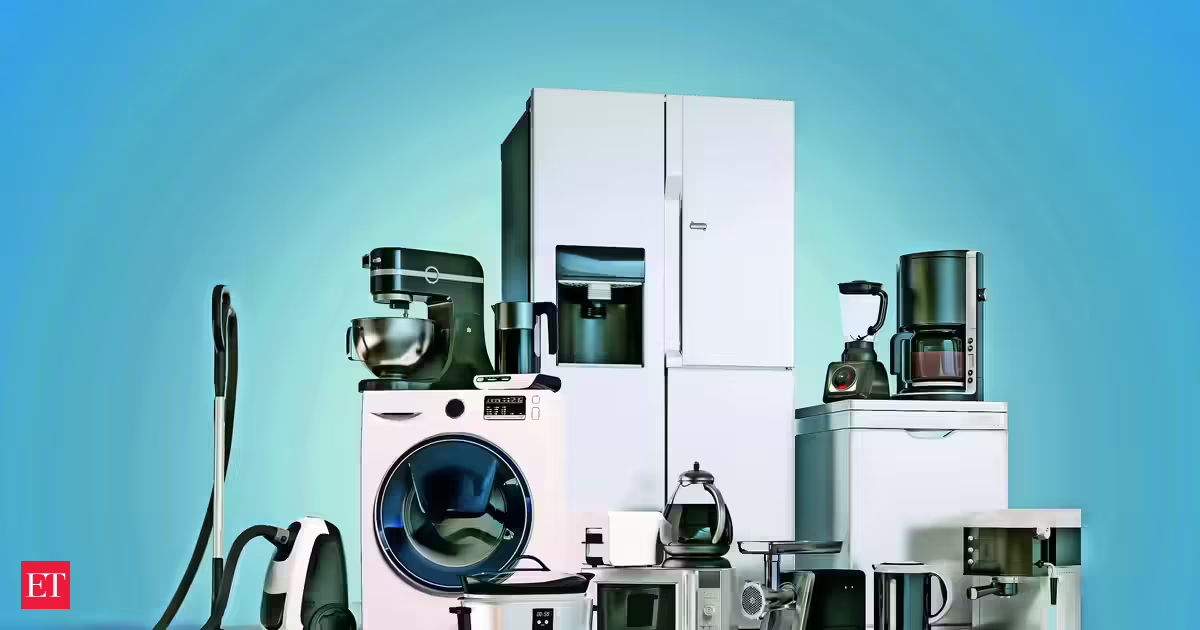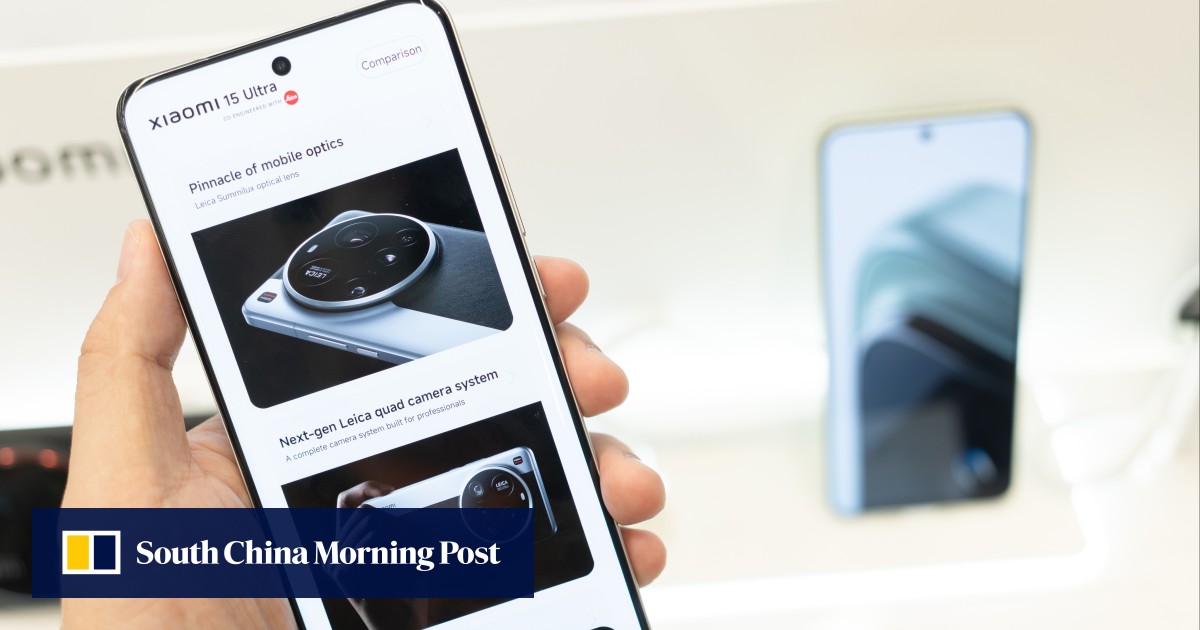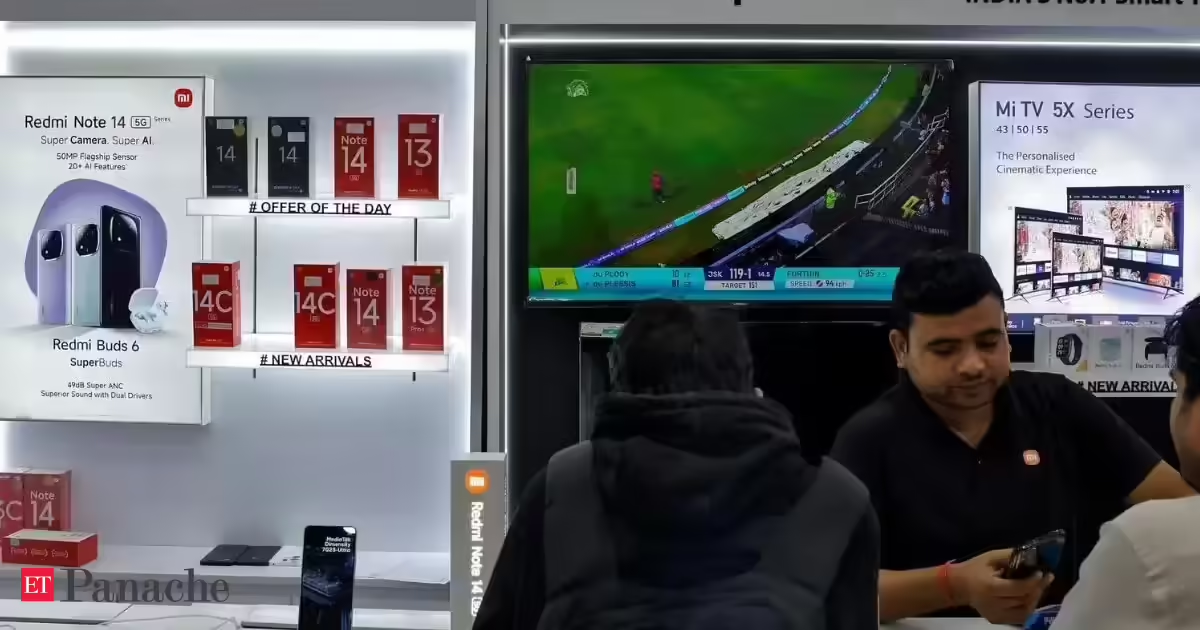
Xiaomi India is entering a new phase of growth and organisational restructuring, with the company aiming to position India as the headquarters for its South Asia operations, expanding its ecosystem ambitions and preparing to enter the large appliances market.The developments come as Anuj Sharma, one of Xiaomi India’s longest-serving executives, prepares to leave the company after an eight-year stint that saw him play a key role across Xiaomi and POCO’s growth journeys in India.The timing is notable. Less than a year ago, Sharma had outlined Xiaomi India’s evolving strategy in an interview with ET, signalling a shift beyond smartphones towards a broader ecosystem-led play. At the time, he had indicated that Xiaomi’s next phase of growth would increasingly come from building a wider portfolio of connected devices and consumer technology products. With the company now confirming plans to deepen its AIoT portfolio and enter large appliances, that strategy is beginning to materialise.“We wanted to stabilise things in 2025, but 2026 was always about taking a giant leap forward, moving up the price ladder and improving overall value,” Sharma said during an interaction with media.Premiumisation Strategy Delivers ResultsXiaomi’s efforts to move up the value chain appear to be yielding results across categories. According to company executives, average selling prices (ASP) across the Xiaomi Group portfolio, including Xiaomi, Redmi and POCO, grew 35.7% in the first quarter of 2026 compared with the same period last year.Within the Xiaomi smartphone portfolio, ASP growth was even stronger at 56.7%, reflecting the company’s increasing focus on premium devices. One of the biggest gains came in the mid-premium smartphone segment. Xiaomi reported a 212% year-on-year increase in the ₹35,000 to ₹50,000 category, a segment that has become increasingly important as consumers upgrade to higher-value devices.The company expects ASPs and value contribution to increase further with the launch of the Xiaomi 17T and Redmi Turbo 5 later this year.Growth Beyond SmartphonesThe premiumisation push is also extending to Xiaomi’s broader consumer technology portfolio. Tablet revenues grew more than 45% year-on-year, while television revenues increased over 35%. Executives highlighted strong demand for larger screen sizes and premium television technologies, including QLED and Mini LED models, suggesting consumers are increasingly willing to spend more on home entertainment products.The performance comes despite ongoing market uncertainty and rising component costs across the consumer electronics industry.India Takes Centre StageAs part of a broader organisational restructuring, Xiaomi is aiming to position India as the headquarters for its South Asia operations, underscoring the strategic importance of the market within the company’s global business. The South Asia region comprises India, Bangladesh, Sri Lanka and Nepal, with India expected to play a larger role in driving strategy and execution across these markets.Alongside the change, Alvin Tse, currently General Manager for South Asia, will move to another role within the Xiaomi Group. Alex Tang, currently General Manager for Southeast Asia, will transition to the role of General Manager, South Asia. Company executives said the restructuring is aimed at bringing greater localisation and increasing focus on long-term growth opportunities across the region.Ecosystem Expansion and Large AppliancesThe next phase of Xiaomi India’s strategy is expected to centre on ecosystem expansion. While smartphones remain the company’s largest business, executives said Xiaomi plans to deepen its presence across existing AIoT categories through new products and a wider portfolio.More significantly, Xiaomi confirmed plans to enter the large appliances segment in India, marking one of the company’s most ambitious category expansions since its entry into the television market. While executives declined to specify which appliance categories would be launched first, they indicated the company is evaluating product-market fit carefully rather than pursuing a broad rollout approach.The move aligns closely with the roadmap Sharma had outlined in his ET interview last year, where he emphasised Xiaomi’s intention to evolve from a smartphone-centric brand into a broader consumer technology ecosystem player.End of an Eight-Year JourneySharma’s departure closes a significant chapter in Xiaomi India’s history. Having joined the company in 2018, he witnessed Xiaomi’s rapid rise in India, helped establish POCO as a standalone brand and later returned to Xiaomi during a period of industry disruption and transition.During the interaction, Sharma revealed that discussions around his exit had been underway since September 2025. His departure comes at a time when many of the strategic shifts he championed, including premiumisation, ecosystem expansion and greater localisation, are beginning to show tangible results.For Xiaomi India, the focus now shifts to executing the next phase of that vision: growing beyond smartphones, strengthening its premium positioning and building a broader consumer technology ecosystem from what is expected to become the company’s South Asia headquarters.
Xiaomi India charts post-Anuj Sharma roadmap with South Asia headquarters push and large appliances expansion plan
The company reported strong gains in premium smartphones, tablets and TVs, outlined plans to enter large appliances, and announced leadership changes as India takes on a bigger role across Xiaomis South Asia markets comprising India, Bangladesh, Sri Lanka and Nepal.
762 words~3 min read