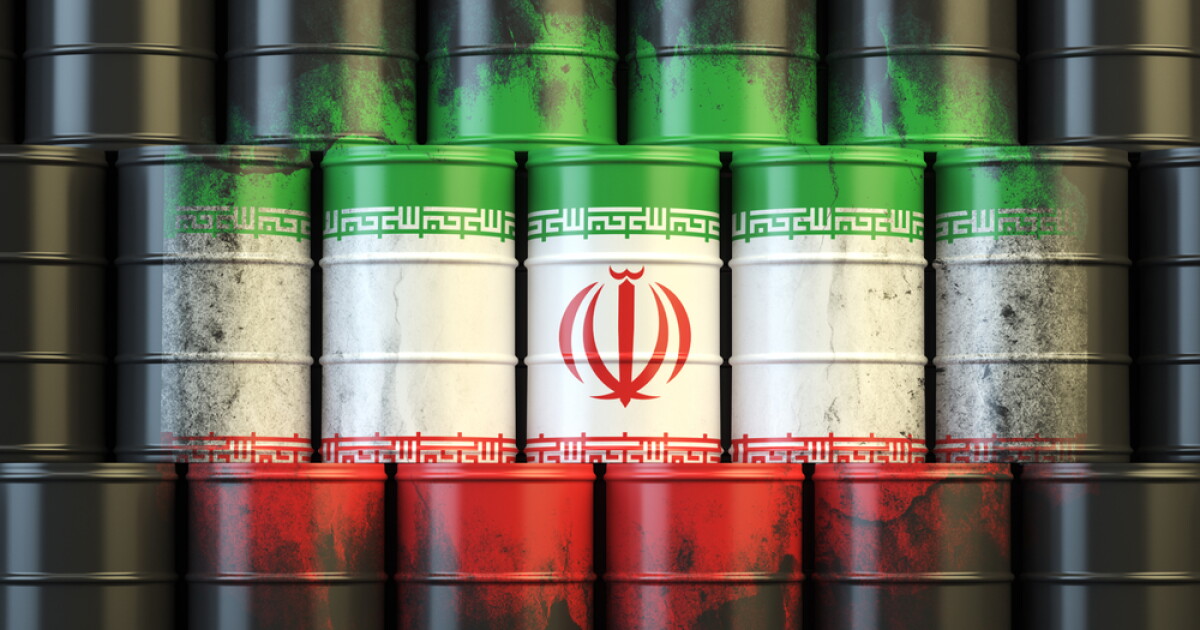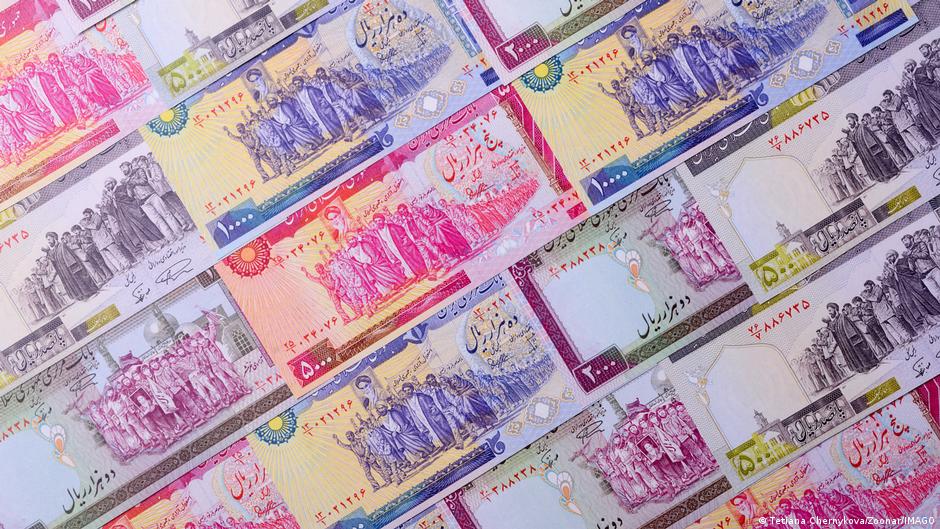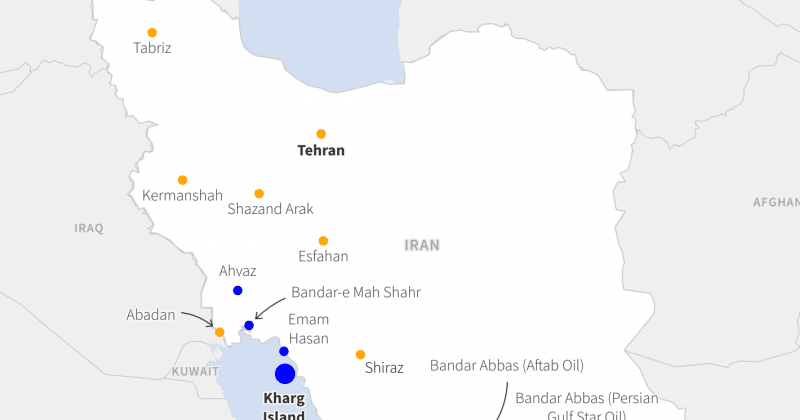
Iran is about to turn the taps back on. A memorandum of understanding signed between the US and Iran on June 17 grants immediate waivers on sanctions covering Iranian oil exports, banking, insurance, and transportation services, potentially unlocking more than $60 billion in annual oil revenue for Tehran.
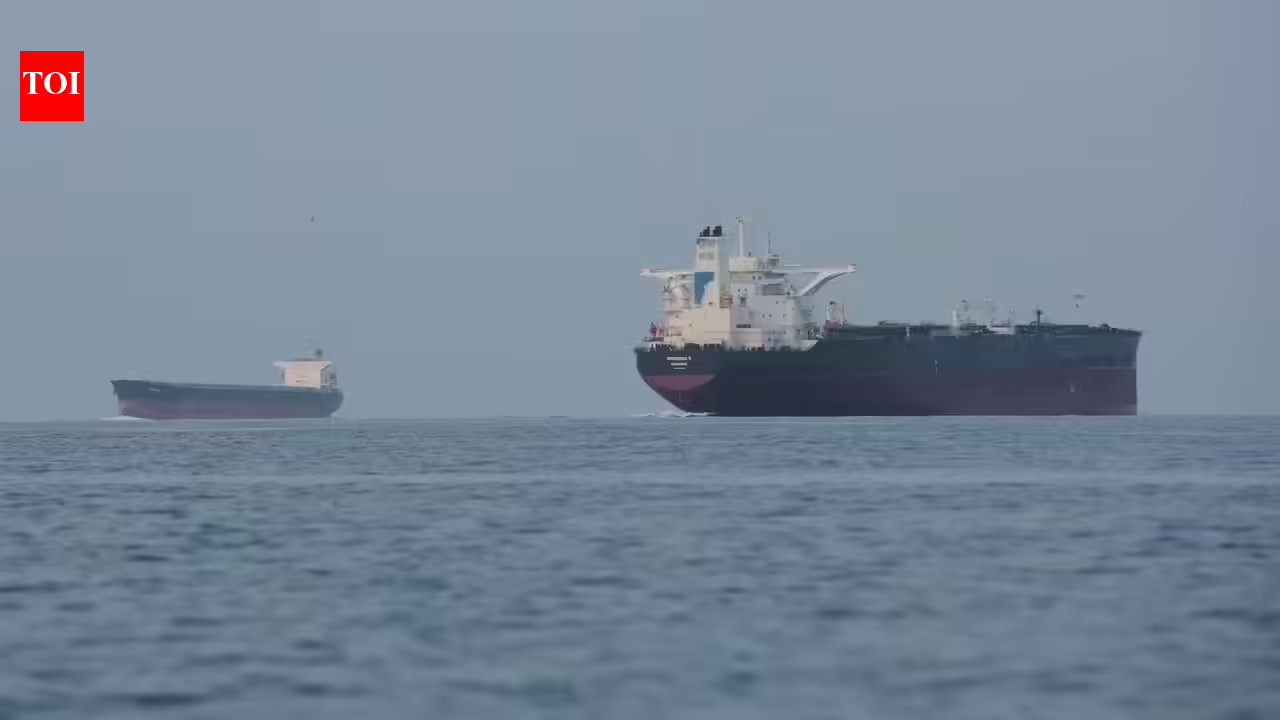
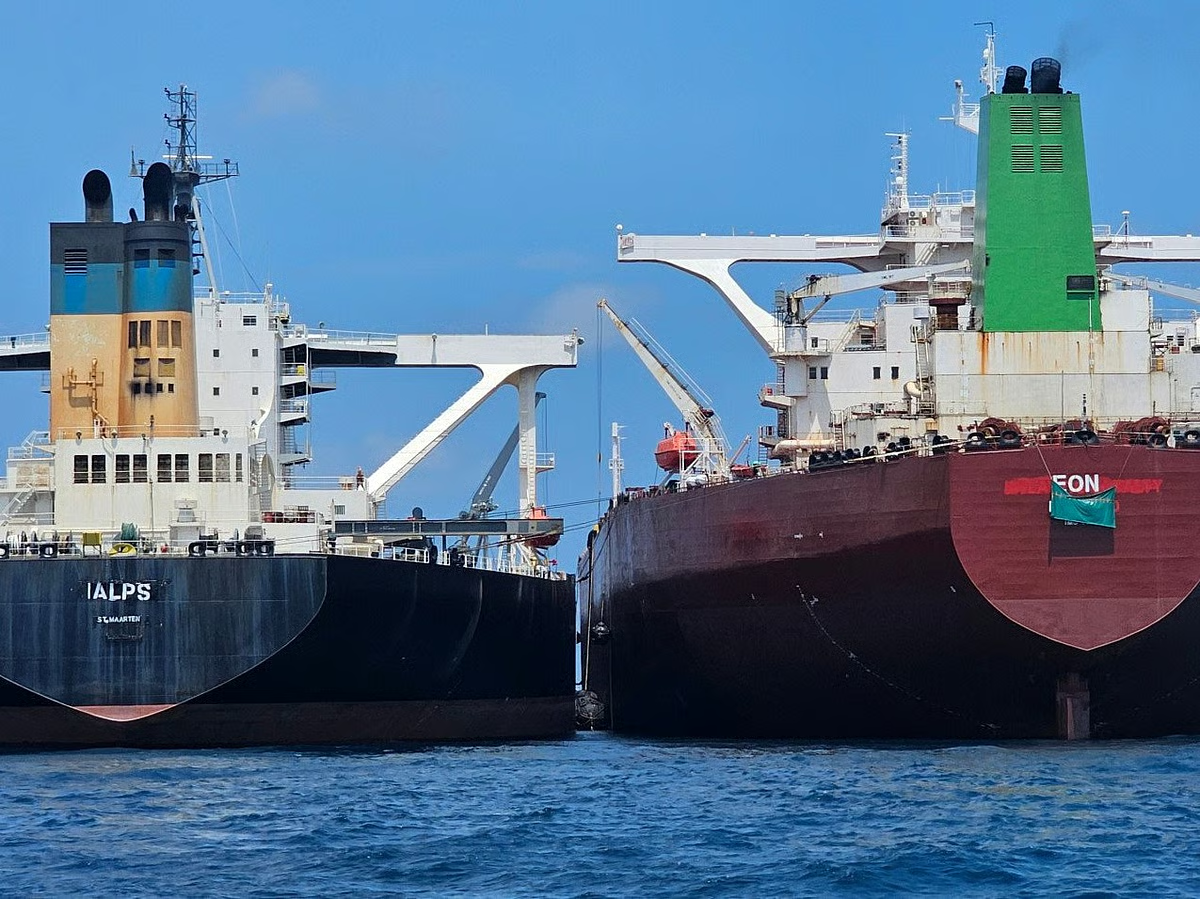
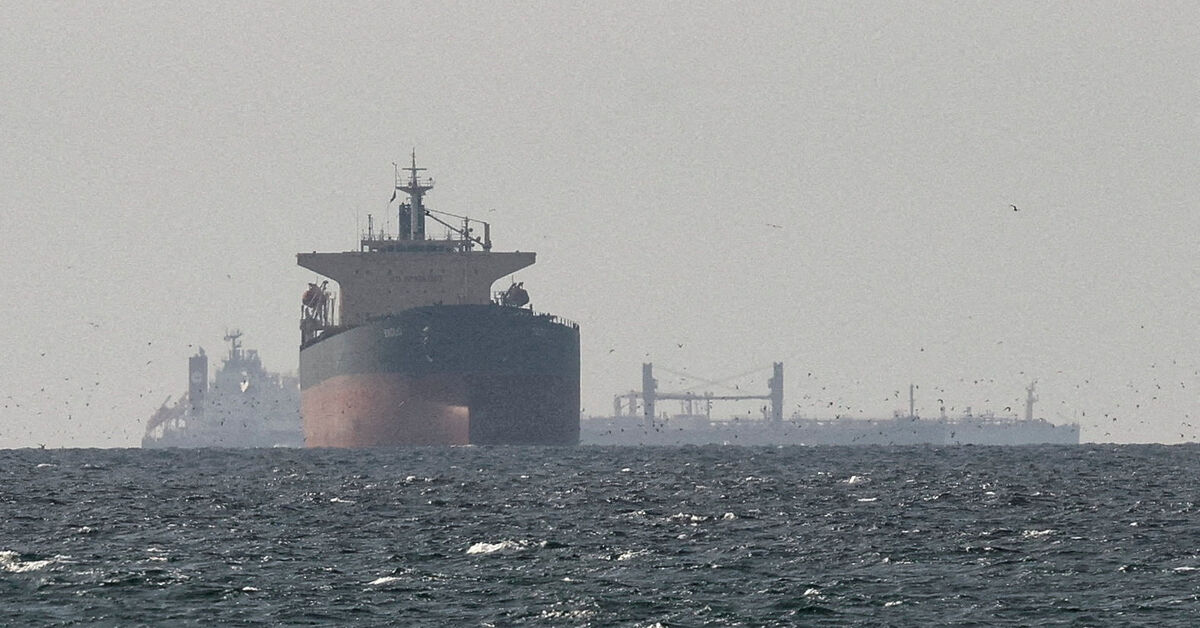
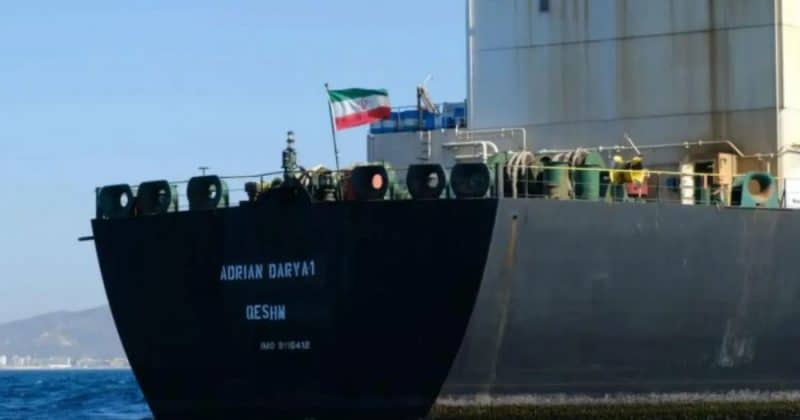
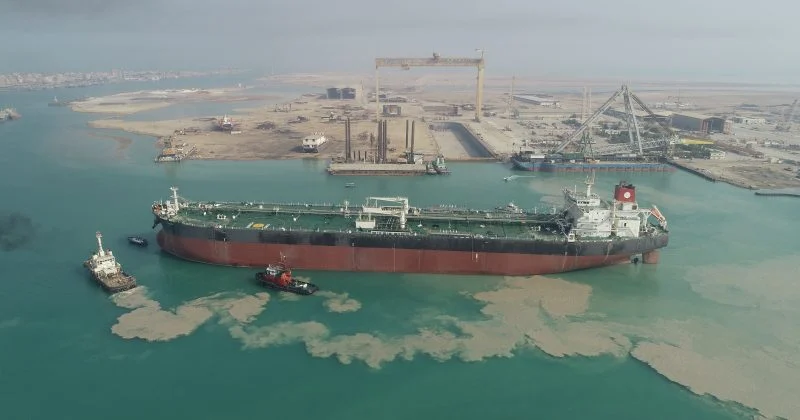
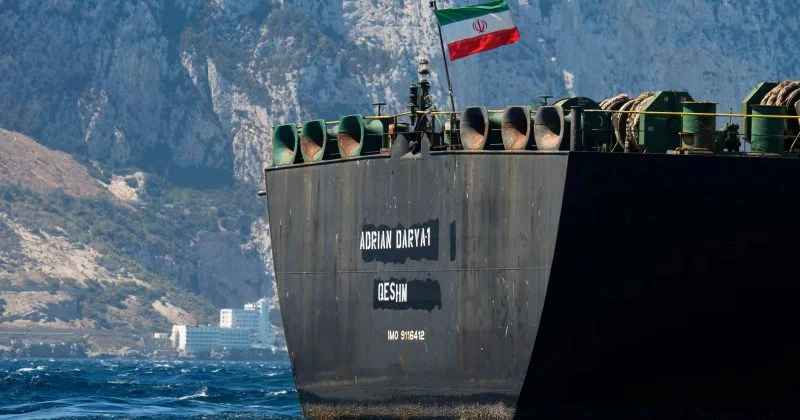
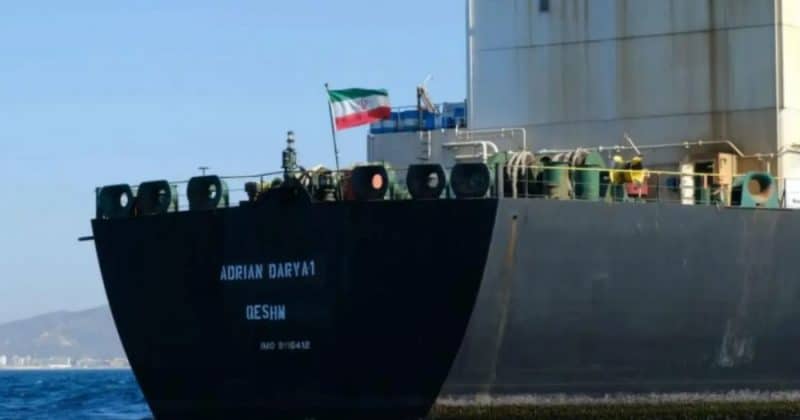
Tankers from the National Iranian Tanker Company have already begun moving crude, marking the country’s first exports in roughly two months. For a nation whose oil output had cratered to six-year lows, this is less a policy tweak and more a financial resurrection.
What the deal actually says
The 14-point agreement is structured as a temporary framework, not a permanent peace treaty. At its core sits a 60-day negotiation window focused on Iran’s nuclear program, with stipulations around limiting uranium enrichment and diluting existing stockpiles in exchange for continued sanctions relief.
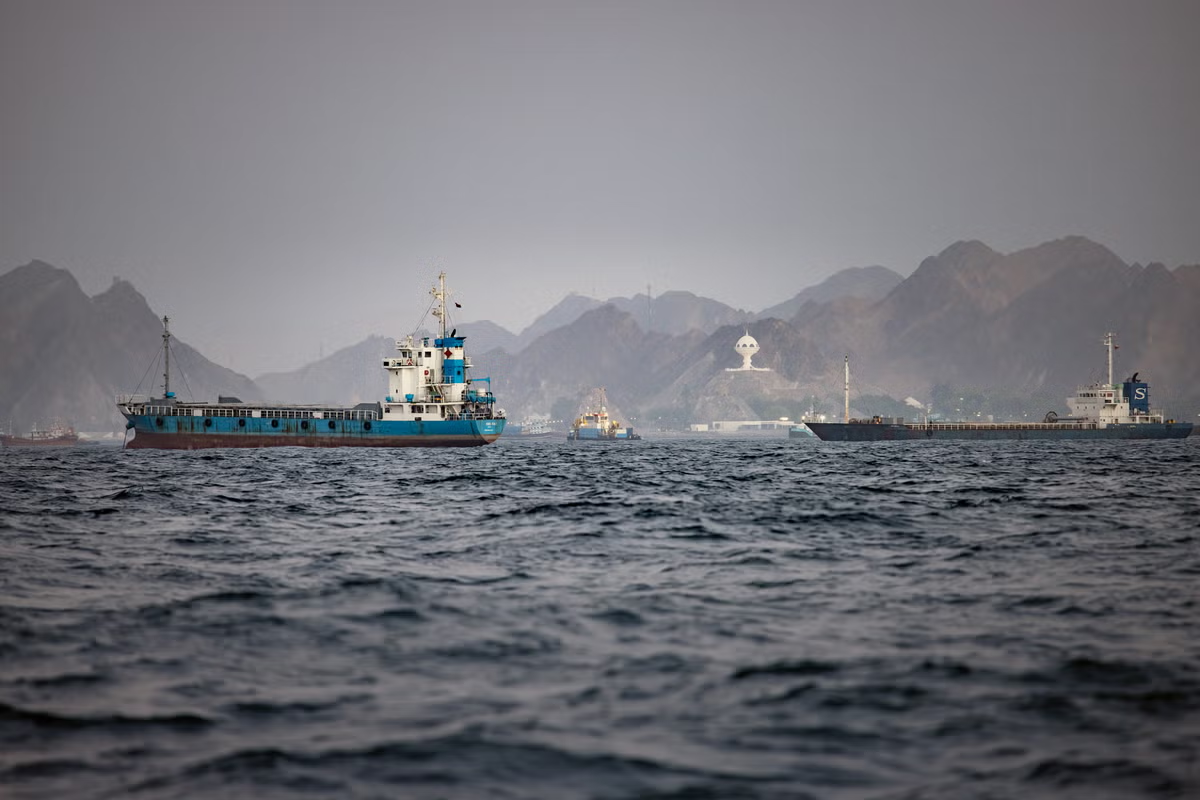
The MOU also reopens the Strait of Hormuz for commercial shipping. That detail matters enormously. Roughly a fifth of the world’s oil passes through that narrow waterway, and its closure during the blockade had been quietly inflating energy costs worldwide.