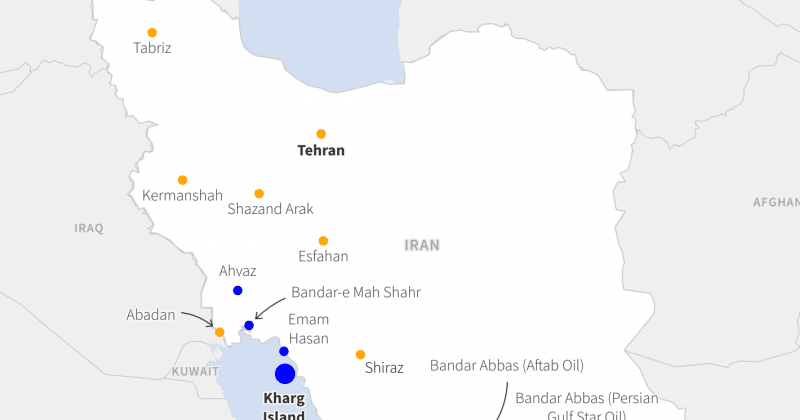
The recently announced U.S.-Iran peace agreement is poised to rejuvenate Iran’s oil sector, with projections suggesting it could generate upwards of $60 billion annually for Tehran. This development marks a significant shift in the geopolitical landscape, potentially easing tensions that have persisted for years over Iran’s nuclear ambitions. The deal reportedly includes provisions that allow Iran to resume oil exports and gain access to essential international banking and transport services, elements that have been severely restricted by sanctions. Market participants have responded to this development by adjusting their expectations regarding Iran’s nuclear program and global oil prices, with implications for both uranium enrichment agreements and crude oil futures.
Key Takeaways
The U.S.-Iran peace agreement appears to support a scenario where Iran might agree to cease uranium enrichment by June 30 and July 31, with market odds currently at 54.5% and 55.0% YES, respectively.
The potential increase in Iran’s oil output could lead to a decrease in oil prices, as indicated by the market pricing for WTI Crude Oil in June 2026, which remains at a low probability for hitting $20.
The agreement suggests significant diplomatic progress, which may facilitate further agreements on Iran’s nuclear activities and impact related markets.