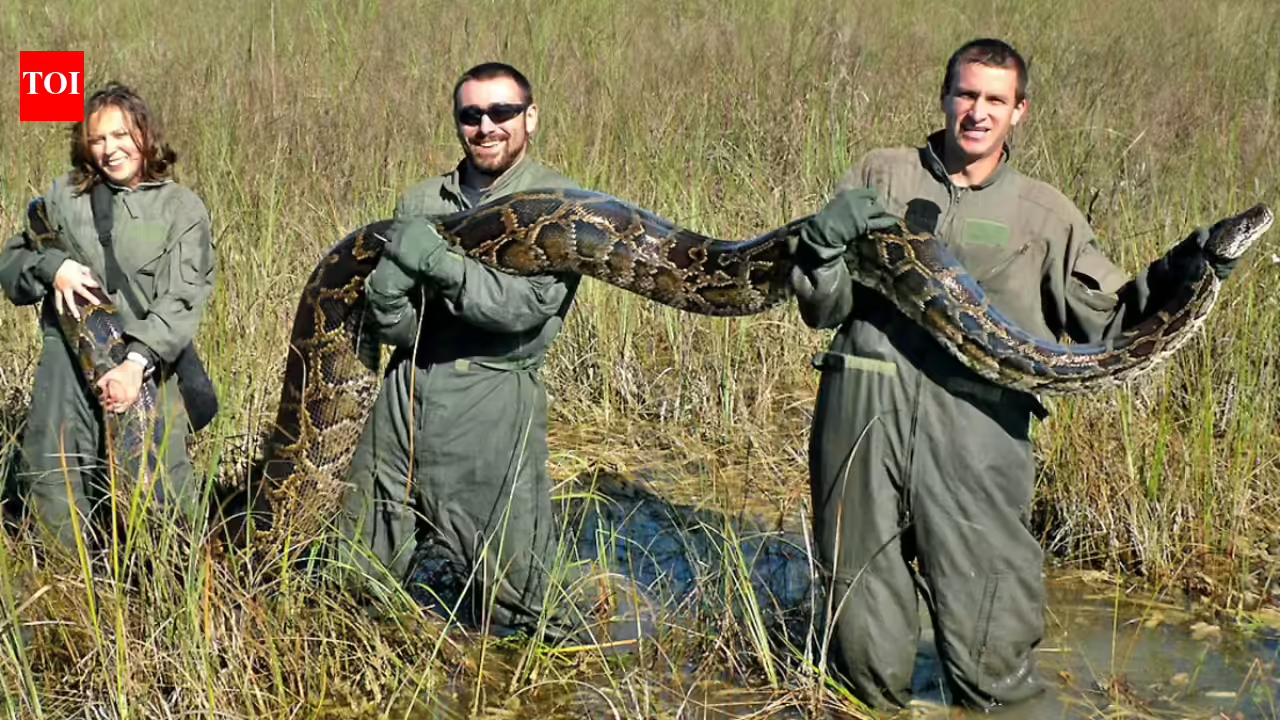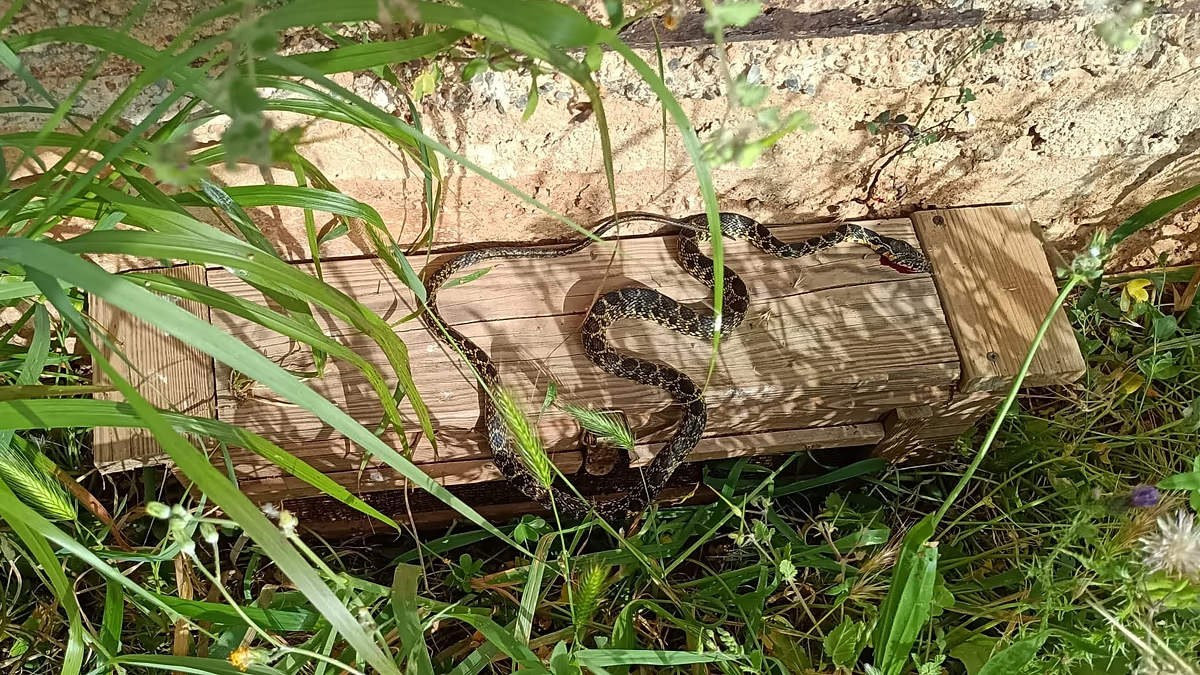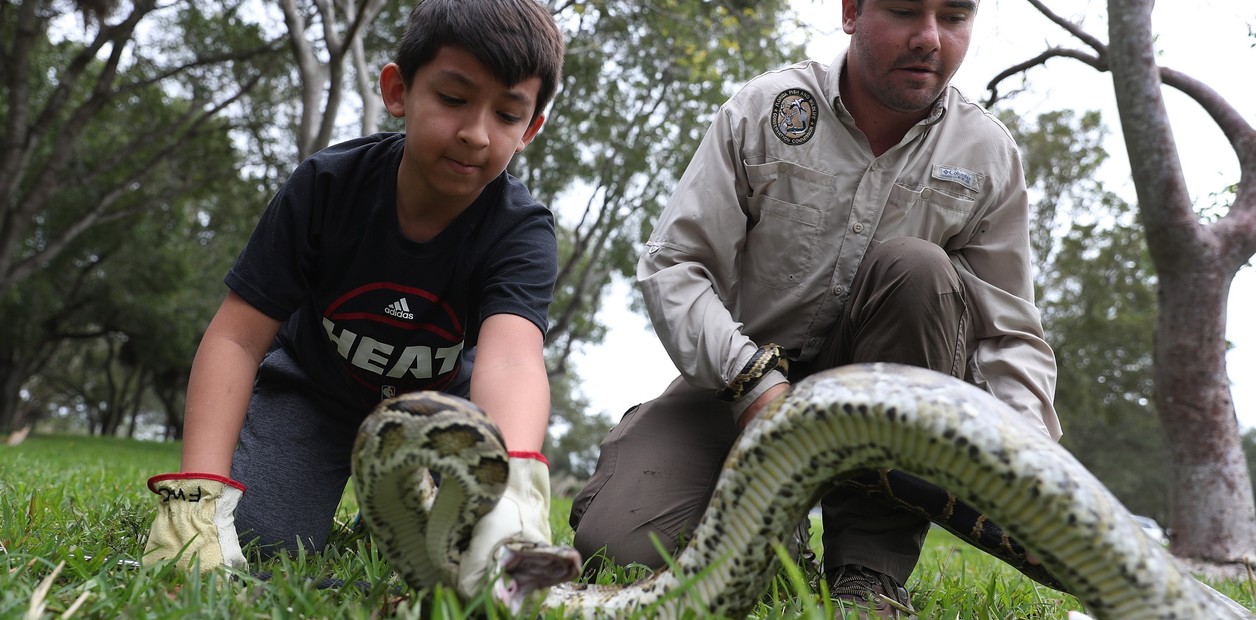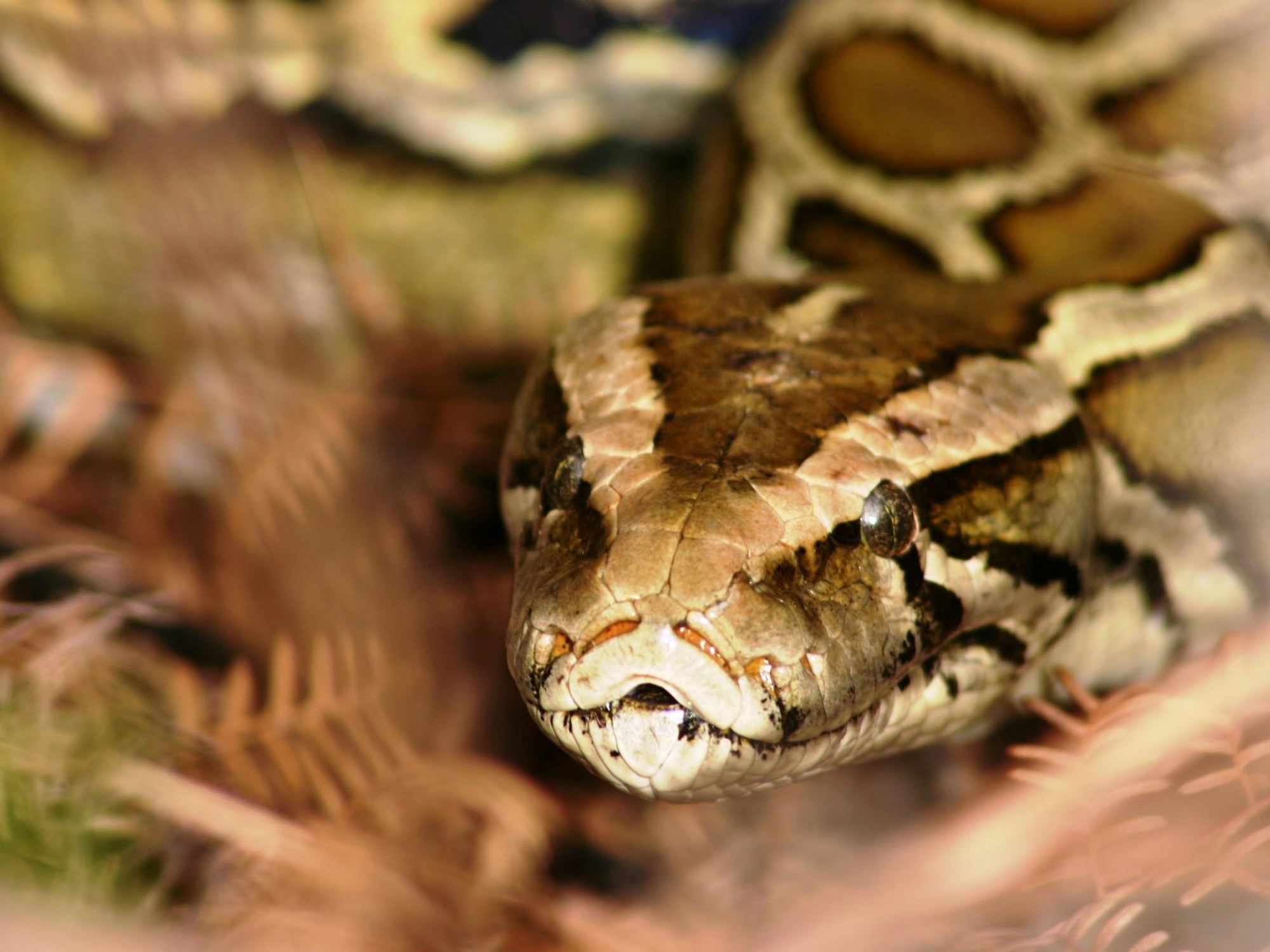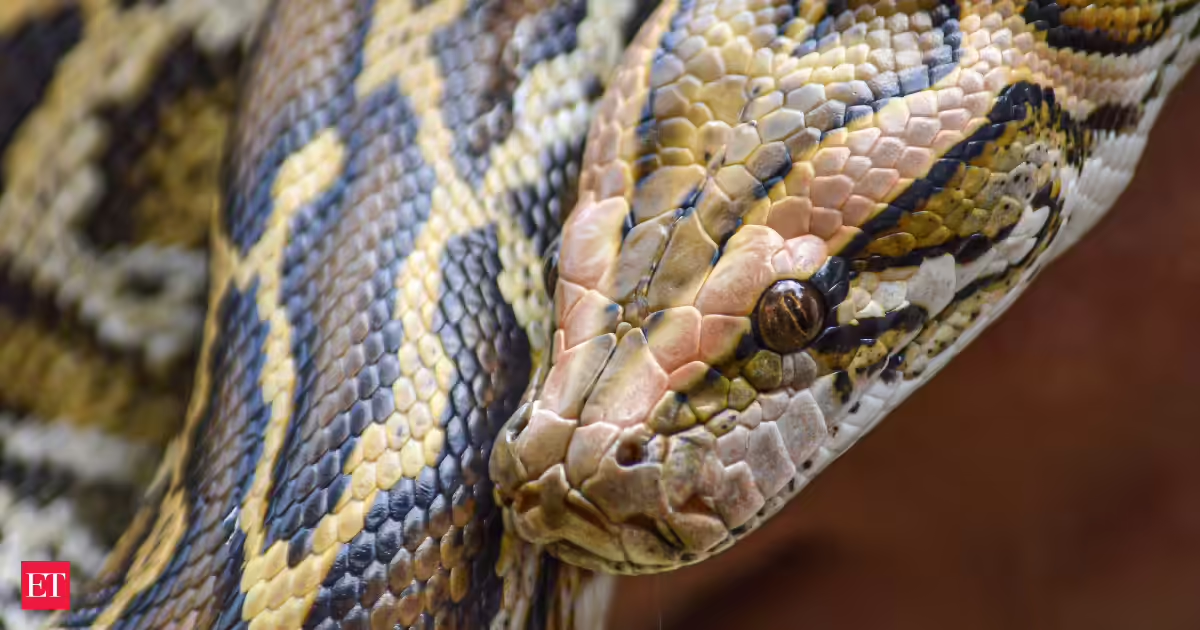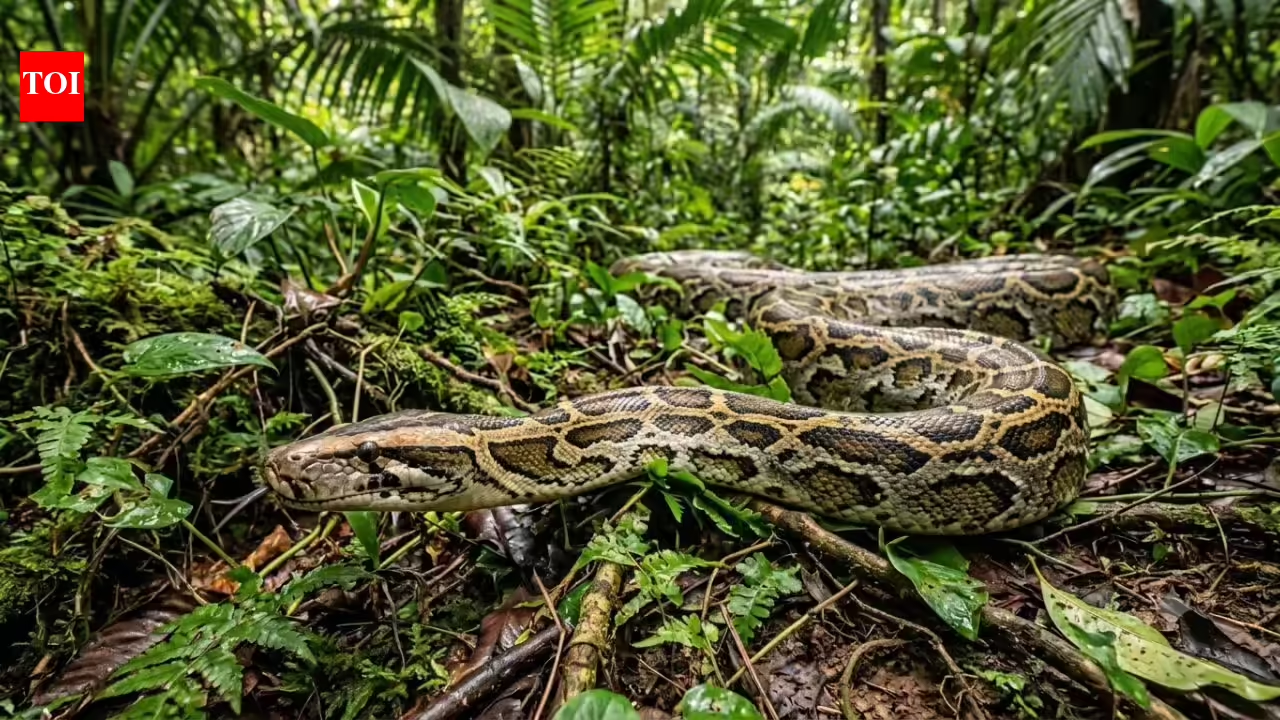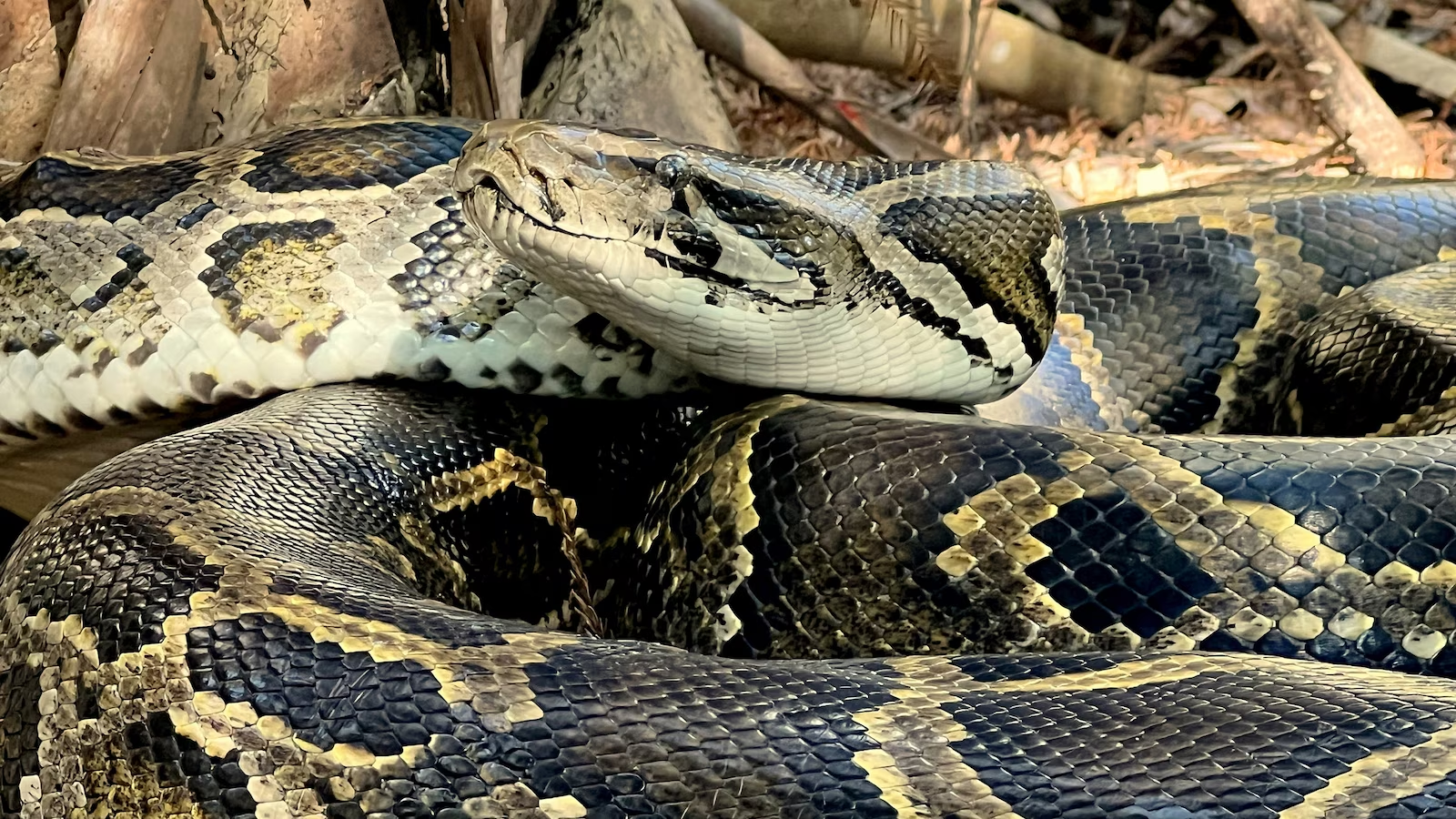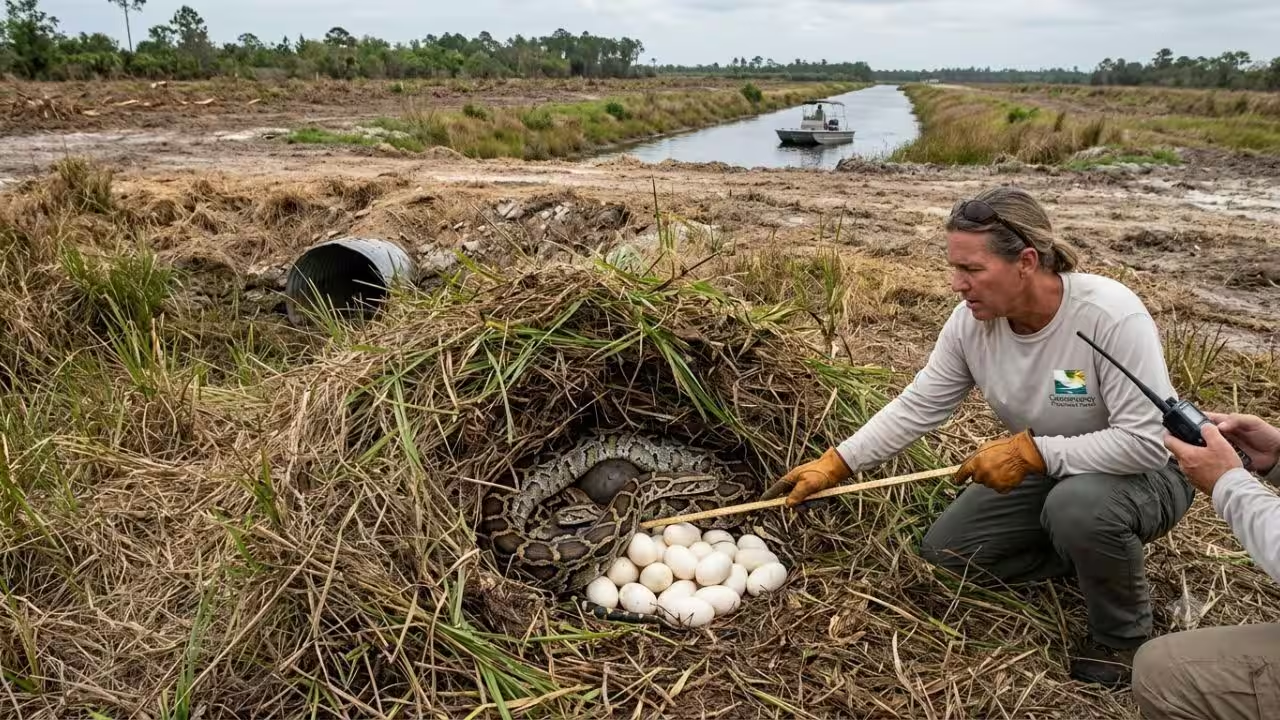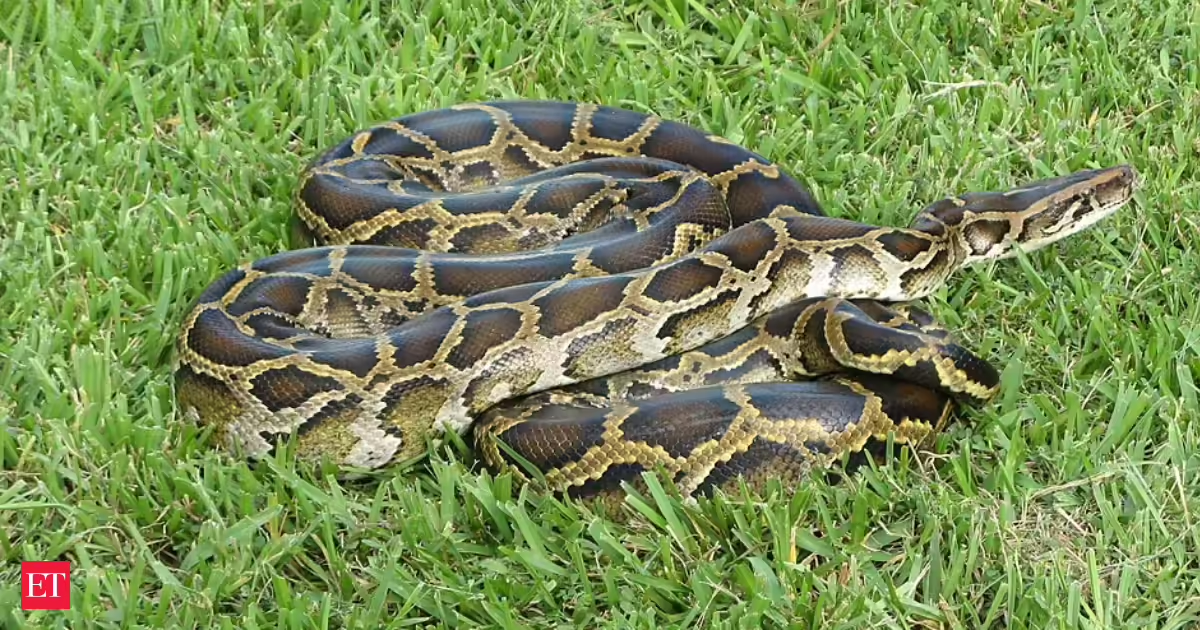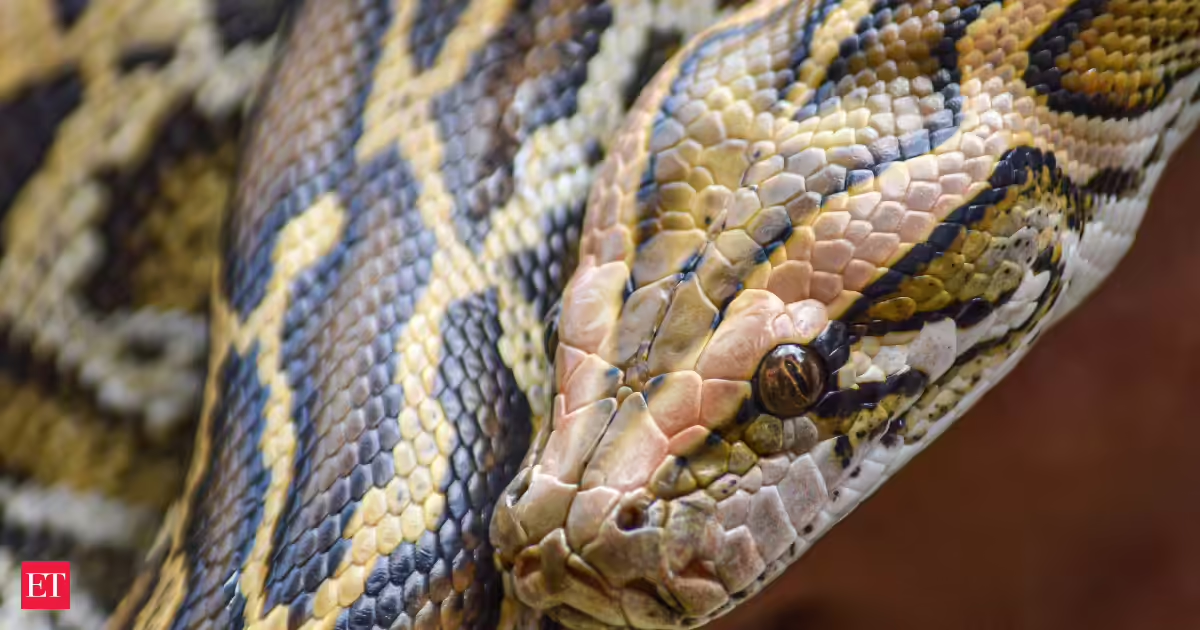
If you’ve ever driven down the Overseas Highway into Key West, you’ve driven past one of the strangest wildlife stories unfolding in America right now. Deep in the hardwood forests of North Key Largo, two tiny rodents, found nowhere else on Earth, have been experiencing their own slow-motion disaster. One of them is losing. The other, strangely, isn’t, at least not yet.A study titled ‘Density Estimates of Endangered Endemic Rodents Suggest Broader Impacts of Invasive Burmese Pythons Following a Category 4 Hurricane in the Florida Keys,’ published in the journal Biological Diversity by Shauna Sayers, Brent Pease, and colleagues from Southern Illinois University and the North Carolina Museum of Natural Sciences, found that the Key Largo woodrat has almost disappeared from large areas of its own habitat since 2017. The smaller roommate, the Key Largo cotton mouse, also increased over the same period, but that streak appears to be over, too.Meet the woodrat that builds furniture out of sticksThe Key Largo woodrat is an “ecosystem engineer.” The rodents build elaborate stick nests, sometimes more than a meter high, at the bases of trees and among rock piles, according to the study. The nests are not just home to the woodrats. They are communal housing for other small creatures, including the Key Largo cotton mouse, which often moves into woodrat nests. Both rodents are subspecies found only on this one stretch of the island and have been federally listed as endangered since 1983.The Key Largo woodrat, found nowhere else on Earth, has declined by roughly 83% since 2017. Image Credits: Wikimedia CommonsHow a hurricane may have opened the door for an invasive snakeBurmese pythons are not native to Florida. According to the U.S. Geological Survey, the snakes were introduced to the state over many decades through the exotic pet trade, with owners releasing animals they could no longer care for. The first recorded wild python in the Everglades dates to 1979. By the time researchers began tracking their impact, the population was already firmly established across South Florida.In September of 2017, Hurricane Irma made landfall on the Florida Keys as a Category 4 storm. According to the study, the hurricane stripped the trees bare and flooded the forest floor, and likely served as a dispersal event that allowed Burmese pythons, a massive constrictor native to Southeast Asia, to spread further into Key Largo.This was not some new threat appearing from nowhere. Research published in the Proceedings of the National Academy of Sciences titled ‘Severe Mammal Declines Coincide With Proliferation of Invasive Burmese Pythons in Everglades National Park,’ by Michael Dorcas and colleagues at Davidson College and the U.S. Geological Survey, found that after becoming established on mainland Everglades National Park, pythons had already caused severe, well-documented declines in mid-sized mammal populations. The Sayers study dates the first confirmed python sighting on Key Largo to 2007, when a radio-tagged woodrat the researchers were tracking showed up in a python's belly. The island’s breeding population was confirmed in 2016.One snake. Two endangered rodents. A slow-motion extinction unfolding in the Florida Keys. Image Credits: Wikimedia CommonsThe numbers tell two very different storiesResearchers trapped and tracked rodents across ten survey grids over four periods: spring 2017, just before Irma; December 2017, right after; fall 2022; and spring 2024. The study found that the density of woodrats dropped from about 3.5 individuals per hectare in the spring of 2017 to just 0.6 in 2024, a drop of nearly 83%. Woodrats also vanished from much of their range. They were found across all 10 survey grids in 2017, but by 2024 only four were present, and one central grid with 16 individuals in early 2017 had no woodrats by 2022, according to the study.Cotton mice told a different story, at least at first. The study found that their density increased from 1.6 individuals per hectare in spring 2017 to a peak of 5.4 in 2022, then declined to around 2.8 by 2024. The study also found that few individual rodents of either species were ever recaptured across sessions, which, the authors say, indicates a high population turnover and short lifespans on the island. The study also monitored invasive black rats at the same sites, but these were excluded from the population density models because the team actively removed them whenever they were captured.Why the woodrat may be running out of timeResearch published in the journal Food Webs by Ian Lord and colleagues, titled ‘Telescoping Prey Selection in Invasive Burmese Pythons Spells Trouble for Endangered Rodents,’ shows that when large prey like woodrats and black rats are in short supply, pythons begin feeding on smaller prey like cotton mice that they previously had not bothered to eat. A python doesn’t leave when its favorite food is gone. It changes up the menu. The study by Sayers hints that this dynamism could also be part of the answer to why cotton mice are now on the decline after years of seeming resilience.After years of bucking the trend, cotton mouse populations are now declining too. Image Credits: Wikimedia CommonsWhat this means beyond one tiny islandIt’s easy to write this off as a niche story about two rodents that most Americans will never see. But as the study notes, Florida has 64 established species of invasive reptiles and amphibians, largely because it has a warm, swampy climate similar to the tropical regions many of these species came from. North Key Largo is an example of what can happen when an invasive predator meets a native species with nowhere to go.The study’s authors said the Key Largo woodrat is at real risk of extinction in the next few years without continued monitoring and predator management. The cotton mouse may have bought itself a little time, but on an island this small, that time tends to run out for everyone sooner or later.
Pet pythons escaped into Florida in the 1970s, spread for decades through the Everglades, then a hurricane carried them south, and now the Key Largo woodrat may disappear
Explore the alarming decline of the endangered Key Largo woodrat, as invasive Burmese pythons wreak havoc on the native rodent population since a devastating hurricane. Discover the study revealing the intricate relationship between invasive species and native wildlife in Florida.
970 words~4 min read