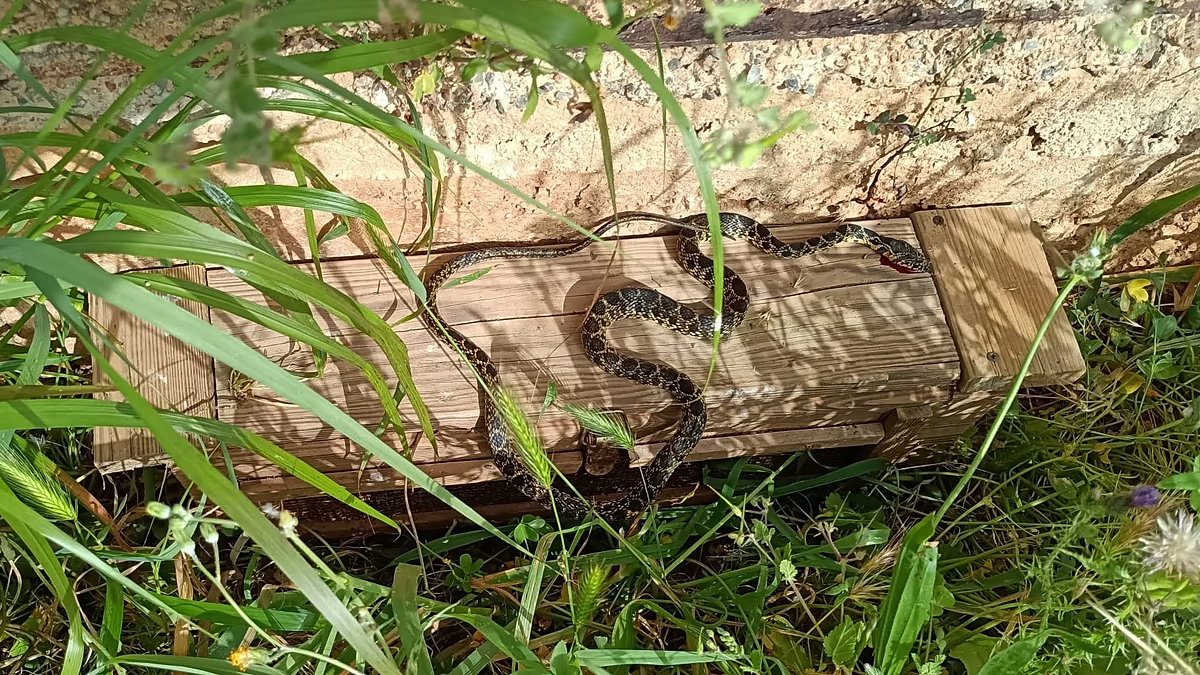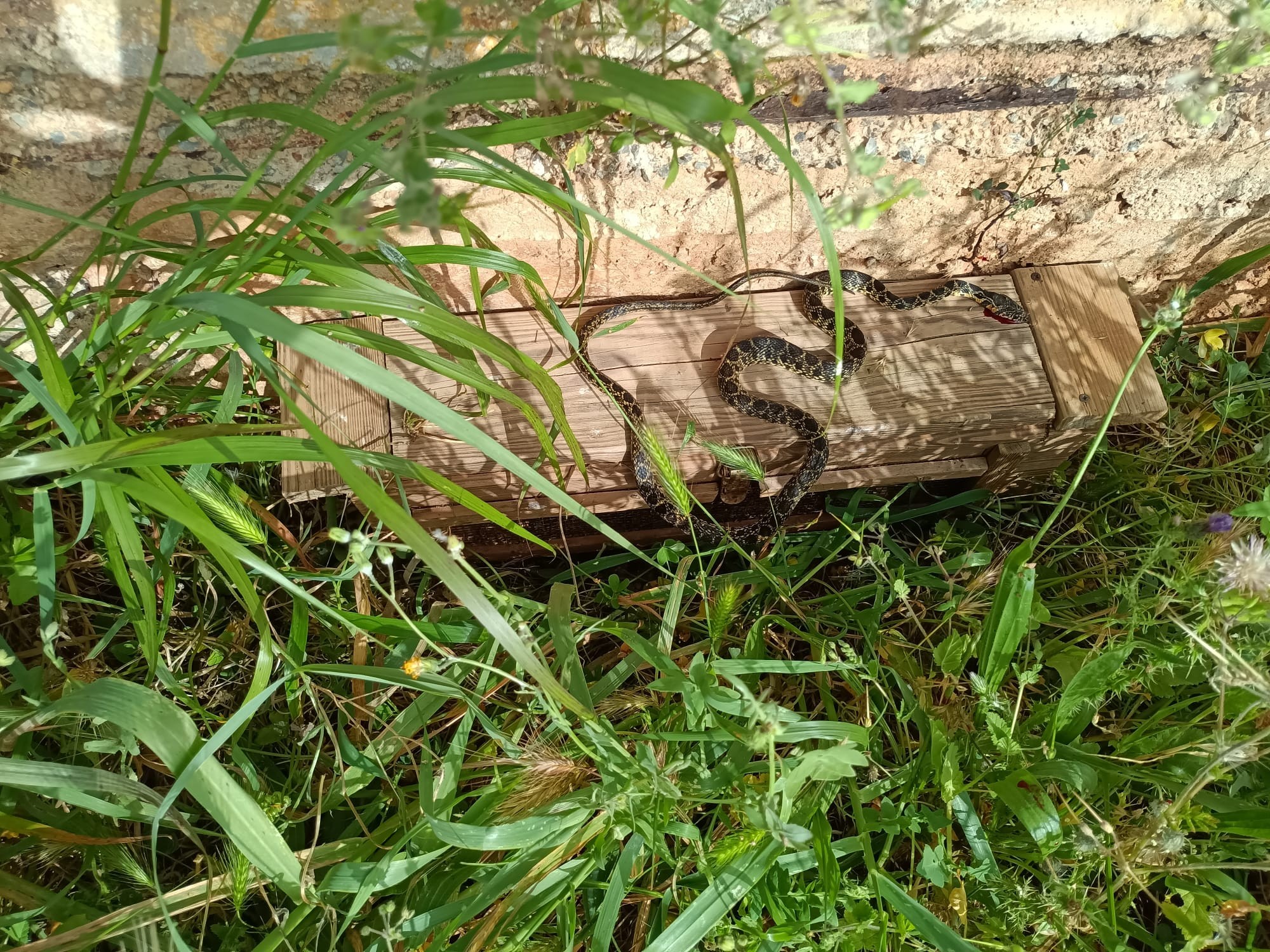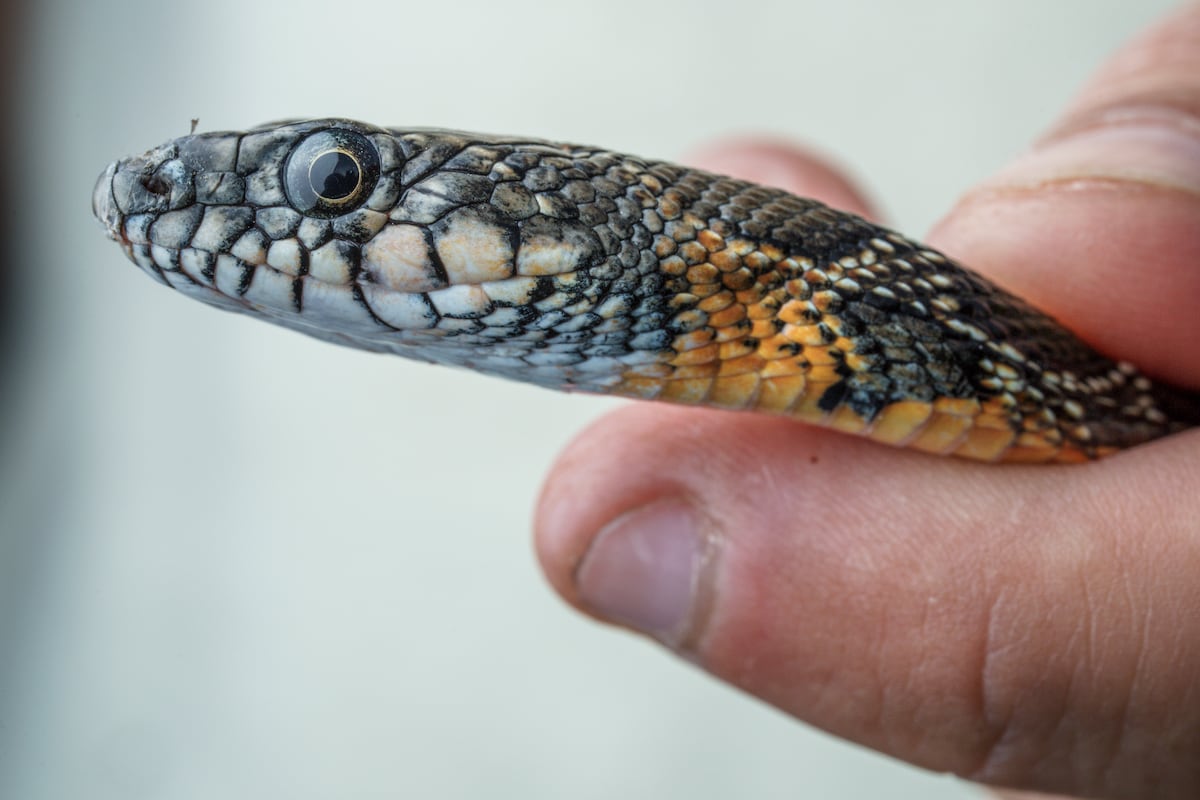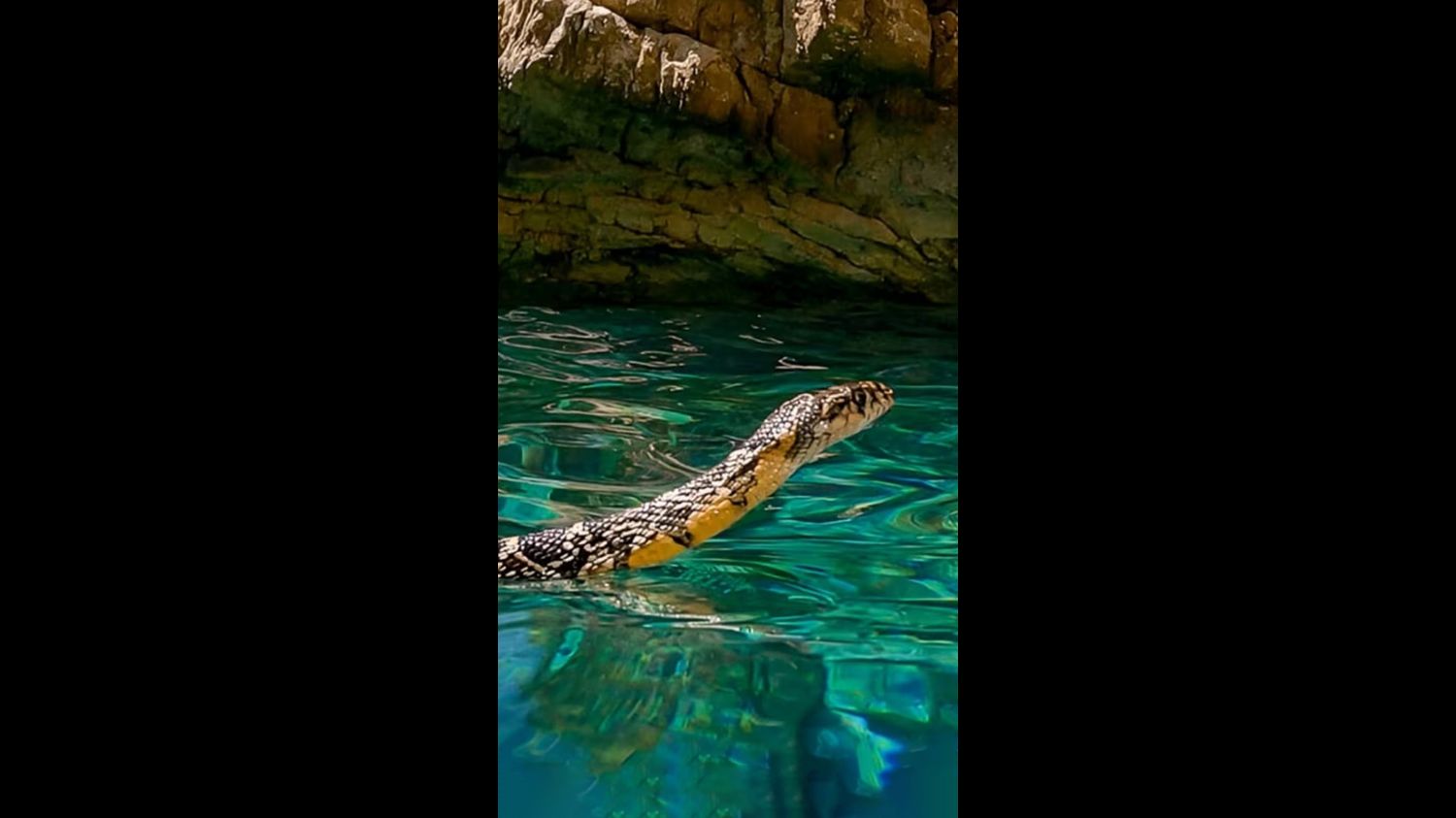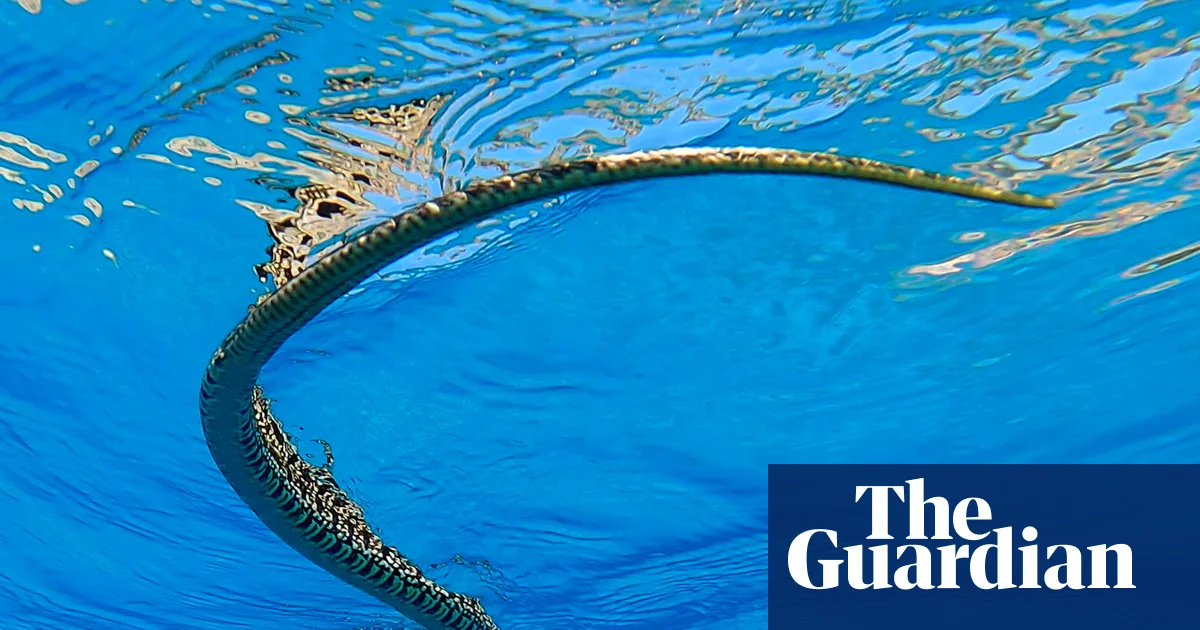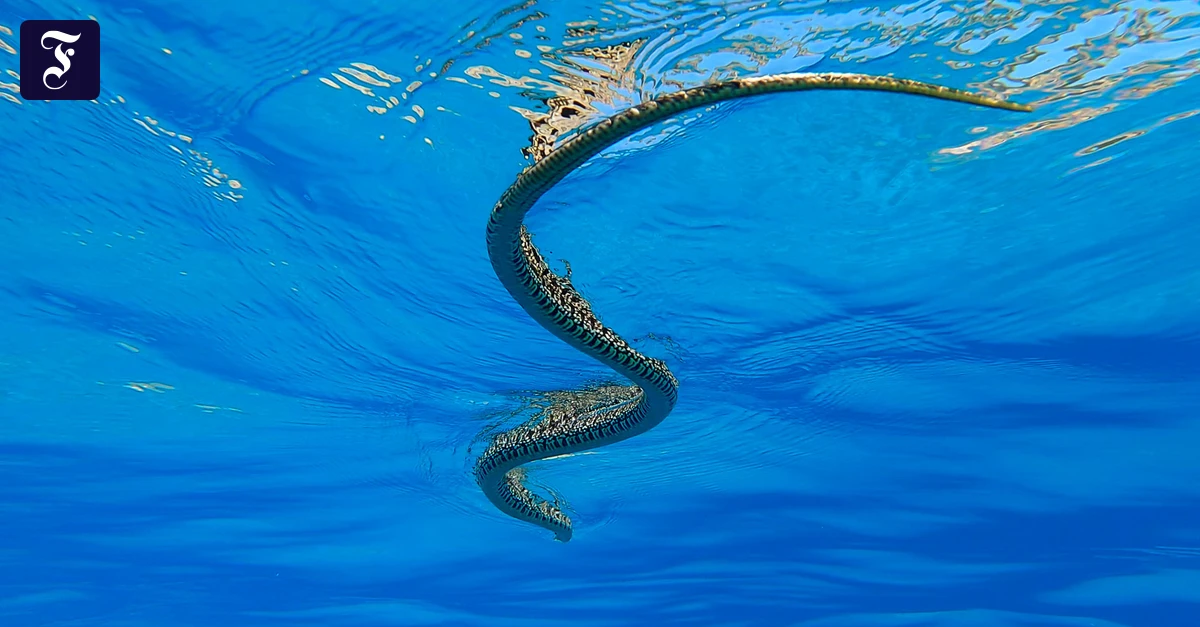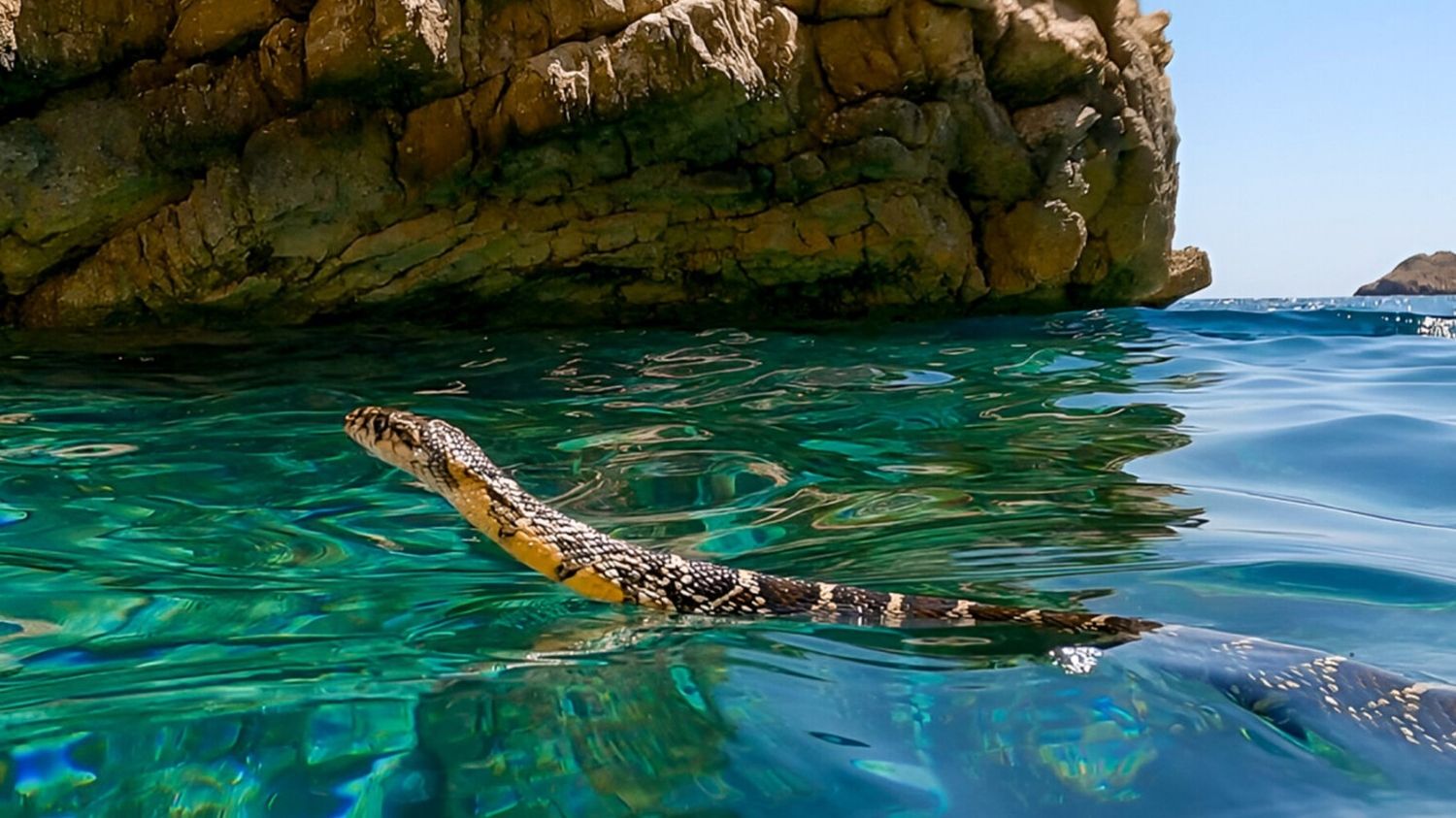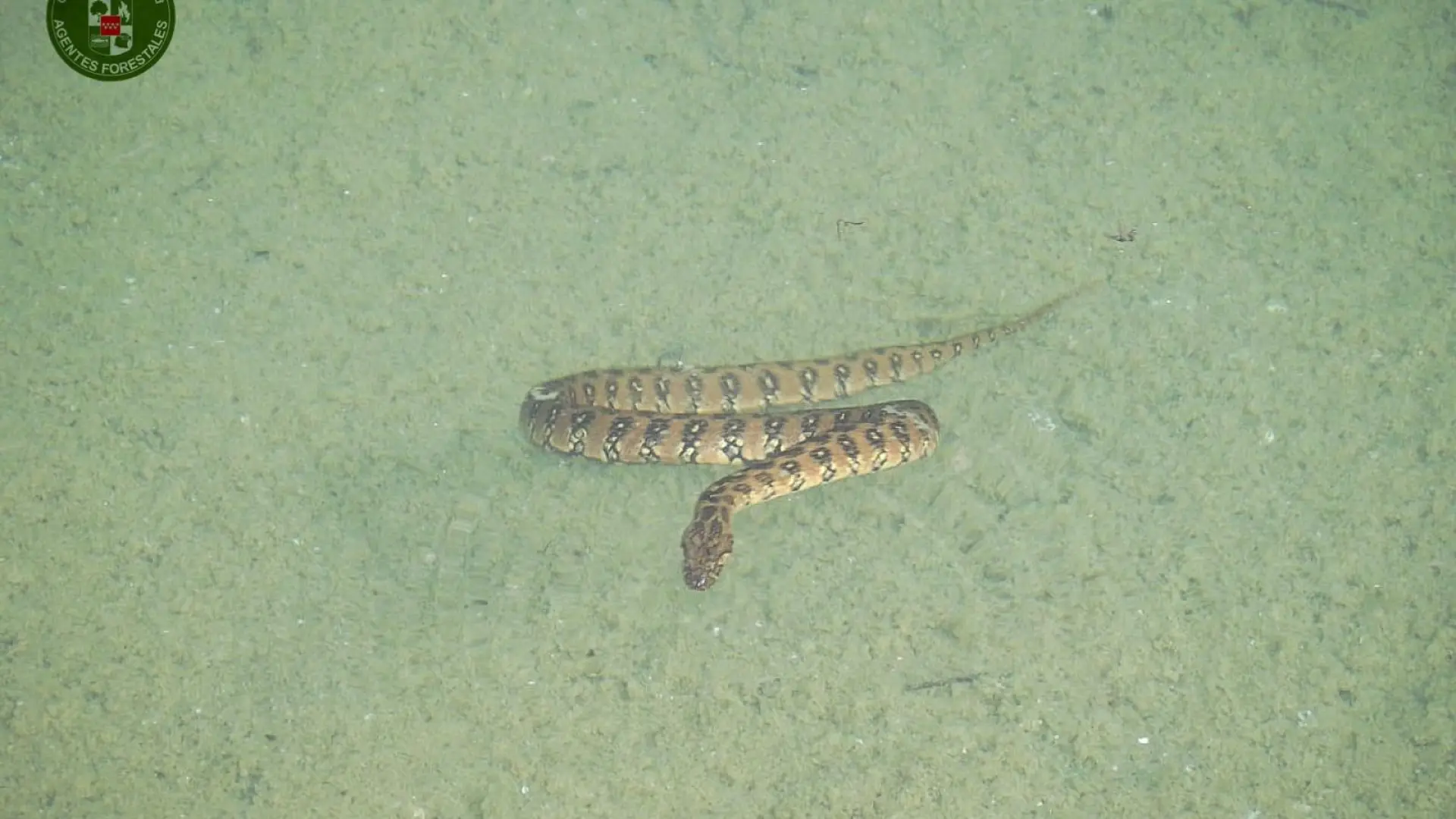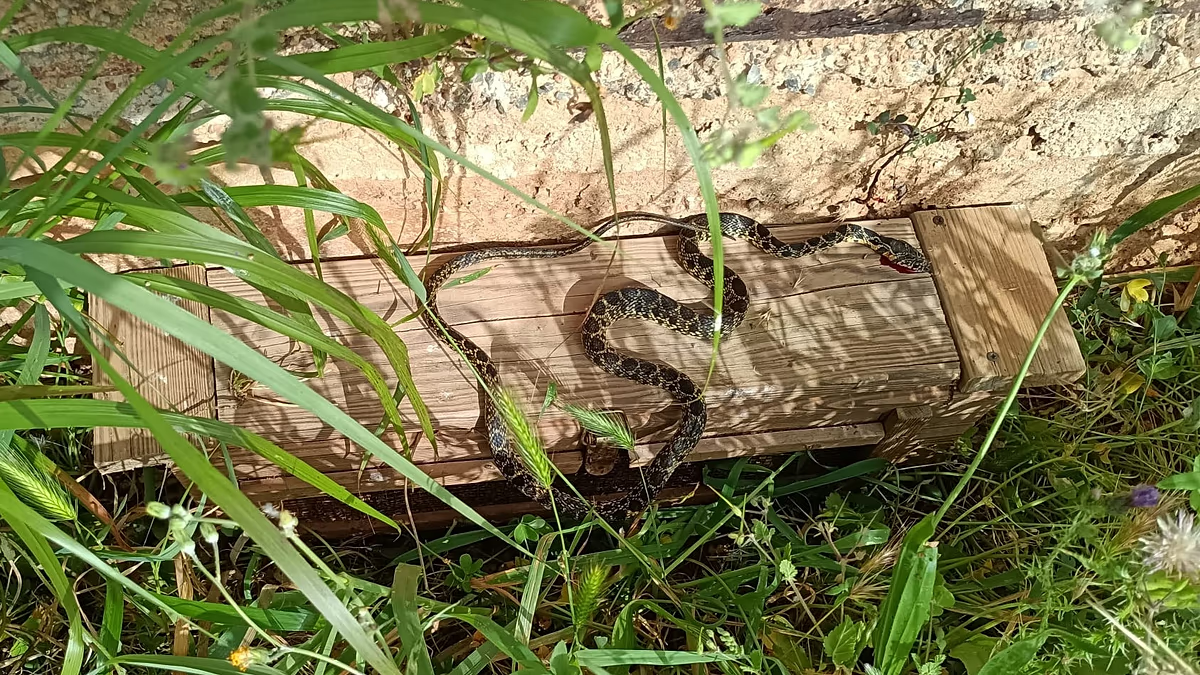
The spread of the horseshoe whip snake in the Balearic Islands has become one of the biggest threats to the islands’ biodiversity. Accidentally introduced from mainland Spain along with ornamental olive trees, this invasive snake has colonised much of Ibiza and Formentera and is driving a decline in native lizard populations, some of them unique to the archipelago.
Experts warn that the species behaves like an apex predator in an ecosystem where it has virtually no natural competitors. Its advance has been so swift that local extinctions of the Pityusan wall lizard have already been documented on several islets, and individuals have been recorded swimming between islands in search of new prey.
Yet the arrival of the horseshoe whip snake in the Balearics was no accident. Its story began more than two decades ago and, according to various studies, is closely linked to the trade in large ornamental olive trees from the mainland.
A silent invasion
It all began in 2003, with the sighting of the first horseshoe whip snake ("Hemorrhois hippocrepis") on the island of Ibiza and anywhere in the Balearics, a species until then found only in the Maghreb, the Iberian Peninsula and parts of Sardinia.