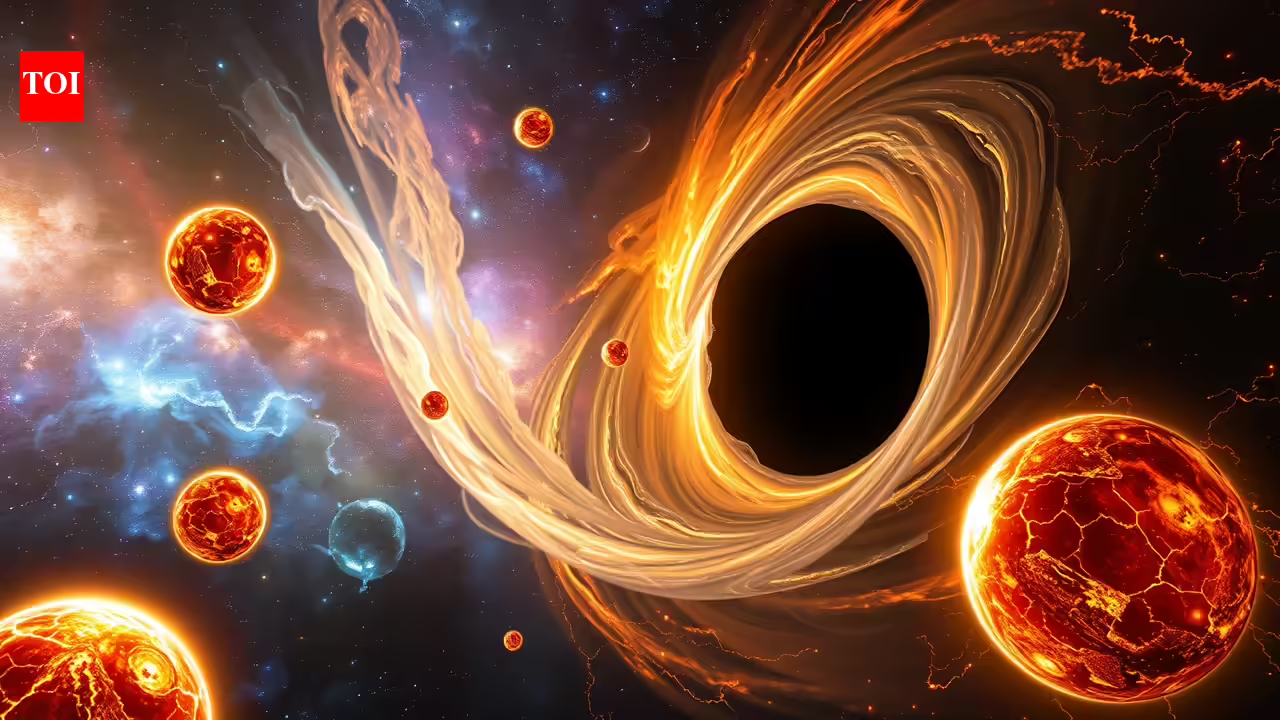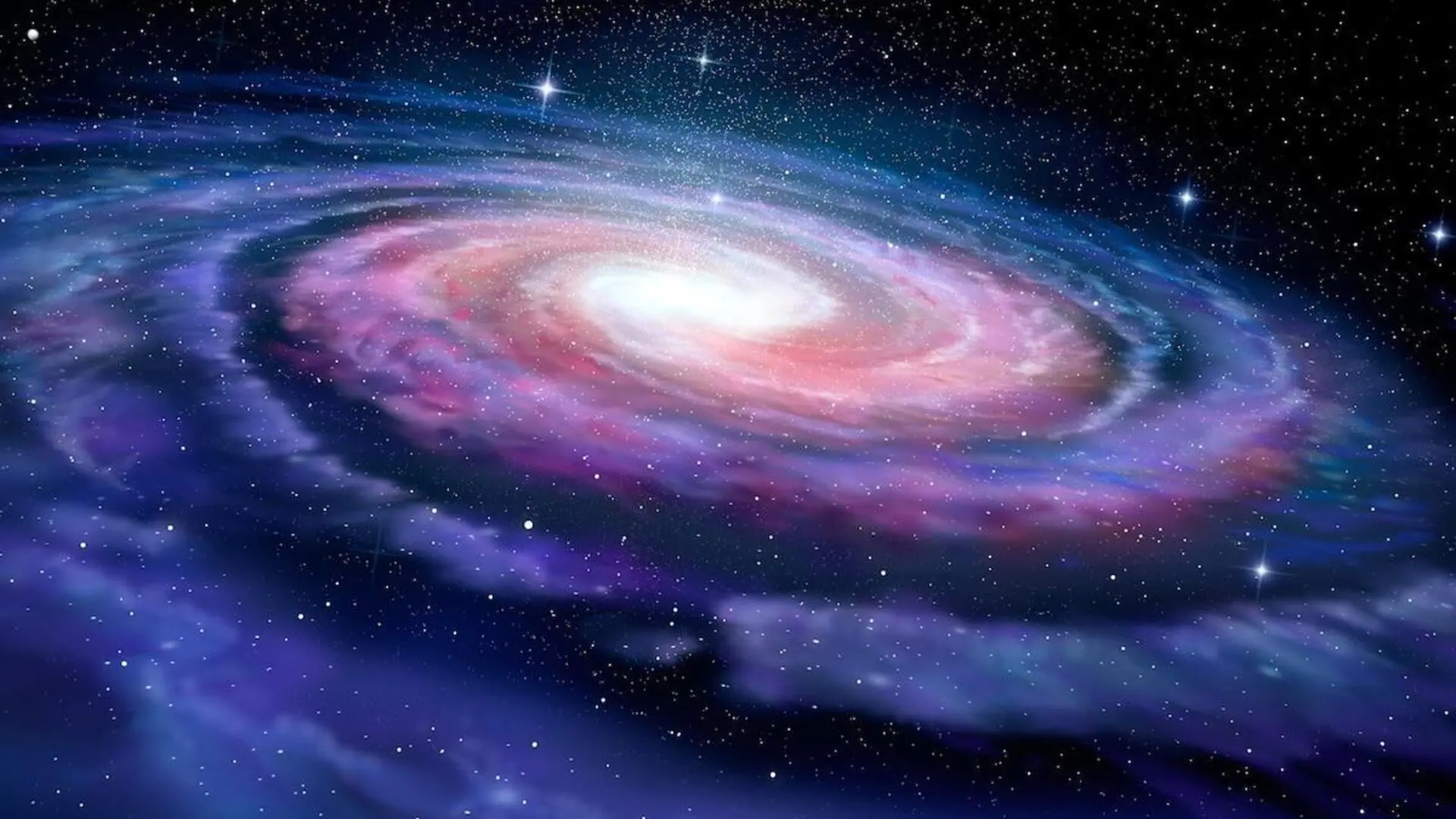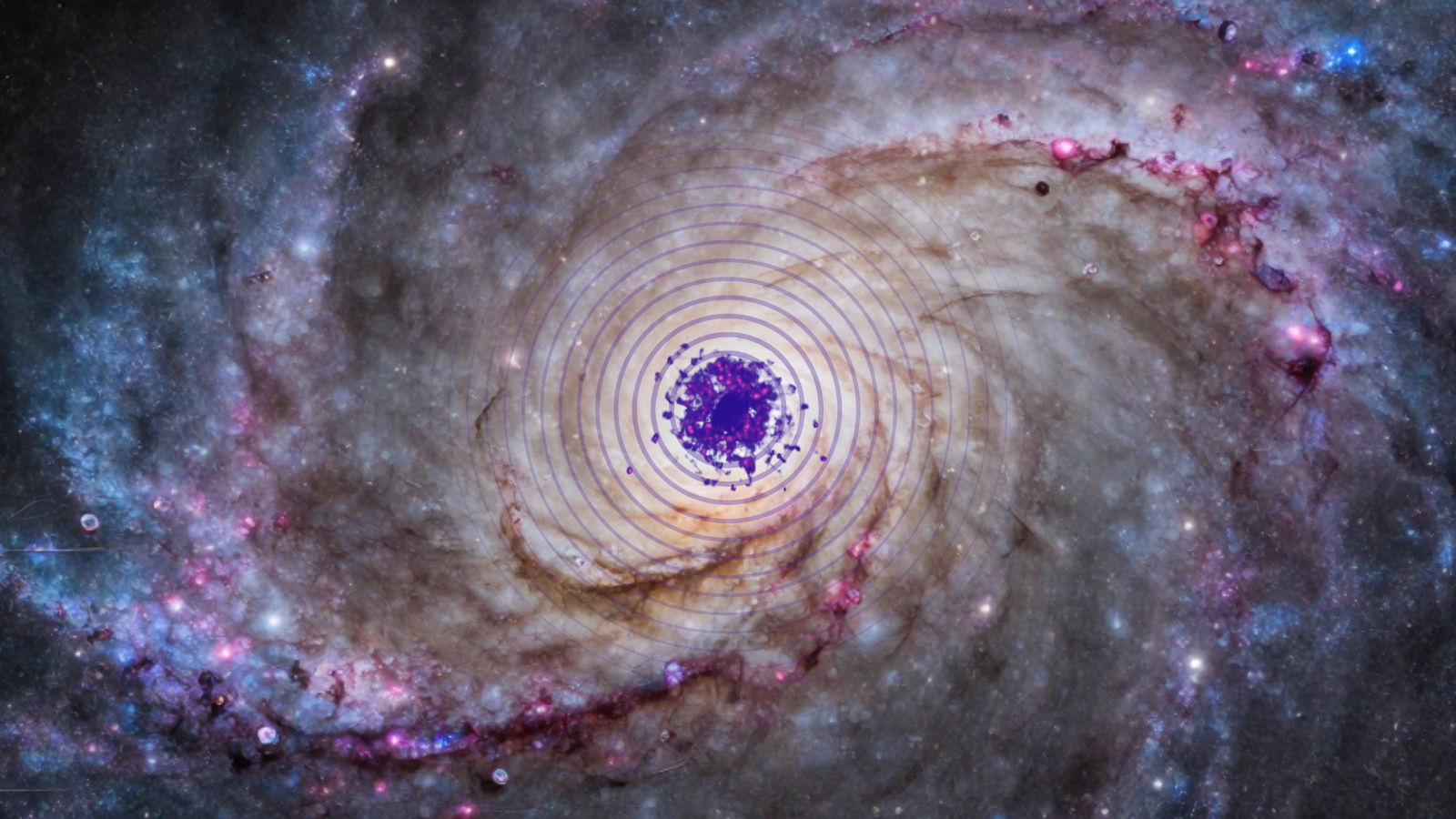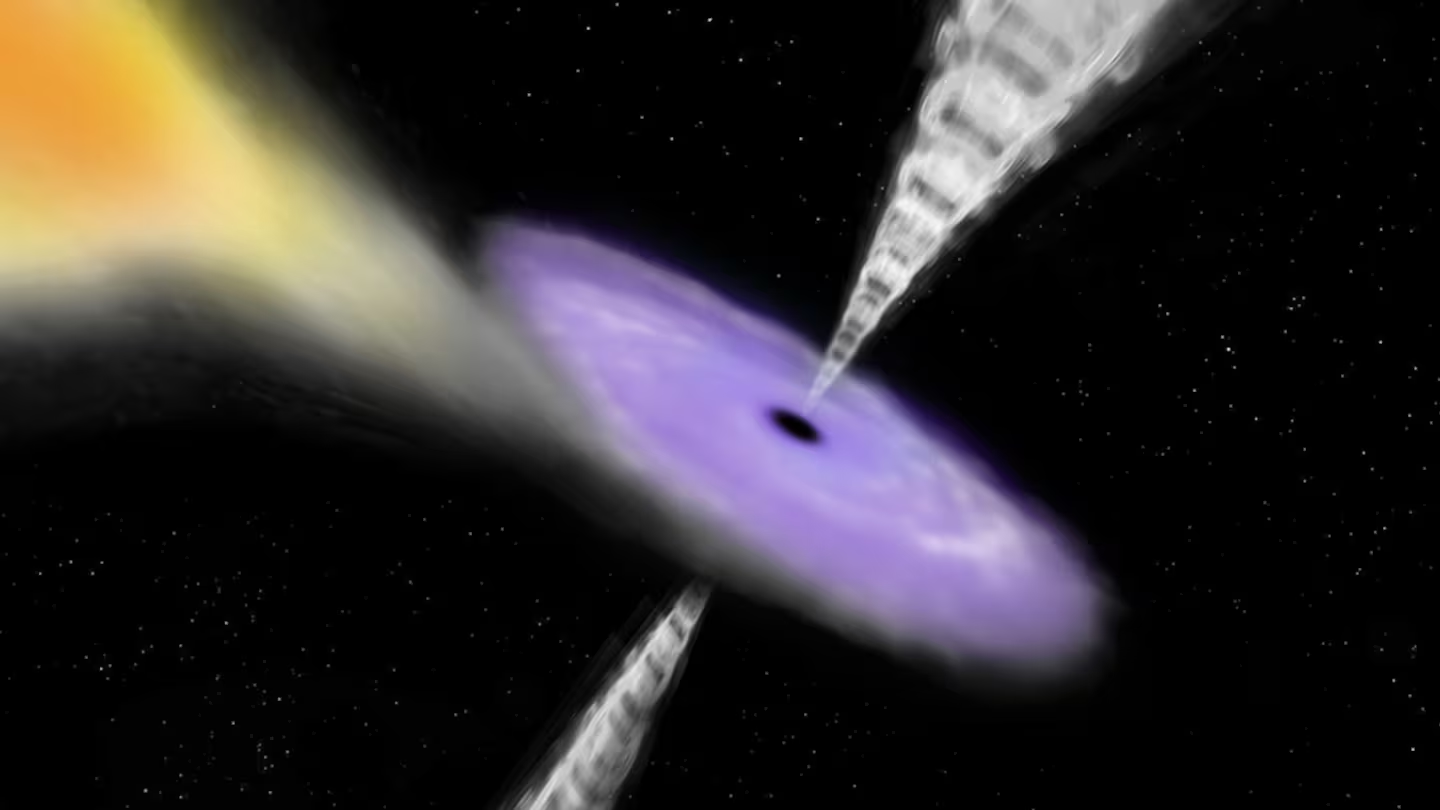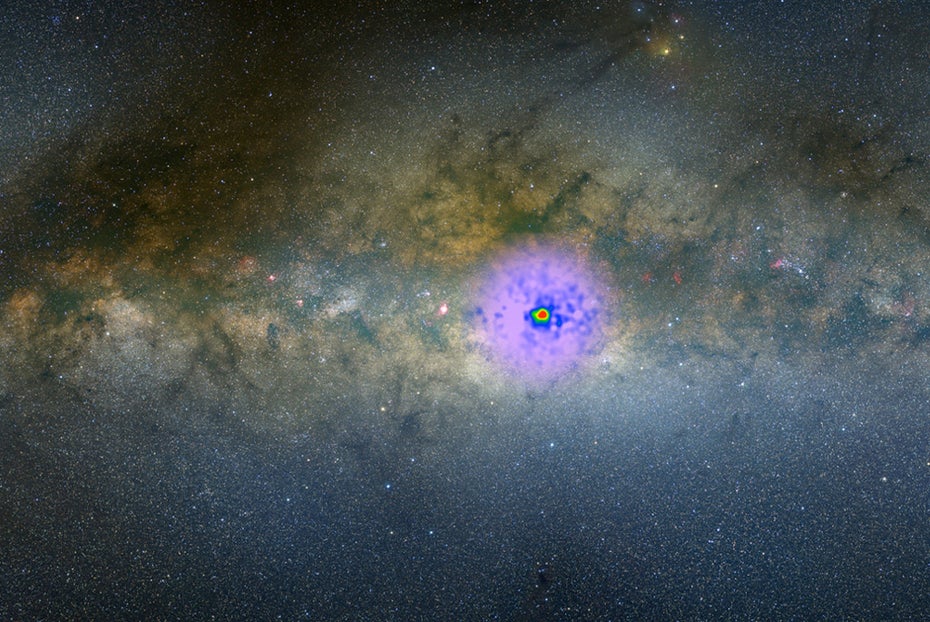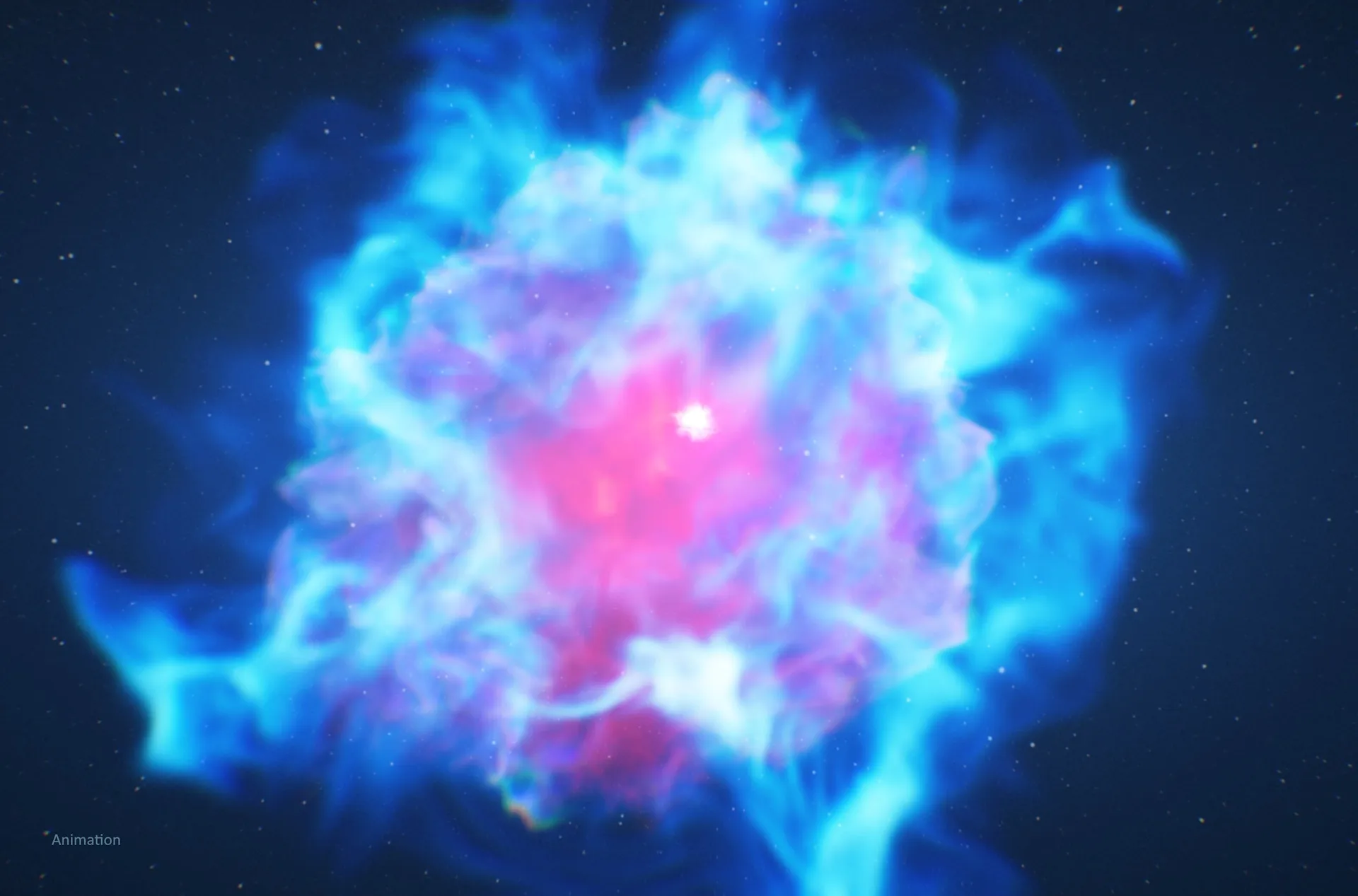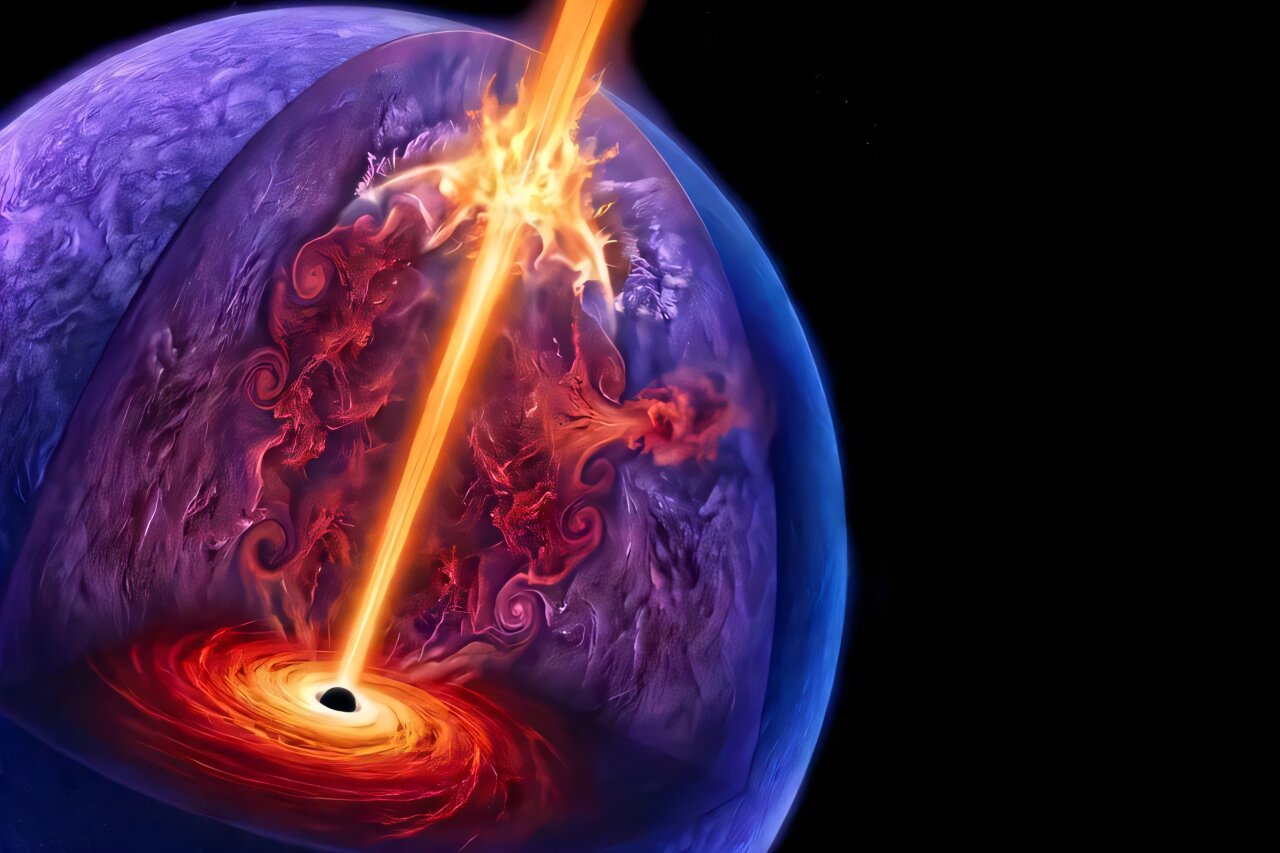
In this AI-generated image, a collapsar produces a gamma-ray burst. Credit: Los Alamos National Laboratory
Long-duration gamma-ray bursts are some of the most energetic events in the universe, releasing more energy in just a few seconds than the sun emits in 10 billion years. Los Alamos National Laboratory scientists, having discovered gamma-ray bursts more than 50 years ago, continue to add to the understanding of these mysterious events.
In an article published in The Astrophysical Journal Letters, a research team interpreted two recent long-duration gamma-ray bursts, thought to be from the merger of two neutron stars, as consistent with nucleosynthesis originating from a collapsar—a massive, fast-spinning star that is collapsing in on itself to form a black hole, releasing prodigious bursts of gamma-ray energy in the process.
"Gamma-ray bursts are products of some of the most intense, exotic situations in the universe, with really high densities and temperatures, relativistic effects and different time scales coming together," said Marko Ristić, a Los Alamos postdoctoral fellow. "With our modeling and simulation offering a new perspective on these two peculiar long-duration gamma-ray bursts, we're gaining a new view on these complicated and fascinating extreme events."