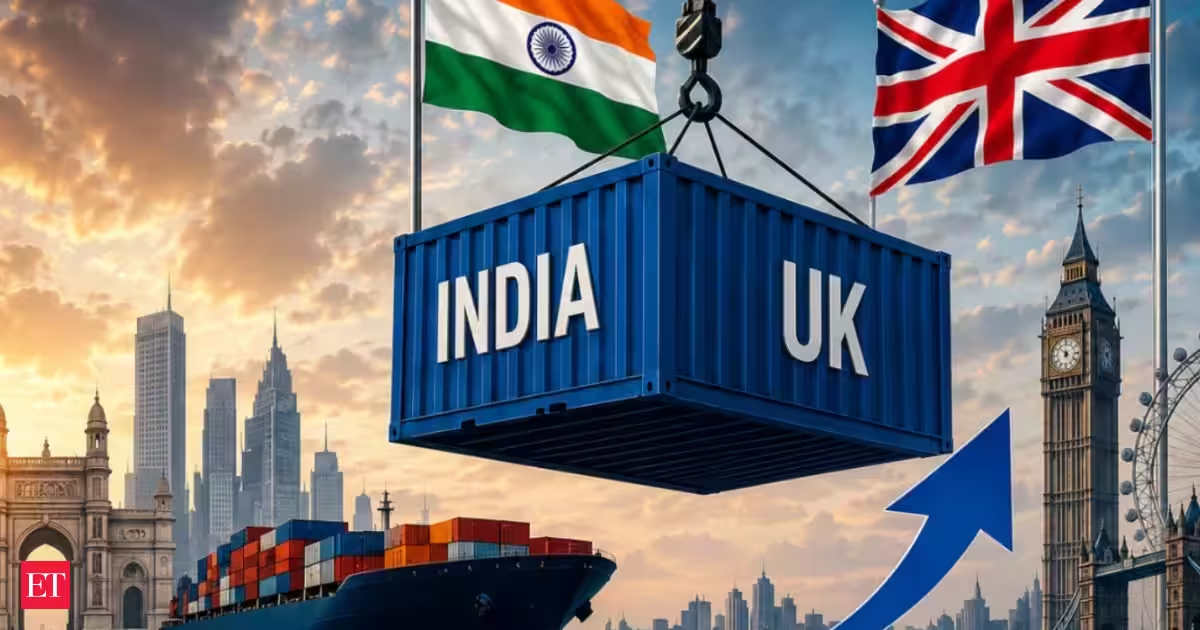
New Delhi: India’s free trade agreement (FTA) with the United Kingdom is set to come into force on 15 July—almost a year after it was signed—the two governments announced Wednesday.
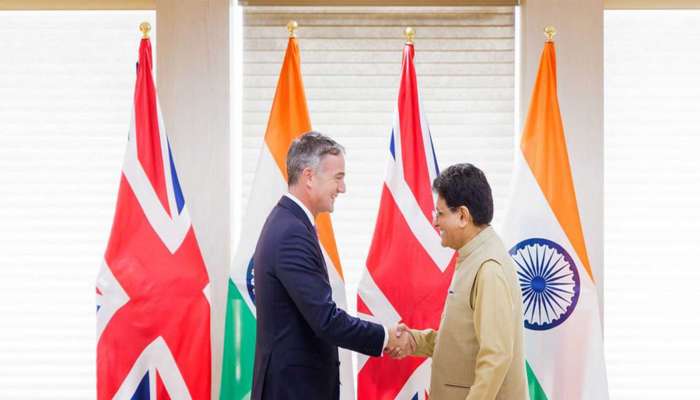
The agreement will mark the operationalisation of the first bilateral trade deal between India and a European—or a Western—country. The earlier deal with the European Free Trade Association (EFTA) that came into effect last year was with a multilateral organisation comprising four countries—Switzerland, Norway, Iceland and Lichtenstein.“The simultaneous enforcement of the CETA and the Double Contribution Convention on 15th July 2026 will open up significant new opportunities for India’s exports. By securing immediate duty-free access on 99% of our tariff lines, we have systematically dismantled long-standing tariff walls. This will effectively level the playing field, allowing our textiles, leather, marine, engineering, and processed food sectors to compete with no disadvantage and supply their world class products,” Union Commerce and Industry Minister Piyush Goyal said in a statement.
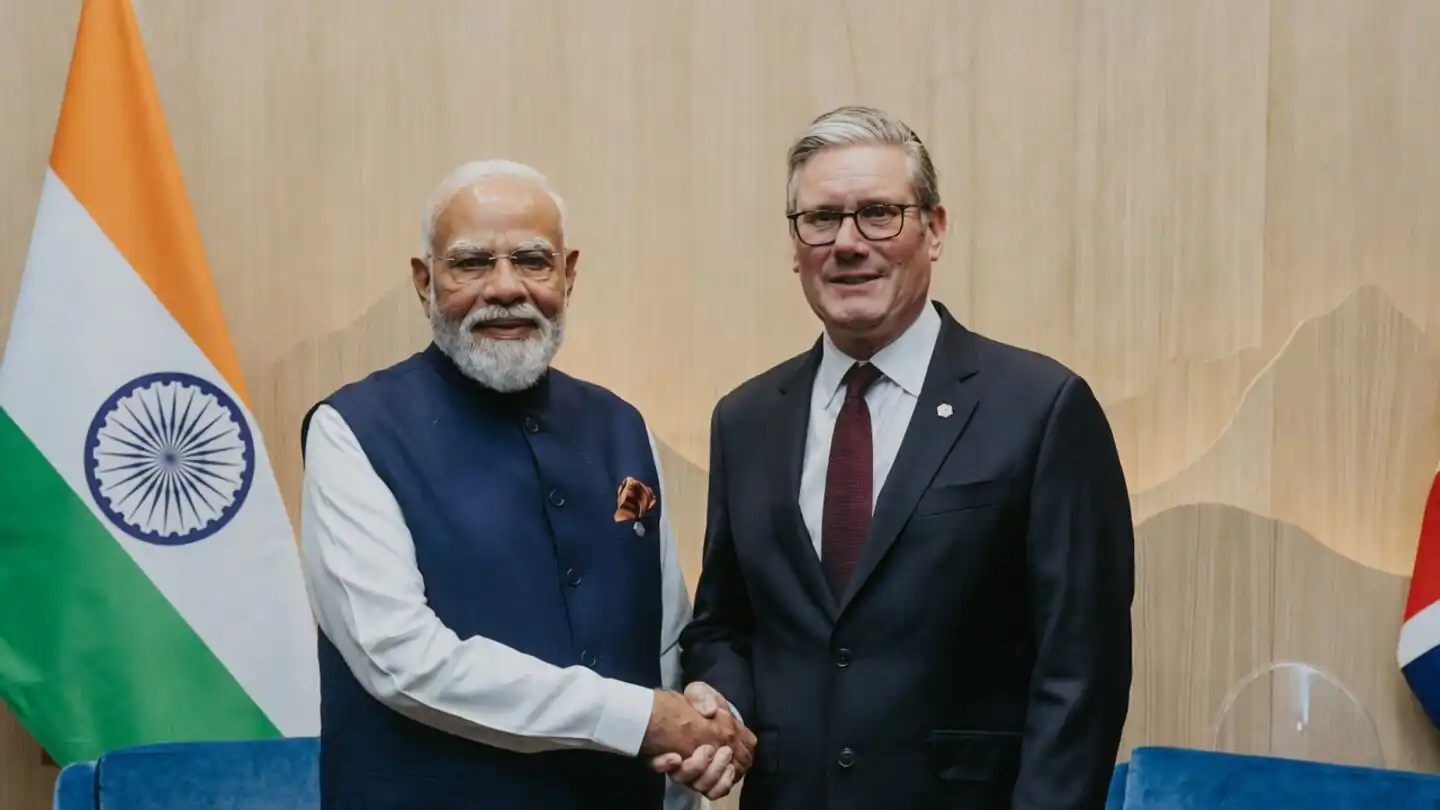
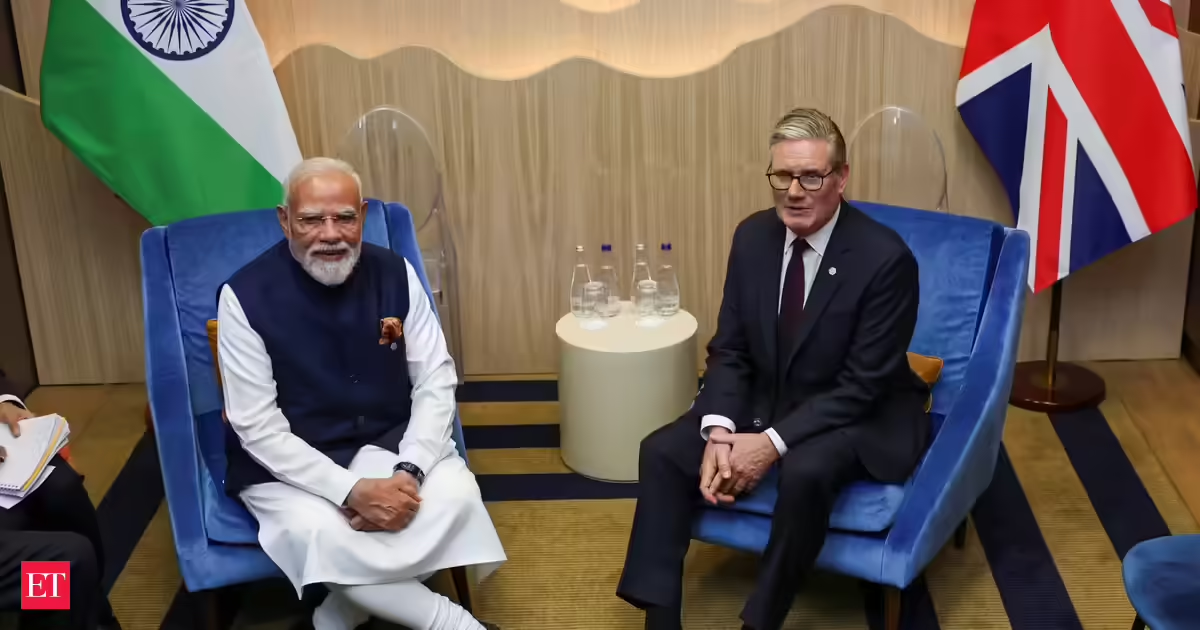
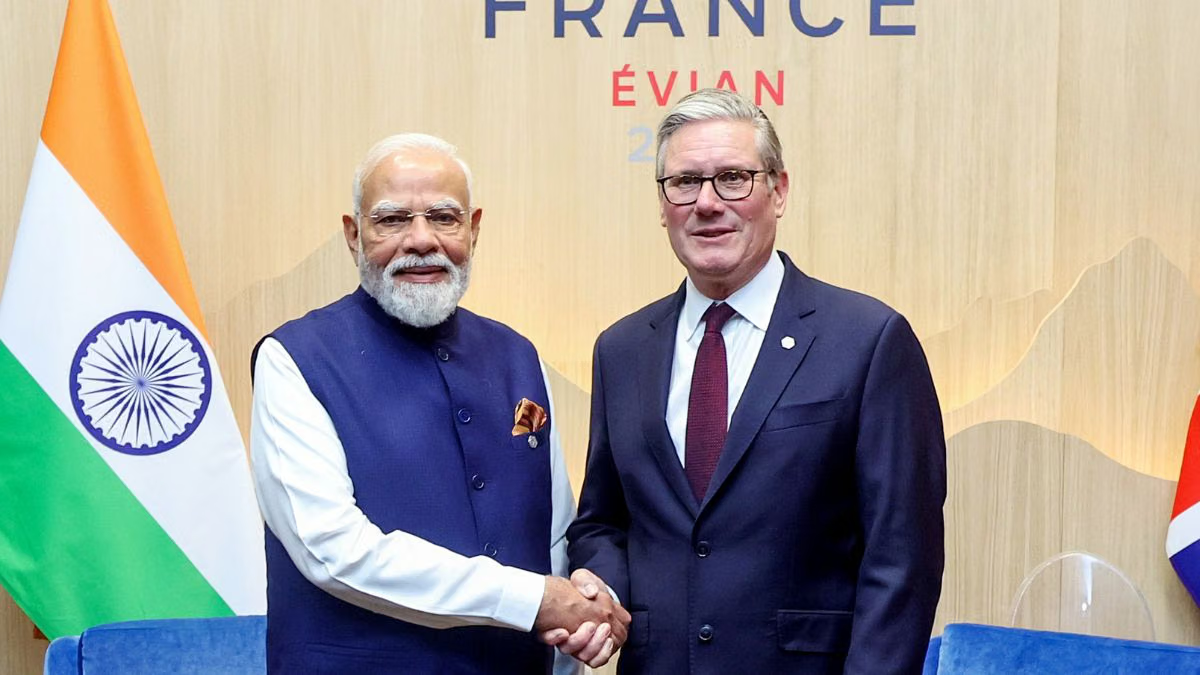
“Crucially, this structure is built on absolute economic security; stringent exclusion lists are actively deployed to insulate our sensitive agricultural and rural economies from import volatility,” he added.“Simultaneously, by exempting our professionals from double insurance contributions, we are protecting the financial interests of our talent pool. This dual breakthrough aggressively expands our global commercial footprint while fiercely guarding domestic sensitivities.”The deal has been successfully ratified by both governments. The date of operationalisation was decided by Prime Minister Narendra Modi and his British counterpart Keir Starmer, following their bilateral meeting on the margins of the G7 summit this week.After 14 rounds of negotiations, India and the UK had announced the successful conclusion of discussions over the FTA last May. It was signed on 25 July, 2025 in the presence of both prime ministers in London.The Comprehensive Economic and Trade Agreement (CETA) is set to see the UK cut its tariffs on a number of Indian exports to zero, while protecting New Delhi’s dairy, cereals, oilseeds and vegetable sectors.According to British estimates, the deal is set to boost the Indian gross domestic product by around £5.1 billion annually, while boosting the UK’s GDP by around £4.8 billion. In the long run, it could see the increase of bilateral trade by around £25.5 billion annually.What the deal means for exporters