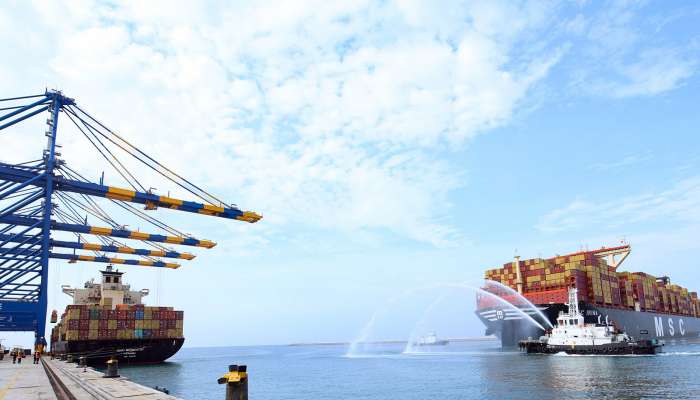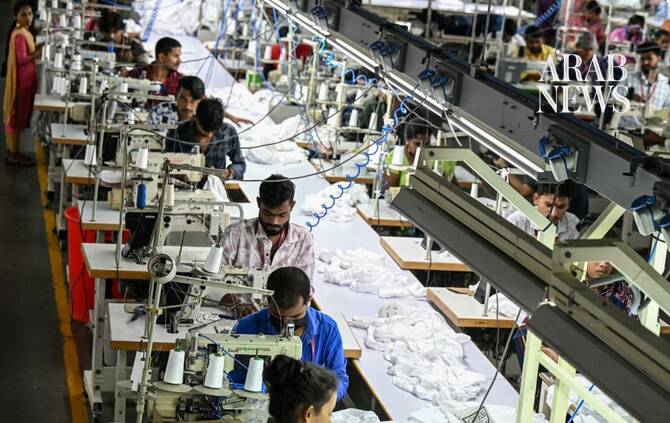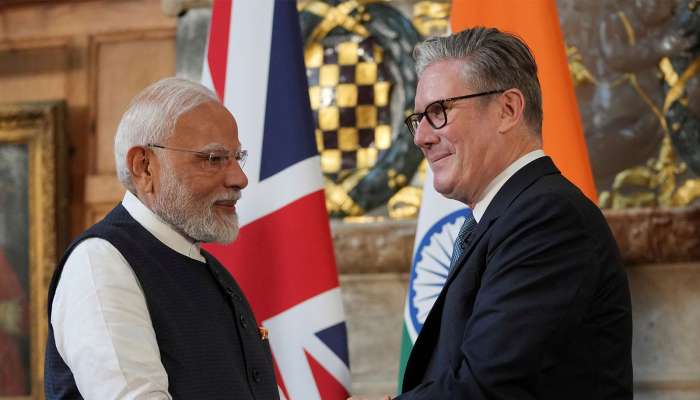
After nearly three years of negotiations, India's landmark free trade agreement with the UK came into force on July 15, opening one of the country's biggest export opportunities in recent years by slashing tariffs, improving access for services and professionals, and giving Indian manufacturers preferential entry into the world's sixth-largest economy.The Comprehensive Economic and Trade Agreement (CETA) promises duty-free access on 99% of India's tariff lines into the UK, benefiting sectors ranging from textiles, leather and footwear to marine products, engineering goods, chemicals and processed food. It also marks one of Britain's most significant trade agreements since Brexit, giving UK businesses greater access to one of the world's fastest-growing consumer markets.Also Read: India-UK FTA from July 15: What changes for autos, whisky, exports and consumersYet, trade experts caution that lower tariffs alone will not guarantee higher exports. Indian companies will now have to navigate stringent quality standards, certification requirements and non-tariff barriers if they are to convert preferential market access into sustained export growth."The agreement opens the door; India must now convert access into exports," Global Trade Research Initiative (GTRI) founder Ajay Srivastava said, as quoted by Times of India.The 30-chapter agreement extends beyond tariff liberalisation to cover digital trade, government procurement, innovation, small businesses, sustainability and supply-chain resilience, reflecting the growing ambition of India's trade negotiations.For Indian exporters, one of the biggest gains lies in the elimination of UK tariffs on labour-intensive sectors where India already enjoys a manufacturing advantage. Garments, textiles, leather goods, footwear, seafood, processed food and selected agricultural products are expected to emerge among the biggest beneficiaries.According to GTRI, Britain imported goods worth $928.9 billion in 2025, but India accounted for just $15.2 billion, or 1.6%, highlighting the scope for expansion if Indian companies can improve competitiveness.Processed food represents one of the largest untapped opportunities. The UK imported $33.4 billion worth of processed food last year, while India's exports accounted for only $354 million, leaving it with a market share of just 1.1%.The agreement is also expected to provide regulatory certainty for Indian service providers across information technology, financial services, healthcare and education. Business visitors and intra-company transferees are expected to benefit from more predictable mobility provisions, while Indian chefs, yoga instructors and classical musicians are among professionals expected to gain improved access.Also Read: Decoding the India-UK CETA: Check what's changing in terms of tariffs, import duty & moreSeparately, the accompanying Double Contribution Convention extends social security exemptions for Indian professionals on temporary assignments in the UK from three years to five years, eliminating the need for dual social security contributions and lowering costs for both employees and employers.For British exporters, one of the most closely watched changes will be India's phased reduction in import duties on UK-made automobiles. Tariffs, currently as high as 110%, will gradually fall to as low as 10% over five years under a quota-based system, although electric, hybrid and hydrogen-powered vehicles have been kept outside the concessional regime during the initial five-year period.Alternative-fuel vehicles priced above GBP 40,000 will become eligible for phased tariff reductions only from the sixth year onwards, subject to quota limits.Despite the optimism, analysts say several structural challenges could limit the agreement's immediate impact.GTRI said exporters across sectors will have to comply with demanding UK quality, food safety, traceability and technical certification requirements, particularly in food products, engineering goods and automobiles."Without parallel work on standards, certification, logistics, regulatory approvals and buyer networks, much of the opportunity will remain on paper," Srivastava said.The think tank also warned that sectors such as chemicals and pharmaceuticals may see limited gains because regulatory approvals and procurement systems remain more important than tariff preferences.Steel exports remain another area of concern. Britain's safeguard measures, including lower tariff-free quotas and a 50% duty on imports exceeding those quotas, continue to cloud export prospects despite concessions that keep around 85% of Indian steel exports outside the safeguard mechanism.Industry observers also note that negotiations delivered only limited progress on visa liberalisation, with domestic political considerations in the UK restricting broader mobility commitments sought by India.For many micro, small and medium enterprises, compliance with the UK's sanitary, phytosanitary and technical standards could prove a bigger hurdle than tariffs themselves, underscoring that the real test of the agreement begins only after it takes effect.While the FTA significantly lowers trade barriers, experts say its long-term success will depend less on tariff concessions and more on India's ability to improve product quality, strengthen supply chains, expand certification capacity and build stronger commercial networks in the British market.
India-UK FTA comes into effect today, unlocking duty-free access for Indian exports
India's new trade pact with the UK offers significant export chances for manufacturers. Lower tariffs will benefit sectors like textiles, leather, and processed foods. Indian companies must meet stringent quality standards for sustained export growth. The agreement also improves access for Indian professionals and service providers. British exporters will see phased reductions in India's automobile import duties.
747 words~3 min read