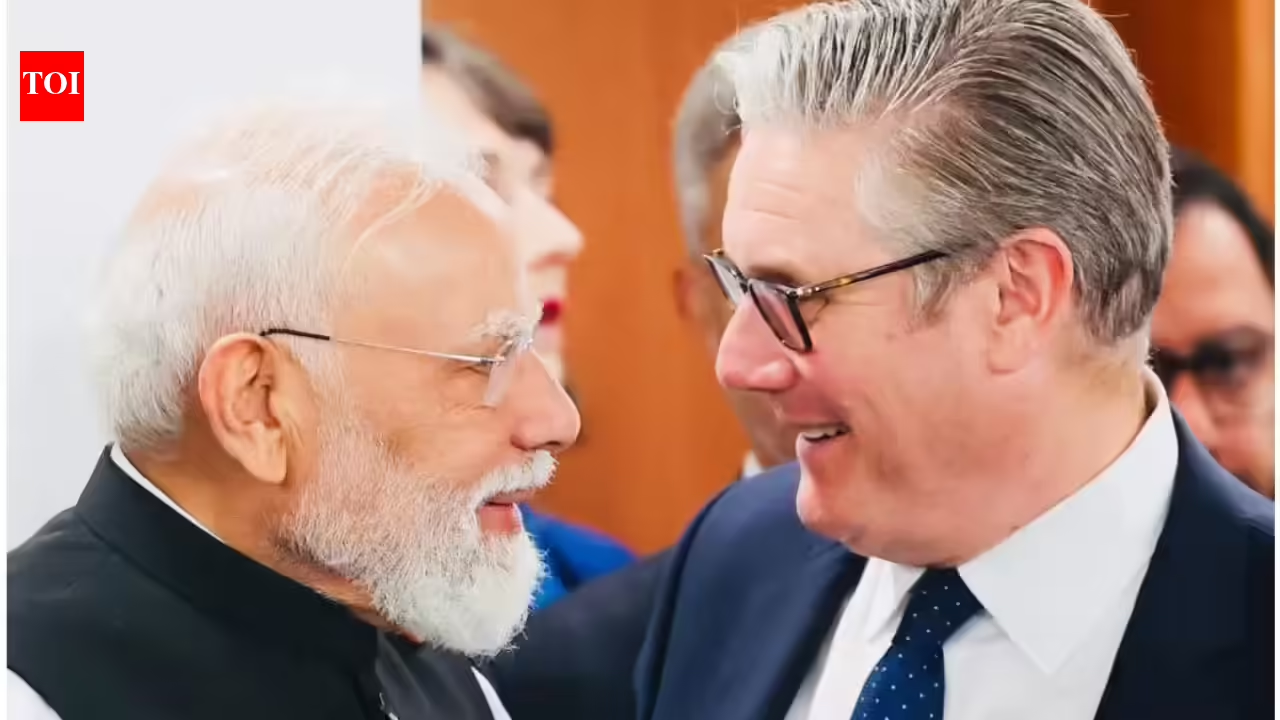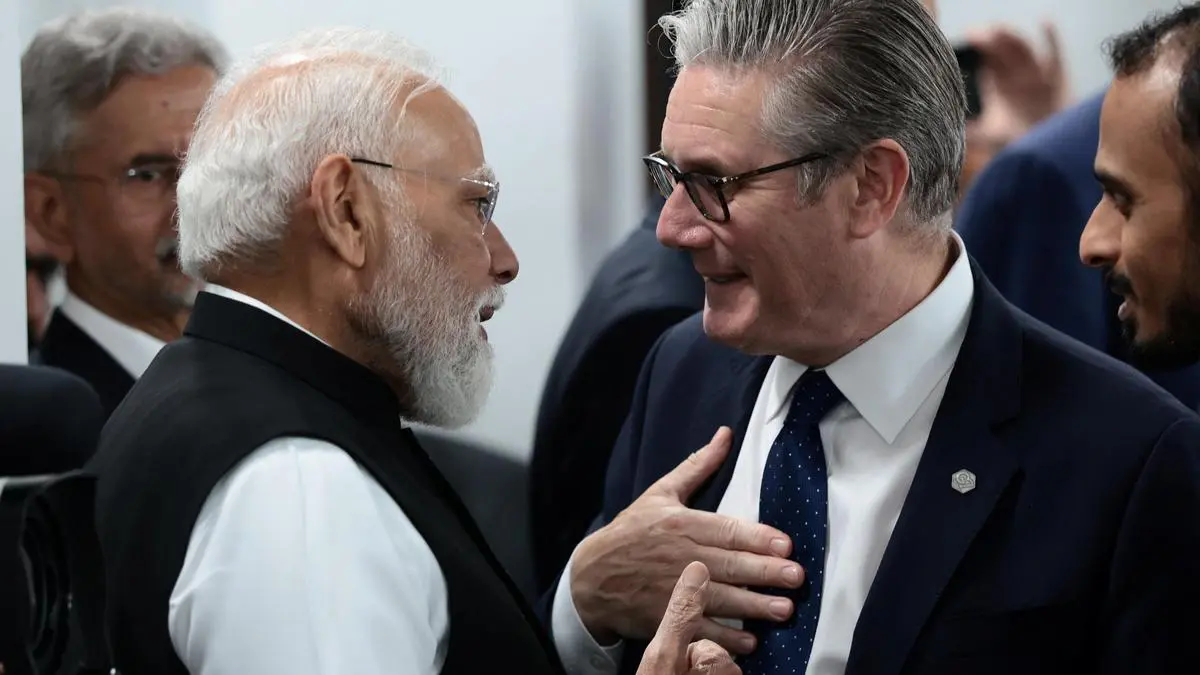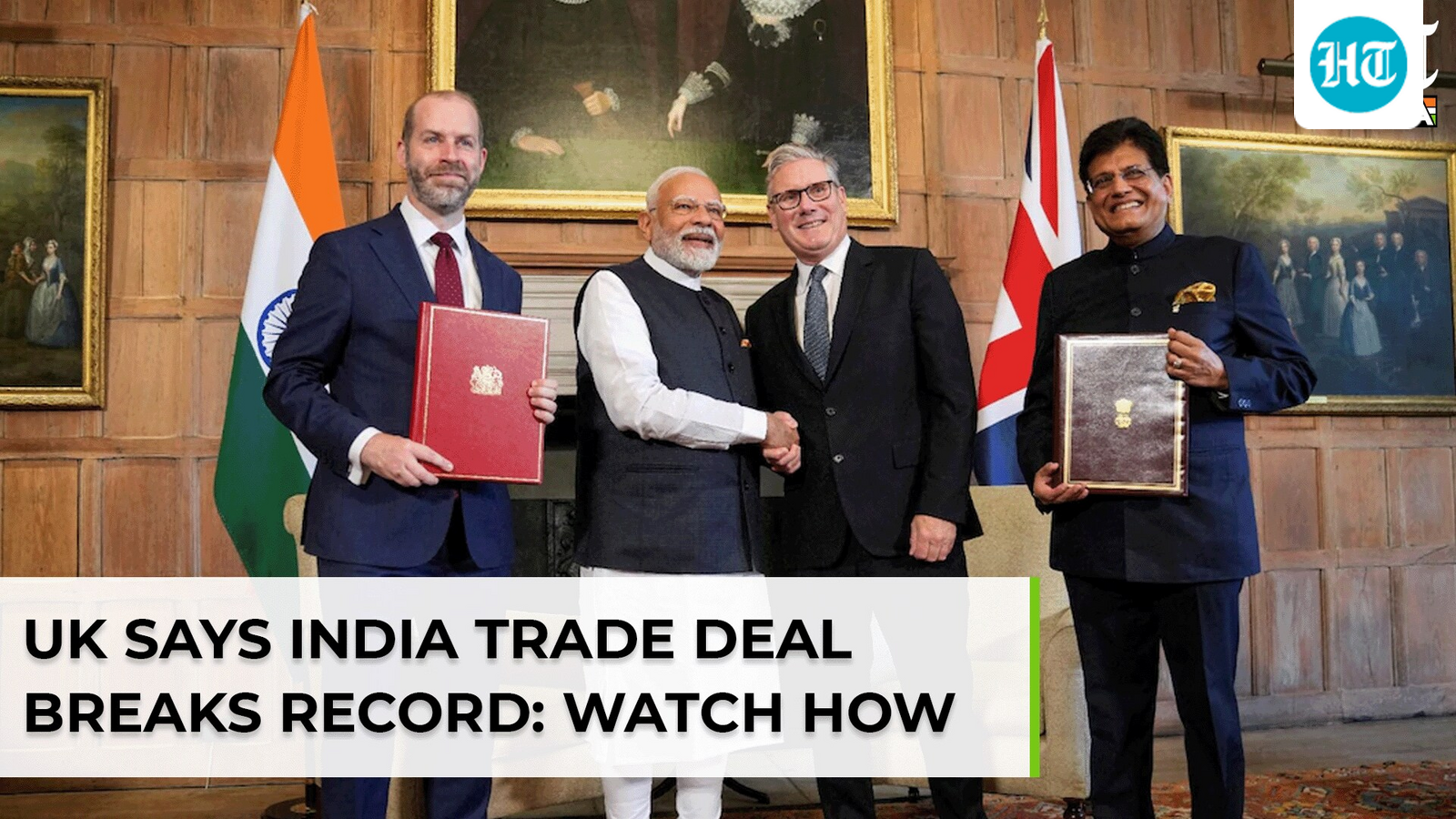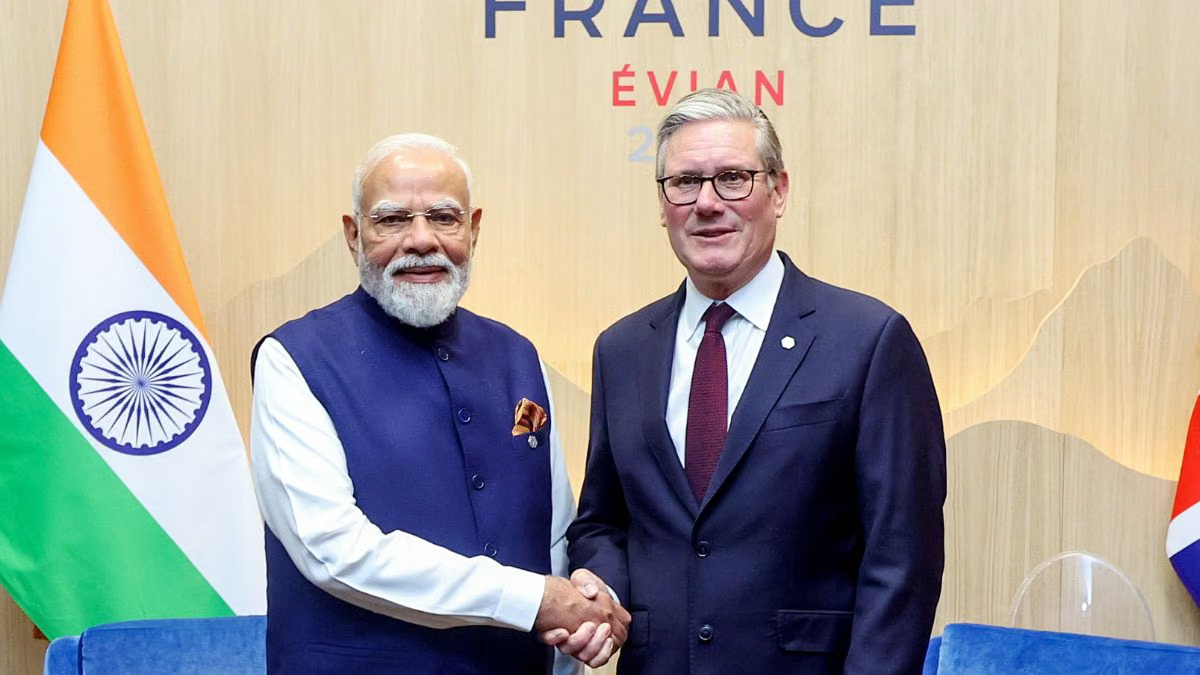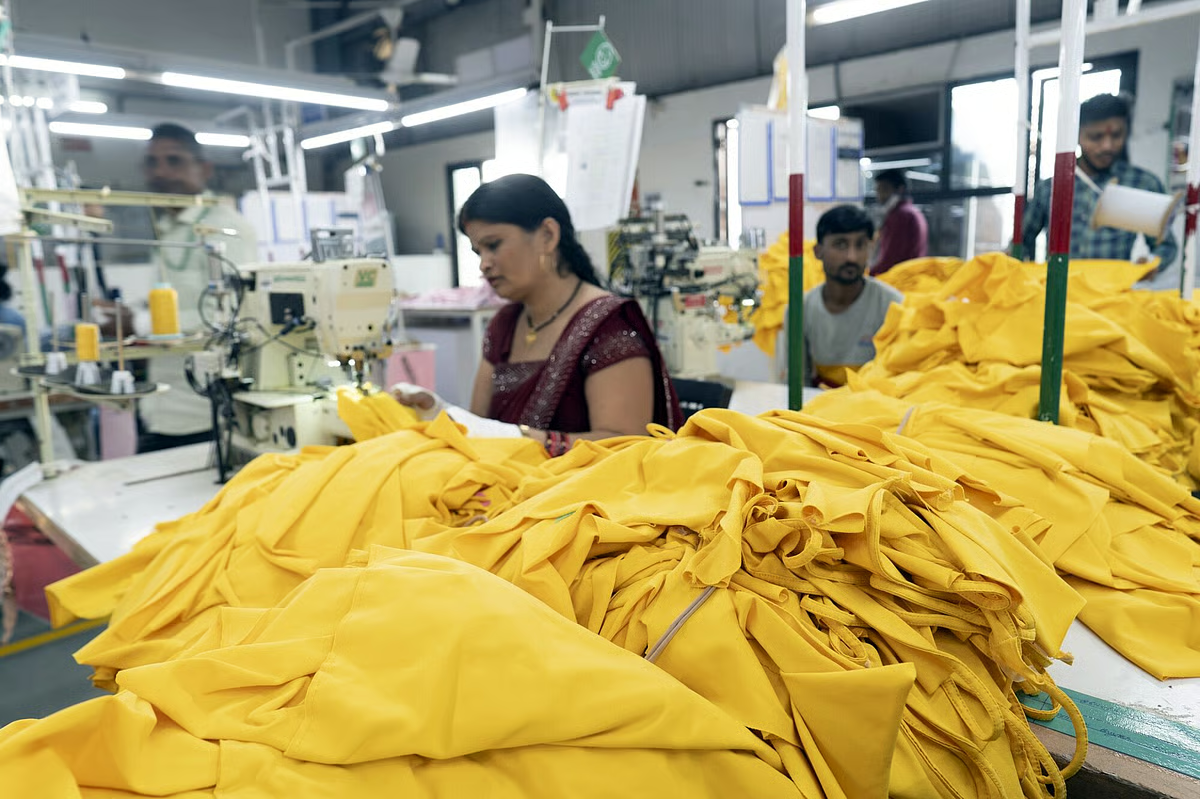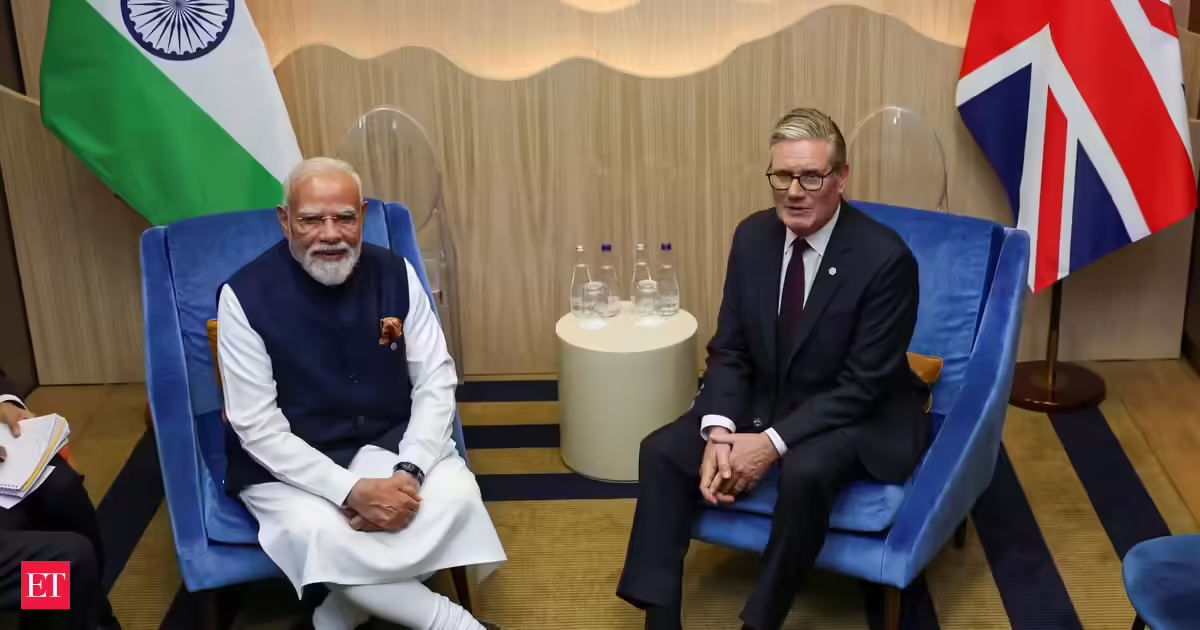
New Delhi: The free trade deal between India and the UK will come into effect on July 15, about 11 months after the pact was inked, overcoming disagreements related to British trade restrictions on steel and unlocking tariff-free access for 99% of India's exports. The rollout of the India-UK Comprehensive Economic and Trade Agreement (CETA) was announced by Prime Minister Narendra Modi and his British counterpart Keir Starmer following discussions between the two leaders on the sidelines of the G7 summit in Evian-Les-Bains.Also read: India, US 'very close' to inking a trade deal, says Trump after meet with ModiTariffs of up to 70% on processed food products, 21.5% on marine products, 18% on engineering goods and auto components, 16% on leather and footwear products, 12% on textiles and clothing and 8% on chemicals and pharmaceutical products will be reduced to zero under the pact.Simultaneously, a social security agreement - the Double Contribution Convention (DCC) - to ensure temporary workers don't have to pay such contributions in both countries, will also come into effect. Benefits for professionals, cos More than 75,000 Indian professionals and over 900 companies are expected to benefit.Tariffs on Scotch whisky will be halved to 75% immediately, and further lowered to 40% by 2035. On automobiles, India will reduce import duties to 10% over five years, down from 110% now, under a gradually liberalised quota system as per the deal.The government, in a statement, termed the development as a "major stride for India's global economic engagement."Prime Minister Modi hailed the development."A historic milestone for India-UK relations," he said in a social media post. "This agreement will significantly boost our bilateral trade and investment. It will also unlock numerous opportunities for Indian farmers, workers, MSMEs, startups and innovators and contribute meaningfully to the realisation of Viksit Bharat 2047."The two PMs "are naturally very happy with the significant momentum being added to our economic ties," he said.The implementation of the deal was stuck as the two sides were in talks to resolve certain outstanding issues, including Britain's steel safeguard measures that would limit tariff-free steel imports July 1 onwards, and the UK's carbon border adjustment mechanism from 2027.India said the two sides have "successfully reached a landmark consensus to safeguard and promote bilateral steel trade" and "agreed to protect commercial interests, minimise market disruptions, and ensure an overall balanced and stable trading environment for exporters."Also read: India always on side of peace, places humanity over everything else: PM Modi after talks with ZelenskyyThe Indian commerce and industry ministry said in a statement that "85% of India's exports are out of the steel measures. On the lines under the steel measures, India's interest has been protected through a mix of CSQ (country specific quota), residual quota and access under Authorised Use Scheme (AUS)."India's exports to Britain declined 7.6% in FY26 to $13.44 billion from FY25 while imports rose 36.1% to $11.7 billion.Commerce and industry minister Piyush Goyal said the simultaneous enforcement of the CETA and the Double Contribution Convention on July 15 will open up significant opportunities for India's exports."By securing immediate duty free access on 99% of our tariff lines, we have systematically dismantled long-standing tariff walls," Goyal said. "This will effectively level the playing field, allowing our textiles, leather, marine, engineering, and processed food sectors to compete with no disadvantage and supply their world class products."
India-UK free trade deal to take effect on July 15, opening 99% of exports to tariff-free access
India and the UK's Comprehensive Economic and Trade Agreement (CETA) will take effect on July 15, granting 99% of Indian exports tariff-free access. The pact, announced by Prime Ministers Modi and Starmer, also includes a social security agreement for temporary workers.
557 words~3 min read