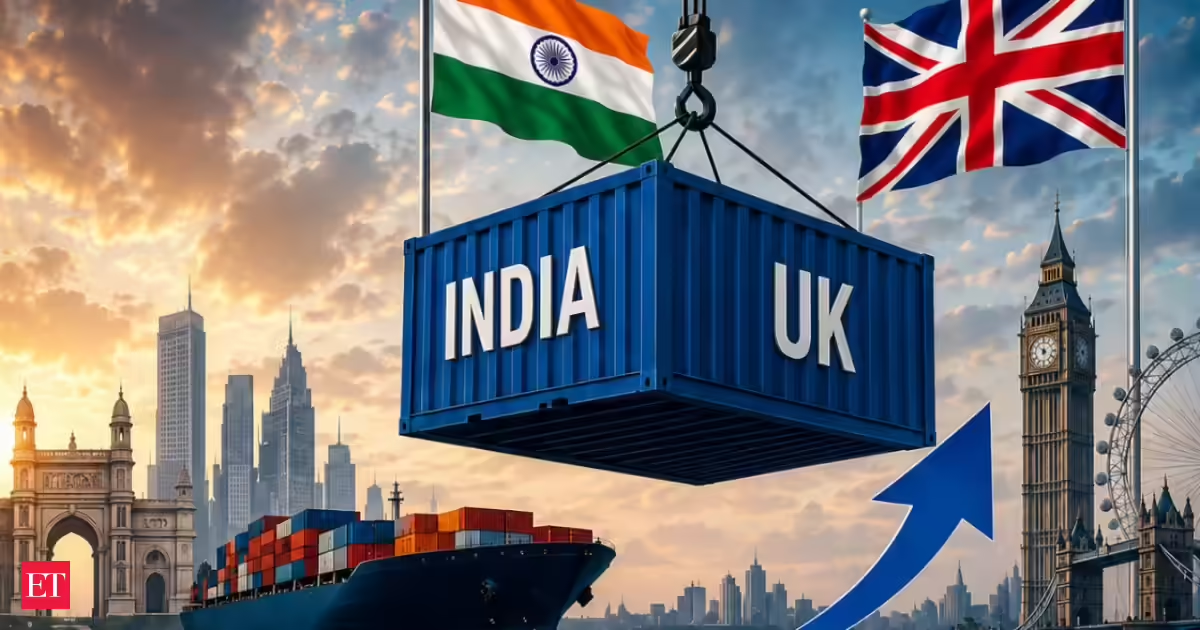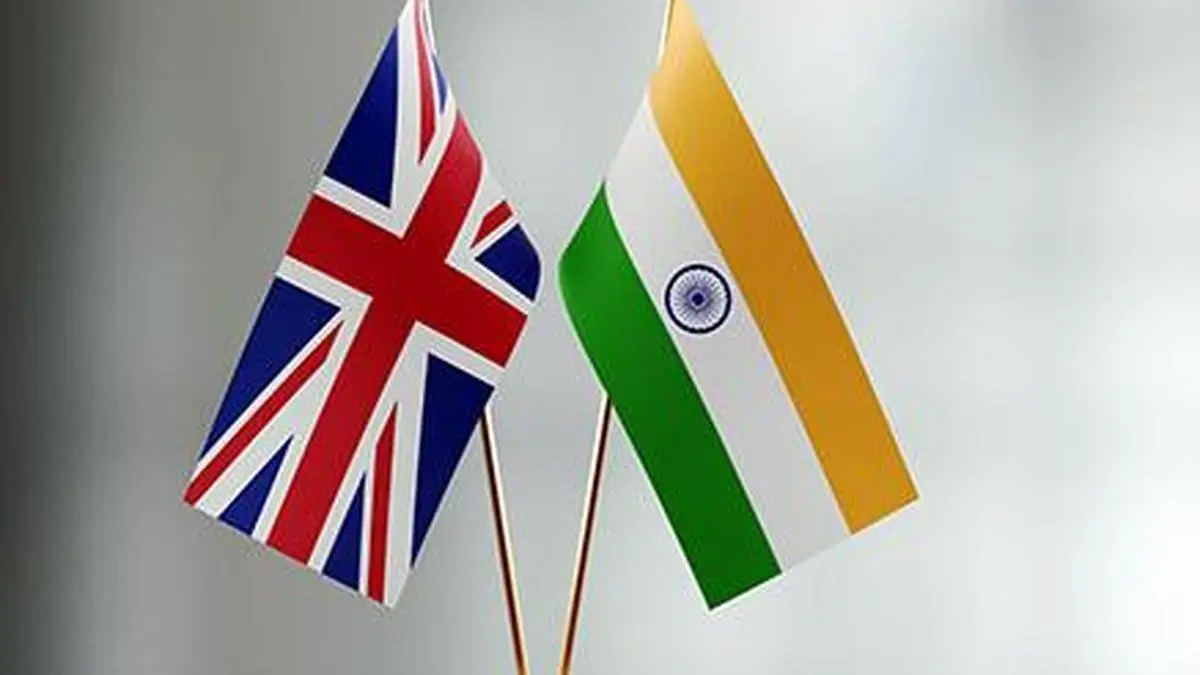
The free trade pact is expected to drive India-UK bilateral trade to $100-120 billion by 2030
| Photo Credit:
MicroStockHub
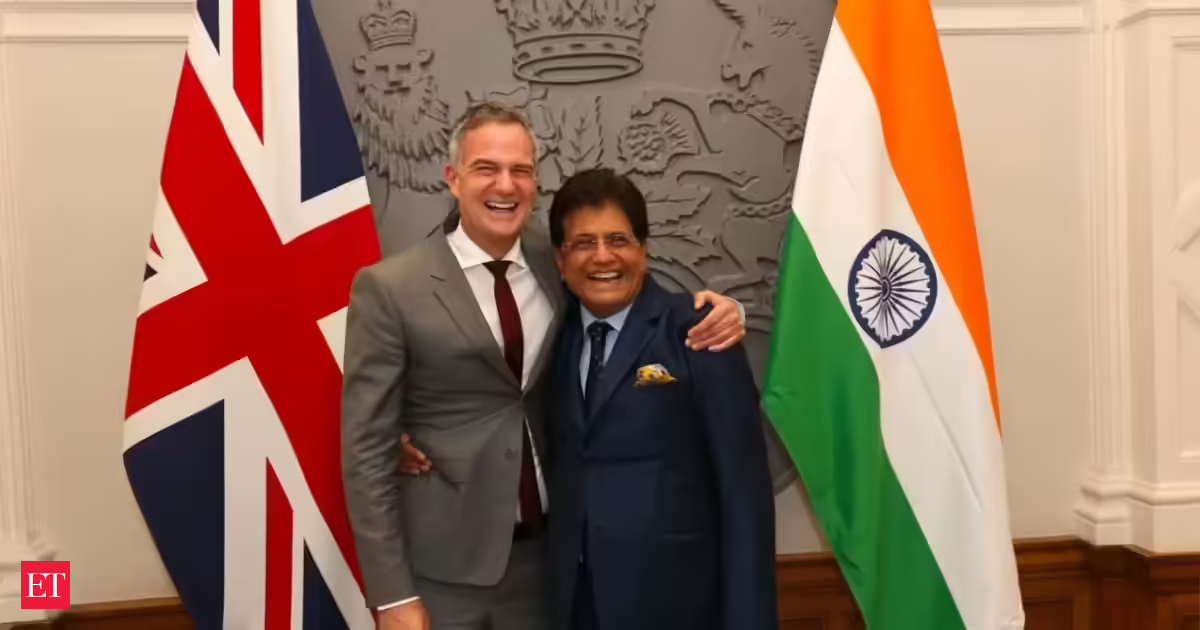
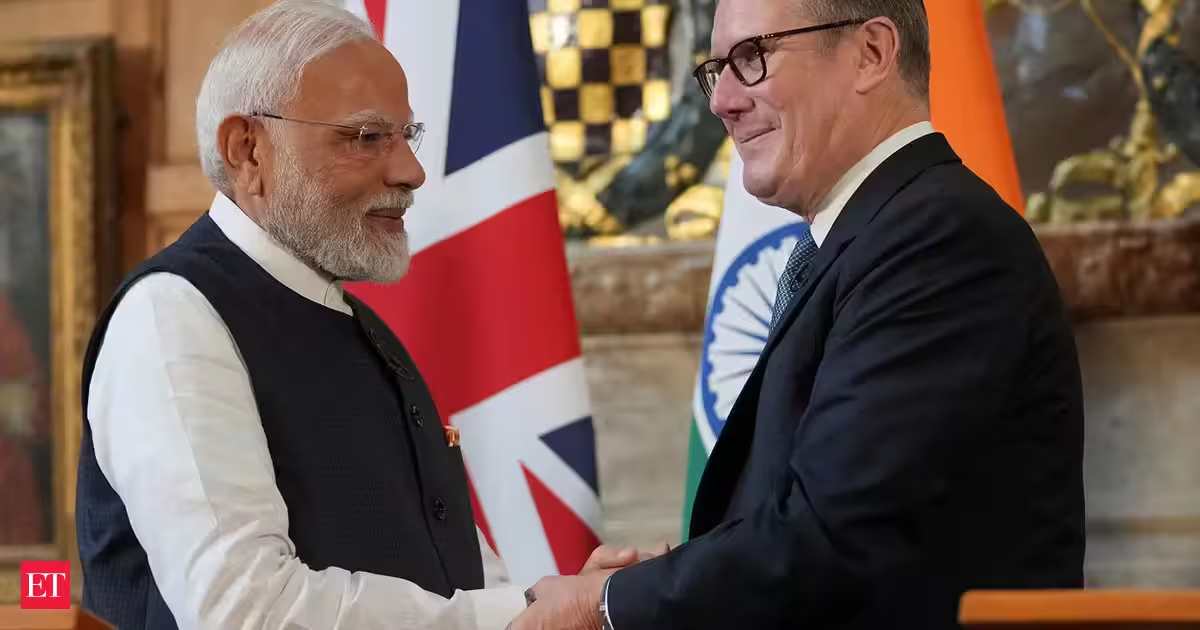
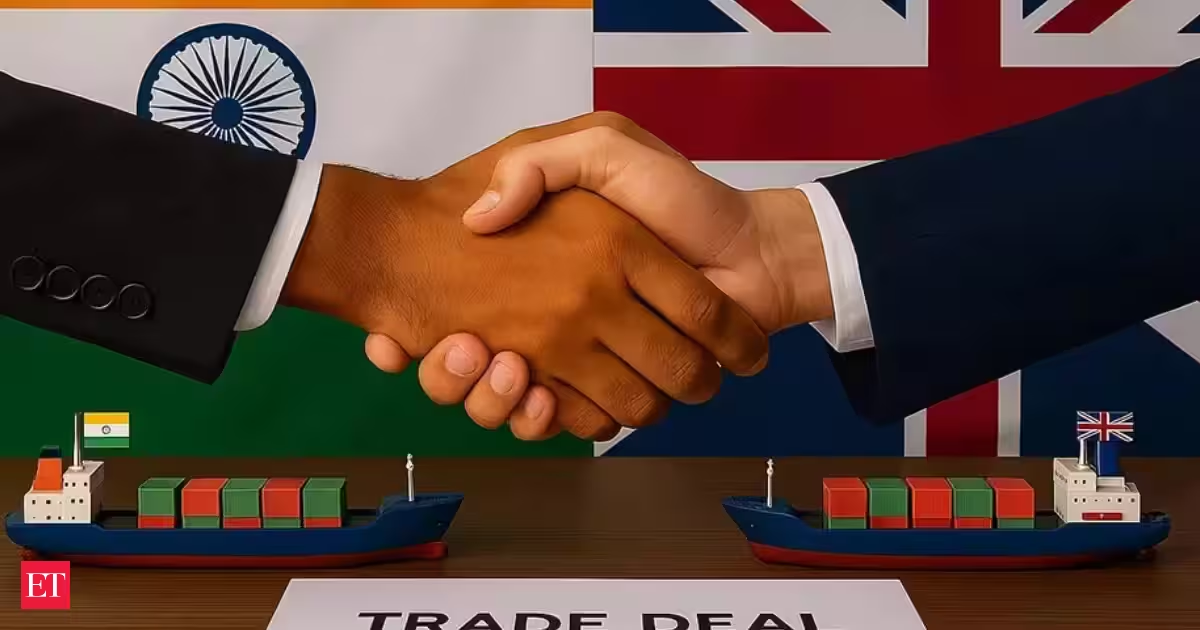
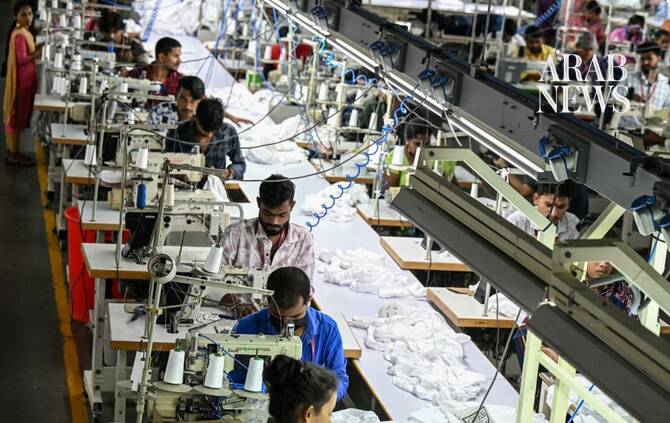
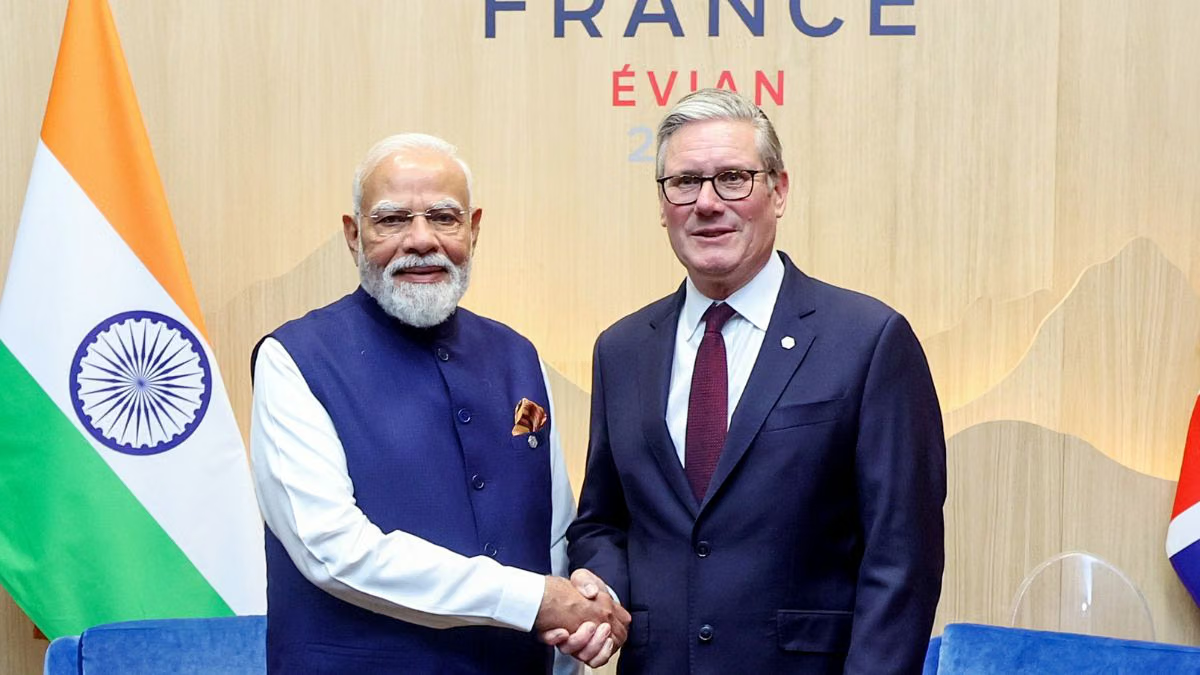
The time has come for a fresh momentum and commencing a new chapter in India-UK bilateral relations with the Free Trade Agreement coming into effect from July 15. Two major economies with GDP of more than $4 trillion have struck the chord for a broader horizon where India is aiming to be a developed economy by 2047 while the UK is looking positively for greater trade, lower tariffs and strategic partnerships with India.The India-UK FTA provides meaningful market access across goods and services, while safeguarding sensitive sectors such as dairy and cereals. The bilateral trade is expected to expand from $58 billion to reach the level of $100-120 billion by 2030. The comprehensive agreement ensures tariff elimination for 99 per cent tariff lines for India and covers nearly 100 per cent of trade value.Sectors to benefitAs UK tariffs drop to zero for key products: textiles, leather, marine products, gems & jewellery, toys, engineering goods, chemicals, auto components etc, it is expected to bring significant benefit to India’s labour-intensive sectors. Preferential access will improve India’s competitiveness, strengthen value chains, and generate large-scale employment for MSMEs.More importantly, India has secured protection for a majority of its steel exports to the UK under the India-UK free trade agreement, with 85 per cent of outbound shipments remaining outside UK’s steel safeguard measures (which have come into effect from July 1), thus unlocking tariff-free access for India’s steel exports.The fast-changing global trade order now has a new equation on the board with India and the UK implementing a free trade agreement covering 29 chapters including goods, services, intellectual property, government procurement, digital trade, labour, environment, small and medium-sized enterprises among others.In this comprehensive agreement, India has offered 89.5 per cent of its tariff lines for tariff liberalization covering 91 per cent of UK’s exports. Tariff liberalization will make several imports cheaper for India, including machinery and electrical equipment, chemicals, pharma and medical devices, automobiles, and select food and beverage products and processed food items. Tariffs will be lowered in phases, with quota-based systems in place for few sectors including automobiles.Imports of high technology goods are expected to diversify India’s import sources, thereby reducing input costs for businesses, benefit consumers and will create opportunities for Indian businesses to integrate into global supply chains. Auto, alcoholic beverages, processed products, textiles, pharma and leather are among the few focus sectors of the deal.Advantage servicesServices being dominant and faster growing part of both economies will trade more in future. Under the FTA, broader and deeper commitments have been secured from the UK across 12 major sectors and 137 sub-sectors, over 99 per cent of India’s export interests, including IT/ITeS, professional services, education, and other business services. The services sector, a strong driver of India’s economy, will see wide-ranging benefits.One of the most dynamic aspects of the deal is reflected through a key innovation in the agreement with respect to the Double Contribution Convention which exempts Indian workers and their employers from paying UK social security contributions for up to three years on temporary assignments.The Free Trade Agreement between India and the UK is indicative of the deepening of overall bilateral ties in a range of sectors and is poised to unlock significant opportunities for businesses in both nations, fostering deeper trade integration and stimulating economic growth. The agreement offers a balanced framework to enhance competitiveness, boost exports and generate new jobs. Given the uncertain tariff dynamics witnessed in the global trade in recent years, this deal presents a ground for certainty and optimism.The agreement also aligns with broader India-UK cooperation in clean energy, climate action, defence, technology, innovation and security, reinforcing an increasingly comprehensive strategic partnership.We are hopeful that given the determination of the government and enthusiasm of business enterprises, the gains from India-UK trade agreement will surely be maximised.The writer is Secretary General, ASSOCHAMPublished on July 14, 2026