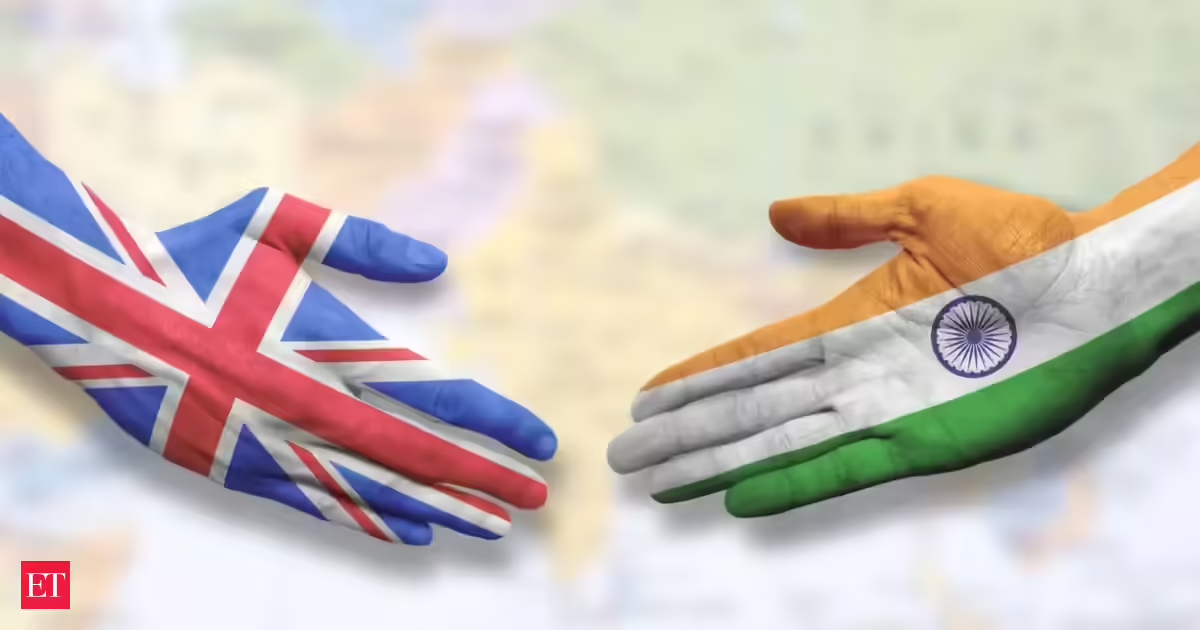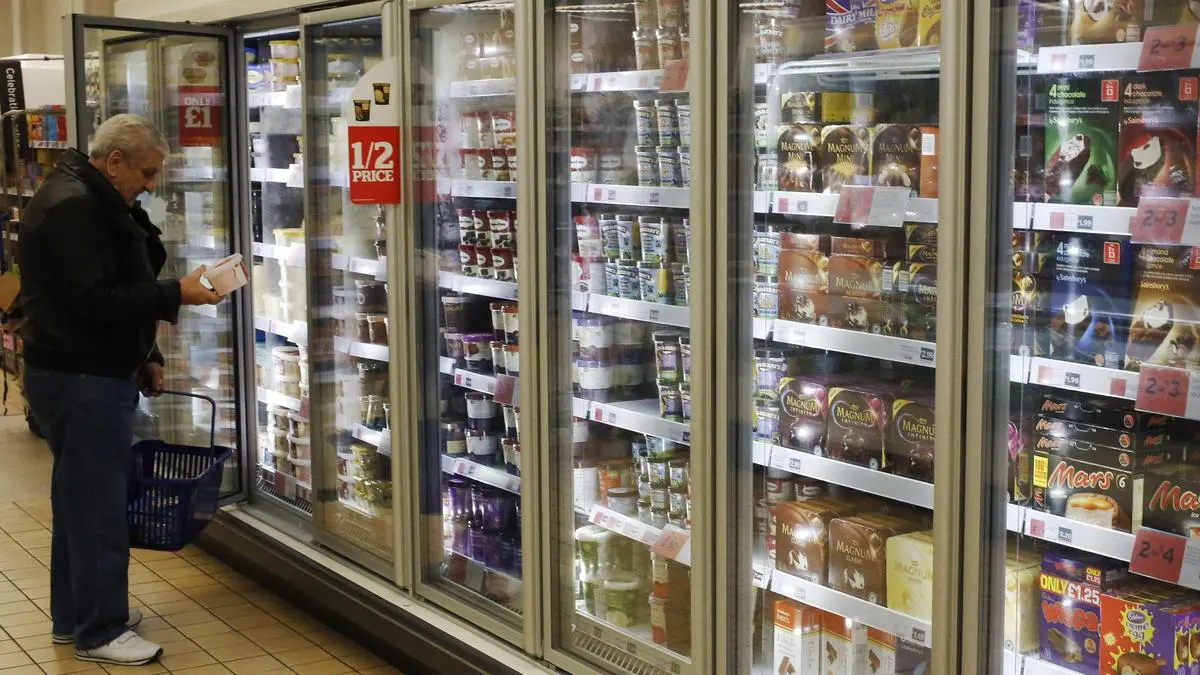
The free trade pact opens up opportunities for Indian brands to exports processed foods, wellness products and cosmetics to UK.
| Photo Credit:
Luke MacGregor
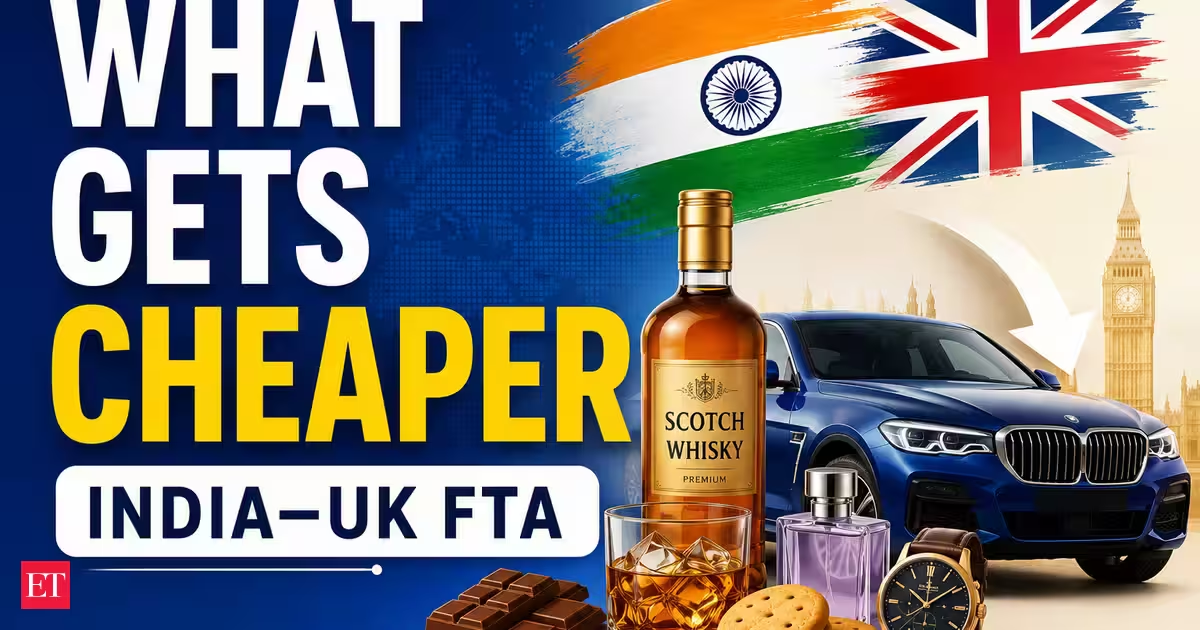
With the India-UK FTA set to come into effect from July 15, Indian consumers will get access to a range of UK products at cheaper prices in categories such as alcobev, beauty products, baked goods, chocolates and soft beverages at cheaper prices.Experts said that it also opens up opportunities for Indian brands to exports processed foods, wellness products and cosmetics to UK. At the same time, stakeholders are looking to gain more clarity on finer print details such as rules of origin and alignment in sanitary and phytosanitary norms as experts said robust compliance frameworks will be key.Sagar Shah, Partner, Tax and Regulatory, EY India said the agreement is set to expand access to premium and specialty imported goods, making them more affordable to Indian consumers. “Nevertheless, while tariff liberalisation enhances market access, the realization of these benefits will be contingent upon robust compliance frameworks and alignment with India’s regulatory ecosystem,” he added.Cosmetics segmentHe said that in the cosmetics segment, while tariff reductions improve landed cost efficiencies, non-tariff barriers including the adherence to the compulsory compliance requirements, labelling norms, and precise product classification will continue to play a critical role in ensuring seamless trade flow. “Accurate classification and compliance assessment of derma-category products will be critical to ensure correct tariff treatment and eligibility for FTA benefits along with other cosmetics product,” Shah added.“Indian consumers are actively seeking cutting-edge formulations. That makes UK brands a perfect fit for India, especially in the prestige segment, where demand for high-end, high-efficacy products is growing,” said Radhika Ghai, Founder & CEO, kindlife.In the processed food segment, the Indian market is expected to see entry of premium and specialty food products from the UK. Amit Lohani, Founder Director, Forum of Indian Food Importers said, “Setting a clear implementation date for the India–UK FTA is a positive step that brings certainty to businesses.We urge the policymakers to ensure the deal addresses sanitary and phytosanitary (SPS) alignment, transparent rules of origin that reflect real-world supply chains, and practical transitional arrangements for tariff phase-ins.”BeveragesNaveen Malpani, Partner and Consumer Industry Leader, Grant Thornton Bharat, pointed out that for Indian companies, the agreement presents an opportunity to expand exports of processed foods, wellness products and natural or Ayurveda-inspired cosmetics to UK. He added that the agreement will reshape competitive dynamics across cosmetics, packaged foods and alcoholic beverages by improving market access and reducing trade barriers.Meanwhile, the International Spirits and Wines Association of India said that reduced tariffs on Scotch whisky imports from the UK will enable Indian consumers get access to premium international brands at more accessible price points. “Importantly, the reduction in duties on bulk Scotch imports will also benefit India’s domestic spirits industry by lowering input costs for bottling and blending operations, enabling manufacturers to enhance product quality and competitiveness,” added Sanjit Padhi, CEO, ISWAI.Published on June 18, 2026