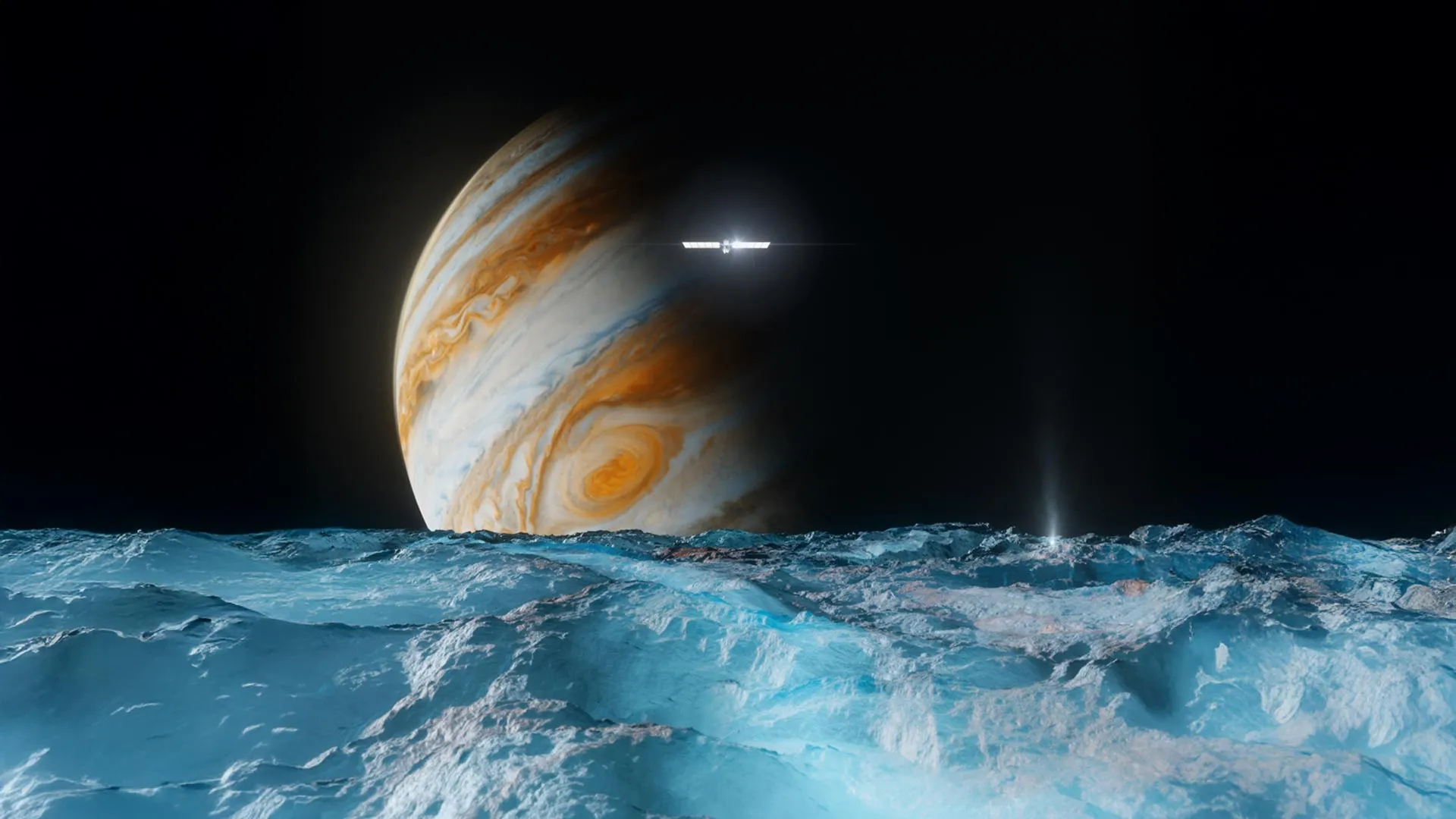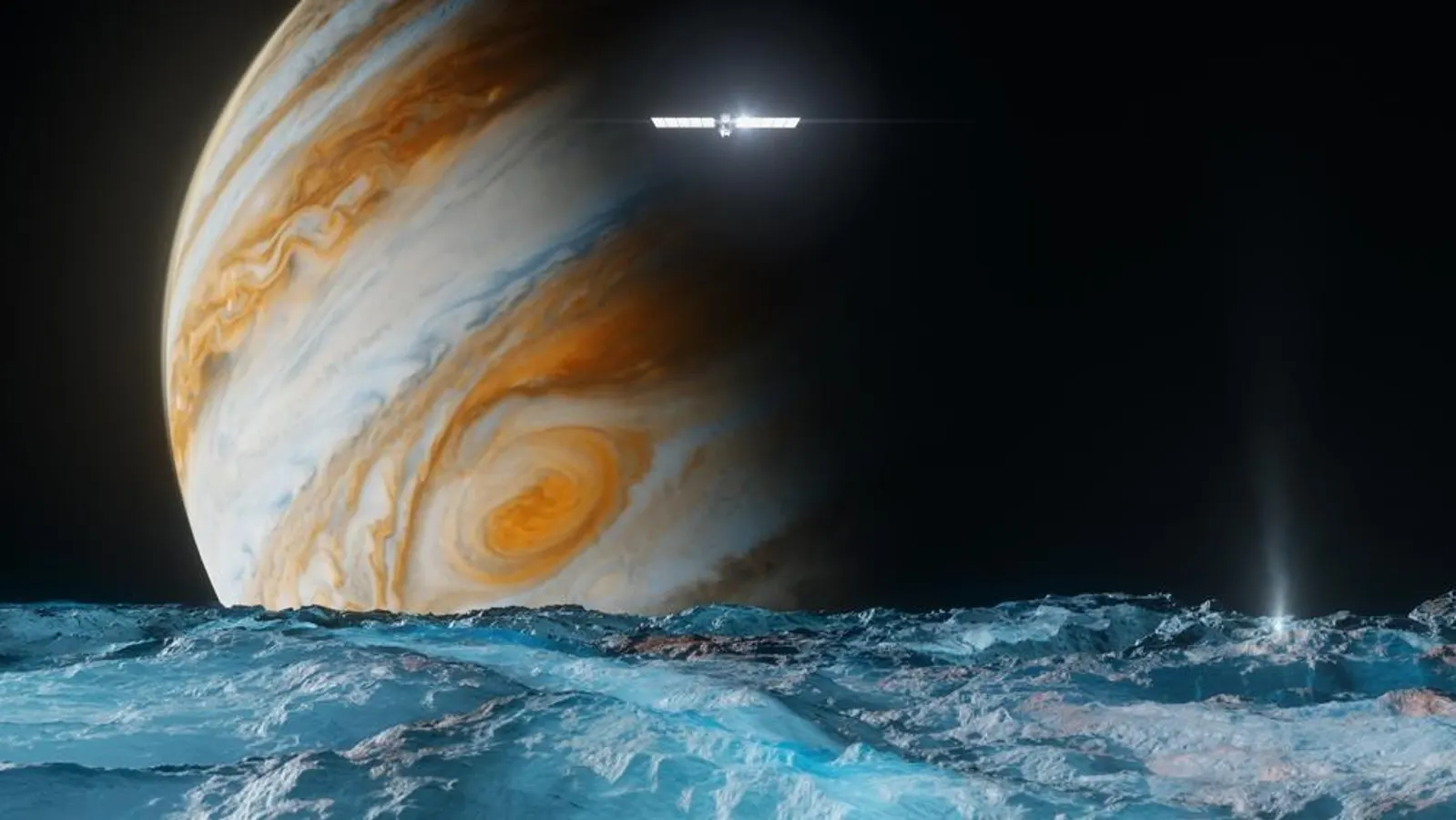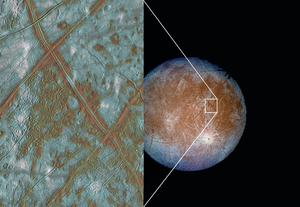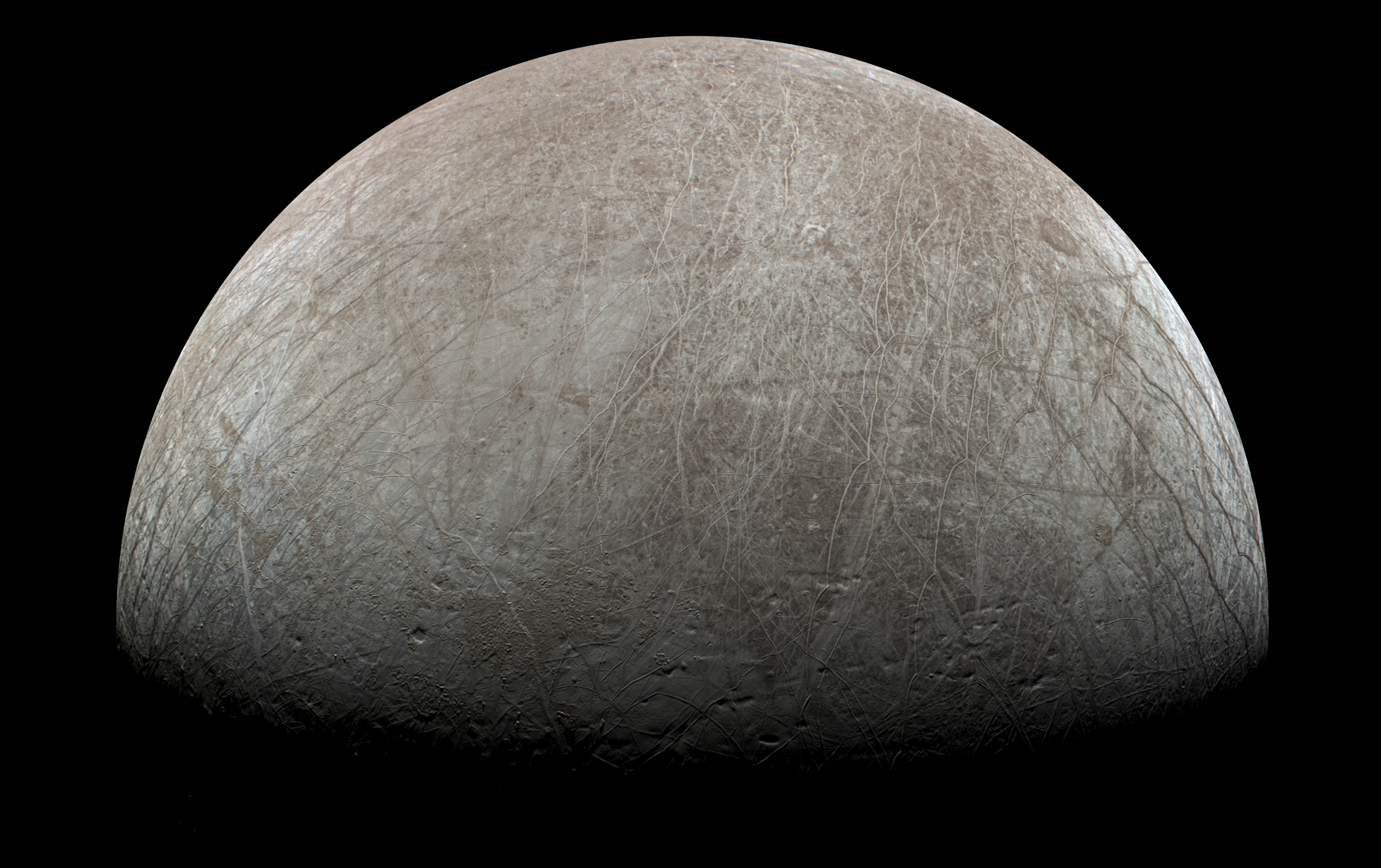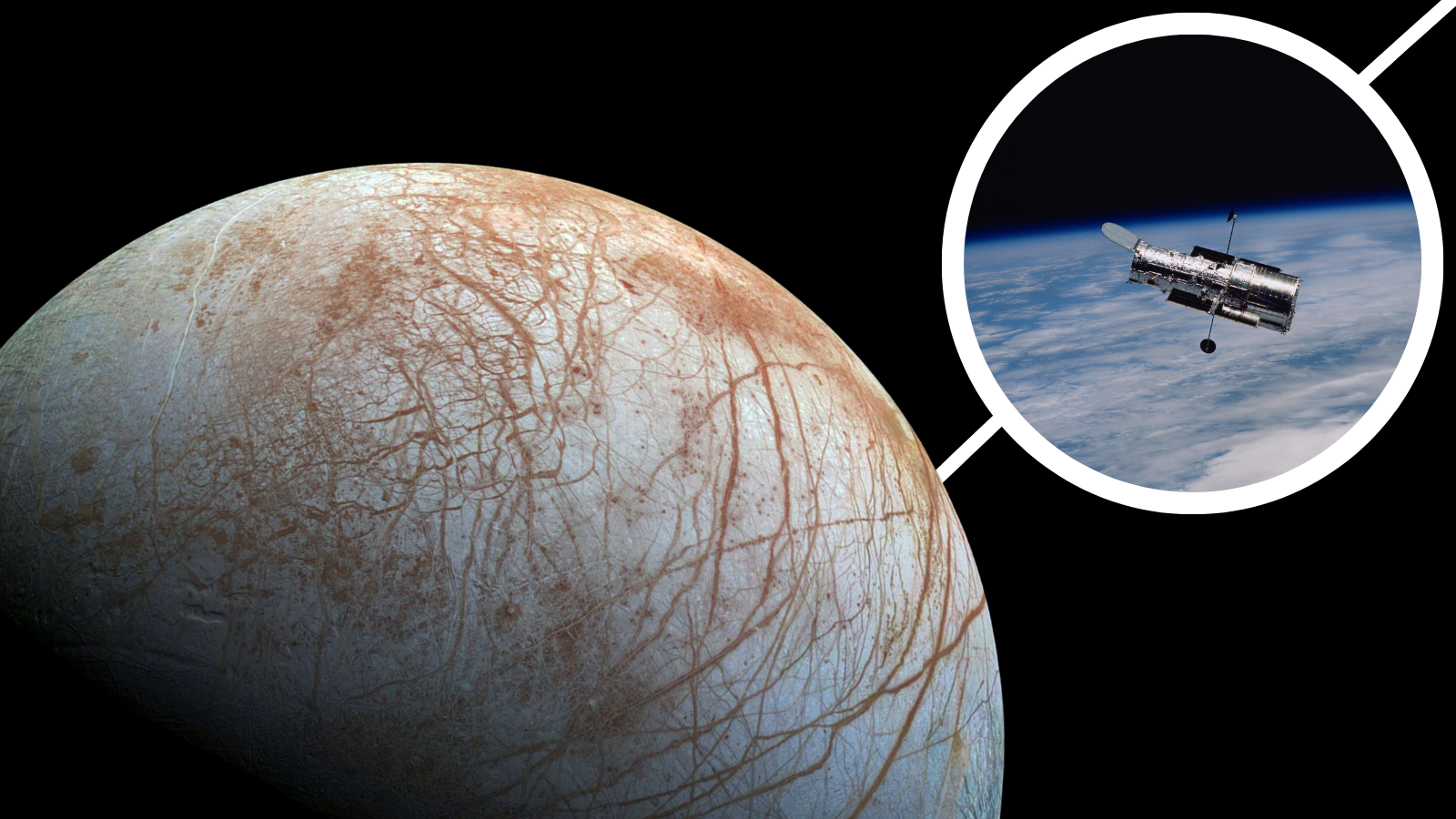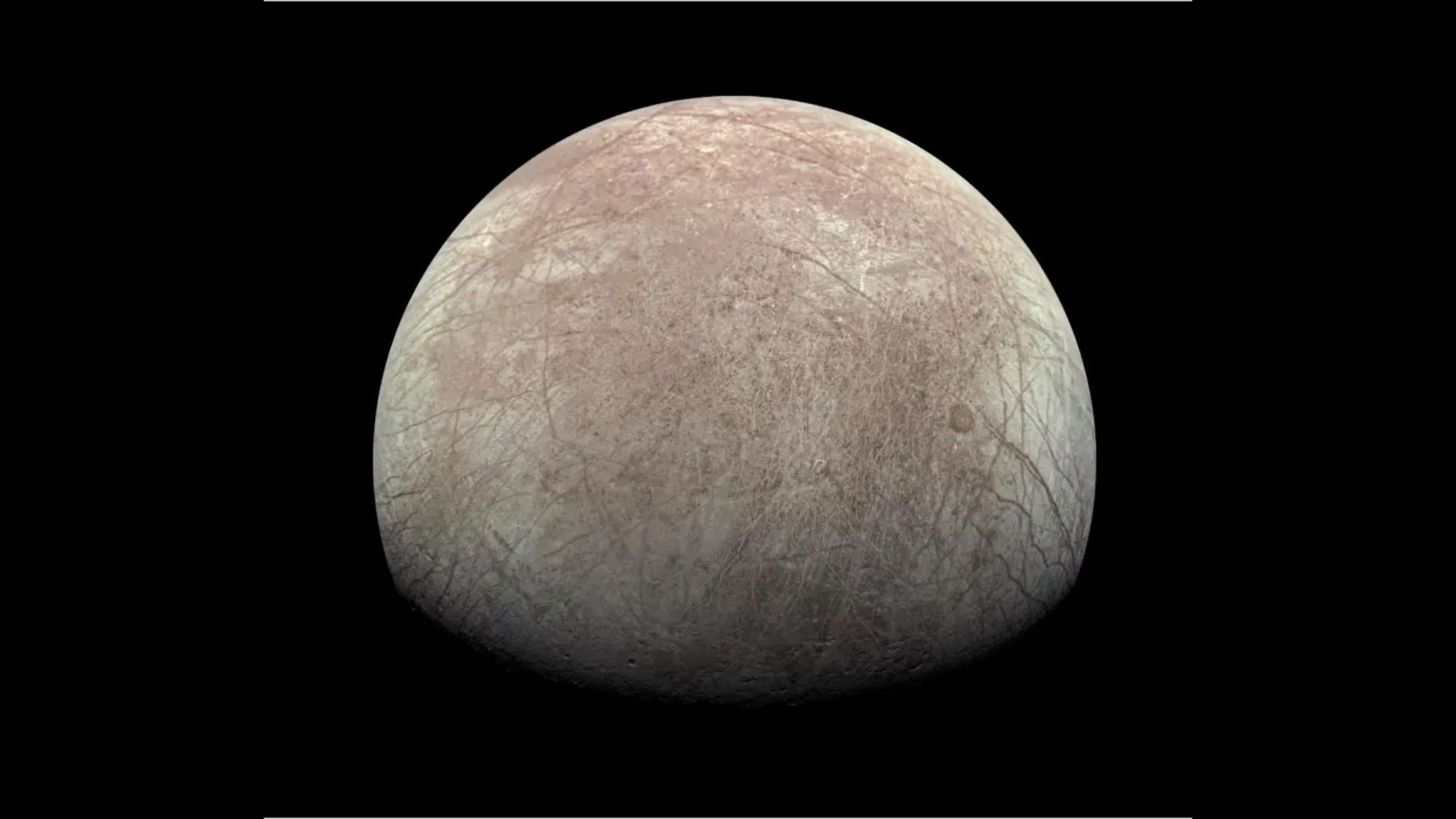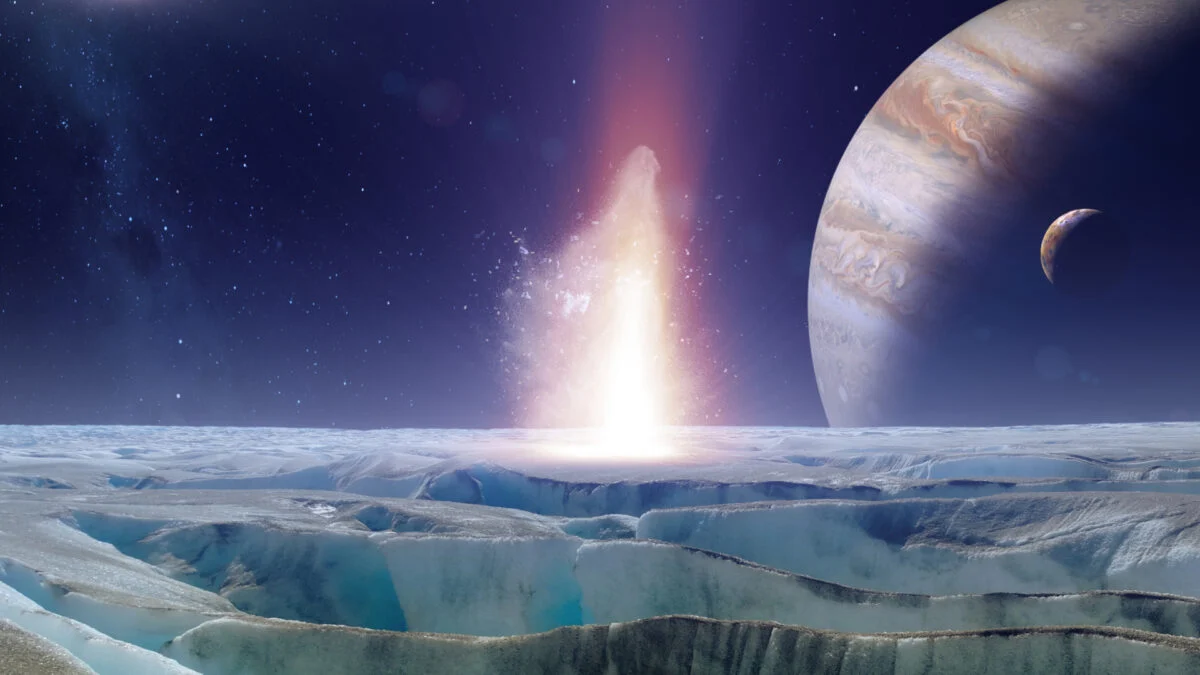
It’s a good time to be a Europa fan—scientists keep announcing new insights into the distant, icy world. And this time, the results come from more than a decade’s worth of radio study of Europa. The findings, presented at the American Astronomical Society’s 248th meeting, suggest that the way Europa’s surface scatters radio waves is distinctly different from those seen on rocky worlds. Overall, the data is consistent with the major radar study of Europa, which took place between the 1980s and the 1990s. However, the latest observations are “more numerous and cover a much broader rotational phase of Europa,” explained Tunhui Xie, a PhD student at the University of California, Los Angeles, who was involved in the work, during the presentation. Distant icy worlds Jupiter, our solar system’s biggest planet, has a whopping 101 moons. But of particular interest to scientists are Europa, Ganymede, and Callisto, which researchers suspect hosts subsurface oceans beneath their icy crusts. Naturally, astronomers have been paying close attention to whatever data they could gather from these moons. As of now, NASA’s Europa Clipper and ESA’s Juice are on their way to study this neighborhood up close. That said, there are only so many geologic features that can tell us about anything much lower than the surface, noted the National Radio Astronomy Observatory (NRAO) in a statement on the findings. And that’s where things like radar come in, Xie added in the NRAO statement, saying that “radio waves can penetrate into the ice and carry information about its internal structure and purity,” added Xie.
Scientists Spent 13 Years Bouncing Radar Off Europa. Here's What They Found
In the most comprehensive radio study of Europa thus far, astronomers bolster what's already known about the icy moon, and then some.
431 words~2 min read