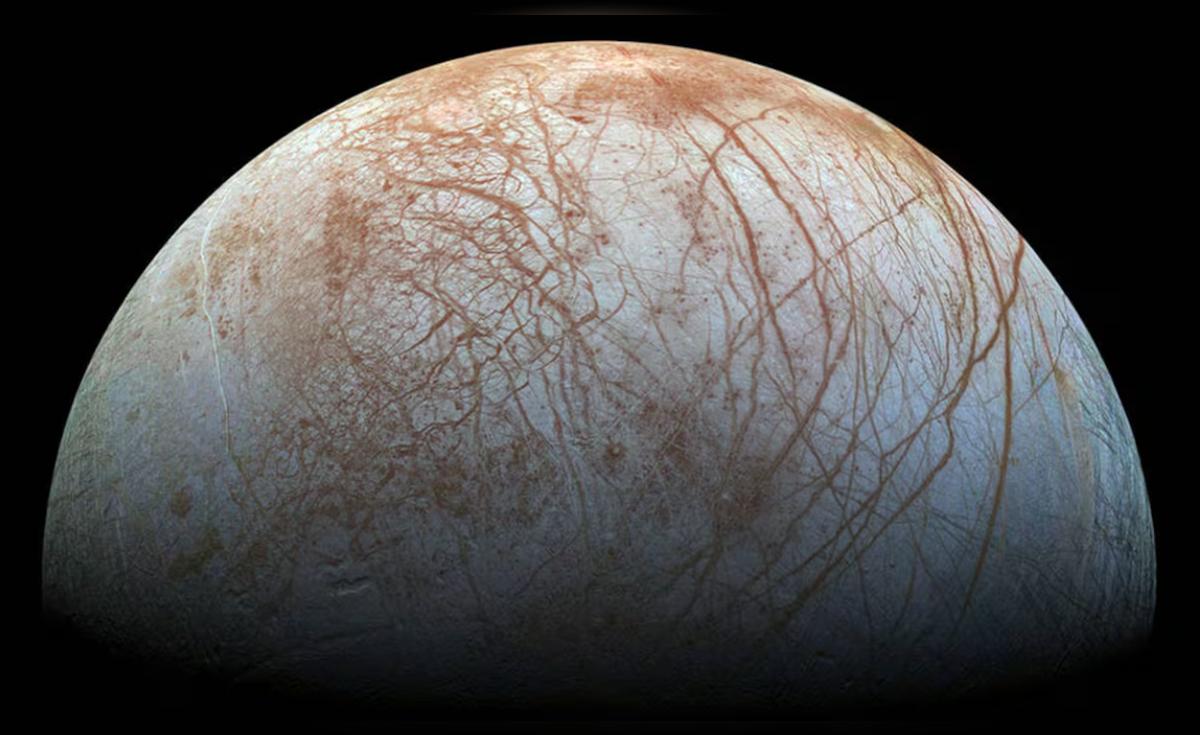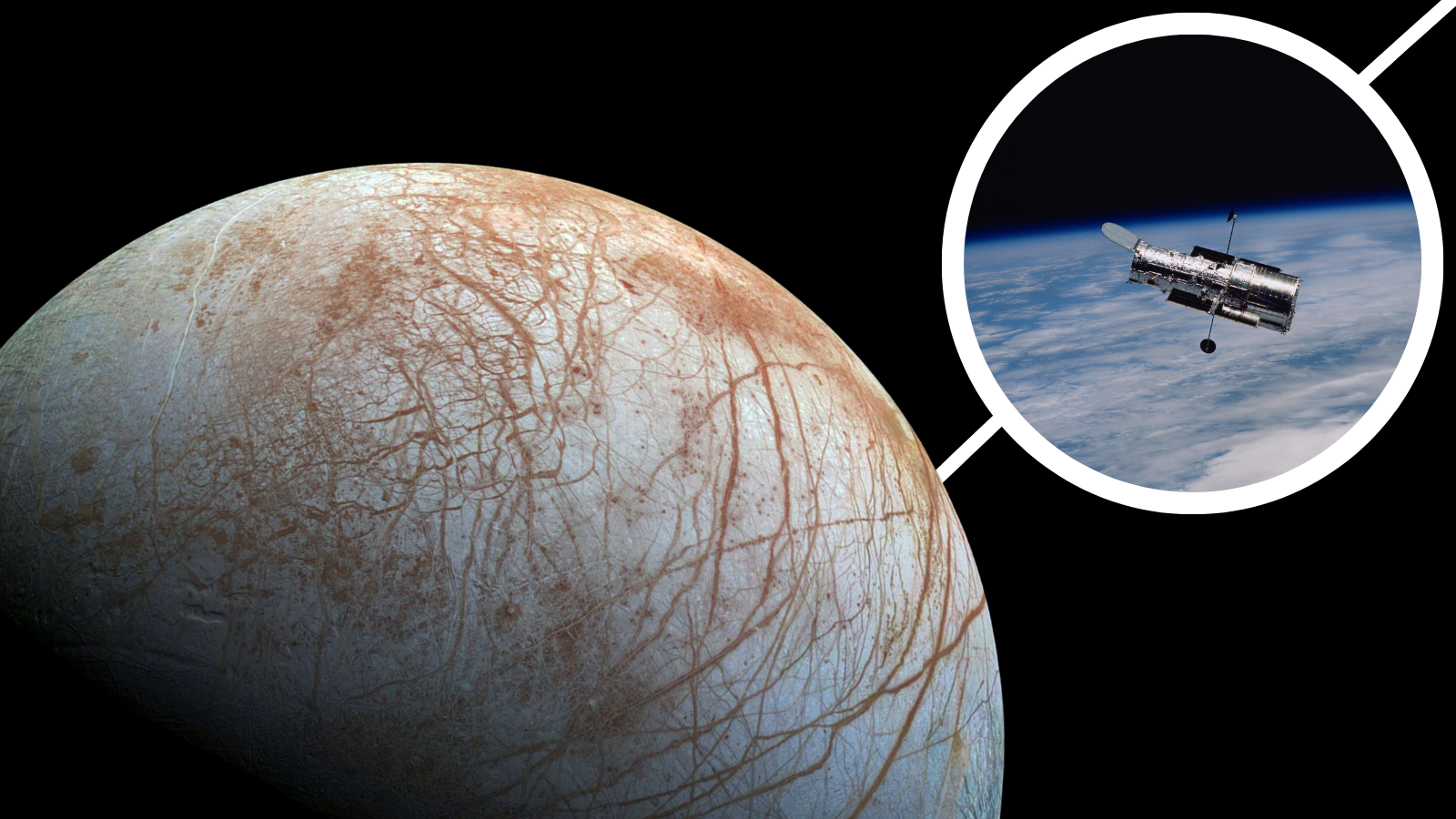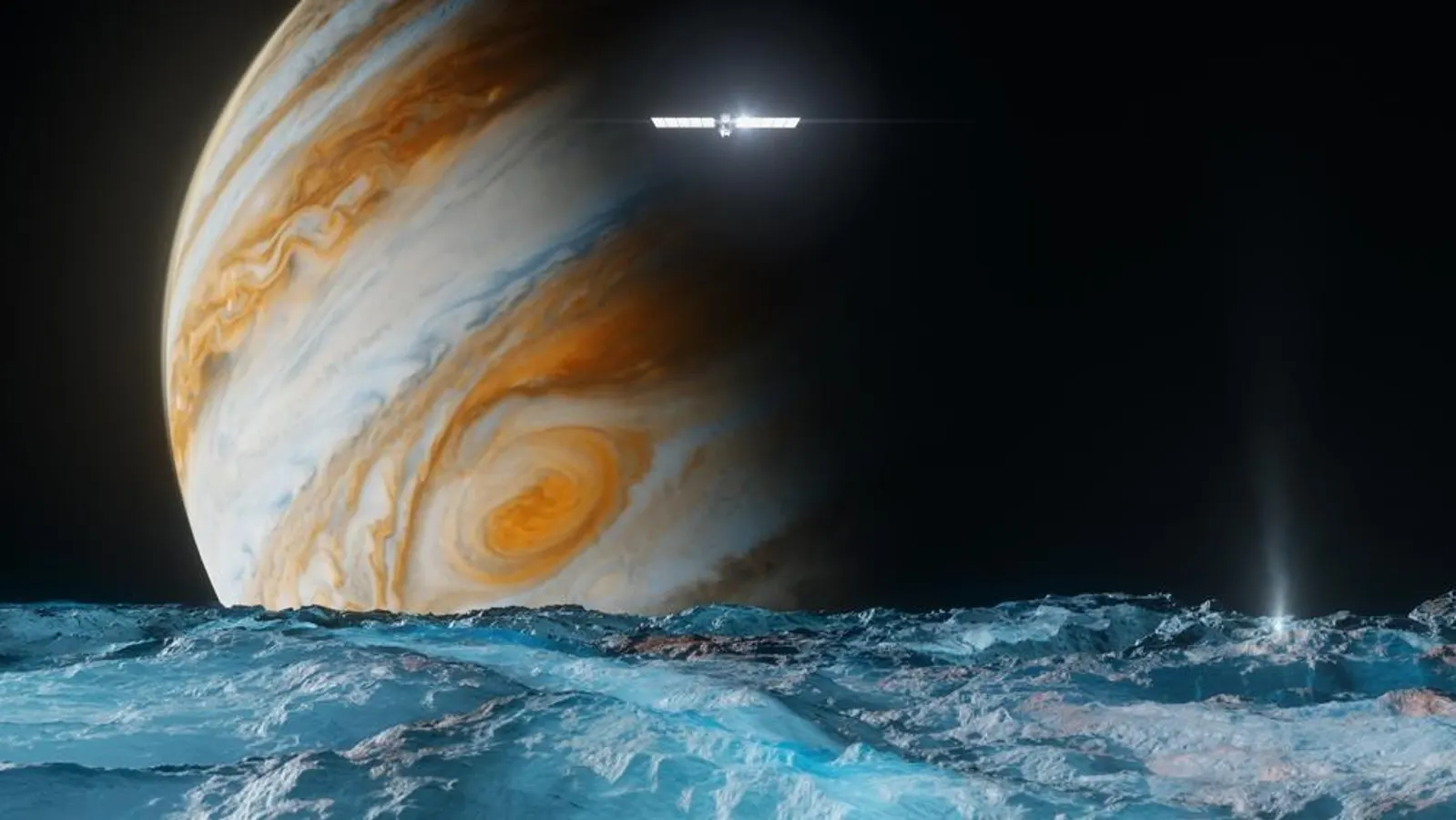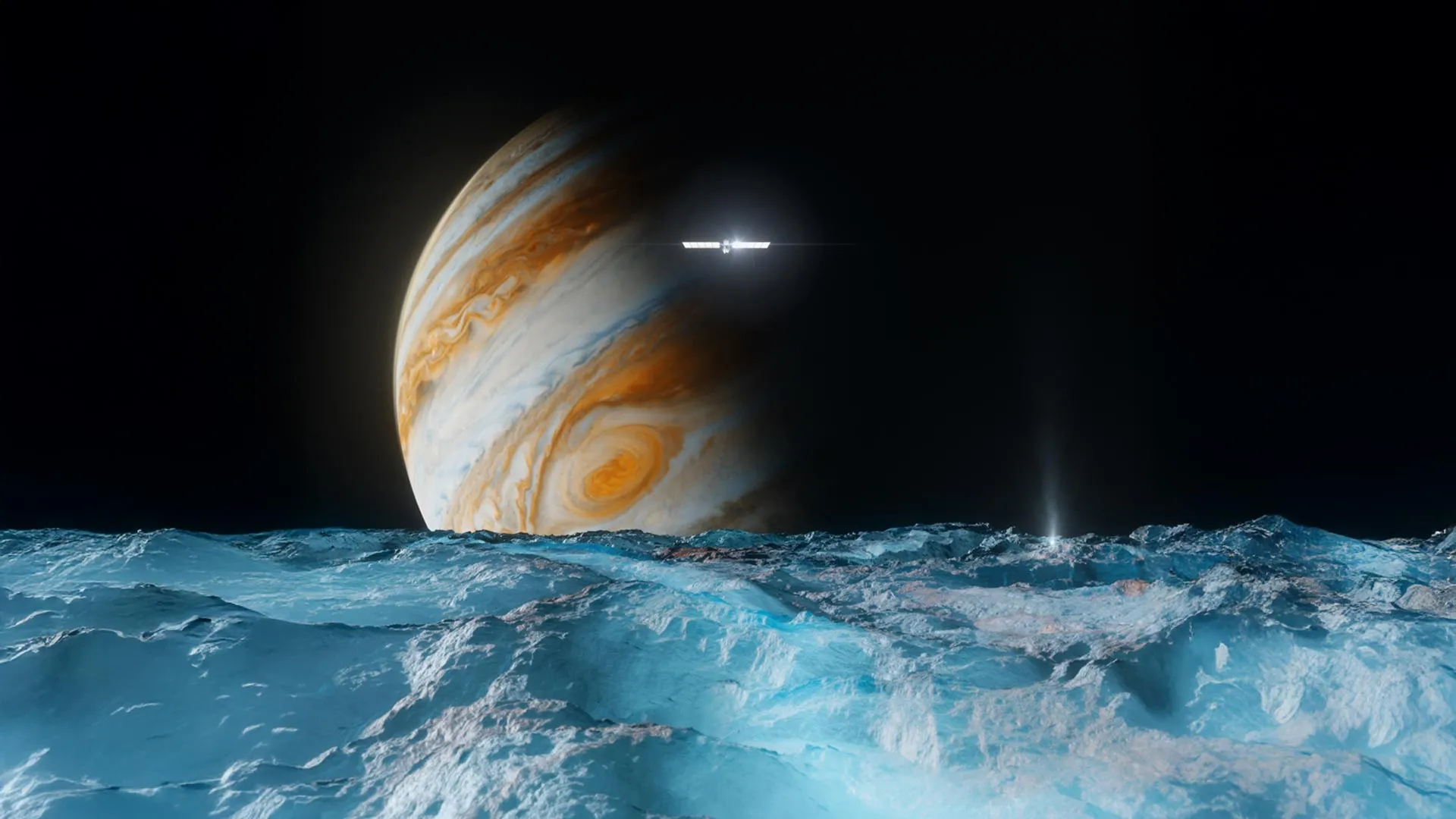
Europa has captivated scientists for decades because a vast ocean of liquid water may be concealed beneath its frozen surface.
That buried sea has made Jupiter's icy moon one of the most promising places in the solar system to investigate whether conditions suitable for life might exist beyond Earth. However, new research led by Rutgers scientist Lujendra Ojha indicates that reaching material from Europa's deep ocean may be much more difficult than previously believed.
Testing a Possible Route Through Europa's Ice
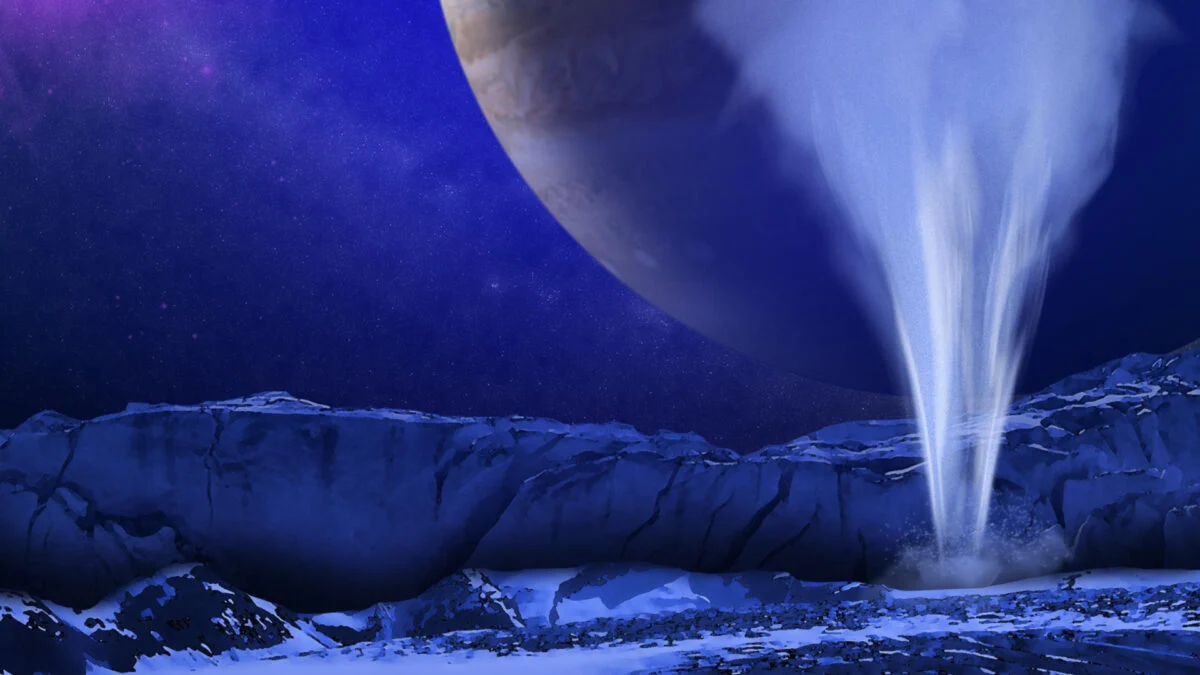
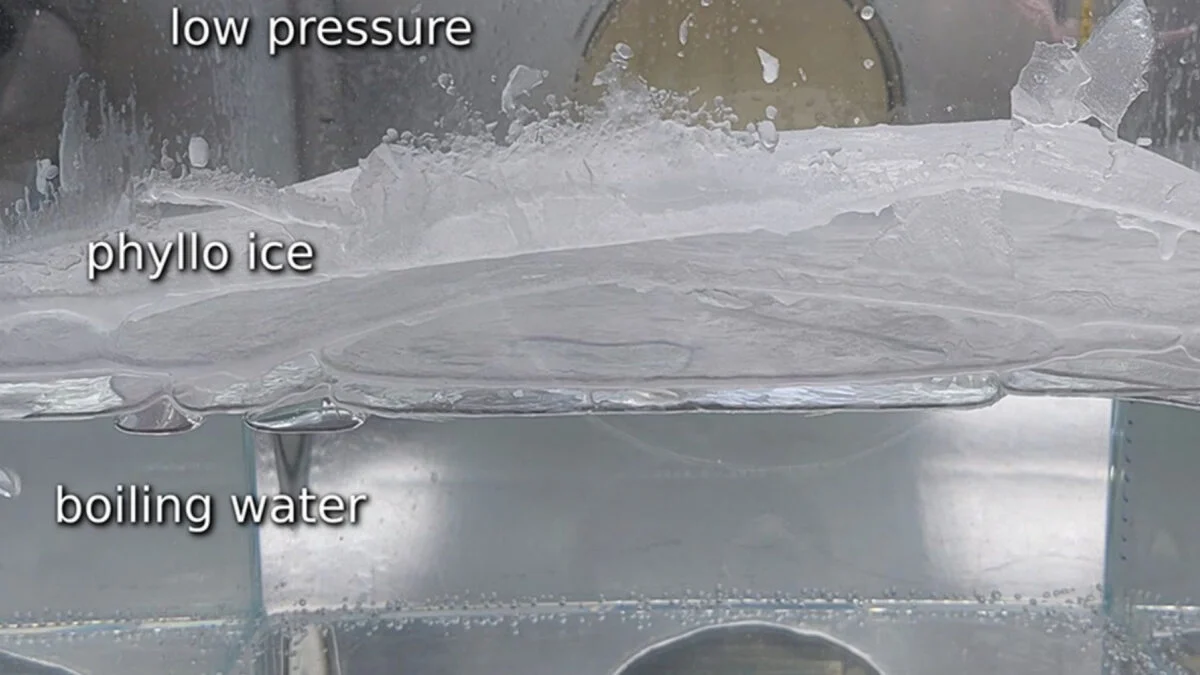
In a study published in Nature Astronomy, Ojha and his colleagues used computer simulations to examine whether water from Europa's global ocean could travel upward through fractures in the ice and accumulate in shallow underground reservoirs. If such pockets exist, future spacecraft could potentially detect or sample them more easily than the ocean far below.
"The mystery we wanted to solve was whether this journey is actually possible," said Ojha, an associate professor in the Department of Earth and Planetary Sciences at the Rutgers School of Arts and Sciences. "Can liquid water rise from Europa's deep ocean toward the surface without freezing along the way?"