view more
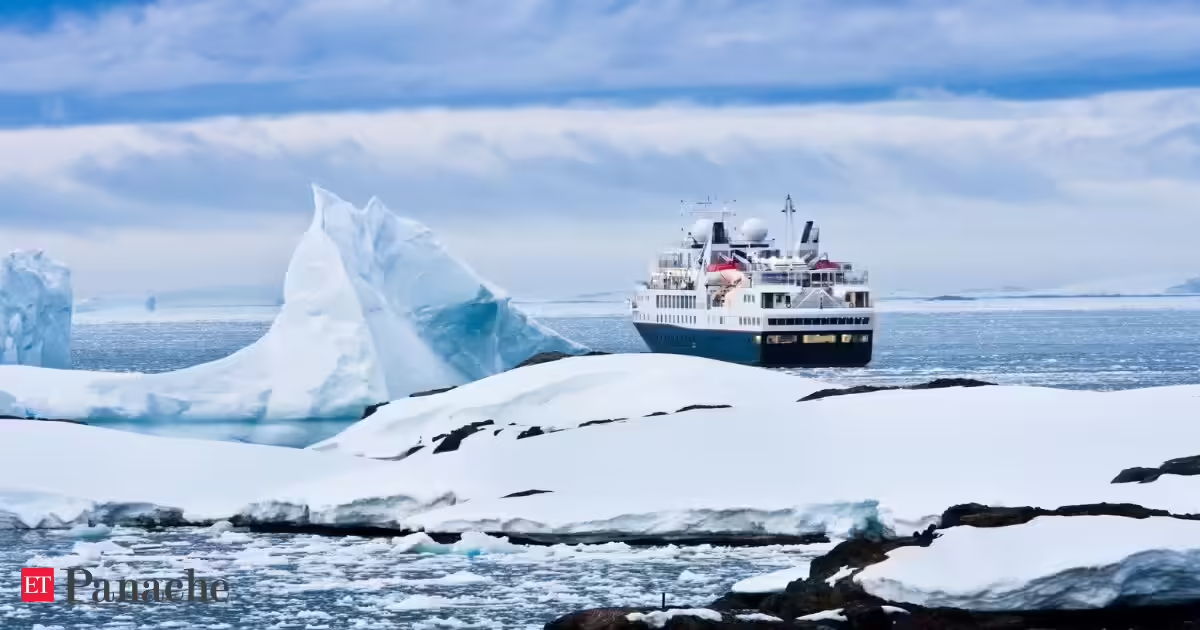
A study led by South African scientists reveal that during winter the sea-ice around Antarctica harbors a reservoir of microbes of which most have one thing in common – the ability to produce and breakdown a compound known to protect organisms in extreme environments.
The compound, known as DMSP (dimethylsulfoniopropionate), is one of Earth’s most abundant organic sulfur compounds in the marine environment. Apart from its ability to protect organisms against environmental stressors, its degradation yields dimethylsulfide (DMS) and methanethiol (MeSH) which are important climate-cooling gases.
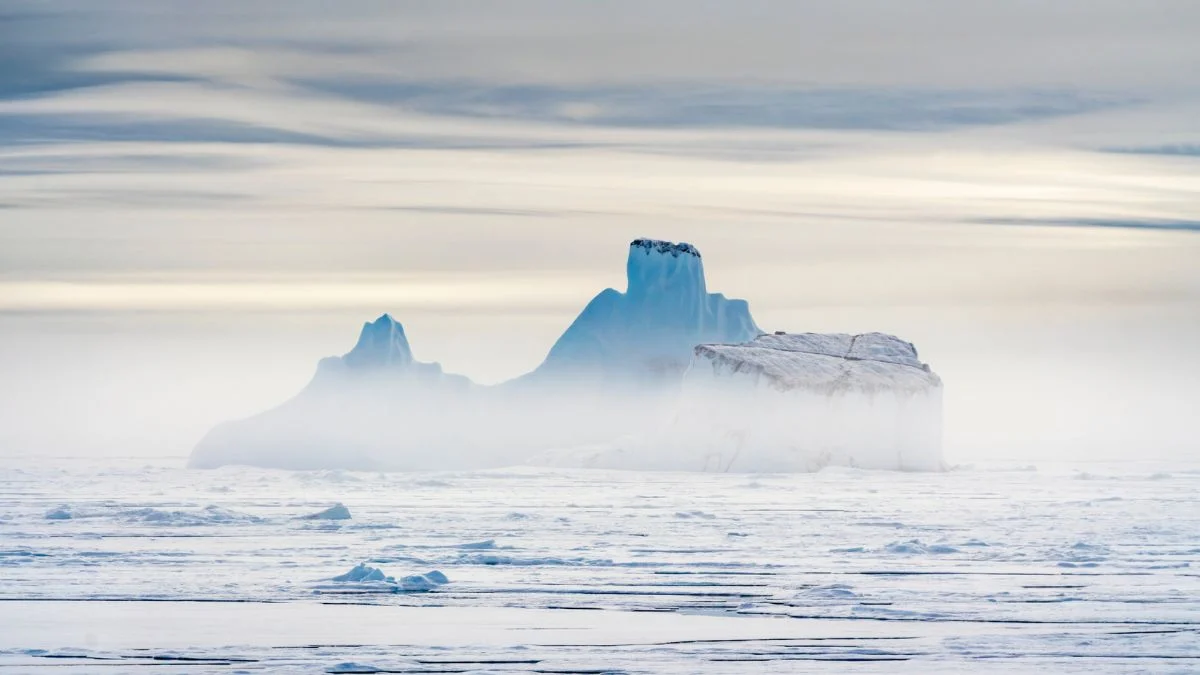
In polar regions, however, the role of DMSP remains understudied. In the case of the Southern Ocean, sea ice has until recently been considered an inhospitable environment whose microbial communities contribute little to the ecology of the polar region.
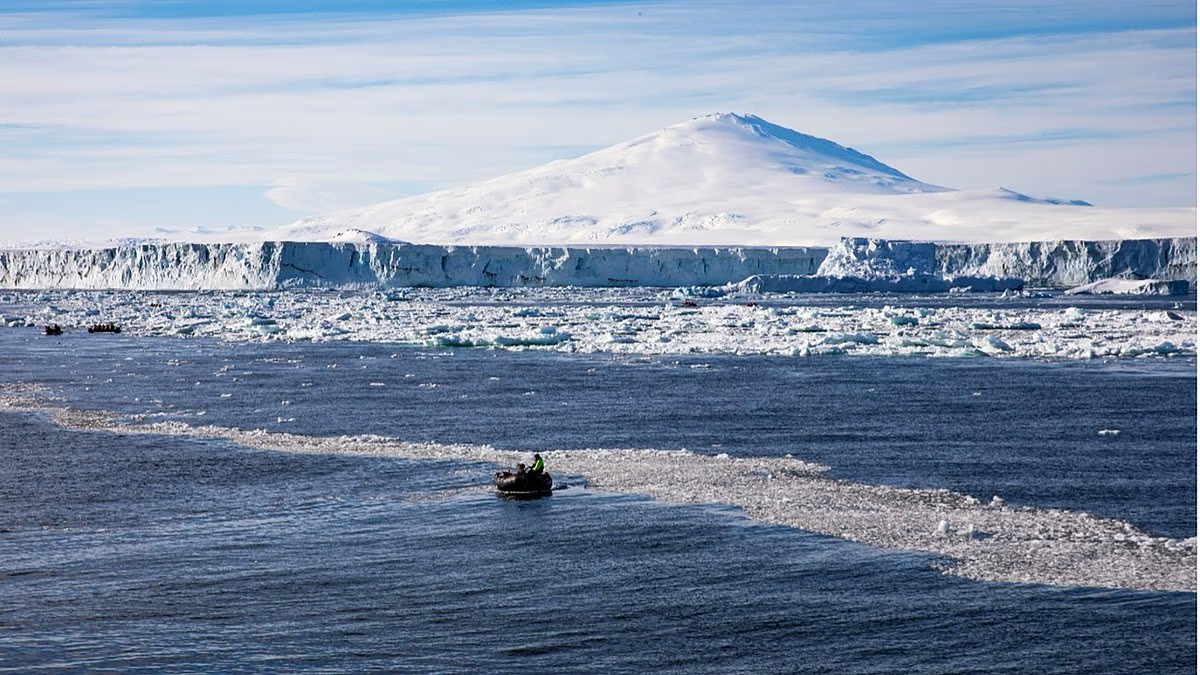
In a new study published in Nature Communications today (18 June 2026), scientists reveal up to 38-fold higher DMSP concentrations in Southern Ocean sea-ice versus the surrounding seawaters during the Southern Ocean austral winter. This finding matters because at its maximum in September, the ice extends to cover about 20 million km2 encircling the Antarctic continent in a 400 to 1 900-km wide ring of ice.