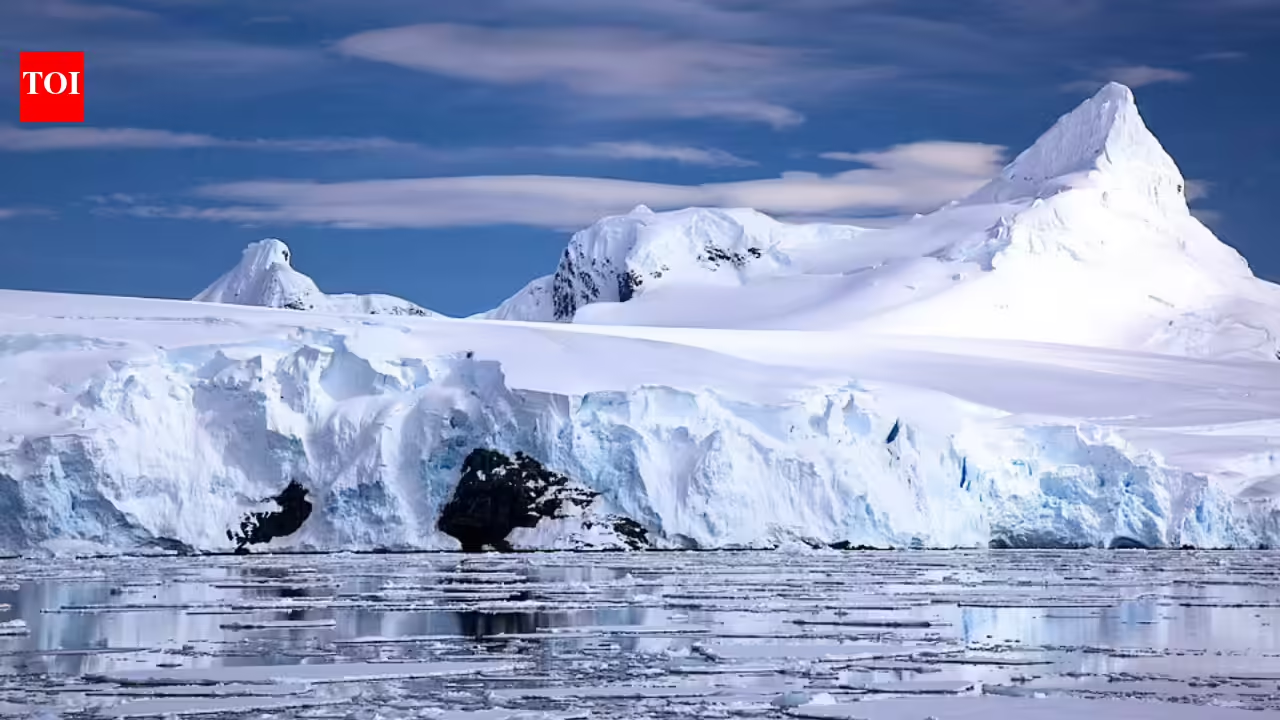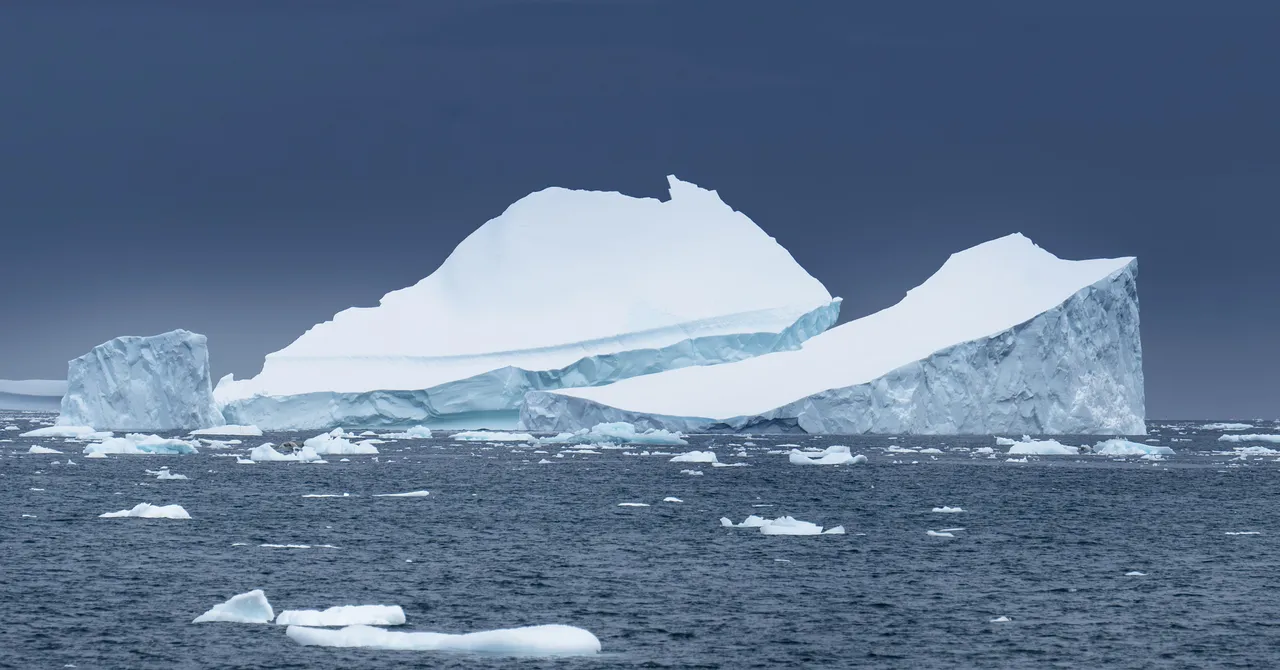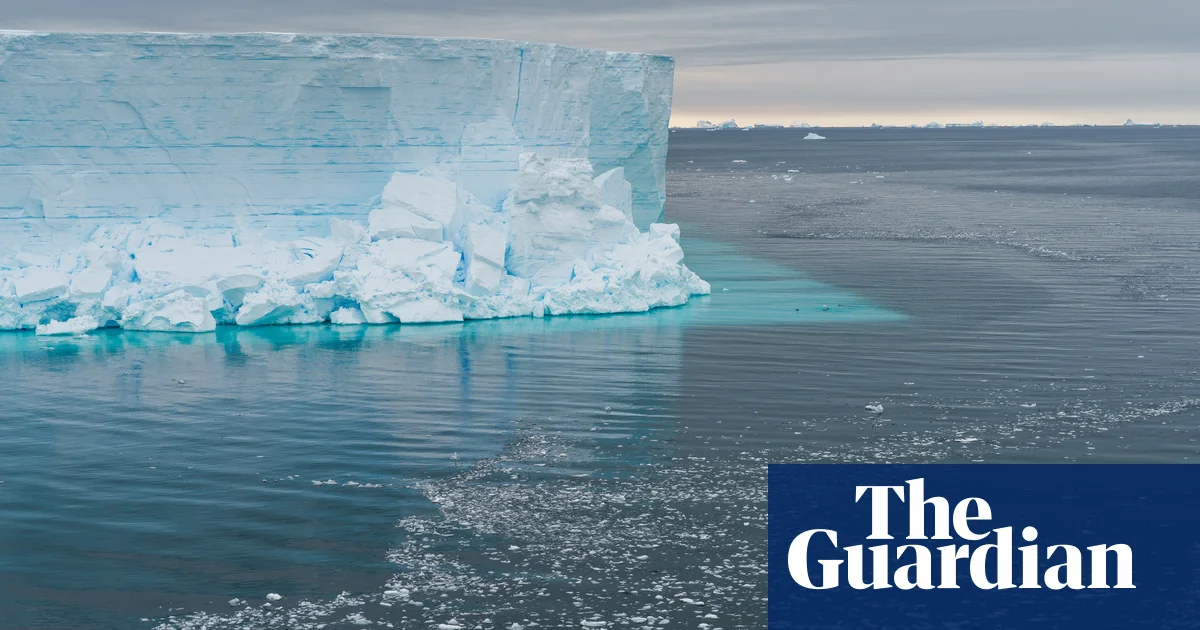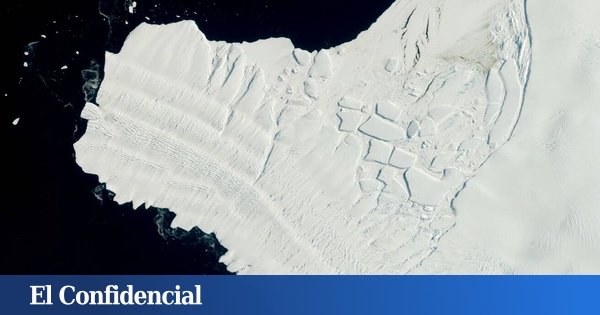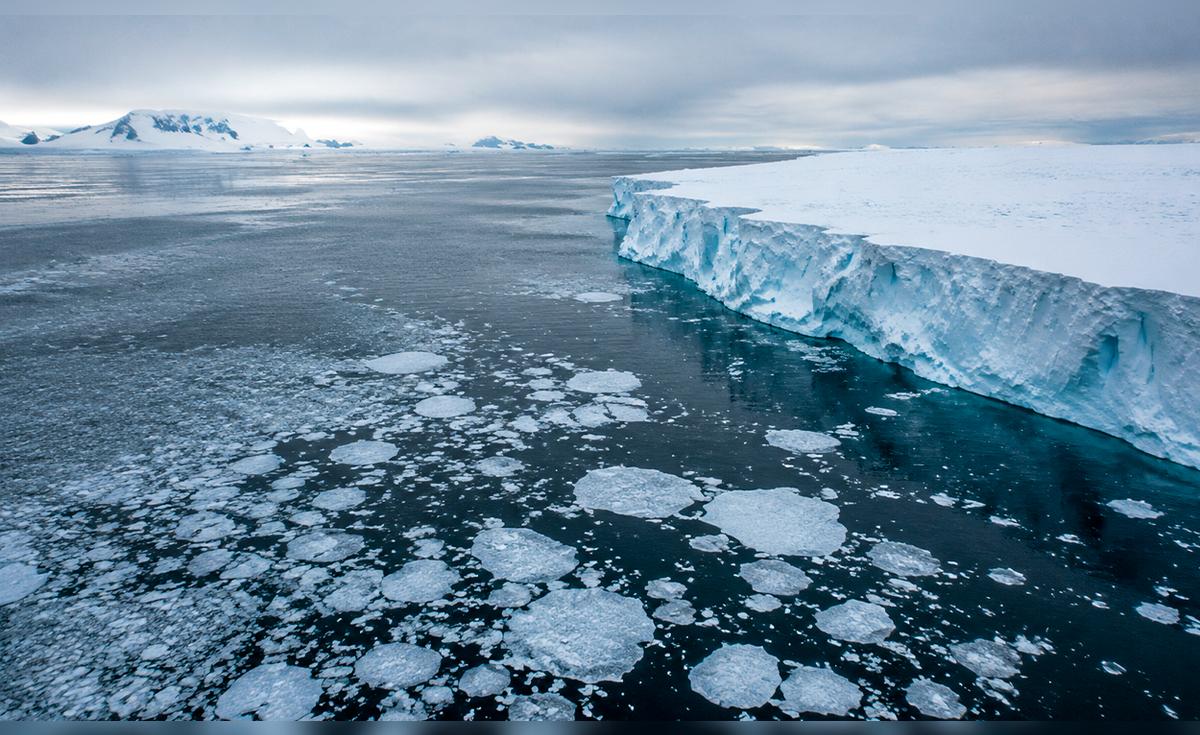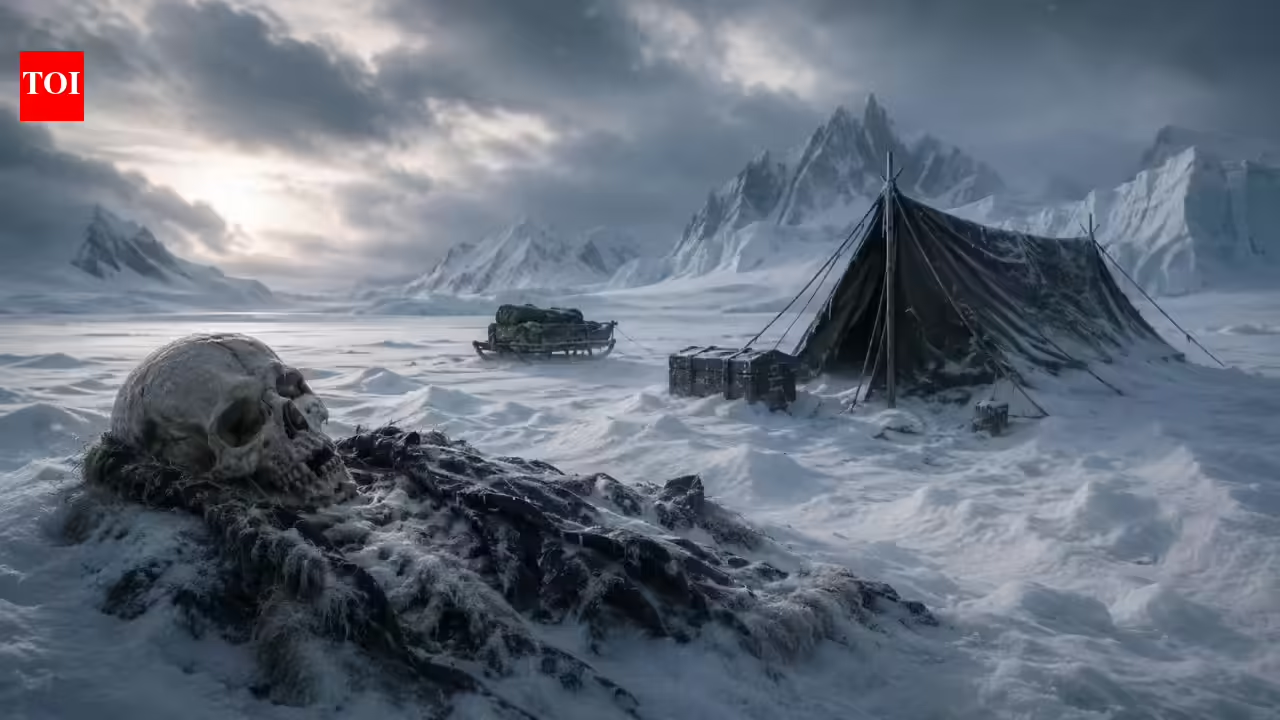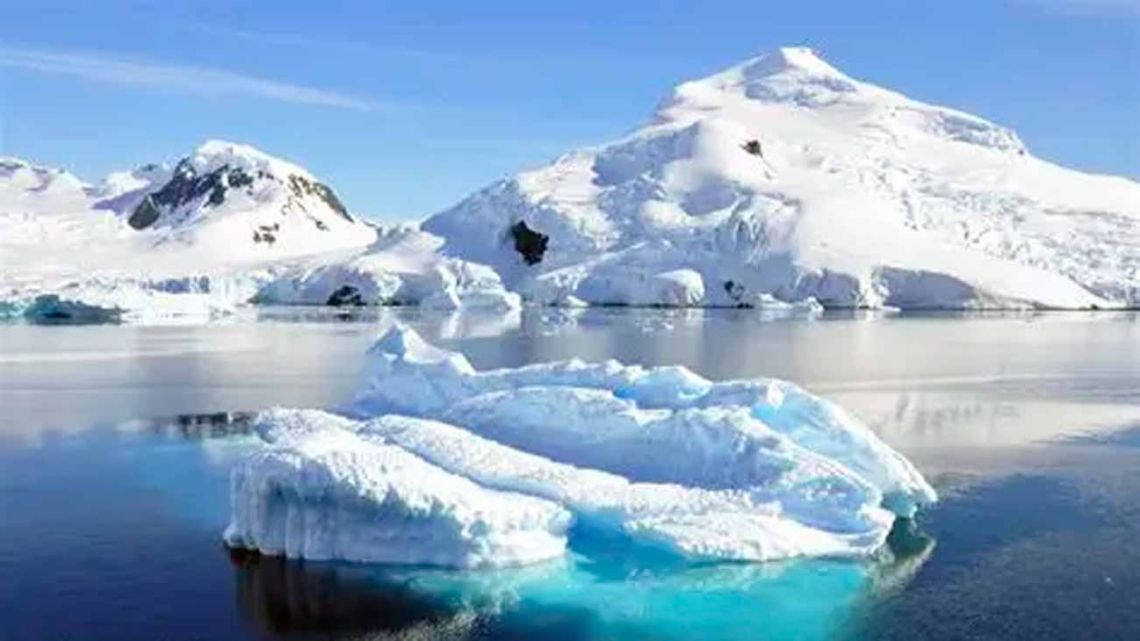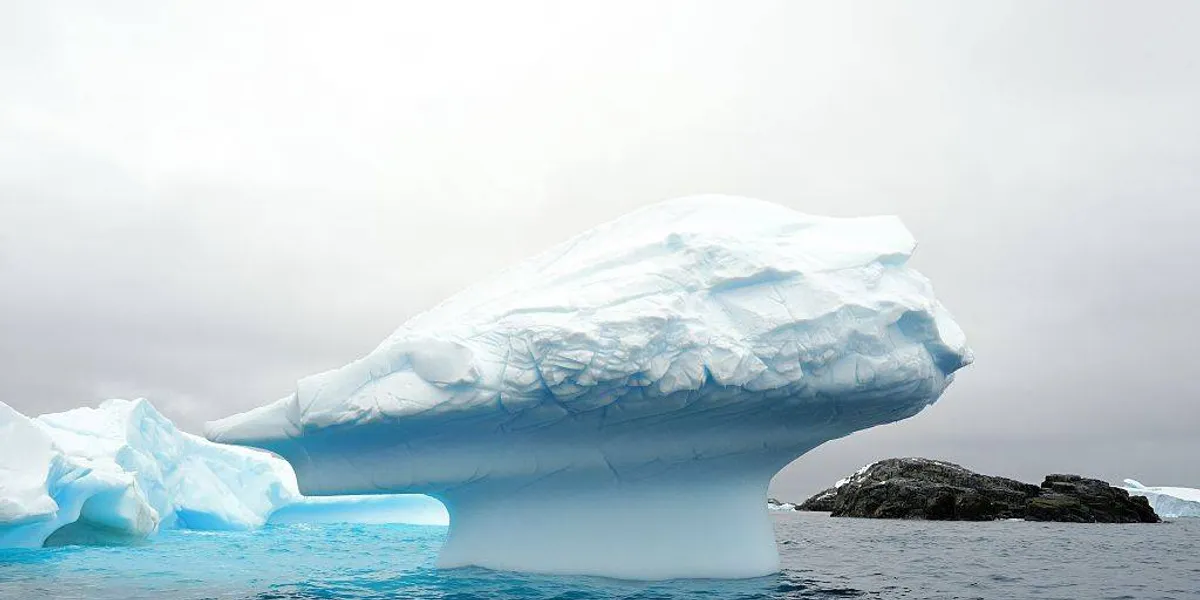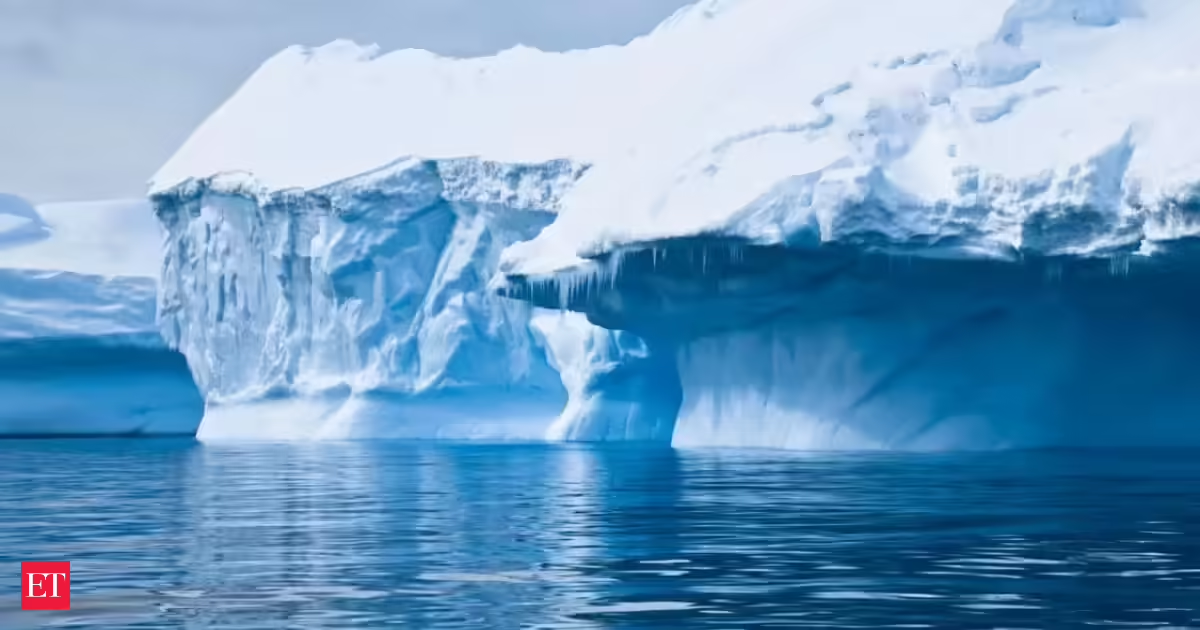
When people hear about ice disappearing in Antarctica, they usually imagine summer. The latest concern is unfolding in the middle of winter.Across the Bellingshausen Sea, a region off West Antarctica that would normally be steadily freezing over at this time of year, scientists are seeing something they did not expect: open ocean.Satellite data indicates that around 650,000 square kilometres of sea ice have failed to form in the area compared with long-term averages. That's more territory than France occupies on a map.For researchers who spend their careers watching Antarctica's seasonal rhythms, the timing is what stands out.Winter is supposed to be the recovery period.Instead, one of Antarctica's major sea-ice regions appears to be falling behind.The season and the scenery are not matching upEvery year, Antarctica undergoes a dramatic transformation.As temperatures plunge, sea ice spreads outward from the continent, eventually covering millions of square kilometres of surrounding ocean. By September, the frozen layer reaches its annual maximum before retreating again during warmer months.June is typically part of that expansion phase.Yet recent satellite images from the Bellingshausen Sea show large stretches of dark water where scientists would normally expect to see a growing blanket of white ice."It is remarkable that we are in June and there is no sea ice there," Antarctic sea-ice researcher Dr Will Hobbs said while reacting to the latest observations.His assessment of the situation was equally direct."I'm concerned. It's depressing."Then came the heatAs scientists examined the missing ice, another unusual signal emerged from Antarctica.At Argentina's Esperanza research station on the Antarctic Peninsula, temperatures recently climbed to 15.4°C, breaking the station's previous June record.For a location where average daytime temperatures in early June are usually well below freezing, the reading stood out immediately.Meteorologists described it as an extreme temperature event, with conditions running more than 20°C above seasonal norms.The figures do not mean Antarctica suddenly became warm in the way most people understand warmth. What they do show is that parts of the continent experienced temperatures dramatically different from what is normally expected at this point in winter.Scientists are looking beyond a single yearOne unusually warm spell does not rewrite Antarctica's climate story.Neither does one season of low sea ice.What has researchers paying closer attention is repetition.According to Hobbs, exceptionally low sea-ice conditions have appeared in the Bellingshausen Sea multiple times in recent years. The latest deficit marks the third major low-ice event in four years.That pattern is making it harder for scientists to dismiss the changes as simple year-to-year variability.Researchers are now examining whether warmer oceans, changing winds and broader climate shifts are working together to alter how sea ice forms in the region.Why open water worries scientistsAt first glance, a missing patch of floating sea ice may not sound as alarming as a collapsing glacier.But sea ice plays a surprisingly important role.It acts as a reflective shield, bouncing sunlight back into space. It helps separate the ocean from the atmosphere. It also serves as a protective barrier in front of some of Antarctica's most vulnerable ice shelves.When that shield disappears, more heat can be absorbed by the ocean, creating conditions that favour further warming.Scientists worry this can trigger a cycle in which less ice leads to more heat absorption, which then makes future ice growth more difficult.The effects do not stop with the iceThe Bellingshausen Sea sits near some of Antarctica's most closely watched glaciers, including Thwaites and Pine Island, both of which have been linked to long-term sea-level rise.But the changes could also ripple through the region's ecosystem.Sea ice supports microscopic algae that help sustain Antarctic food webs. Those organisms feed krill, which in turn support penguins, seals, whales and seabirds.Researchers studying emperor penguins have already documented how unstable sea-ice conditions can affect breeding colonies. In recent years, some colonies have suffered major losses after ice broke apart before chicks were ready to survive in the water.For wildlife, the concern is not simply whether ice exists, but whether it forms in the right places and remains long enough for species that depend on it.A question scientists are still trying to answerFor decades, Antarctica appeared to defy the trend seen in the Arctic, where sea ice has steadily declined.That distinction has become increasingly blurred.Researchers are careful not to draw sweeping conclusions from a single winter event. Antarctica remains a complex system influenced by oceans, winds and natural climate variability.Yet the image of a France-sized area of missing winter sea ice is difficult to ignore.The question scientists are now trying to answer is whether this is a temporary disruption in Antarctica's seasonal cycle—or an early glimpse of what that cycle may look like in the future.(With TOI inputs)
Antarctica is in the middle of winter right now. Scientists are worried about a France-sized stretch of ocean where ice is failing to form
Winter is the season when Antarctica's frozen edge usually expands. This year, one part of the continent is doing the opposite. Scientists have identified a vast stretch of ocean that remains largely ice-free despite being deep into the Antarctic winter, while temperatures in parts of the region recently climbed more than 20°C above seasonal averages.
770 words~4 min read