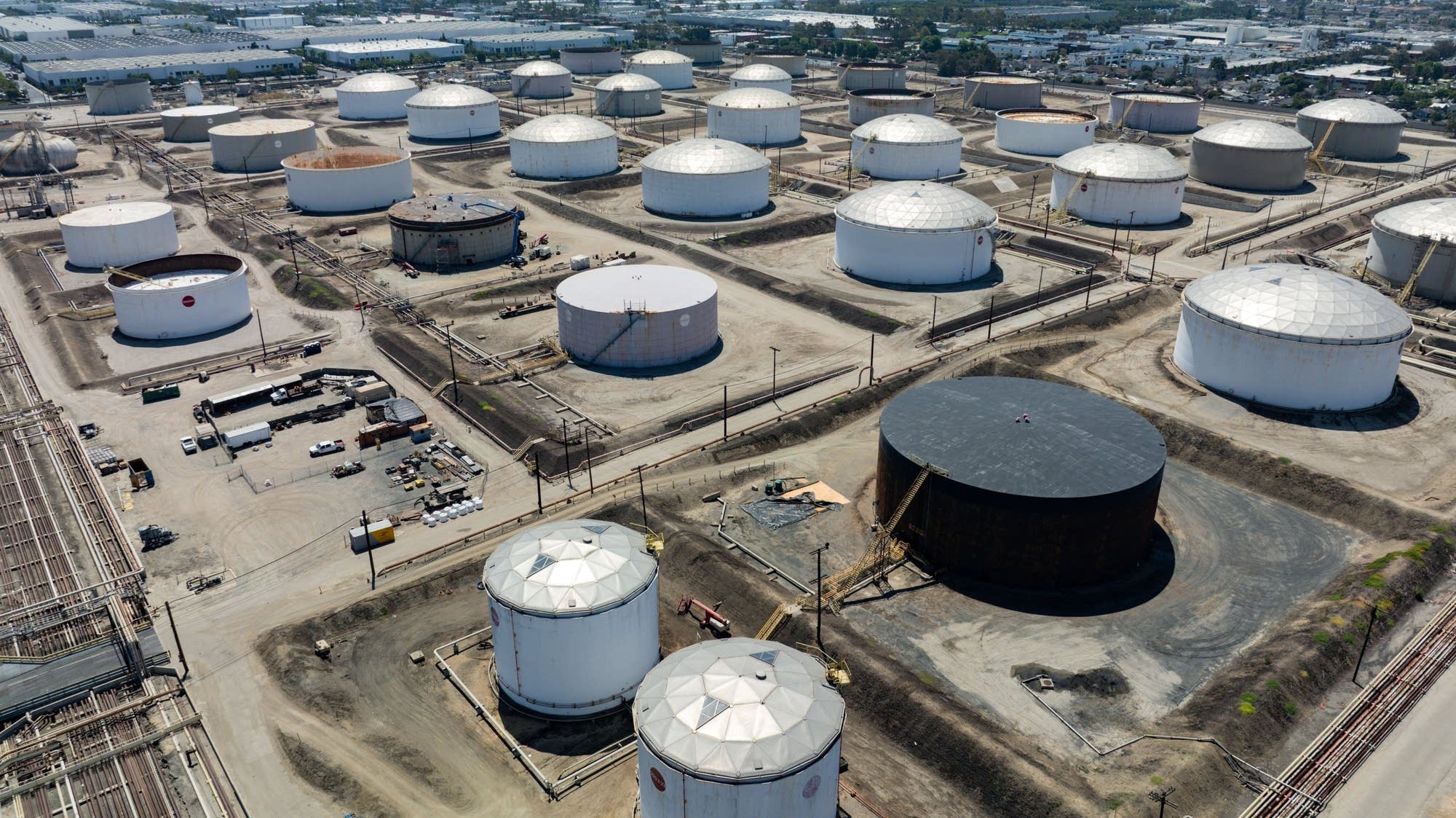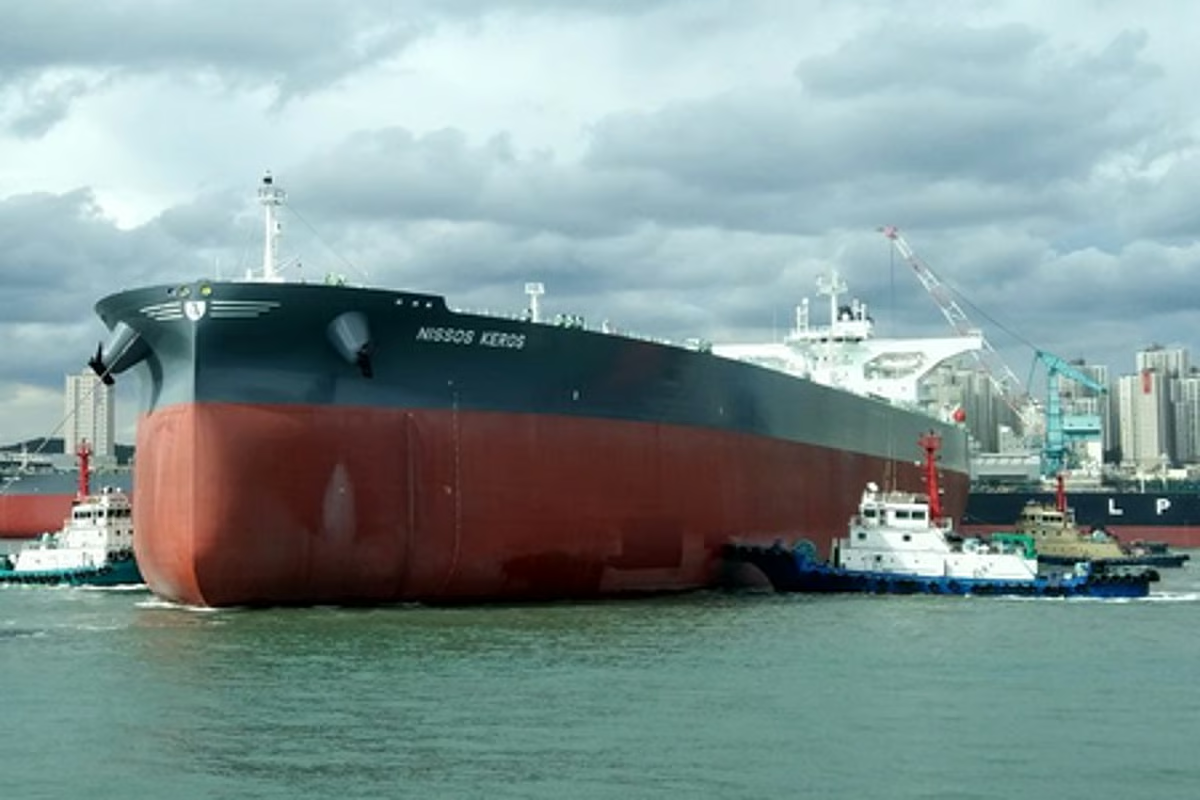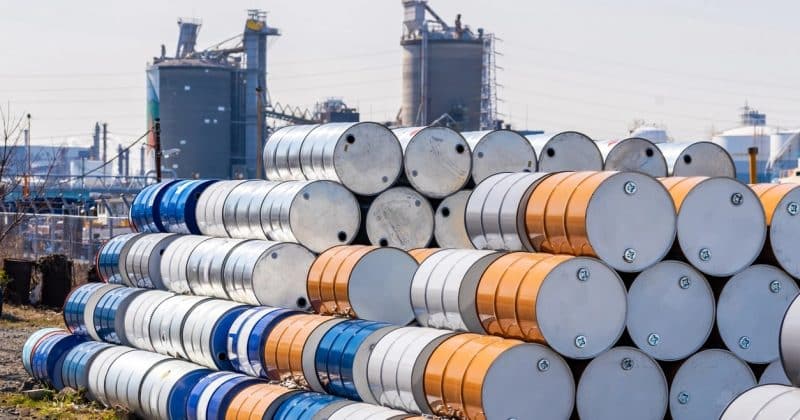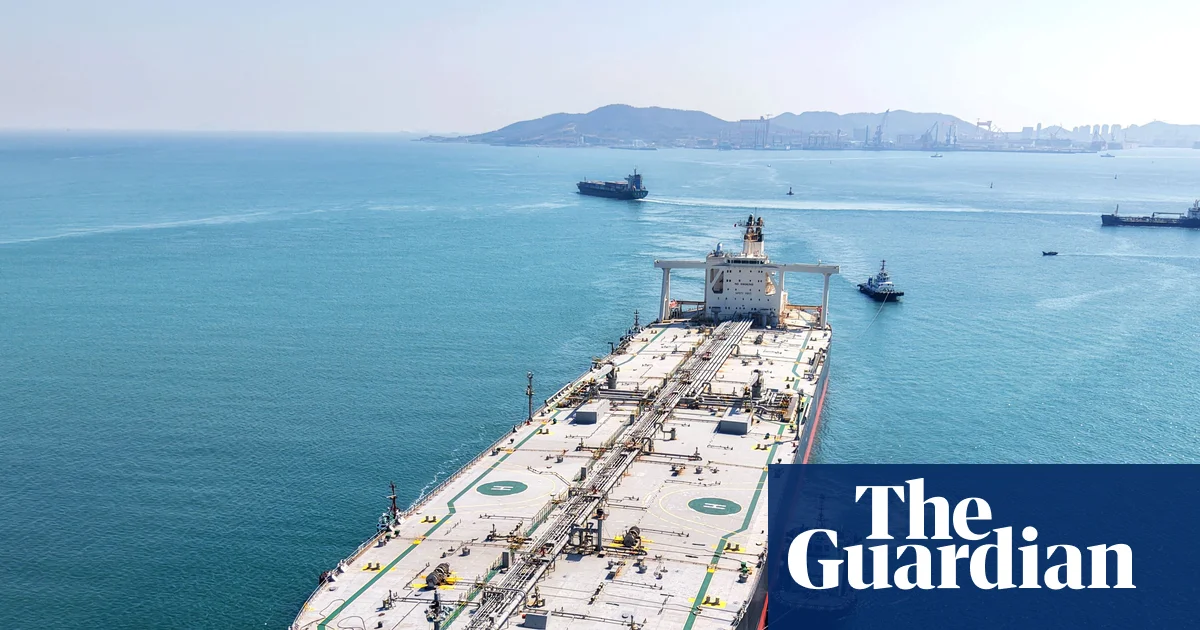
Oil traders have gone from pricing in the worst supply disruption in modern history to pricing in a recovery that hasn't happened yet.Inventory data suggests they’re getting ahead of themselves.Brent crude fell below $77 per barrel on Thursday, the lowest level since the early days of the Middle East war, after the United States and Iran signed a memorandum of understanding aimed at reopening the Strait of Hormuz and launching 60 days of negotiations toward a broader agreement.The market's verdict was immediate: sell first, ask questions later.Since peaking above $100 per barrel in May, Brent has shed more than 25% as traders unwind geopolitical risk premiums and bet that millions of barrels of Middle Eastern crude will soon return to global markets. On Thursday at 11:44am ET, Brent futures were trading at $76.71 (-3.57%).But oil market fundamentals aren’t nearly as convinced.Analysts from Argus Media, Goldman Sachs, Energy Aspects, Vortexa, Kpler, and even the IMF have all issued versions of the same warning this week: reopening Hormuz is not the same thing as restoring normal oil flows.Tankers still need insurance. Shipping companies remain cautious. Mines still need to be cleared. Production shut-ins across the Gulf cannot simply be reversed overnight.Oil inventories continue to shrink.The International Energy Agency estimates global stocks have been drawing at a rate of nearly 4 million barrels per day since the war began in late February. U.S. crude inventories have fallen sharply in recent weeks (50+ million barrels over 9 weeks), while storage levels at Cushing are hovering at a level that most analysts think is an operational minimum.That reality helps explain why some analysts believe the market has become oversold.Even the most bearish forecasts for next year assume a gradual return of supply, not an immediate flood. And countries that spent months draining strategic and commercial inventories will eventually need to replace those barrels. This is the reality of the actual market—not the virtual one driven by trades.The market appears to be treating a preliminary agreement as if it were a completed recovery plan. The physical market is still waiting to see it.By Julianne Geiger for Oilprice.comMore Top Reads From Oilprice.comECB: Iran Peace Deal Won't Erase Europe's Energy Price ShockFalling Murban and Dubai Prices Open Arbitrage to U.S. and EuropePoland Moves To Tax Fuel Windfalls Earned During Iran War
Oil Prices Are Crashing. Inventories Tell A Different Story. | OilPrice.com
Oil traders have gone from pricing in the worst supply disruption in modern history to pricing in a recovery that hasn't happened yet.
383 words~2 min read