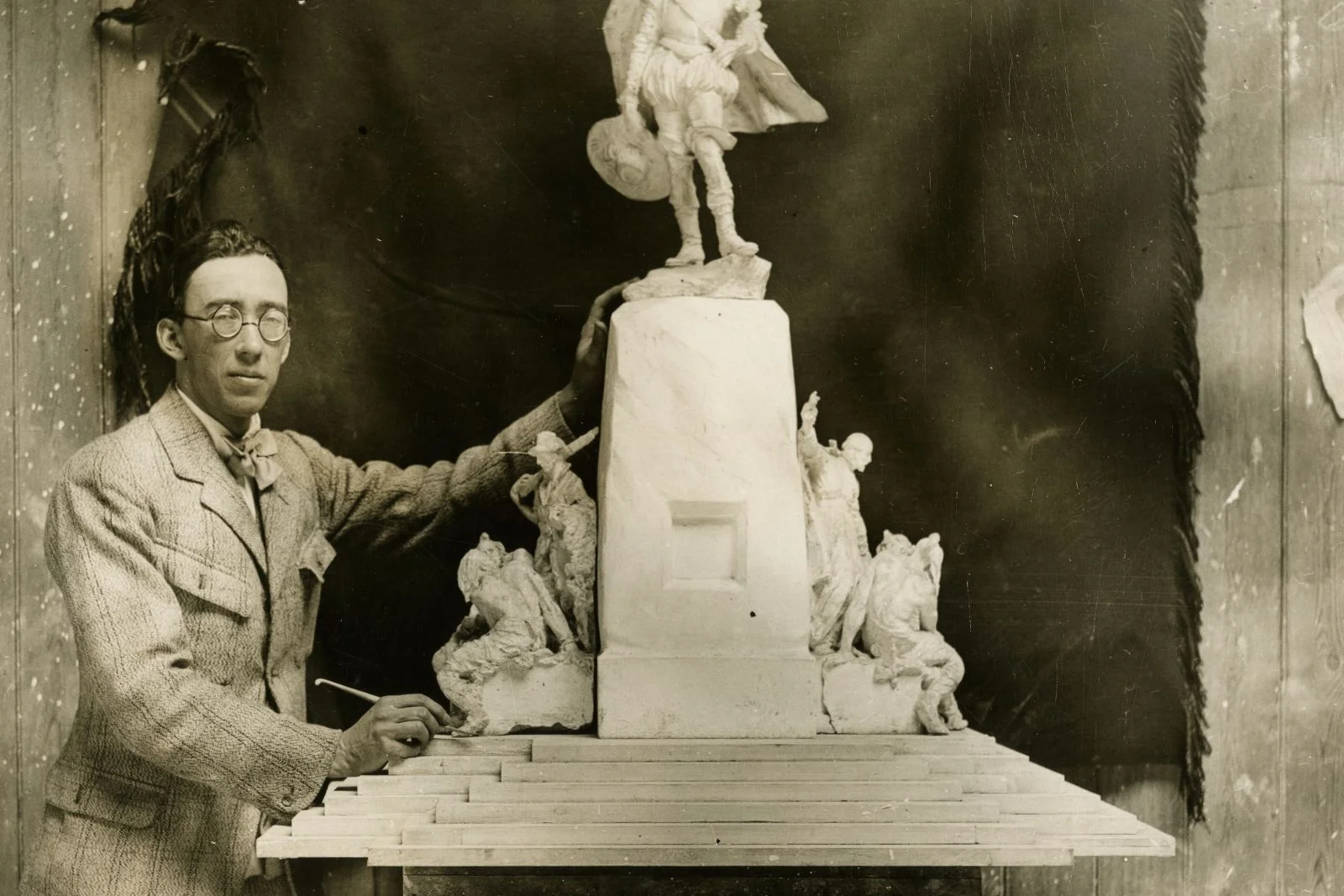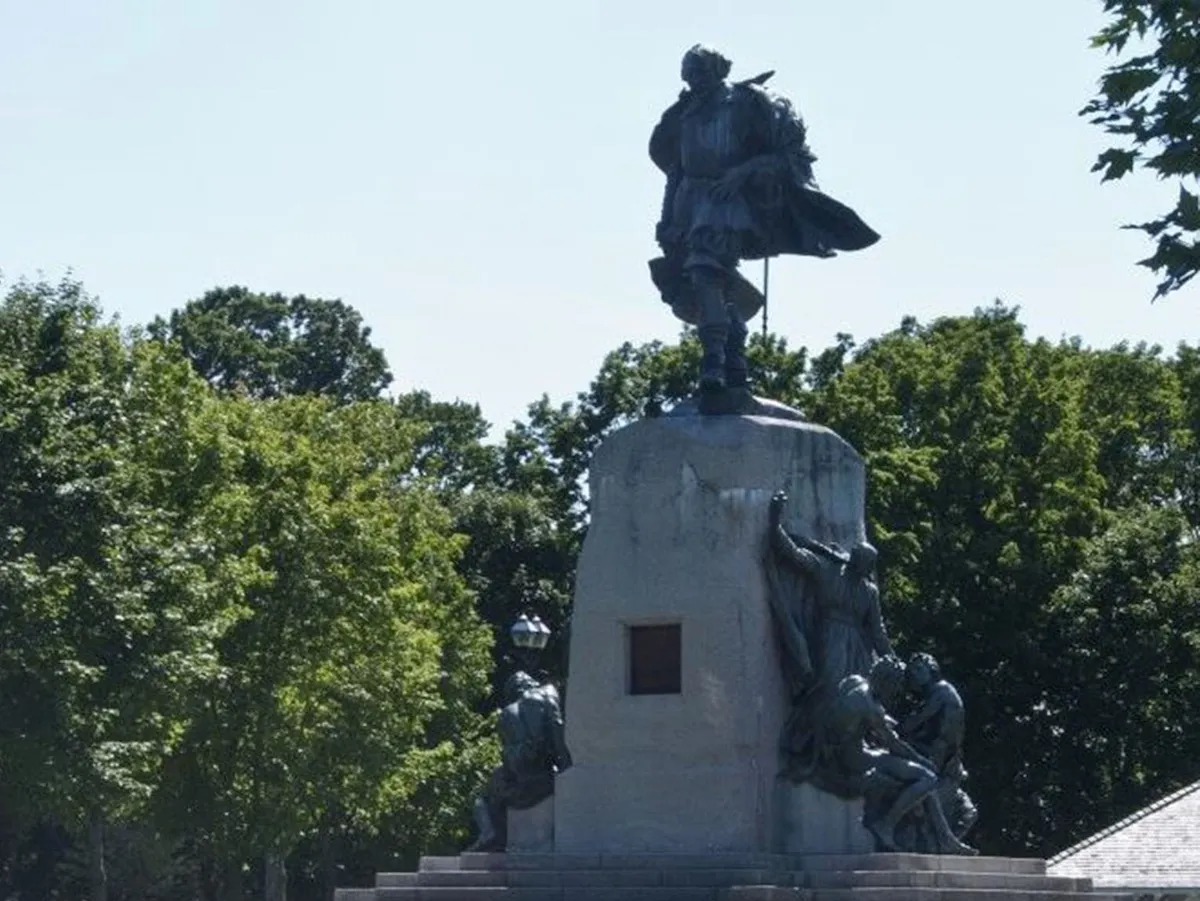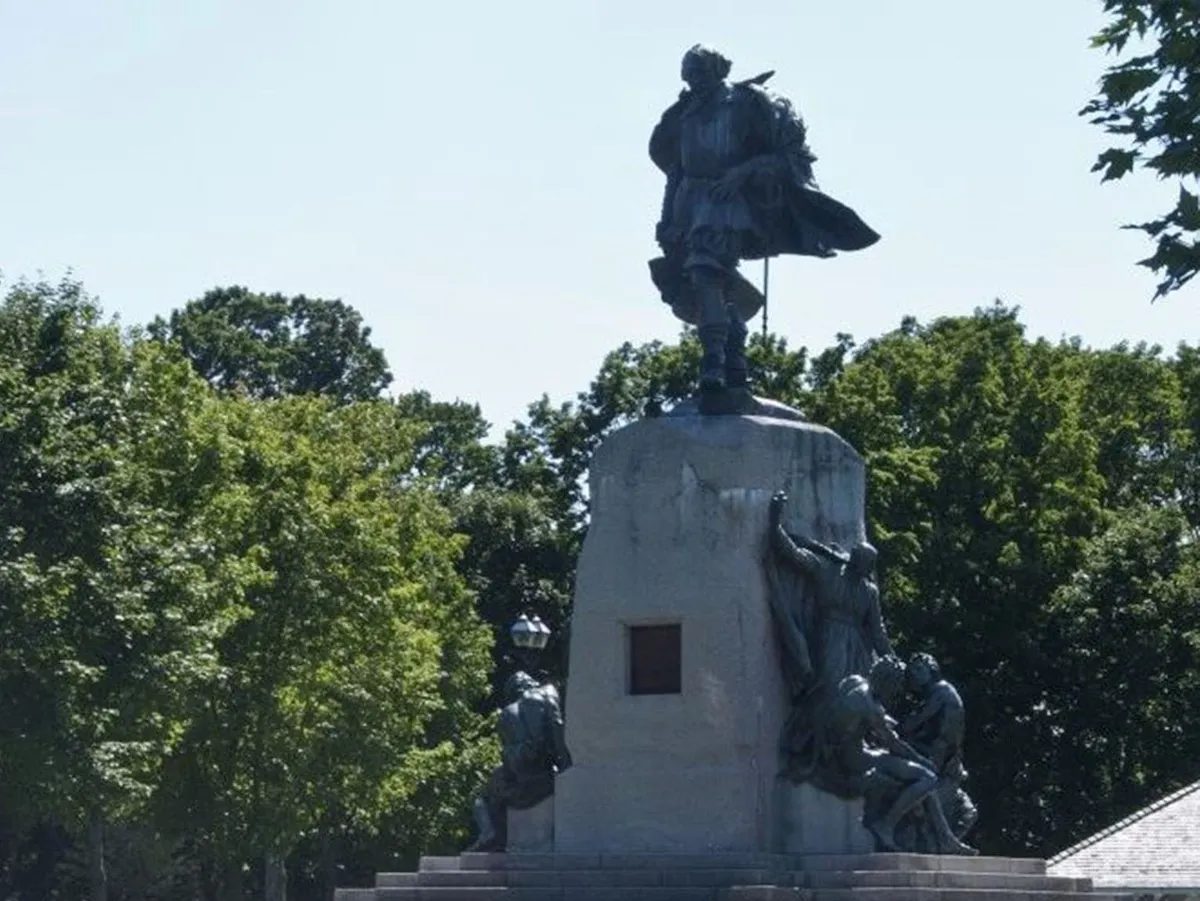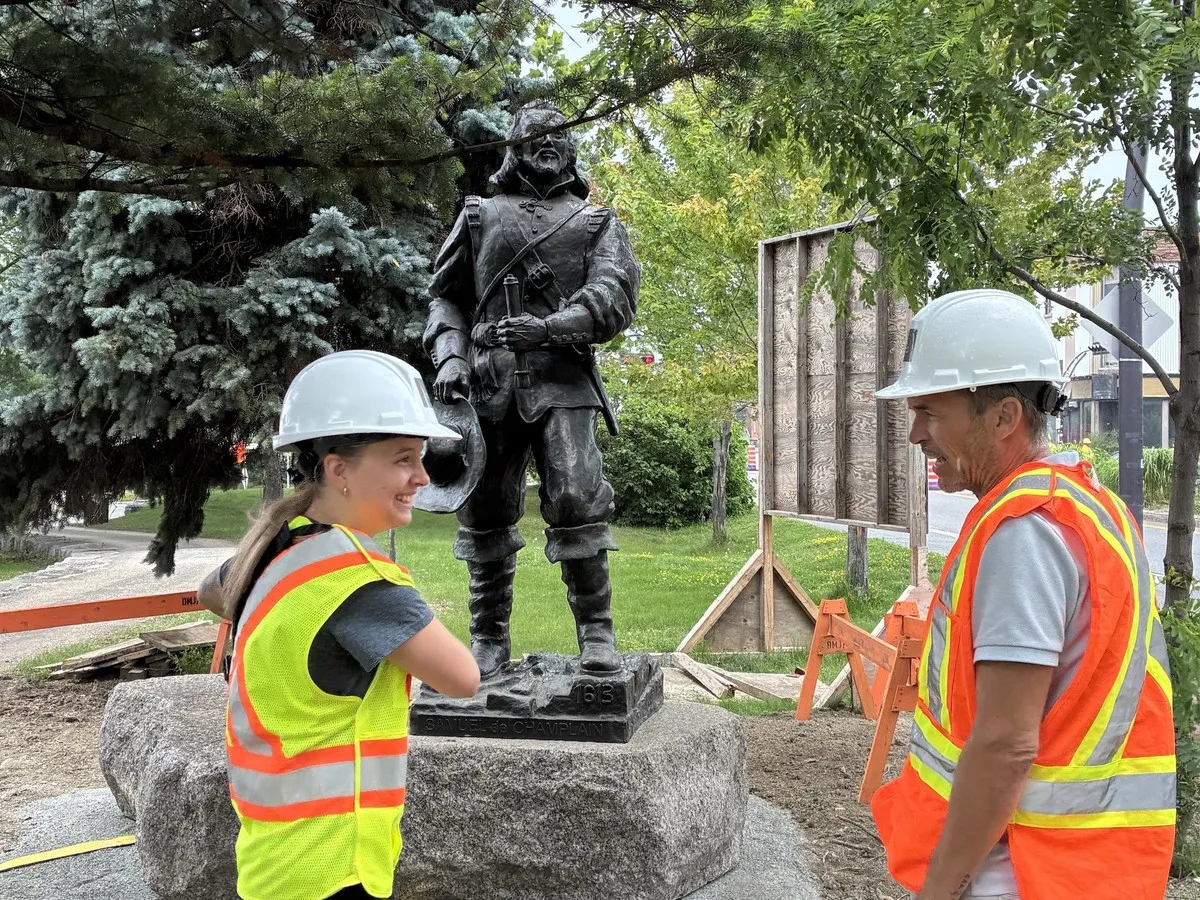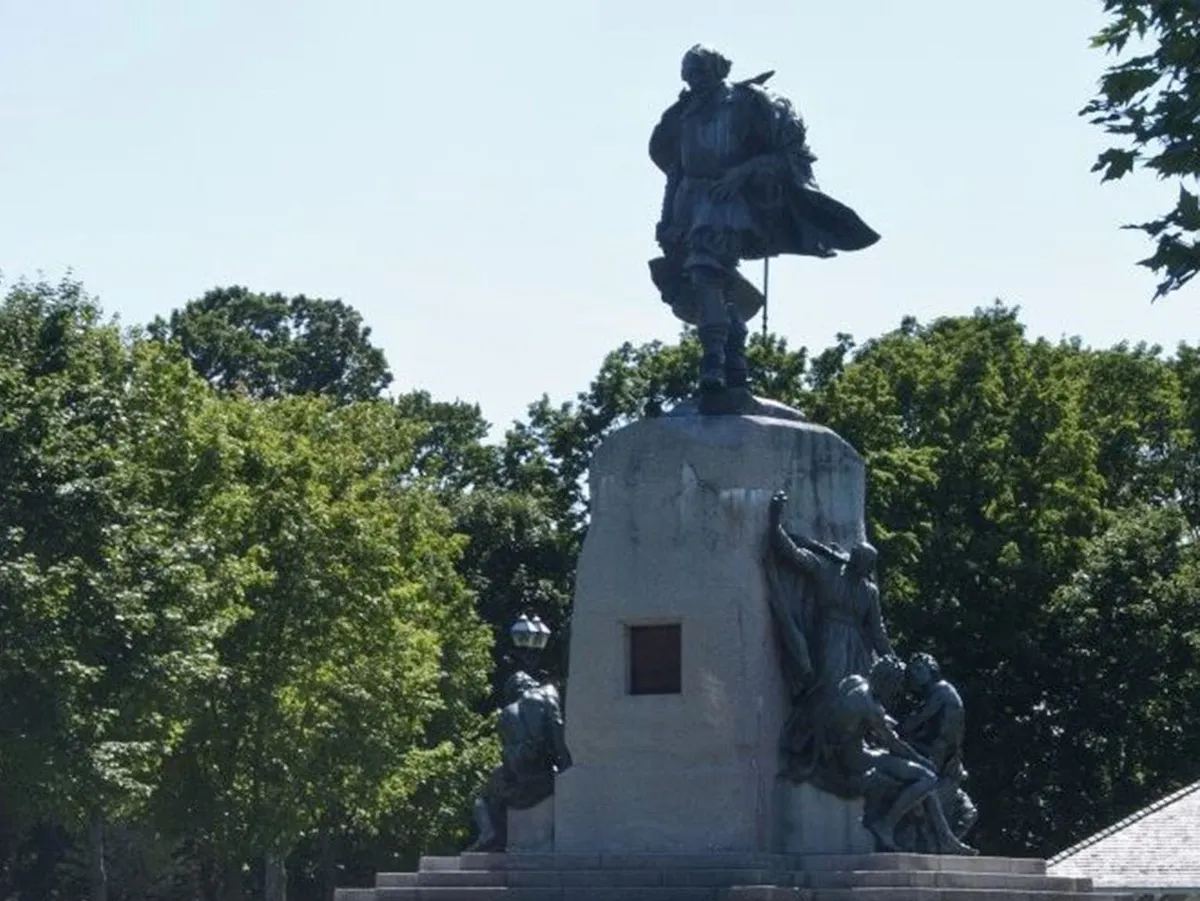
Skip to Content Subscribe Our Offers My Account Manage My Subscriptions FAQ Newsletters Canada Canadian True Crime Canadian Politics Health World Israel & Middle East Financial Post NP Comment Longreads Puzzmo Diversions Comics NP News Quiz New York Times Crossword Horoscopes Life Eating & Drinking Style Sponsored Play for Ontario Travel Travel Canada Travel USA Travel International Cruises Travel Essentials Culture Books Celebrity Movies Music Theatre Television Business Essentials Advice Lives Told Tails Told Shopping Buy Canadian Home Living Outdoor Living Kitchen & Dining Tech Style & Beauty Personal Care Entertainment & Hobbies Gift Guide Travel Guide Amazon Prime Day Deals Savings National Post Store More Sports Hockey Baseball Basketball Football Soccer Golf Tennis Driving Vehicle Research Reviews News Gear Guide Obituaries Place an Obituary Place an In Memoriam Classifieds Place an Ad Celebrations Working Business Ads Archives Healthing Epaper Manage Print Subscription Profile Settings My Subscriptions Saved Articles My Offers Newsletters Customer Service FAQ Newsletters Canada World Financial Post NP Comment Longreads Puzzmo Diversions Life Shopping Epaper Manage Print Subscription HomeNewsCanadaCanadian Politics'That is not reconciliation': Ontario mayor at odds with his council over what to do with Champlain monument'The vast majority of Orillians want the monument returned. They’ve done surveys. They’ve done all sorts of reach outs,' the mayor said You can save this article by registering for free here. Or sign-in if you have an account.The Samuel de Champlain statue in Orillia before it was removed. (Source: City of Orillia)A small Ontario city has removed its monument to Samuel de Champlain, again, as city council rebelled against the mayor’s unilateral decision to return it to its waterfront plinth.Enjoy the latest local, national and international news.Exclusive articles by Conrad Black, Barbara Kay and others. Plus, special edition NP Platformed and First Reading newsletters and virtual events.Unlimited online access to National Post.National Post ePaper, an electronic replica of the print edition to view on any device, share and comment on.Daily puzzles including the New York Times Crossword.Support local journalism.Enjoy the latest local, national and international news.Exclusive articles by Conrad Black, Barbara Kay and others. Plus, special edition NP Platformed and First Reading newsletters and virtual events.Unlimited online access to National Post.National Post ePaper, an electronic replica of the print edition to view on any device, share and comment on.Daily puzzles including the New York Times Crossword.Support local journalism.Create an account or sign in to continue with your reading experience.Access articles from across Canada with one account.Share your thoughts and join the conversation in the comments.Enjoy additional articles per month.Get email updates from your favourite authors.Create an account or sign in to continue with your reading experience.Access articles from across Canada with one accountShare your thoughts and join the conversation in the commentsEnjoy additional articles per monthGet email updates from your favourite authorsSign In or Create an AccountorThe monument to the French explorer was taken from Couchiching Beach Park on June 10 and stored away in a municipal yard after Orillia City Council voted 6-3 last month to take it down.It was originally erected in 1925 but removed by Parks Canada in 2017 for restoration amid reconciliation discussions. Mayor Don MacIsaac then briefly returned it to its plinth last month.“The vast majority of Orillians want the monument returned. They’ve done surveys. They’ve done all sorts of reach outs and people want it returned,” MacIsaac, who voted against removing the statue, said in a recent interview.“That is not reconciliation. You should leave it up. It’s history. You should use it as part of your journey forward.”Orillia, known as the Sunshine City, is a picturesque city of about 33,000 people, 130 kilometres northeast of Toronto.The back-and-forth removals came amid discussions and dissent from local First Nations leaders, who would not grant interviews on the latest development.Councillor Janet-Lynne Durnford, who voted in favour of removing Champlain’s statue, said in an interview the statue was part of her childhood landscape.“It was there in the park and it’s a beautiful park that we all use frequently. And I remember playing around it and, I just have this lovely sensory memory of the warmth of the bronze in the sun and climbing on the sculptures as I think every kid did,” Durndord said.“But even when I was younger, I remember feeling uncomfortable with parts of the monument, and I never understood why the Indigenous men were positioned sitting below the priest holding the raised cross.”The original monument was comprised of seven statues. Champlain was placed above several Indigenous statues, some of which were praying to a Récollet father, one of the Franciscan missionaries who came to New France and began spreading Christianity starting in 1615.The original plaque read that it was: “Erected to commemorate the advent into Ontario of the white race.”The returned statue was solely Champlain’s statue standing on the centre of the plinth of Couchiching Beach Park. The other six statues were stored in the city yards. The offensive plaque did not return.Samuel de Champlain (1567-1635) is known as the “Father of New France,” starting with the founding of Quebec City in 1608. He helped build New France’s economy through fur trading and agriculture, forging alliances with Indigenous groups including the Huron-Wendat, the Montagnais, the Odawa and the Nipissing.“Champlain is unquestionably a major figure in Canadian history. He was a cartographer, a diplomat, a founder of New France, and he created maps and writings that help shape European understanding of this region,” Durnford said. “And he developed relationships with several Indigenous nations that were important to the survival and the growth of early French settlement. So, he was unquestionably an important figure.”In 1609, 1610 and 1615, he fought alongside Indigenous groups including the Huron-Wendat against the Iroquois.He was named Governor of New France in 1620, but he and New France itself were captured by the British in 1629. Both were returned to France in 1632. He died on Christmas Day, 1635, at the age of 68.On the 300th anniversary of Champlain’s first sojourn to the area, local businessman and The Packet’s publisher, Charles Harold Hale and other Orillia Canadian Club members, successfully advocated for a Samuel de Champlain statue, built by Vernon March of England in 1925.A crowd of 10,000 people witnessed the monument’s unveiling when Orillia’s population was only 6,000.The statue was first removed in 2017 by Parks Canada which took ownership of the statue’s podium in the 1970s. Orillia is currently in the process of buying back the plinth.In 2018, a Champlain Monument Working Group was established by Parks Canada to return the Champlain statue. The working group included McIsaac, Durnford and both the Rama and Huron-Wendat First Nations.In 2019, this group made several recommendations for returning exclusively Champlain’s statue while including relevant context for reconciliation such as redesigning the monument and adding Indigenous languages. This was one of the lower portions of the statue in 2006.“We pulled the Récollet father out. That was intentionally done, in deference to First Nations because we feel that it acknowledges the harm caused by the residential school legacy,” McIsaac said.“I mean, that is a huge issue, part of reconciliation, and we think pulling a Récollet father out was exactly the right thing to do. We proposed elevating the presence and recognition of the Chippewas of Rama … here in Wendat and then the Anishinabek. You know, those stories have to be told, not as footnotes, but foundational. They need to be told in Indigenous languages, which what we did. We rewrote the plaque and it’s in four languages. So, two Indigenous, English and French.”Parks Canada deferred the monument’s reinstallation in 2020 to allow for further discussion regarding the working group’s recommendations. It was deferred again in 2021 following the Indigenous groups exiting the working group.Following the story of soil disturbances that signalled potential graves at the site of a former residential school in Kamloops, B.C., both Indigenous groups exited the working group in 2021.The Rama First Nation issued a statement this past January, saying that they refuse to discuss Champlain further due to the pain that the topic elicited. This sentiment has remained to date. They respectfully declined an interview.Other councillors left this March, including Durnford.“Over time, over the course of the working group, I became concerned that we were moving too quickly and moving away from those goals,” she said. “And I was disappointed that Rama First Nation was not presented with the design before it came to council.”McIsaac eventually became the sole remaining member of the working group. When Orillia City Council agreed to store the statue, he chose to store the statue back on the plinth in Couchiching Beach Park on May 21 without informing anyone else in advance.“So, we brought it back to Orillia. The best place to store the monument I felt was on the plinth because of the weight of the monument,” McIsaac said.Following the monument’s return, controversy erupted once again. An Indigenous woman was arrested on May 21 for spray painting “Rama said no” on the monument’s steps. The debate about Champlain and reconciliation was rekindled.On May 29, the city council successfully voted to remove the statue. It was tarped and fenced off for protection. But just over a week later, someone spray-painted the monument again.On June 8, the statue was tarped again and two days later, it was removed.“You know, my thought, final thought was, you know, we can leave this where it stands. Right now, it’s unresolved. It’s divisive; it’s unfinished. There’s a cost of standing still and we’re paying that cost right now,” McIsaac said.“I do think progress has been made. And the fact that communities are having these conversations demonstrates a growing willingness to engage with history in a more complete and nuanced way,” Durnford said.Our website is the place for the latest breaking news, exclusive scoops, longreads and provocative commentary. Please bookmark nationalpost.com and sign up for our daily newsletter, Posted, here. Join the Conversation This website uses cookies to personalize your content (including ads), and allows us to analyze our traffic. Read more about cookies here. By continuing to use our site, you agree to our Terms of Use and Privacy Policy.
'That is not reconciliation': Ontario mayor at odds with his council over what to do with Champlain monument
"The vast majority of Orillians want the monument returned. They’ve done surveys. They’ve done all sorts of reach outs," the mayor said.
1,679 words~8 min read