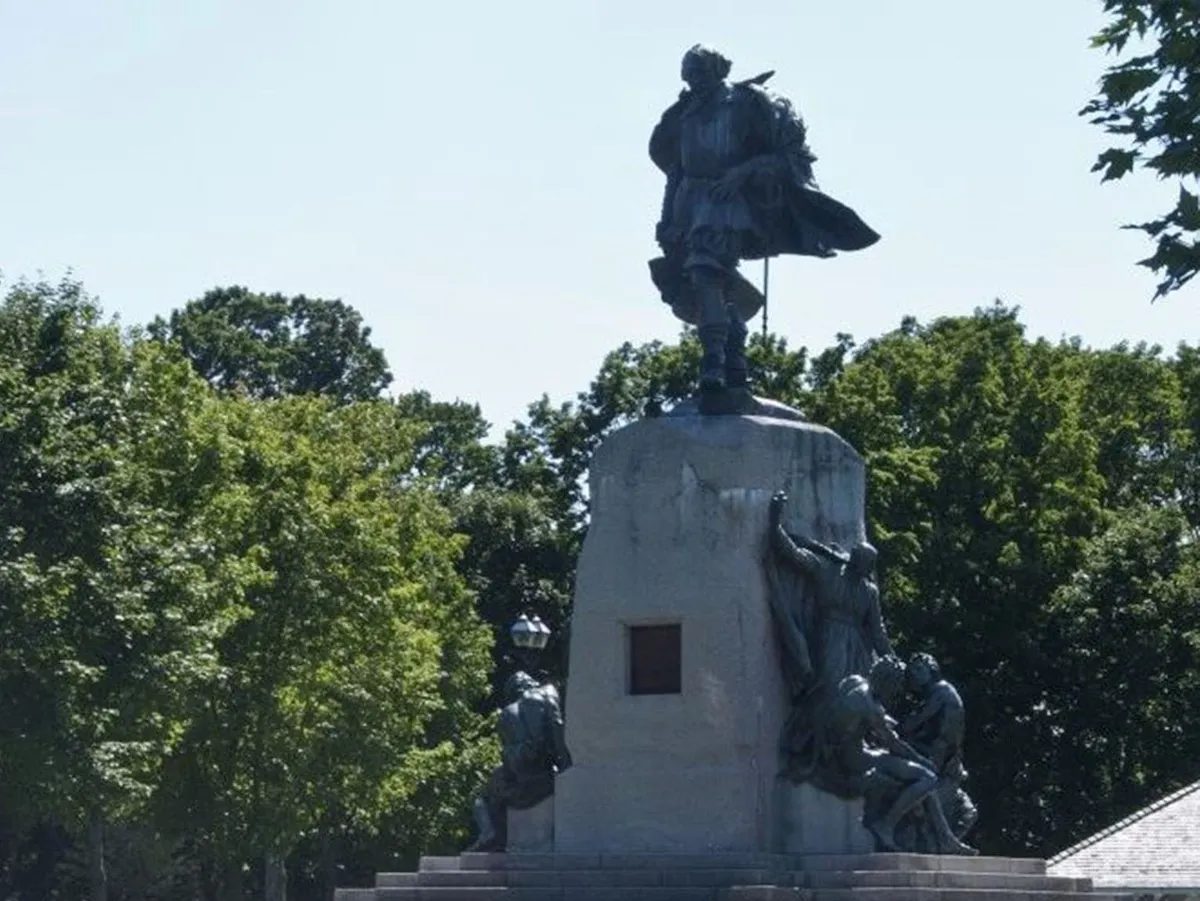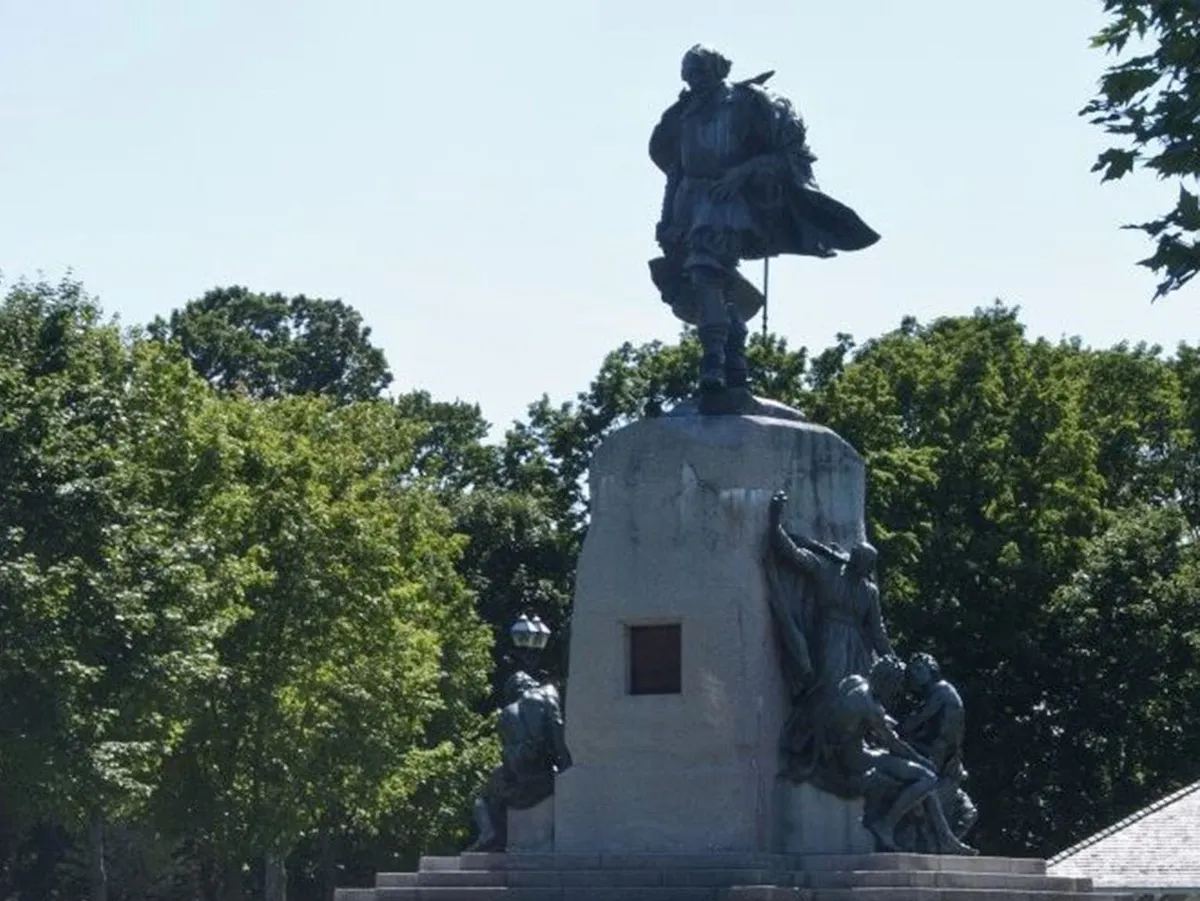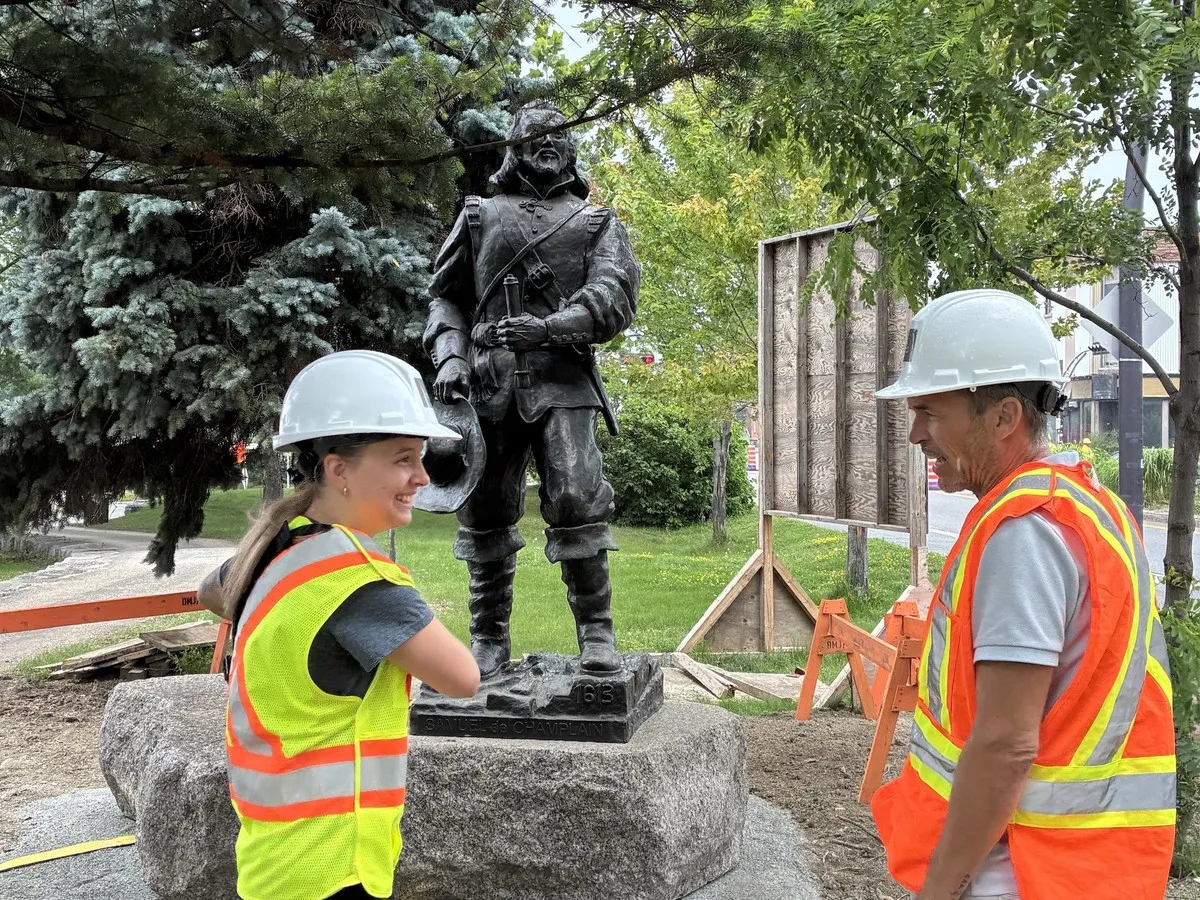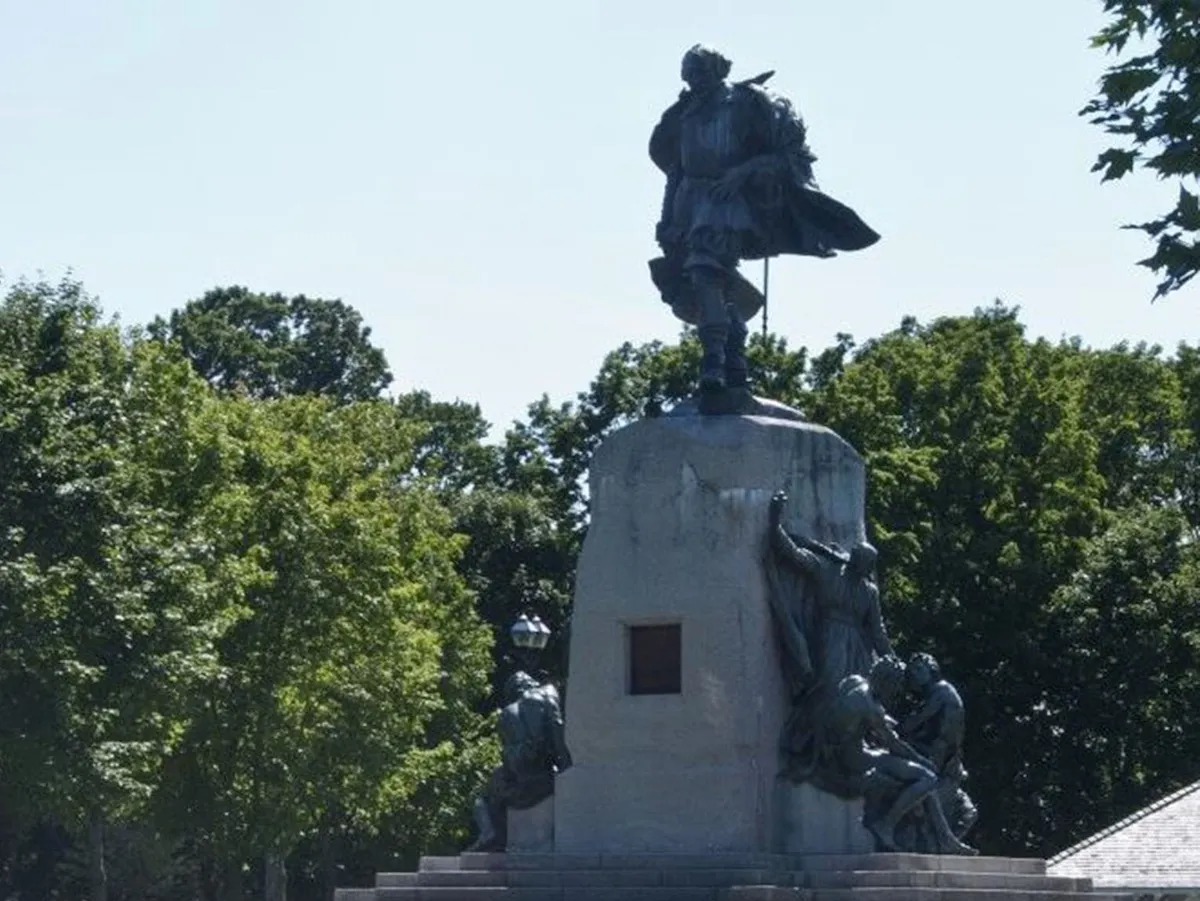
Skip to Content Subscribe Our Offers My Account Manage My Subscriptions FAQ Newsletters Canada Canadian True Crime Canadian Politics Health World Israel & Middle East Financial Post NP Comment Longreads Puzzmo Diversions Comics NP News Quiz New York Times Crossword Horoscopes Life Eating & Drinking Style Sponsored Play for Ontario Travel Travel Canada Travel USA Travel International Cruises Travel Essentials Culture Books Celebrity Movies Music Theatre Television Business Essentials Advice Lives Told Tails Told Shopping Buy Canadian Home Living Outdoor Living Kitchen & Dining Tech Style & Beauty Personal Care Entertainment & Hobbies Gift Guide Travel Guide Amazon Prime Day Deals Savings National Post Store More Sports Hockey Baseball Basketball Football Soccer Golf Tennis Driving Vehicle Research Reviews News Gear Guide Obituaries Place an Obituary Place an In Memoriam Classifieds Place an Ad Celebrations Working Business Ads Archives Healthing Epaper Manage Print Subscription Profile Settings My Subscriptions Saved Articles My Offers Newsletters Customer Service FAQ Newsletters Canada World Financial Post NP Comment Longreads Puzzmo Diversions Life Shopping Epaper Manage Print Subscription HomeNP CommentChristopher Dummitt: Vandals don't deserve a veto over Champlain statueRemoving Orillia monument is counterproductive to reconciliationLast updated 39 minutes ago You can save this article by registering for free here. Or sign-in if you have an account.The Samuel de Champlain statue in Orillia before it was removed. (Source: City of Orillia)If events in Orillia, Ontario are anything to go by, reconciliation in the Canada of 2026 seems to mean that if a few angry Indigenous protesters don’t want something to happen, they get a veto.Enjoy the latest local, national and international news.Exclusive articles by Conrad Black, Barbara Kay and others. Plus, special edition NP Platformed and First Reading newsletters and virtual events.Unlimited online access to National Post.National Post ePaper, an electronic replica of the print edition to view on any device, share and comment on.Daily puzzles including the New York Times Crossword.Support local journalism.Enjoy the latest local, national and international news.Exclusive articles by Conrad Black, Barbara Kay and others. Plus, special edition NP Platformed and First Reading newsletters and virtual events.Unlimited online access to National Post.National Post ePaper, an electronic replica of the print edition to view on any device, share and comment on.Daily puzzles including the New York Times Crossword.Support local journalism.Create an account or sign in to continue with your reading experience.Access articles from across Canada with one account.Share your thoughts and join the conversation in the comments.Enjoy additional articles per month.Get email updates from your favourite authors.Create an account or sign in to continue with your reading experience.Access articles from across Canada with one accountShare your thoughts and join the conversation in the commentsEnjoy additional articles per monthGet email updates from your favourite authorsSign In or Create an AccountorIt wasn’t supposed to be like this. The South African model of reconciliation was built on the idea of a single collective exercise of truth-telling, after which individuals and groups could live together in peace. Not in Canada. Not in Orillia.It’s all about statues. Again.This newsletter from NP Comment tackles the topics you care about. (Subscriber-exclusive edition on Fridays)By signing up you consent to receive the above newsletter from Postmedia Network Inc.We encountered an issue signing you up. Please try againThis time it’s a statue of the French explorer Samuel de Champlain that once stood on the waterfront in the little Ontario town of Orillia — the town Stephen Leacock made famous in his 1912 classic Sunshine Sketches of a Little Town. Locals erected the statue in 1925 to mark 300 years when, in 1615, Champlain first travelled through this part of what is now Ontario on his way to visit the Huron-Wendat, who were important French trading partners.In the years around the Great War, relations between French and English in Ontario and across Canada were strained, and the statue was meant as a gesture of symbolic rapprochement — as well as a piece of local boosterism. It was conceived with all the confidence in western civilization, Christianity, and even what its own plaque called “the white race” that many of us would find awkward and troubling today.Almost a 100 years later after the statue was first unveiled, in 2017, the monument needed repair and was removed. But in the midst of the restoration came the era of the Truth and Reconciliation Commission. It was decided that something had to change, and a working group was struck to determine whether the statue should return, and if so, in what form. This appears to have been done with genuine sympathy for, and input from, local First Nations. Smaller figures of Indigenous people that had surrounded and knelt below Champlain would not be returned, and a new plaque would be written. With those modifications, Champlain was supposed to go back to his lakeside plinth.Then came 2021 and the Kamloops graves moral panic.The return was delayed, and then delayed again.This spring, it seems, Orillia’s current mayor decided enough was enough. It cost money to keep the monument in storage, and what if something happened to it? Why not finally return it to the plinth? Most locals seemed to agree: back in 2019, the working group solicited feedback, and of those who responded to its online survey, 70 per cent favoured reinstalling Champlain.But that’s not what happened.The mayor had the statue reinstalled last month, seemingly without broad consultation. The predictable followed. Within hours of its re-erection, someone had vandalized it. Local First Nations objected that they had not been consulted and demanded the statue come down. City council caved, and Champlain was taken down again.What did this round of erection and removal cost? Apparently about $200,000.Nothing in this whole debate is really about history, or Champlain, or the wishes of the local community. It’s about power, and who gets to wield it in this era of so-called reconciliation. It’s about giving vandals a veto. Someone has spray painted the words “Rama said no” on the plinth — seemingly a link to the local Rama First Nation.The irony is that Champlain himself was an ally of the local Indigenous peoples in the 17th century. At Trent University, where I teach, we have a Champlain College — named in the early 1960s, at another moment of tense Anglo-French relations, as an attempt to recognize a positive shared history. That name, too, came under attack over the past decade.I’ve always found the response of Harvey McCue the most telling. McCue was a student at Trent in the early 1960s, and he played Champlain in a re-enactment at the college’s opening. He was also a member of the Anishinaabe nation and a founding figure in Trent’s Indigenous Studies department. He had little patience for the would-be cancellers, and he called out the inaccuracies and outright falsehoods told about Champlain.McCue also brought a more mature perspective to the past, noting that Champlain, like “any observer of a new culture… held a dim view of certain elements of Indigenous cultures, as did the Indigenous folks he encountered of French beliefs and behaviour.” Imagine that — recognizing that people have a natural in-group/out-group bias, and that they have displayed it throughout history.Yet McCue pointed out that, notwithstanding these views, “Champlain highly regarded many Indigenous leaders and treated them as equals, so much so that Black Hawk, a Sac war chief in the nineteenth century, began his biography with an account of Champlain and his own ancestor Na-Na-Ma-Kee as exemplars of wise and humane leadership.”This kind of mature reflection — where we let bygones be bygones and learn to appreciate the culture of all Canadians — is what reconciliation was supposed to bring. It was supposed to mean letting the statues of Champlain stand, and adding to them statues and recognition of Indigenous figures and Indigenous history.But that is not where we are in Orillia — nor in Canada writ large, where consultation increasingly means veto.The only good news — aside from the brave mayor’s attempt to resurrect the statue — is that the person who vandalized the concrete plinth was arrested. We can only hope the Crown actually proceeds with charges and doesn’t back down.The real answer to those who would deface statues isn’t to back away. It isn’t to concede. It is to install security cameras at every contentious site and then resolutely prosecute each and every vandal. Join the Conversation This website uses cookies to personalize your content (including ads), and allows us to analyze our traffic. Read more about cookies here. By continuing to use our site, you agree to our Terms of Use and Privacy Policy.
Christopher Dummitt: Vandals don't deserve a veto over Champlain statue
Removing Orillia monument is counterproductive to reconciliation
1,422 words~6 min read